Kosovo Japrak - Stuffed Grape Leaves Recipe | Make Today
Kosovo Japrak - Stuffed Grape Leaves Recipe | Make Today
- Serves: 8 People
- Prepare Time: 45 minutes
- Cooking Time: 1 hour 30 m
- Calories: -
- Difficulty: Medium
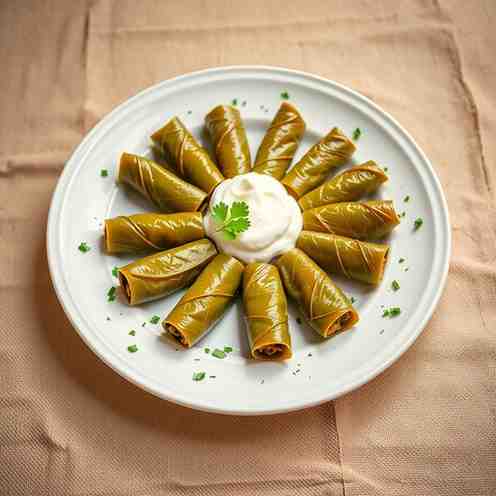
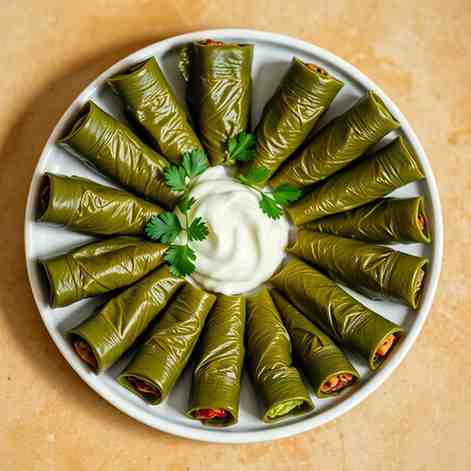
Welcome to the heart of Balkan cuisine! If you've ever craved tender, flavorful, and utterly satisfying comfort food, you're in the right place. We're diving deep into Kosovo Japrak, a cherished dish of stuffed grape leaves that stands proudly alongside its Mediterranean cousins like Greek Dolmades or Lebanese Warak Enab. But what makes Japrak truly special? It’s the distinct Balkan touch – a hearty, savory meat and rice filling, often finished with a bright, lemony tang that makes each bite unforgettable. Forget everything you thought you knew about stuffed grape leaves; this isn't just a recipe, it's a journey into a rich culinary tradition.
This guide will walk you through every step of creating the definitive Kosovo Japrak, from sourcing the best fresh grape leaves or grape leaves in a jar to mastering the rolling technique that guarantees no blowouts. You'll learn the secrets to a perfectly tender roll, a robust filling, and how to troubleshoot common issues. Get ready to impress your family and friends with this authentic meat dish recipe that’s perfect for any occasion.
So, what is Japrak exactly? In simple terms, Japrak refers to stuffed grape vine leaves (or sometimes other vegetables like cabbage) that are slowly simmered until incredibly tender. While the term "dolma" or "dolmades" is widely used across the Middle East and Mediterranean for various filled grape leaves, Japrak specifically points to the versions popular in Kosovo, Albania, and surrounding Balkan regions. Our focus today is on the meat-filled variety, which offers a robust and satisfying flavor profile distinct from many vegetarian or rice-only versions. It’s a staple in homes, often prepared for special gatherings, showcasing the region’s love for wholesome, flavorful Balkan food.
Ingredients
Directions
- Prep the Grape Leaves
- For Jarred Leaves: Carefully remove the leaves from the jar. Place them in a colander and rinse thoroughly under cold running water for several minutes to remove excess brine. This is crucial to prevent your Japrak from being too salty. Gently separate the leaves, snip off any tough stems with kitchen shears, and set aside to drain.
- For Fresh Leaves: Wash the fresh leaves. Bring a large pot of water to a boil. Blanch the leaves in batches for 1-2 minutes until they soften and turn a brighter green. Immediately transfer them to an ice bath to stop the cooking, then drain well and snip off any tough stems.
- Prep the Filling
- Rice Handling: Place the short-grain rice in a fine-mesh sieve and rinse under cold water until the water runs clear. Transfer the rinsed rice to a bowl, cover with fresh water, and let it soak for 30 minutes. Drain very well before adding to the meat mixture.
- Build the Filling: In a large mixing bowl, combine the ground meat blend, finely minced onion, soaked and drained rice, chopped fresh parsley, chopped fresh dill, dried mint, paprika, black pepper, cayenne pepper (if using), salt, and ¼ cup olive oil.
- Texture Checkpoint: Using your hands, thoroughly mix all the ingredients until well combined. The mixture should be uniform, slightly moist, and hold together when squeezed, but not be mushy. This ensures an even distribution of flavor and that the rice cooks properly.
- Roll Japrak (the No-Blowout Method)
- Leaf Orientation: Lay a grape leaf flat on a clean surface, shiny side down (veins facing up). If the leaf is very large, you can trim it or use it for lining.
- Filling Amount Range: Place about 1-1.5 teaspoons of filling near the base of the leaf, depending on its size. Don't overfill, as the rice will expand during cooking. The filling should be about the size of your pinky finger.
- Fold & Roll Technique:
- Fold the bottom edge of the leaf over the filling.
- Fold in the side edges towards the center.
- Starting from the bottom, tightly roll the leaf upwards to create a neat, compact cylinder.
- What "too loose / too tight" looks like: If it's too loose, the filling might spill out during cooking. If it's too tight, the rice won't have room to expand, resulting in hard rice or burst leaves. Aim for firm but not rock-hard rolls.
- Pack the Pot (So Nothing Opens)
- Line the Pot: Choose a wide, heavy-bottomed pot or Dutch oven (a 5-6 quart capacity works well). Arrange the thinly sliced potato rounds (or torn grape leaves) in a single layer at the bottom of the pot. This acts as a protective layer and adds flavor.
- Tight Rows, Seam-Side Down: Begin arranging the rolled Japrak in tight, concentric circles or neat rows over the potato lining. Make sure the seam-side of each roll faces down to prevent unraveling during cooking. Continue layering, packing them snugly. This tight packing is key to preventing the rolls from opening up.
- Plate on Top: Once all Japrak are in the pot, place a heatproof plate (smaller than the pot's opening but large enough to cover the rolls) directly on top of the rolls. This weight keeps them submerged and prevents them from floating and unraveling.
- Cook
- Add Liquid to the Right Level: In a bowl, combine the hot water, lemon juice, salt, and ¼ cup olive oil for the cooking liquid. Pour this mixture over the plate in the pot. The liquid should just barely cover the plate. If it doesn't, add a little more hot water.
- Heat Schedule: Bring the pot to a boil over medium-high heat. Once boiling, reduce the heat to very low, cover tightly, and simmer gently for 1 hour 30 minutes to 1 hour 45 minutes.
- Doneness Cues:
- Rice texture: The rice inside should be fully cooked, tender, and fluffy.
- Leaf tenderness: The grape leaves should be very soft and easy to bite through.
- Liquid absorption: Most of the cooking liquid should have been absorbed or evaporated, leaving a small amount of flavorful broth at the bottom.
- Resting Step (Why it matters): Once cooked, remove the pot from the heat but keep it covered for at least 15-20 minutes. This resting period allows the flavors to meld, the rolls to firm up slightly, and the rice to finish absorbing any remaining liquid, making them even more tender and delicious.
Kosovo Japrak - Stuffed Grape Leaves Recipe | Make Today
- Serves: 8 People
- Prepare Time: 45 minutes
- Cooking Time: 1 hour 30 m
- Calories: -
- Difficulty: Medium
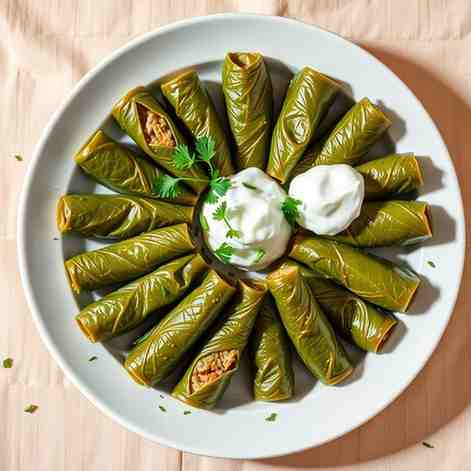
Welcome to the heart of Balkan cuisine! If you've ever craved tender, flavorful, and utterly satisfying comfort food, you're in the right place. We're diving deep into Kosovo Japrak, a cherished dish of stuffed grape leaves that stands proudly alongside its Mediterranean cousins like Greek Dolmades or Lebanese Warak Enab. But what makes Japrak truly special? It’s the distinct Balkan touch – a hearty, savory meat and rice filling, often finished with a bright, lemony tang that makes each bite unforgettable. Forget everything you thought you knew about stuffed grape leaves; this isn't just a recipe, it's a journey into a rich culinary tradition.
This guide will walk you through every step of creating the definitive Kosovo Japrak, from sourcing the best fresh grape leaves or grape leaves in a jar to mastering the rolling technique that guarantees no blowouts. You'll learn the secrets to a perfectly tender roll, a robust filling, and how to troubleshoot common issues. Get ready to impress your family and friends with this authentic meat dish recipe that’s perfect for any occasion.
So, what is Japrak exactly? In simple terms, Japrak refers to stuffed grape vine leaves (or sometimes other vegetables like cabbage) that are slowly simmered until incredibly tender. While the term "dolma" or "dolmades" is widely used across the Middle East and Mediterranean for various filled grape leaves, Japrak specifically points to the versions popular in Kosovo, Albania, and surrounding Balkan regions. Our focus today is on the meat-filled variety, which offers a robust and satisfying flavor profile distinct from many vegetarian or rice-only versions. It’s a staple in homes, often prepared for special gatherings, showcasing the region’s love for wholesome, flavorful Balkan food.
Ingredients
Directions
- Prep the Grape Leaves
- For Jarred Leaves: Carefully remove the leaves from the jar. Place them in a colander and rinse thoroughly under cold running water for several minutes to remove excess brine. This is crucial to prevent your Japrak from being too salty. Gently separate the leaves, snip off any tough stems with kitchen shears, and set aside to drain.
- For Fresh Leaves: Wash the fresh leaves. Bring a large pot of water to a boil. Blanch the leaves in batches for 1-2 minutes until they soften and turn a brighter green. Immediately transfer them to an ice bath to stop the cooking, then drain well and snip off any tough stems.
- Prep the Filling
- Rice Handling: Place the short-grain rice in a fine-mesh sieve and rinse under cold water until the water runs clear. Transfer the rinsed rice to a bowl, cover with fresh water, and let it soak for 30 minutes. Drain very well before adding to the meat mixture.
- Build the Filling: In a large mixing bowl, combine the ground meat blend, finely minced onion, soaked and drained rice, chopped fresh parsley, chopped fresh dill, dried mint, paprika, black pepper, cayenne pepper (if using), salt, and ¼ cup olive oil.
- Texture Checkpoint: Using your hands, thoroughly mix all the ingredients until well combined. The mixture should be uniform, slightly moist, and hold together when squeezed, but not be mushy. This ensures an even distribution of flavor and that the rice cooks properly.
- Roll Japrak (the No-Blowout Method)
- Leaf Orientation: Lay a grape leaf flat on a clean surface, shiny side down (veins facing up). If the leaf is very large, you can trim it or use it for lining.
- Filling Amount Range: Place about 1-1.5 teaspoons of filling near the base of the leaf, depending on its size. Don't overfill, as the rice will expand during cooking. The filling should be about the size of your pinky finger.
- Fold & Roll Technique:
- Fold the bottom edge of the leaf over the filling.
- Fold in the side edges towards the center.
- Starting from the bottom, tightly roll the leaf upwards to create a neat, compact cylinder.
- What "too loose / too tight" looks like: If it's too loose, the filling might spill out during cooking. If it's too tight, the rice won't have room to expand, resulting in hard rice or burst leaves. Aim for firm but not rock-hard rolls.
- Pack the Pot (So Nothing Opens)
- Line the Pot: Choose a wide, heavy-bottomed pot or Dutch oven (a 5-6 quart capacity works well). Arrange the thinly sliced potato rounds (or torn grape leaves) in a single layer at the bottom of the pot. This acts as a protective layer and adds flavor.
- Tight Rows, Seam-Side Down: Begin arranging the rolled Japrak in tight, concentric circles or neat rows over the potato lining. Make sure the seam-side of each roll faces down to prevent unraveling during cooking. Continue layering, packing them snugly. This tight packing is key to preventing the rolls from opening up.
- Plate on Top: Once all Japrak are in the pot, place a heatproof plate (smaller than the pot's opening but large enough to cover the rolls) directly on top of the rolls. This weight keeps them submerged and prevents them from floating and unraveling.
- Cook
- Add Liquid to the Right Level: In a bowl, combine the hot water, lemon juice, salt, and ¼ cup olive oil for the cooking liquid. Pour this mixture over the plate in the pot. The liquid should just barely cover the plate. If it doesn't, add a little more hot water.
- Heat Schedule: Bring the pot to a boil over medium-high heat. Once boiling, reduce the heat to very low, cover tightly, and simmer gently for 1 hour 30 minutes to 1 hour 45 minutes.
- Doneness Cues:
- Rice texture: The rice inside should be fully cooked, tender, and fluffy.
- Leaf tenderness: The grape leaves should be very soft and easy to bite through.
- Liquid absorption: Most of the cooking liquid should have been absorbed or evaporated, leaving a small amount of flavorful broth at the bottom.
- Resting Step (Why it matters): Once cooked, remove the pot from the heat but keep it covered for at least 15-20 minutes. This resting period allows the flavors to meld, the rolls to firm up slightly, and the rice to finish absorbing any remaining liquid, making them even more tender and delicious.
You may also like


Hey there! I’m just someone who seriously loves good food and believes that cooking doesn’t have to be complicated to be amazing. Whether it’s a quick weeknight dinner or a cozy weekend meal, I’m all about sharing easy, tasty recipes that actually work.