
Boiled Cassava Leaves (Pondu-Style)
Boiled Cassava Leaves (Pondu-Style)
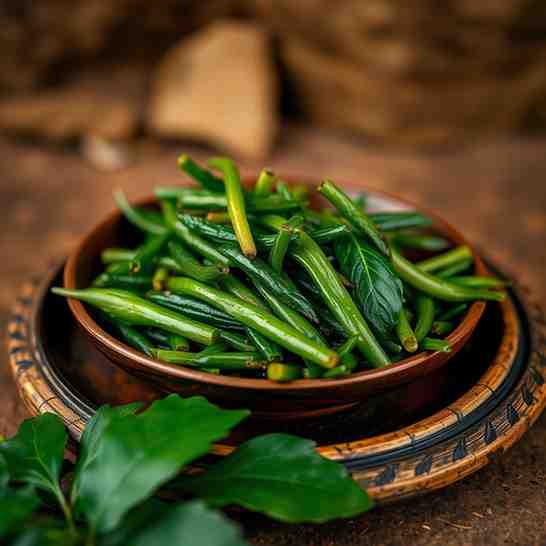
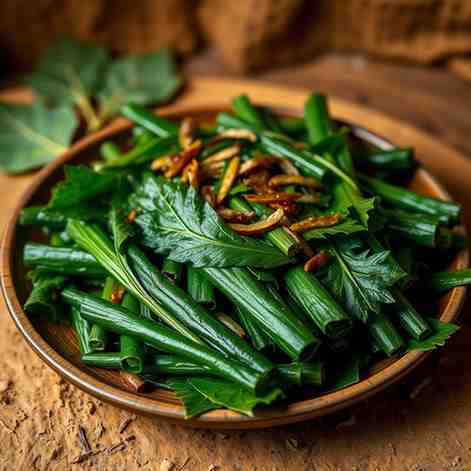
- Serves: 6 People
- Prepare Time: 20 minutes
- Cooking Time: 90 minutes
- Calories: -
- Difficulty: Medium
Welcome to the ultimate guide for making Savory Boiled Cassava Leaves, a rich and incredibly satisfying dish often enjoyed Pondu-Style! If you've been curious about cooking with cassava leaves but felt a little intimidated, you're in the right place. This beginner-friendly recipe will walk you through a safe and delicious method to transform these unique leafy greens into a tender, flavorful meal. We're talking about an earthy, slightly nutty base that, when combined with rich palm oil and aromatic spices, truly shines.
In this guide, you'll learn:
All the ingredients you need to get started.
How to boil cassava leaves safely to remove bitterness and ensure perfect tenderness.
The secrets to cooking it until it tastes just right, with layers of savory depth.
Creative and traditional ways to serve this delightful dish.
Get ready to discover why Savory Boiled Cassava Leaves is a beloved staple in many cuisines, and how easy it is to make it your own!
Ingredients
Directions
- Safety + Smell Management: Ensure good ventilation in your kitchen. Start the initial boil uncovered to allow strong smells to escape. Always discard the boil water, especially for fresh or whole leaves. Do NOT taste the leaves until they are fully cooked.
- Thaw/Prep the Leaves
- If using frozen ground cassava leaves, place them in a bowl to thaw completely. Once thawed, use your hands or a fork to loosen any clumps.
- If using fresh or whole frozen leaves, wash them thoroughly under cold running water. Strip the leaves from any tough stems. Place the clean leaves in a blender or food processor with about ½ cup of water or stock and blend until a very fine, almost paste-like consistency is achieved.
- Boil the Leaves (Uncovered First)
- Bring a large pot of water to a rolling boil over high heat.
- Carefully add the prepped cassava leaves to the boiling water.
- Keep the pot uncovered for the first 30-45 minutes of boiling. This allows the strong, raw smell of the cassava leaves to dissipate effectively.
- Continue to boil, stirring occasionally, until the raw smell mellows significantly and the leaves begin to soften. This can take 1-1.5 hours depending on the leaves.
- Once the leaves are tender and the smell has softened, carefully drain them using a fine-mesh strainer. Discard the boiling water. This step is crucial for both safety and flavor, especially with fresh or whole leaves.
- Build the Flavor Base
- In the same (now empty) large pot, add the palm oil and place it over medium-low heat.
- Once the oil is warm, add the chopped onion. Cook, stirring occasionally, until the onion softens and becomes translucent, about 5-7 minutes.
- Add the minced garlic and grated ginger (and the whole or minced Scotch bonnet/habanero if using). Cook for another 1-2 minutes until fragrant, being careful not to burn the garlic.
- Simmer the Boiled Leaves Until Savory and Tender
- Add the boiled and drained cassava leaves back into the pot with the aromatics.
- Pour in 2 cups of fresh stock or water. Stir everything together.
- Add the peanut butter to the pot. Stir continuously until the peanut butter is fully dissolved and incorporated into the leaves, creating a thicker, richer sauce.
- Bring the mixture to a gentle simmer. Reduce the heat to low, cover the pot, and let it simmer slowly for at least 45 minutes to 1 hour, stirring occasionally to prevent sticking. Add more water or stock gradually if the mixture becomes too dry or thick. The longer it simmers, the more the flavors meld and the leaves become incredibly tender.
- Finish + Final Seasoning
- After simmering, taste the dish. Add salt to your preference, and if using, dissolve bouillon cubes or powder.
- If using optional smoked fish or dried shrimp, fold them in now and simmer for another 5-10 minutes to allow their flavors to infuse.
- Adjust black pepper if desired.
- Doneness Cues (Make This Super Specific)
- Color Deepens: The vibrant green of the raw leaves will transform into a much deeper, almost olive-green color.
- "Raw/Green" Smell is Gone: The initial strong, somewhat vegetal or "green" smell will be completely replaced by a rich, earthy, savory aroma. There should be no hint of a raw, unpleasant odor.
- Texture is Soft, Not Chewy: The leaves should be incredibly tender, melting in your mouth with no fibrous or chewy resistance.
- Pot Looks Thicker; Oil May Rise Slightly: The stew will have thickened considerably, and you might notice a thin layer of palm oil rising to the surface, indicating that the flavors have developed and the dish is well-cooked.
Boiled Cassava Leaves (Pondu-Style)
.jpg)
- Serves: 6 People
- Prepare Time: 20 minutes
- Cooking Time: 90 minutes
- Calories: -
- Difficulty: Medium
Welcome to the ultimate guide for making Savory Boiled Cassava Leaves, a rich and incredibly satisfying dish often enjoyed Pondu-Style! If you've been curious about cooking with cassava leaves but felt a little intimidated, you're in the right place. This beginner-friendly recipe will walk you through a safe and delicious method to transform these unique leafy greens into a tender, flavorful meal. We're talking about an earthy, slightly nutty base that, when combined with rich palm oil and aromatic spices, truly shines.
In this guide, you'll learn:
All the ingredients you need to get started.
How to boil cassava leaves safely to remove bitterness and ensure perfect tenderness.
The secrets to cooking it until it tastes just right, with layers of savory depth.
Creative and traditional ways to serve this delightful dish.
Get ready to discover why Savory Boiled Cassava Leaves is a beloved staple in many cuisines, and how easy it is to make it your own!
Ingredients
Directions
- Safety + Smell Management: Ensure good ventilation in your kitchen. Start the initial boil uncovered to allow strong smells to escape. Always discard the boil water, especially for fresh or whole leaves. Do NOT taste the leaves until they are fully cooked.
- Thaw/Prep the Leaves
- If using frozen ground cassava leaves, place them in a bowl to thaw completely. Once thawed, use your hands or a fork to loosen any clumps.
- If using fresh or whole frozen leaves, wash them thoroughly under cold running water. Strip the leaves from any tough stems. Place the clean leaves in a blender or food processor with about ½ cup of water or stock and blend until a very fine, almost paste-like consistency is achieved.
- Boil the Leaves (Uncovered First)
- Bring a large pot of water to a rolling boil over high heat.
- Carefully add the prepped cassava leaves to the boiling water.
- Keep the pot uncovered for the first 30-45 minutes of boiling. This allows the strong, raw smell of the cassava leaves to dissipate effectively.
- Continue to boil, stirring occasionally, until the raw smell mellows significantly and the leaves begin to soften. This can take 1-1.5 hours depending on the leaves.
- Once the leaves are tender and the smell has softened, carefully drain them using a fine-mesh strainer. Discard the boiling water. This step is crucial for both safety and flavor, especially with fresh or whole leaves.
- Build the Flavor Base
- In the same (now empty) large pot, add the palm oil and place it over medium-low heat.
- Once the oil is warm, add the chopped onion. Cook, stirring occasionally, until the onion softens and becomes translucent, about 5-7 minutes.
- Add the minced garlic and grated ginger (and the whole or minced Scotch bonnet/habanero if using). Cook for another 1-2 minutes until fragrant, being careful not to burn the garlic.
- Simmer the Boiled Leaves Until Savory and Tender
- Add the boiled and drained cassava leaves back into the pot with the aromatics.
- Pour in 2 cups of fresh stock or water. Stir everything together.
- Add the peanut butter to the pot. Stir continuously until the peanut butter is fully dissolved and incorporated into the leaves, creating a thicker, richer sauce.
- Bring the mixture to a gentle simmer. Reduce the heat to low, cover the pot, and let it simmer slowly for at least 45 minutes to 1 hour, stirring occasionally to prevent sticking. Add more water or stock gradually if the mixture becomes too dry or thick. The longer it simmers, the more the flavors meld and the leaves become incredibly tender.
- Finish + Final Seasoning
- After simmering, taste the dish. Add salt to your preference, and if using, dissolve bouillon cubes or powder.
- If using optional smoked fish or dried shrimp, fold them in now and simmer for another 5-10 minutes to allow their flavors to infuse.
- Adjust black pepper if desired.
- Doneness Cues (Make This Super Specific)
- Color Deepens: The vibrant green of the raw leaves will transform into a much deeper, almost olive-green color.
- "Raw/Green" Smell is Gone: The initial strong, somewhat vegetal or "green" smell will be completely replaced by a rich, earthy, savory aroma. There should be no hint of a raw, unpleasant odor.
- Texture is Soft, Not Chewy: The leaves should be incredibly tender, melting in your mouth with no fibrous or chewy resistance.
- Pot Looks Thicker; Oil May Rise Slightly: The stew will have thickened considerably, and you might notice a thin layer of palm oil rising to the surface, indicating that the flavors have developed and the dish is well-cooked.
You may also like


Hey there! I’m just someone who seriously loves good food and believes that cooking doesn’t have to be complicated to be amazing. Whether it’s a quick weeknight dinner or a cozy weekend meal, I’m all about sharing easy, tasty recipes that actually work.