Make Fermented Milk Drink - Kefir Recipe
Make Fermented Milk Drink - Kefir Recipe
- Serves: 4 People
- Prepare Time: 5 minutes
- Cooking Time: 0 minutes
- Calories: -
- Difficulty: Easy
Glass Jar + Breathable Cover: A quart-sized (1-liter) glass jar is perfect. For the cover, use a coffee filter, cheesecloth, or a clean tea towel secured with a rubber band. This allows air in while keeping pests out.
Fine-Mesh Strainer: Essential for separating your kefir grains from the finished kefir. Opt for a non-reactive material like plastic or stainless steel, as acidic kefir can react with aluminum.
Optional: Thermometer: Only if your kitchen temperature swings wildly. Kefir ferments best between 68-75°F (20-24°C).
This detailed, beginner-proof method will guide you to your perfect fermented milk drink.
Prep time: 5 minutes
Ferment time: 24-48 hours
Ingredients
Directions
- Quick-Start Summary: Homemade Milk KefirFor those "just tell me what to do" searchers, here's the super quick rundown to get your fermented milk drink going:
- What you need: Kefir grains and whole milk. Plus, a glass jar with a breathable cover and a fine-mesh strainer.
- How long it takes: About 5 minutes of active prep time, then 24-48 hours for fermentation.
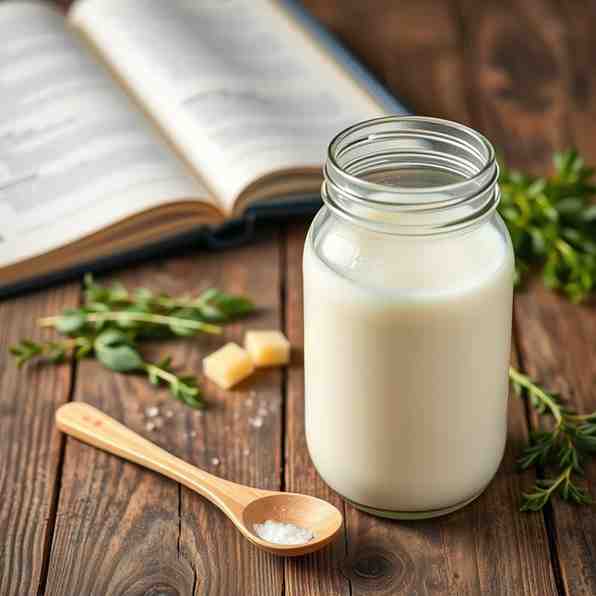
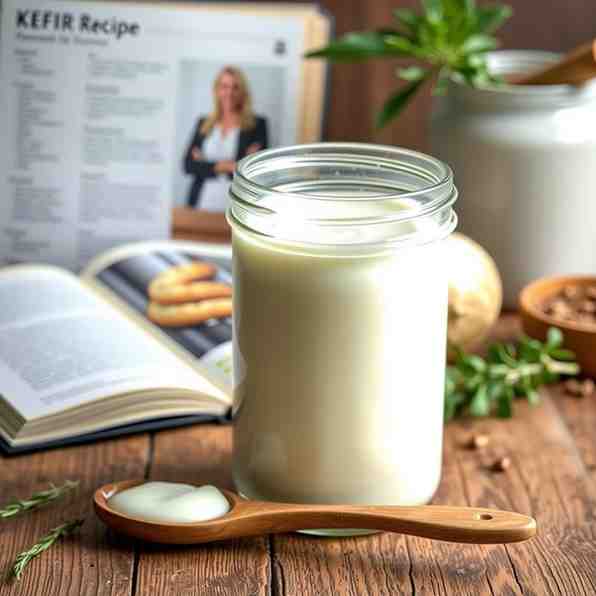
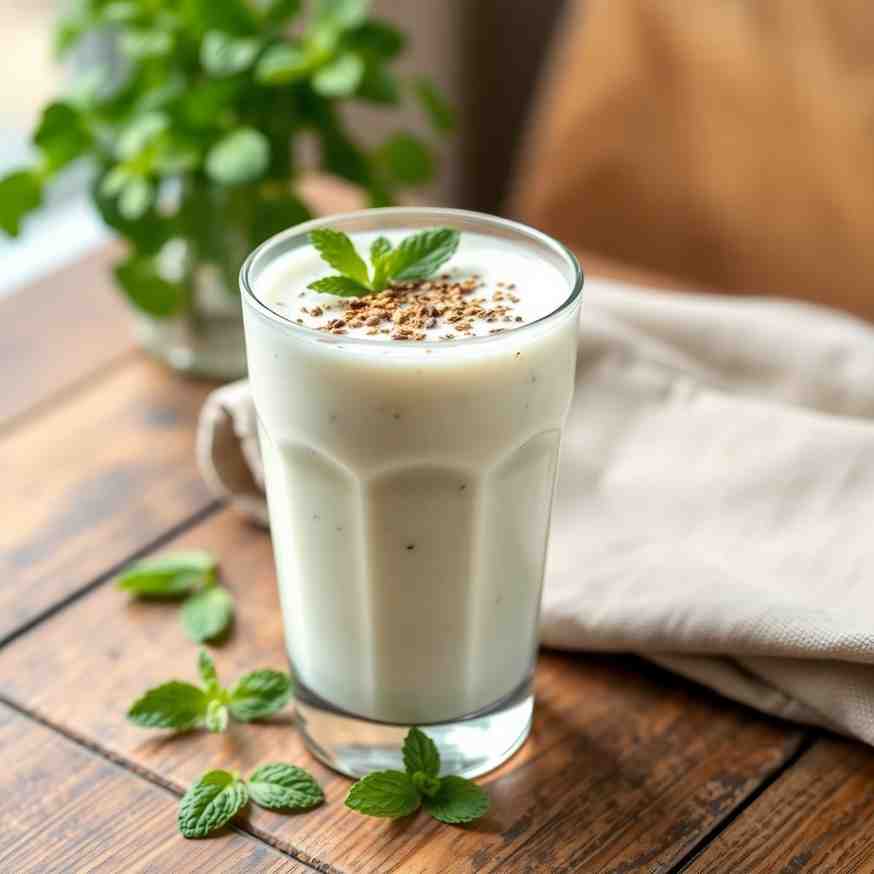
- What “done” looks/smells like: Your milk will be noticeably thicker, tangy, and might have a few small bubbles. It should smell pleasantly yeasty or sour, like yogurt.
- One key warning: Never seal a jar tightly while fermenting! The pressure from the gases can build up.
- Fermented Milk Drinks 101 (Plain-English, US Audience)So, what exactly counts as a fermented milk drink? It's all about the magic of microbes! Fermentation is a natural process where tiny microorganisms (like bacteria and yeast) munch on the sugars in milk (lactose) and turn them into acids, gases, and sometimes even a little bit of alcohol. This transformation gives us that wonderful tangy flavor, thicker texture, and all those beneficial probiotics.
- The 60-Second Comparison: Kefir vs. The Rest
- Culture Source — Milk Kefir: Kefir grains (symbiotic bacteria & yeast); Cultured Buttermilk: Commercial starter culture (e.g., Lactococcus lactis); "DIY Buttermilk Substitute": Acid + milk (lemon juice or vinegar); Kumys (Koumiss): Mare's milk starter culture; Shal/Shubat (Chal): Camel milk starter culture
- Milk Used Traditionally — Milk Kefir: Cow, goat, sheep; Cultured Buttermilk: Cow; DIY Buttermilk Substitute: Cow; Kumys: Mare's milk; Shal/Shubat: Camel milk
- Time & Temperature — Milk Kefir: 24–48 hrs @ room temp (68–75°F / 20–24°C); Cultured Buttermilk: 12–24 hrs @ room temp; DIY Buttermilk Substitute: 5–10 mins (curdling reaction); Kumys: Days to weeks, specific temperatures; Shal/Shubat: Days to weeks, specific temperatures
- Flavor/Texture — Milk Kefir: Tangy, slightly effervescent, creamy; Cultured Buttermilk: Mildly tangy, slightly thick; DIY Buttermilk Substitute: Mildly tangy, thin (clabbered); Kumys: Lightly alcoholic, sour, fizzy; Shal/Shubat: Thick, sour, distinct "camel" flavor
- Typical Alcohol/Carbonation — Milk Kefir: Very low (<1%), light carbonation; Cultured Buttermilk: None; DIY Buttermilk Substitute: None; Kumys: Low (1–2.5%), significant carbonation; Shal/Shubat: Very low to low, mild carbonation
- Best Uses — Milk Kefir: Drinking straight, smoothies, baking, salad dressings; Cultured Buttermilk: Baking, frying batters, dressings; DIY Buttermilk Substitute: Baking (as a leavening agent); Kumys: Traditional drink, cultural significance; Shal/Shubat: Traditional drink, cultural significance
- fermented milk drinks, Kazakhstan offers two fascinating examples:
- Kumys (Koumiss): This is a traditional fermented milk drink made from mare's milk. It has a distinctive tangy, lightly alcoholic, and effervescent profile. Historically, it's a staple for nomadic cultures in Central Asia and is prized for its refreshing qualities and perceived health benefits.
- Shal / Shubat / Chal: This is a similar, but even more unique, fermented milk drink made from camel milk. It's typically thicker and has a very distinct sour flavor that's characteristic of camel milk itself. Like kumys, it's deeply rooted in the culinary traditions of its region.
- Homemade Milk Kefir IngredientsThis is the only full recipe workflow in the entire article, focusing on making your own kefir fermented milk using grains.
- Kefir Grains: These aren't actual grains like wheat or rice, but rather small, cauliflower-like masses of bacteria and yeast. They are a "symbiotic culture of bacteria and yeast" (SCOBY) and are the living starter for your kefir. You'll need about 1-2 tablespoons (15-30g) for a quart of milk.
- Whole Milk: While you can use other types of milk, whole milk is the easiest and most forgiving for beginners. Its fat content helps produce a thicker, creamier kefir and provides ample food for the grains, leading to more robust fermentation.
Make Fermented Milk Drink - Kefir Recipe
- Serves: 4 People
- Prepare Time: 5 minutes
- Cooking Time: 0 minutes
- Calories: -
- Difficulty: Easy
Glass Jar + Breathable Cover: A quart-sized (1-liter) glass jar is perfect. For the cover, use a coffee filter, cheesecloth, or a clean tea towel secured with a rubber band. This allows air in while keeping pests out.
Fine-Mesh Strainer: Essential for separating your kefir grains from the finished kefir. Opt for a non-reactive material like plastic or stainless steel, as acidic kefir can react with aluminum.
Optional: Thermometer: Only if your kitchen temperature swings wildly. Kefir ferments best between 68-75°F (20-24°C).
This detailed, beginner-proof method will guide you to your perfect fermented milk drink.
Prep time: 5 minutes
Ferment time: 24-48 hours
Ingredients
Directions
- Quick-Start Summary: Homemade Milk KefirFor those "just tell me what to do" searchers, here's the super quick rundown to get your fermented milk drink going:
- What you need: Kefir grains and whole milk. Plus, a glass jar with a breathable cover and a fine-mesh strainer.
- How long it takes: About 5 minutes of active prep time, then 24-48 hours for fermentation.
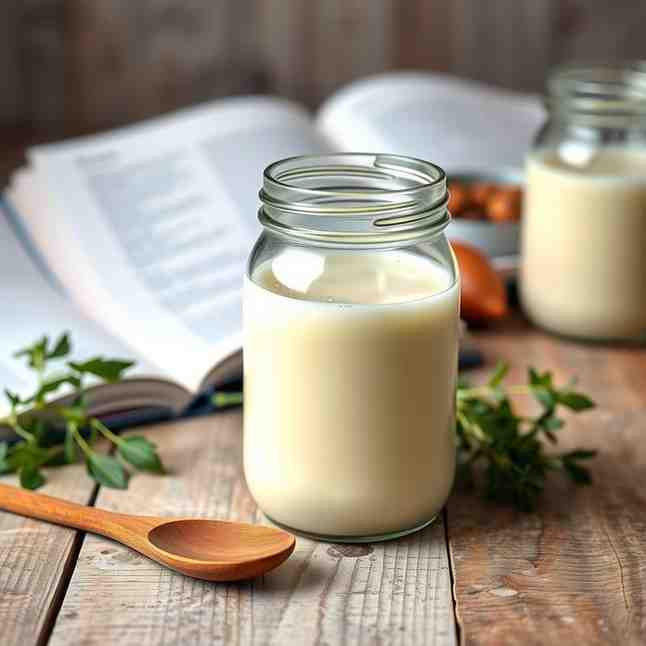
- What “done” looks/smells like: Your milk will be noticeably thicker, tangy, and might have a few small bubbles. It should smell pleasantly yeasty or sour, like yogurt.
- One key warning: Never seal a jar tightly while fermenting! The pressure from the gases can build up.
- Fermented Milk Drinks 101 (Plain-English, US Audience)So, what exactly counts as a fermented milk drink? It's all about the magic of microbes! Fermentation is a natural process where tiny microorganisms (like bacteria and yeast) munch on the sugars in milk (lactose) and turn them into acids, gases, and sometimes even a little bit of alcohol. This transformation gives us that wonderful tangy flavor, thicker texture, and all those beneficial probiotics.
- The 60-Second Comparison: Kefir vs. The Rest
- Culture Source — Milk Kefir: Kefir grains (symbiotic bacteria & yeast); Cultured Buttermilk: Commercial starter culture (e.g., Lactococcus lactis); "DIY Buttermilk Substitute": Acid + milk (lemon juice or vinegar); Kumys (Koumiss): Mare's milk starter culture; Shal/Shubat (Chal): Camel milk starter culture
- Milk Used Traditionally — Milk Kefir: Cow, goat, sheep; Cultured Buttermilk: Cow; DIY Buttermilk Substitute: Cow; Kumys: Mare's milk; Shal/Shubat: Camel milk
- Time & Temperature — Milk Kefir: 24–48 hrs @ room temp (68–75°F / 20–24°C); Cultured Buttermilk: 12–24 hrs @ room temp; DIY Buttermilk Substitute: 5–10 mins (curdling reaction); Kumys: Days to weeks, specific temperatures; Shal/Shubat: Days to weeks, specific temperatures
- Flavor/Texture — Milk Kefir: Tangy, slightly effervescent, creamy; Cultured Buttermilk: Mildly tangy, slightly thick; DIY Buttermilk Substitute: Mildly tangy, thin (clabbered); Kumys: Lightly alcoholic, sour, fizzy; Shal/Shubat: Thick, sour, distinct "camel" flavor
- Typical Alcohol/Carbonation — Milk Kefir: Very low (<1%), light carbonation; Cultured Buttermilk: None; DIY Buttermilk Substitute: None; Kumys: Low (1–2.5%), significant carbonation; Shal/Shubat: Very low to low, mild carbonation
- Best Uses — Milk Kefir: Drinking straight, smoothies, baking, salad dressings; Cultured Buttermilk: Baking, frying batters, dressings; DIY Buttermilk Substitute: Baking (as a leavening agent); Kumys: Traditional drink, cultural significance; Shal/Shubat: Traditional drink, cultural significance
- fermented milk drinks, Kazakhstan offers two fascinating examples:
- Kumys (Koumiss): This is a traditional fermented milk drink made from mare's milk. It has a distinctive tangy, lightly alcoholic, and effervescent profile. Historically, it's a staple for nomadic cultures in Central Asia and is prized for its refreshing qualities and perceived health benefits.
- Shal / Shubat / Chal: This is a similar, but even more unique, fermented milk drink made from camel milk. It's typically thicker and has a very distinct sour flavor that's characteristic of camel milk itself. Like kumys, it's deeply rooted in the culinary traditions of its region.
- Homemade Milk Kefir IngredientsThis is the only full recipe workflow in the entire article, focusing on making your own kefir fermented milk using grains.
- Kefir Grains: These aren't actual grains like wheat or rice, but rather small, cauliflower-like masses of bacteria and yeast. They are a "symbiotic culture of bacteria and yeast" (SCOBY) and are the living starter for your kefir. You'll need about 1-2 tablespoons (15-30g) for a quart of milk.
- Whole Milk: While you can use other types of milk, whole milk is the easiest and most forgiving for beginners. Its fat content helps produce a thicker, creamier kefir and provides ample food for the grains, leading to more robust fermentation.
You may also like


Hey there! I’m just someone who seriously loves good food and believes that cooking doesn’t have to be complicated to be amazing. Whether it’s a quick weeknight dinner or a cozy weekend meal, I’m all about sharing easy, tasty recipes that actually work.