
Easy Sichuan Pork Stir-Fry Recipe - Home Cooked Chinese Dishes
Easy Sichuan Pork Stir-Fry Recipe - Home Cooked Chinese Dishes
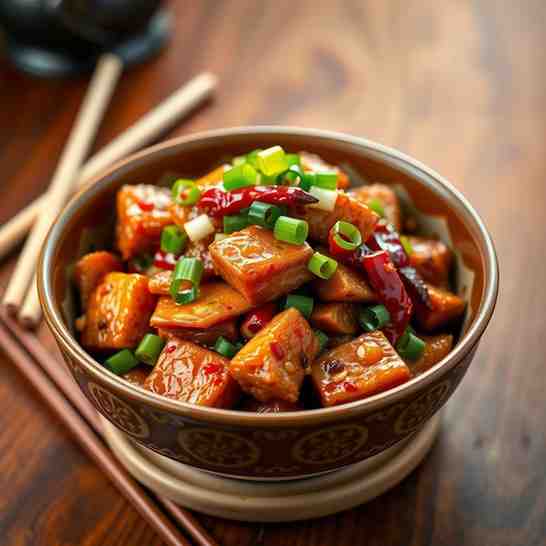
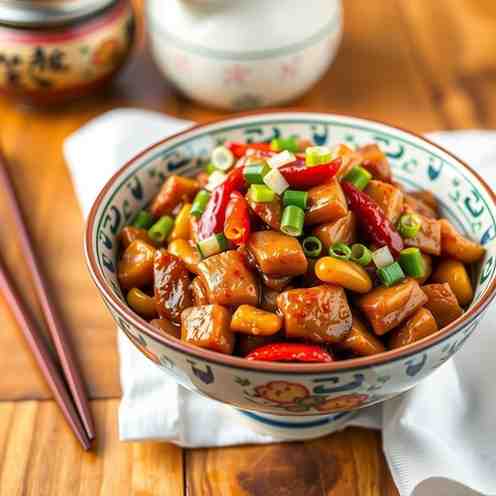
- Serves: 4 People
- Prepare Time: 25 minutes
- Cooking Time: 15 minutes
- Calories: -
- Difficulty: Easy
Ever wished you could whip up those incredible easy Chinese dishes recipes right in your own kitchen? Well, get ready, because you're about to master one of the most beloved: Sichuan Shredded Pork in Spicy Garlic Sauce, or as it's known in China, Yu Xiang Rou Si (鱼香肉丝). This isn't just any pork stir-fry using pork; it’s a vibrant, weeknight-friendly dish that brings the authentic, complex flavors of Sichuan cuisine straight to your table without any fuss.
Imagine this: thinly sliced, ultra-tender pork, stir-fried to perfection with crisp, colorful veggies, all coated in a sensational hot-garlicky, sweet-sour sauce that will make your taste buds sing. If you're looking for an easy Sichuan pork recipe, a truly spicy Chinese pork dish, or simply want to learn how to make pork stir-fry at home that tastes like your favorite takeout, this is it. We’ve designed this recipe to be super accessible, ready in about 30 minutes once your ingredients are prepped, with no deep-frying or fancy restaurant equipment required. It’s perfect for exploring home cooked Chinese recipes with pork and discovering easy meals with pork that pack a punch!
Easy Szechuan Pork Stir-Fry You Can Make at Home
Before we dive in, let’s talk about this dish's intriguing name! Yu Xiang Rou Si (鱼香肉丝) translates to “fish-fragrant shredded pork.” But here’s the cool part: there’s no actual fish in it! The "fish-fragrant" flavor profile comes from a classic Sichuan seasoning mix originally used for cooking fish. It's a magical combination of chili paste, pickled chilies, garlic, ginger, scallions, soy sauce, vinegar, and sugar. Over time, this incredibly delicious sauce spread to other dishes, like pork, eggplant, and tofu, becoming a staple in Sichuan cuisine. In the US, you’ll often find this dish on restaurant menus as "pork with hot garlic sauce" or "spicy garlic pork" – and now you can make it even better at home!
This recipe is designed for success, even if you’re new to cooking a stir fry:
One Pan Wonder: We use just one skillet or wok for everything, and a quick marinade guarantees ultra-tender pork every time.
Classic Flavors, Accessible Ingredients: You get that classic Sichuan sweet-sour-spicy garlic sauce, but we show you how to make it with common US pantry ingredients if you don’t have the full authentic lineup.
Home Stove Friendly: Designed specifically for normal home stoves, with clear notes on how to handle weaker burners or smaller pans.
Spice Level Your Way: Clearly shows how to adjust the spice level from a gentle tingle to pretty fiery, whatever your preference.
Restaurant-Quality Results: Packed with step-by-step cues and troubleshooting tips so your very first attempt tastes absolutely delicious and restaurant-level.
Ingredients
Directions
- Slice and Marinate the Pork First, get your pork ready. Slice the pork tenderloin into thin, matchstick-like strips, about the size of a chopstick or pencil. In a medium bowl, combine the sliced pork with 1 tablespoon light soy sauce, 1 tablespoon Shaoxing wine, 1 tablespoon cornstarch, a pinch of salt, and 1/2 teaspoon sugar. Toss everything together until the pork is evenly coated. Finally, drizzle in 1 tablespoon of neutral oil and mix once more. Let the pork marinate for a minimum of 10–15 minutes while you prep your veggies and sauce. You can also hold it in the fridge for up to a few hours.
- Prep the Vegetables and Mix the Sauce While the pork marinates, julienne your carrots, wood ear mushrooms, and bamboo shoots to a similar size as your pork strips. Mince your garlic and ginger, and slice your scallions, separating the white and green parts. In a small bowl, whisk together all the sauce ingredients: light soy sauce, dark soy sauce (if using), black vinegar, Shaoxing wine, sugar, stock or water, and 1 teaspoon cornstarch. Important: Give this sauce a quick stir again right before you pour it into the pan, as the cornstarch tends to settle at the bottom.
- Sear the Pork Heat your wok or large, heavy skillet (cast iron or stainless steel works great) over high heat until it's very hot – you might see a wisp of smoke. Add 1-2 tablespoons of neutral oil. Once the oil is shimmering, add the marinated pork strips in a single layer. Don't move them for the first 20–30 seconds; this allows them to sear slightly. Then, stir-fry quickly until the pork is just opaque and no longer pink. It should look pale and very tender, not browned hard or crisp. If you have a weaker burner or a smaller pan, cook the pork in 2–3 batches to avoid overcrowding, wiping out any accumulated liquid from the pan between batches. Remove the cooked pork to a clean plate and set aside.
- Build the Hot Garlic Base If your pan looks a little dry after cooking the pork, add another teaspoon of neutral oil. Reduce the heat to medium-high. Add the chili bean paste (doubanjiang) or chili-garlic sauce to the pan and lightly fry it for about 15-20 seconds until it becomes fragrant and the oil takes on a lovely reddish tint. Immediately add the minced garlic, minced ginger, and the white parts of the scallions. Stir-fry for only 10–15 seconds to release their aroma, being careful not to let them burn.
- Stir-Fry the Vegetables Now, add the julienned carrots, wood ear mushrooms, and bamboo shoots (or your chosen substitutes like bell peppers or celery) to the pan. Stir-fry for about 30–60 seconds. We want them to just start softening but still retain a bright, crisp texture – definitely not limp!
- Sauce, Toss, and Finish Return the seared pork (and any juices that have accumulated on the plate) to the pan with the vegetables and aromatics. Toss everything together to combine. Give your pre-mixed sauce one last quick stir, then pour it evenly around the edges of the pan. Stir continuously as the sauce heats up. It will quickly come to a bubble and turn glossy, thickening enough to coat all the ingredients beautifully but still remain fluid. Taste and adjust the seasoning right at the end – you might want a tiny bit more salt, a splash of vinegar for tang, or a pinch of sugar to balance the heat. Finally, stir in the green parts of the scallions for a fresh finish. Serve immediately!
- Stir-Fry Rhythm for Success: Pork out → aromatics & chili paste → veg → pork back in → sauce → quick thicken → serve.
Easy Sichuan Pork Stir-Fry Recipe - Home Cooked Chinese Dishes
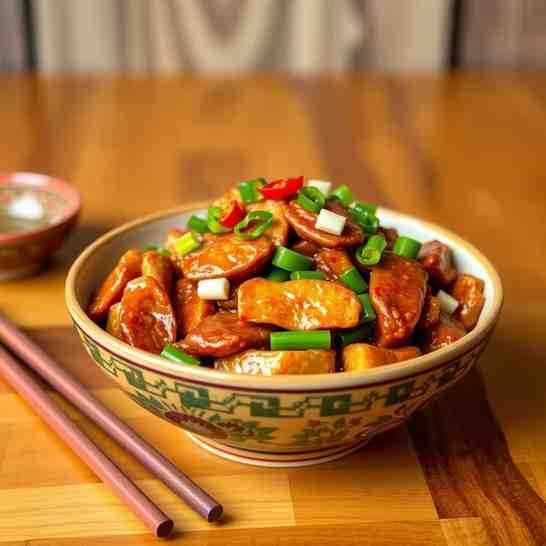
- Serves: 4 People
- Prepare Time: 25 minutes
- Cooking Time: 15 minutes
- Calories: -
- Difficulty: Easy
Ever wished you could whip up those incredible easy Chinese dishes recipes right in your own kitchen? Well, get ready, because you're about to master one of the most beloved: Sichuan Shredded Pork in Spicy Garlic Sauce, or as it's known in China, Yu Xiang Rou Si (鱼香肉丝). This isn't just any pork stir-fry using pork; it’s a vibrant, weeknight-friendly dish that brings the authentic, complex flavors of Sichuan cuisine straight to your table without any fuss.
Imagine this: thinly sliced, ultra-tender pork, stir-fried to perfection with crisp, colorful veggies, all coated in a sensational hot-garlicky, sweet-sour sauce that will make your taste buds sing. If you're looking for an easy Sichuan pork recipe, a truly spicy Chinese pork dish, or simply want to learn how to make pork stir-fry at home that tastes like your favorite takeout, this is it. We’ve designed this recipe to be super accessible, ready in about 30 minutes once your ingredients are prepped, with no deep-frying or fancy restaurant equipment required. It’s perfect for exploring home cooked Chinese recipes with pork and discovering easy meals with pork that pack a punch!
Easy Szechuan Pork Stir-Fry You Can Make at Home
Before we dive in, let’s talk about this dish's intriguing name! Yu Xiang Rou Si (鱼香肉丝) translates to “fish-fragrant shredded pork.” But here’s the cool part: there’s no actual fish in it! The "fish-fragrant" flavor profile comes from a classic Sichuan seasoning mix originally used for cooking fish. It's a magical combination of chili paste, pickled chilies, garlic, ginger, scallions, soy sauce, vinegar, and sugar. Over time, this incredibly delicious sauce spread to other dishes, like pork, eggplant, and tofu, becoming a staple in Sichuan cuisine. In the US, you’ll often find this dish on restaurant menus as "pork with hot garlic sauce" or "spicy garlic pork" – and now you can make it even better at home!
This recipe is designed for success, even if you’re new to cooking a stir fry:
One Pan Wonder: We use just one skillet or wok for everything, and a quick marinade guarantees ultra-tender pork every time.
Classic Flavors, Accessible Ingredients: You get that classic Sichuan sweet-sour-spicy garlic sauce, but we show you how to make it with common US pantry ingredients if you don’t have the full authentic lineup.
Home Stove Friendly: Designed specifically for normal home stoves, with clear notes on how to handle weaker burners or smaller pans.
Spice Level Your Way: Clearly shows how to adjust the spice level from a gentle tingle to pretty fiery, whatever your preference.
Restaurant-Quality Results: Packed with step-by-step cues and troubleshooting tips so your very first attempt tastes absolutely delicious and restaurant-level.
Ingredients
Directions
- Slice and Marinate the Pork First, get your pork ready. Slice the pork tenderloin into thin, matchstick-like strips, about the size of a chopstick or pencil. In a medium bowl, combine the sliced pork with 1 tablespoon light soy sauce, 1 tablespoon Shaoxing wine, 1 tablespoon cornstarch, a pinch of salt, and 1/2 teaspoon sugar. Toss everything together until the pork is evenly coated. Finally, drizzle in 1 tablespoon of neutral oil and mix once more. Let the pork marinate for a minimum of 10–15 minutes while you prep your veggies and sauce. You can also hold it in the fridge for up to a few hours.
- Prep the Vegetables and Mix the Sauce While the pork marinates, julienne your carrots, wood ear mushrooms, and bamboo shoots to a similar size as your pork strips. Mince your garlic and ginger, and slice your scallions, separating the white and green parts. In a small bowl, whisk together all the sauce ingredients: light soy sauce, dark soy sauce (if using), black vinegar, Shaoxing wine, sugar, stock or water, and 1 teaspoon cornstarch. Important: Give this sauce a quick stir again right before you pour it into the pan, as the cornstarch tends to settle at the bottom.
- Sear the Pork Heat your wok or large, heavy skillet (cast iron or stainless steel works great) over high heat until it's very hot – you might see a wisp of smoke. Add 1-2 tablespoons of neutral oil. Once the oil is shimmering, add the marinated pork strips in a single layer. Don't move them for the first 20–30 seconds; this allows them to sear slightly. Then, stir-fry quickly until the pork is just opaque and no longer pink. It should look pale and very tender, not browned hard or crisp. If you have a weaker burner or a smaller pan, cook the pork in 2–3 batches to avoid overcrowding, wiping out any accumulated liquid from the pan between batches. Remove the cooked pork to a clean plate and set aside.
- Build the Hot Garlic Base If your pan looks a little dry after cooking the pork, add another teaspoon of neutral oil. Reduce the heat to medium-high. Add the chili bean paste (doubanjiang) or chili-garlic sauce to the pan and lightly fry it for about 15-20 seconds until it becomes fragrant and the oil takes on a lovely reddish tint. Immediately add the minced garlic, minced ginger, and the white parts of the scallions. Stir-fry for only 10–15 seconds to release their aroma, being careful not to let them burn.
- Stir-Fry the Vegetables Now, add the julienned carrots, wood ear mushrooms, and bamboo shoots (or your chosen substitutes like bell peppers or celery) to the pan. Stir-fry for about 30–60 seconds. We want them to just start softening but still retain a bright, crisp texture – definitely not limp!
- Sauce, Toss, and Finish Return the seared pork (and any juices that have accumulated on the plate) to the pan with the vegetables and aromatics. Toss everything together to combine. Give your pre-mixed sauce one last quick stir, then pour it evenly around the edges of the pan. Stir continuously as the sauce heats up. It will quickly come to a bubble and turn glossy, thickening enough to coat all the ingredients beautifully but still remain fluid. Taste and adjust the seasoning right at the end – you might want a tiny bit more salt, a splash of vinegar for tang, or a pinch of sugar to balance the heat. Finally, stir in the green parts of the scallions for a fresh finish. Serve immediately!
- Stir-Fry Rhythm for Success: Pork out → aromatics & chili paste → veg → pork back in → sauce → quick thicken → serve.
You may also like




Hey there! I’m just someone who seriously loves good food and believes that cooking doesn’t have to be complicated to be amazing. Whether it’s a quick weeknight dinner or a cozy weekend meal, I’m all about sharing easy, tasty recipes that actually work.