Cook Perfect Ackee and Saltfish
Cook Perfect Ackee and Saltfish
- Serves: 4 People
- Prepare Time: 20 minutes
- Cooking Time: 20 minutes
- Calories: -
- Difficulty: Medium
Welcome to the vibrant world of Jamaican cuisine, where flavor reigns supreme and every dish tells a story! Today, we're diving into the heart of the island with ackee and saltfish, Jamaica's beloved national dish. If you're looking to learn how to cook Jamaican ackee and saltfish, you've come to the right place. This isn't just any recipe; it's your definitive, US-friendly guide to preparing this iconic quick and delicious meal right in your own kitchen.
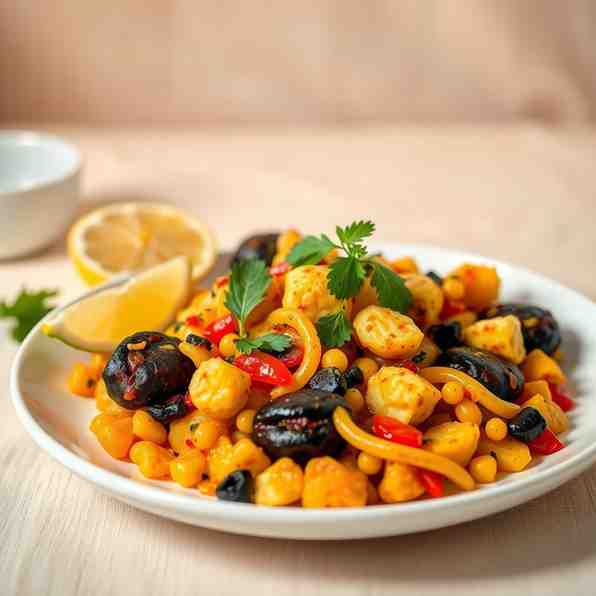
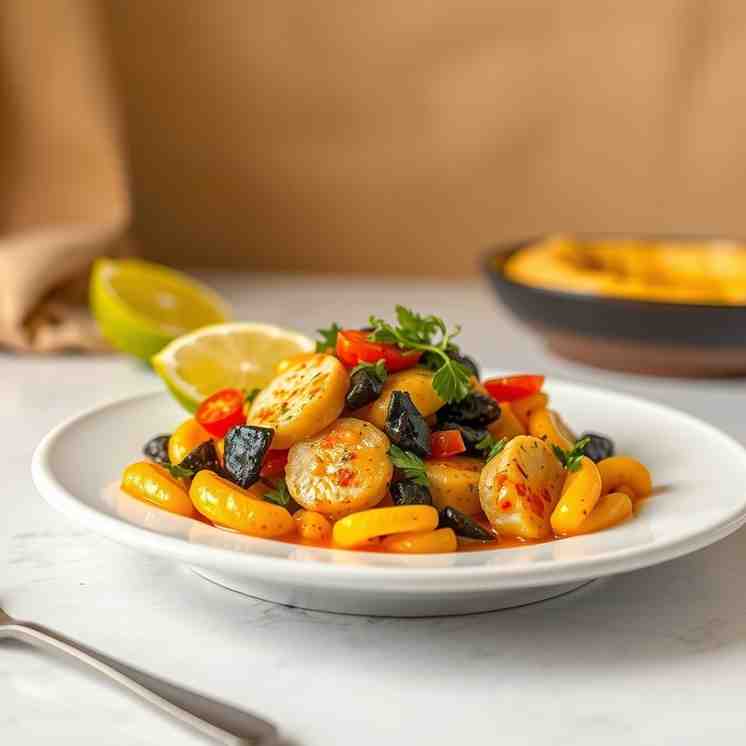
What exactly is ackee and saltfish? Imagine a savory, flaky dish that looks a bit like scrambled eggs but boasts a unique, buttery, and slightly nutty flavor, perfectly balanced with tender, salty cod. It's an easy quick breakfast recipe that captures the very taste of Jamaica.
In this guide, you’ll discover key ingredients for ackee and saltfish, understand important safety basics, get a clear step-by-step method, and find out how to serve it like a true Jamaican for breakfast or brunch. We’ll focus on using readily available canned ackee, making this simple nutritious recipe accessible to everyone.
This classic isn't just a meal; it holds deep cultural significance. Ackee and saltfish is the heartbeat of Jamaican weekend breakfasts and brunches, a cherished tradition passed down through generations. The ackee fruit itself, though originating from West Africa, has been embraced by Jamaica for centuries, becoming an integral part of its culinary identity. So, get ready to bring a piece of the Caribbean to your table and savor this truly special dish!
Ingredients
Directions
- your equipment:
- Large skillet (10-12 inch)
- Medium saucepan
- Colander
- Two forks
- Desalt the Saltfish: This is the most crucial step for perfect ackee and saltfish!
- First, rinse the salted cod under cold running water to remove excess surface salt.
- Place the fish in a bowl, cover it with fresh cold water, and let it soak for at least 1-2 hours, changing the water once or twice if you have time. For a quicker method, you can boil it.
- Transfer the rinsed/soaked fish to a saucepan, cover with fresh water, and bring to a boil. Reduce heat and simmer for 15-20 minutes, or until the fish is tender and easily flakes.
- Drain the fish using a colander. Let it cool slightly, then flake it into small pieces, removing any remaining bones or skin. Taste a small piece – if it's still too salty, boil it again in fresh water for another 10-15 minutes, then drain and flake.
- Build the Flavor Base: Heat the neutral oil in your large skillet over medium heat. Add the sliced onion, bell pepper, and the white parts of the scallions. Sauté for 3-5 minutes until softened and fragrant. Stir in the minced garlic (if using) and fresh thyme sprigs (or dried thyme) and cook for another minute until aromatic. If using Scotch bonnet, add it now (carefully!).
- Add the Saltfish: Add the flaked, desalted cod to the skillet. Toss gently with the sautéed aromatics, allowing the fish to warm through and absorb those delicious flavors for about 3-5 minutes.
- Incorporate the Tomato: If using, add the diced tomato to the skillet. Cook for just 2-3 minutes until it softens slightly. You want it to add a touch of freshness, not make the dish watery.
- Gently Fold in the Ackee: Open the can of ackee and drain it thoroughly. Carefully add the drained ackee to the skillet. Do NOT stir vigorously! Gently fold the ackee into the mixture using a light hand, trying to keep the delicate ackee pieces intact. Warm through on low heat for 3-5 minutes.
- Final Seasoning: Remove the thyme sprigs. Stir in the green parts of the sliced scallions and the freshly ground black pepper.
- Taste the dish before adding any salt. The saltfish should provide most of the seasoning. Only add extra salt if absolutely necessary, a pinch at a time.
- What it should look like:
- The ackee should remain in soft, distinct chunks, resembling scrambled eggs but with a buttery texture.
- The saltfish should be flaky and well-integrated with the colorful aromatics.
- The pan should not be watery; the dish should have a moist, but not soupy, consistency.
Cook Perfect Ackee and Saltfish
- Serves: 4 People
- Prepare Time: 20 minutes
- Cooking Time: 20 minutes
- Calories: -
- Difficulty: Medium
Welcome to the vibrant world of Jamaican cuisine, where flavor reigns supreme and every dish tells a story! Today, we're diving into the heart of the island with ackee and saltfish, Jamaica's beloved national dish. If you're looking to learn how to cook Jamaican ackee and saltfish, you've come to the right place. This isn't just any recipe; it's your definitive, US-friendly guide to preparing this iconic quick and delicious meal right in your own kitchen.
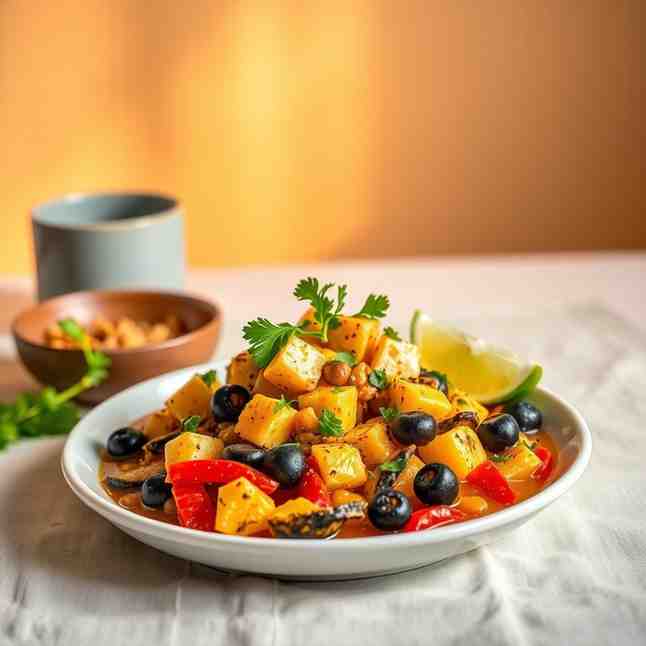
What exactly is ackee and saltfish? Imagine a savory, flaky dish that looks a bit like scrambled eggs but boasts a unique, buttery, and slightly nutty flavor, perfectly balanced with tender, salty cod. It's an easy quick breakfast recipe that captures the very taste of Jamaica.
In this guide, you’ll discover key ingredients for ackee and saltfish, understand important safety basics, get a clear step-by-step method, and find out how to serve it like a true Jamaican for breakfast or brunch. We’ll focus on using readily available canned ackee, making this simple nutritious recipe accessible to everyone.
This classic isn't just a meal; it holds deep cultural significance. Ackee and saltfish is the heartbeat of Jamaican weekend breakfasts and brunches, a cherished tradition passed down through generations. The ackee fruit itself, though originating from West Africa, has been embraced by Jamaica for centuries, becoming an integral part of its culinary identity. So, get ready to bring a piece of the Caribbean to your table and savor this truly special dish!
Ingredients
Directions
- your equipment:
- Large skillet (10-12 inch)
- Medium saucepan
- Colander
- Two forks
- Desalt the Saltfish: This is the most crucial step for perfect ackee and saltfish!
- First, rinse the salted cod under cold running water to remove excess surface salt.
- Place the fish in a bowl, cover it with fresh cold water, and let it soak for at least 1-2 hours, changing the water once or twice if you have time. For a quicker method, you can boil it.
- Transfer the rinsed/soaked fish to a saucepan, cover with fresh water, and bring to a boil. Reduce heat and simmer for 15-20 minutes, or until the fish is tender and easily flakes.
- Drain the fish using a colander. Let it cool slightly, then flake it into small pieces, removing any remaining bones or skin. Taste a small piece – if it's still too salty, boil it again in fresh water for another 10-15 minutes, then drain and flake.
- Build the Flavor Base: Heat the neutral oil in your large skillet over medium heat. Add the sliced onion, bell pepper, and the white parts of the scallions. Sauté for 3-5 minutes until softened and fragrant. Stir in the minced garlic (if using) and fresh thyme sprigs (or dried thyme) and cook for another minute until aromatic. If using Scotch bonnet, add it now (carefully!).
- Add the Saltfish: Add the flaked, desalted cod to the skillet. Toss gently with the sautéed aromatics, allowing the fish to warm through and absorb those delicious flavors for about 3-5 minutes.
- Incorporate the Tomato: If using, add the diced tomato to the skillet. Cook for just 2-3 minutes until it softens slightly. You want it to add a touch of freshness, not make the dish watery.
- Gently Fold in the Ackee: Open the can of ackee and drain it thoroughly. Carefully add the drained ackee to the skillet. Do NOT stir vigorously! Gently fold the ackee into the mixture using a light hand, trying to keep the delicate ackee pieces intact. Warm through on low heat for 3-5 minutes.
- Final Seasoning: Remove the thyme sprigs. Stir in the green parts of the sliced scallions and the freshly ground black pepper.
- Taste the dish before adding any salt. The saltfish should provide most of the seasoning. Only add extra salt if absolutely necessary, a pinch at a time.
- What it should look like:
- The ackee should remain in soft, distinct chunks, resembling scrambled eggs but with a buttery texture.
- The saltfish should be flaky and well-integrated with the colorful aromatics.
- The pan should not be watery; the dish should have a moist, but not soupy, consistency.
You may also like

Hey there! I’m just someone who seriously loves good food and believes that cooking doesn’t have to be complicated to be amazing. Whether it’s a quick weeknight dinner or a cozy weekend meal, I’m all about sharing easy, tasty recipes that actually work.