
Mauritian Achard - Spicy Pickled Vegetables Recipe
Mauritian Achard - Spicy Pickled Vegetables Recipe


- Serves: 6 People
- Prepare Time: 25 minutes
- Cooking Time: 15 minutes
- Calories: -
- Difficulty: Easy
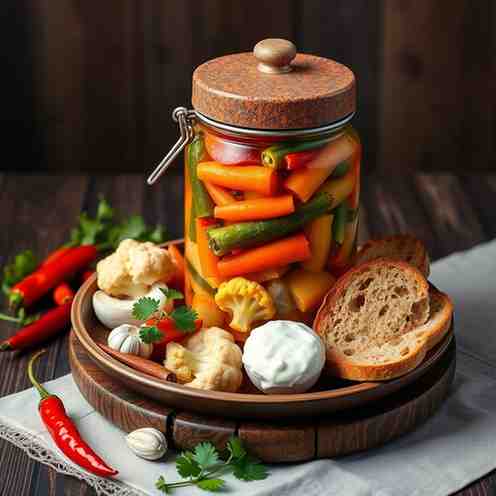
Get ready to awaken your taste buds with Mauritian Achard Légumes (also known as Achard Legumes or Zasar Legim)! This vibrant, crunchy, and spicy pickled vegetables relish is a staple in Mauritian cuisine, celebrated for its incredible texture and tangy kick. Served alongside curries, in sandwiches, or as a bright side dish, Achard adds an irresistible burst of flavor to any meal. If you're looking for an exciting new way to enjoy pickled food and fresh mixed vegetables, you've found your next favorite food recipe!
Ingredients
Directions
- Let's Get Cooking:
- Prep and Cut Vegetables: Wash all your vegetables thoroughly.
- Thinly slice the cabbage.
- Cut carrots into thin matchsticks (about 2 inches long).
- Trim green beans and cut into 1-inch pieces.
- Cut cauliflower into small, bite-sized florets.
- Thinly slice the onion/shallots.
- Exact sizes matter for even cooking and crunch! Aim for uniform pieces.
- Quick Blanch (If Used): Bring a large pot of salted water to a rolling boil. Add the tougher vegetables (carrots, green beans, cauliflower) and blanch for exactly 30-60 seconds.
- Visual Cue: Vegetables should just start to brighten in color but remain firm. This is not meant to cook them through, only to slightly soften and clean.
- Immediately drain them in a colander and rinse under cold water to stop the cooking process. You can optionally blanch cabbage separately for 15-20 seconds if desired, but it's often added raw.
- Dry Vegetables Thoroughly: This is crucial for crunch! Spread all the blanched (and any raw) vegetables in a single layer on clean kitchen towels or a sheet pan. Let them air dry for at least 30 minutes, or gently pat them dry with more towels.
- Clear Dryness Test: Vegetables should feel completely dry to the touch, with no visible moisture. Any excess water will dilute the flavor and compromise crunch.
- Make the Quick Spice Paste/Mix: In a small bowl, combine the minced garlic, grated ginger (if using), ground turmeric, and dried chili flakes (and fenugreek if using). Add 1 tablespoon of the white vinegar to form a thick paste. This helps bloom the spices later.
- Temper Oil + Mustard Seeds: Heat the neutral oil (and mustard oil if using) in a large skillet or wok over medium-high heat. Once the oil is shimmering and hot (you can test by dropping a single mustard seed – it should sizzle immediately), add the mustard seeds (and curry leaves if using).
- Temperature Cues + Timing: Cook until the mustard seeds begin to pop and crackle vigorously, about 30-60 seconds. Be careful not to burn them.
- Bloom Spices Briefly: Reduce the heat to low. Carefully add the spice paste from step 4 to the hot oil. Stir constantly for about 15-30 seconds until fragrant, taking care not to burn the garlic or spices.
- Visual Cue: The paste will darken slightly and become very aromatic.
- Toss Vegetables Off Heat; Season; Adjust Tang/Heat: Remove the skillet from the heat. Add all the thoroughly dried vegetables (blanched and raw) to the skillet with the tempered spices. Toss everything together until the vegetables are evenly coated. Stir in the remaining white vinegar and salt. Taste and adjust for tanginess (add optional lemon/lime juice if desired) and heat (add more chili flakes if needed).
- Exact "Stop Points": Toss just until coated. The residual heat from the oil will slightly warm the vegetables, but they should remain crisp and crunchy. Do NOT cook them further.
- Cool Completely: Transfer the achard to a clean, heatproof bowl or spread it on a clean sheet pan. Allow it to cool completely to room temperature before jarring. This prevents condensation and keeps it crunchy.
- Jar, Top with Oil, Refrigerate: Once cool, transfer the achard to your sterilized glass jar(s). Press down gently to remove air pockets. Pour a thin layer of neutral oil over the top (about ½ inch) to create a seal, which helps preserve freshness and flavor. Seal tightly with the lid and refrigerate.
- Best After Resting: While you can taste it immediately, Achard is best after resting in the refrigerator for at least 24-48 hours. This allows the flavors to meld and deepen beautifully.
Mauritian Achard - Spicy Pickled Vegetables Recipe
- Serves: 6 People
- Prepare Time: 25 minutes
- Cooking Time: 15 minutes
- Calories: -
- Difficulty: Easy
Get ready to awaken your taste buds with Mauritian Achard Légumes (also known as Achard Legumes or Zasar Legim)! This vibrant, crunchy, and spicy pickled vegetables relish is a staple in Mauritian cuisine, celebrated for its incredible texture and tangy kick. Served alongside curries, in sandwiches, or as a bright side dish, Achard adds an irresistible burst of flavor to any meal. If you're looking for an exciting new way to enjoy pickled food and fresh mixed vegetables, you've found your next favorite food recipe!
Ingredients
Directions
- Let's Get Cooking:
- Prep and Cut Vegetables: Wash all your vegetables thoroughly.
- Thinly slice the cabbage.
- Cut carrots into thin matchsticks (about 2 inches long).
- Trim green beans and cut into 1-inch pieces.
- Cut cauliflower into small, bite-sized florets.
- Thinly slice the onion/shallots.
- Exact sizes matter for even cooking and crunch! Aim for uniform pieces.
- Quick Blanch (If Used): Bring a large pot of salted water to a rolling boil. Add the tougher vegetables (carrots, green beans, cauliflower) and blanch for exactly 30-60 seconds.
- Visual Cue: Vegetables should just start to brighten in color but remain firm. This is not meant to cook them through, only to slightly soften and clean.
- Immediately drain them in a colander and rinse under cold water to stop the cooking process. You can optionally blanch cabbage separately for 15-20 seconds if desired, but it's often added raw.
- Dry Vegetables Thoroughly: This is crucial for crunch! Spread all the blanched (and any raw) vegetables in a single layer on clean kitchen towels or a sheet pan. Let them air dry for at least 30 minutes, or gently pat them dry with more towels.
- Clear Dryness Test: Vegetables should feel completely dry to the touch, with no visible moisture. Any excess water will dilute the flavor and compromise crunch.
- Make the Quick Spice Paste/Mix: In a small bowl, combine the minced garlic, grated ginger (if using), ground turmeric, and dried chili flakes (and fenugreek if using). Add 1 tablespoon of the white vinegar to form a thick paste. This helps bloom the spices later.
- Temper Oil + Mustard Seeds: Heat the neutral oil (and mustard oil if using) in a large skillet or wok over medium-high heat. Once the oil is shimmering and hot (you can test by dropping a single mustard seed – it should sizzle immediately), add the mustard seeds (and curry leaves if using).
- Temperature Cues + Timing: Cook until the mustard seeds begin to pop and crackle vigorously, about 30-60 seconds. Be careful not to burn them.
- Bloom Spices Briefly: Reduce the heat to low. Carefully add the spice paste from step 4 to the hot oil. Stir constantly for about 15-30 seconds until fragrant, taking care not to burn the garlic or spices.
- Visual Cue: The paste will darken slightly and become very aromatic.
- Toss Vegetables Off Heat; Season; Adjust Tang/Heat: Remove the skillet from the heat. Add all the thoroughly dried vegetables (blanched and raw) to the skillet with the tempered spices. Toss everything together until the vegetables are evenly coated. Stir in the remaining white vinegar and salt. Taste and adjust for tanginess (add optional lemon/lime juice if desired) and heat (add more chili flakes if needed).
- Exact "Stop Points": Toss just until coated. The residual heat from the oil will slightly warm the vegetables, but they should remain crisp and crunchy. Do NOT cook them further.
- Cool Completely: Transfer the achard to a clean, heatproof bowl or spread it on a clean sheet pan. Allow it to cool completely to room temperature before jarring. This prevents condensation and keeps it crunchy.
- Jar, Top with Oil, Refrigerate: Once cool, transfer the achard to your sterilized glass jar(s). Press down gently to remove air pockets. Pour a thin layer of neutral oil over the top (about ½ inch) to create a seal, which helps preserve freshness and flavor. Seal tightly with the lid and refrigerate.
- Best After Resting: While you can taste it immediately, Achard is best after resting in the refrigerator for at least 24-48 hours. This allows the flavors to meld and deepen beautifully.
You may also like


Hey there! I’m just someone who seriously loves good food and believes that cooking doesn’t have to be complicated to be amazing. Whether it’s a quick weeknight dinner or a cozy weekend meal, I’m all about sharing easy, tasty recipes that actually work.