
Bisi Bele Bhath - South Indian Vegetable Dish
Bisi Bele Bhath - South Indian Vegetable Dish
- Serves: 4 People
- Prepare Time: 20 minutes
- Cooking Time: 45 minutes
- Calories: -
- Difficulty: Medium
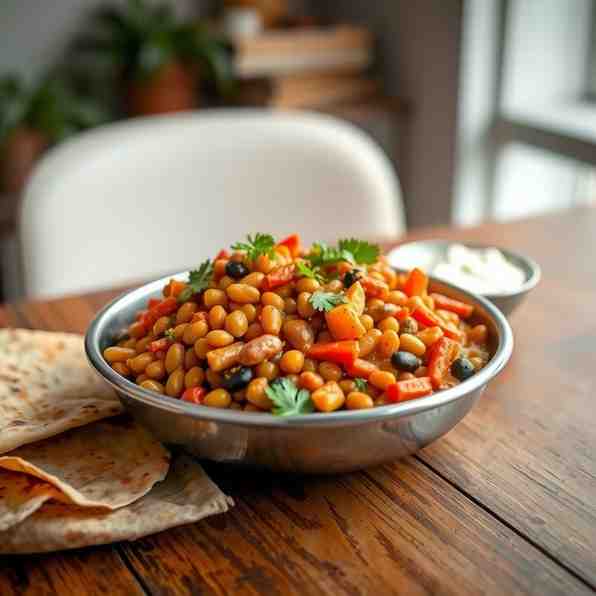
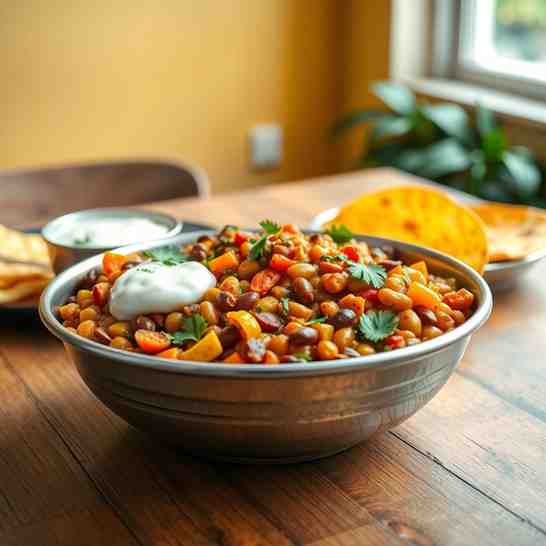
There's nothing quite like a warm, comforting bowl of Bisi Bele Bhath to make you feel right at home. This traditional South Indian dish, hailing from Karnataka, translates to "hot lentil rice" – and it delivers exactly that: a beautifully savory, tangy, and subtly sweet vegetable Indian dish that’s deeply satisfying. If you're looking to explore South Indian cuisine, master a truly gluten-free rice dish, or find easy lunch box recipes that are both nutritious and delicious, you've come to the right place. We'll walk you through this authentic recipe, explaining the traditional spices that give it its signature flavor, making it perfect for cooking for beginners recipes and experienced cooks alike.
At its heart, Bisi Bele Bhath is a wonderfully flavorful dish where rice and lentils are cooked together with a medley of vegetables and a special blend of spices. It's known for its unique balance of savory, tangy notes from tamarind, a touch of sweetness from jaggery, and a delightful warmth from aromatic spices. Unlike a fluffy pilaf, Bisi Bele Bhath has a gooey, scoopable texture that's incredibly comforting. This beloved dish is a staple from Karnataka in South India, cherished for its wholesome goodness.
What sets an authentic Bisi Bele Bhath apart? It’s all about the details that create its signature flavor and texture:
Toor Dal Base: We use toor dal (split pigeon peas) which cooks down to a creamy, mashable consistency, forming the backbone of the dish.
Tamarind for Tang: The distinct tanginess comes from tamarind, balancing the other flavors without being overly sweet.
Bisi Bele Bhath Powder: This unique spice blend is non-negotiable for that truly authentic, complex flavor.
Curry Leaves & Mustard Seed Tempering: A final "tadka" or tempering with these ingredients adds an essential pop of aroma and flavor.
Gooey, Scoopable Texture: The final dish isn't meant to be dry or fluffy; it should be moist, rich, and easy to scoop, perfect for enjoying as a hearty meal.
Ingredients
Directions
- Rinse & Soak (Optional): Rinse the rice and toor dal separately under cold running water until the water runs clear. If you have time, soak the toor dal for 20-30 minutes; this helps it cook faster and more evenly.
- Cook the Dal: In a large pot or Dutch oven, combine the rinsed (and optionally soaked) toor dal with 2 cups of water and a pinch of turmeric. Bring to a boil, then reduce heat, cover, and simmer for 15-20 minutes, or until the dal is soft and mashable. It should be creamy, not firm.
- Cook the Rice: While the dal cooks, in a separate pot, cook the rinsed rice with 2 cups of water and a pinch of salt. Bring to a boil, then reduce heat, cover, and simmer for 10-12 minutes, or until the rice is tender and soft, but not mushy. It should be cooked through, not crunchy.
- Cook the Vegetables: In the same pot as the dal (once removed), or a separate pan, add 1 tablespoon of ghee or oil. Add the chopped carrots and potatoes and sauté for 5 minutes. Then add the green beans and peas, cooking for another 3-5 minutes until tender-crisp. They should be cooked but still hold their shape.
- Build the Flavor Base: To the pot with the cooked vegetables, add the Bisi Bele Bhath powder, dried red chilies (if using), and hing. Sauté for 1-2 minutes until fragrant, allowing the spices to "bloom." Stir in the tamarind concentrate and grated jaggery (or brown sugar). Start with smaller amounts and adjust later.
- Combine & Simmer: Add the cooked dal and cooked rice to the vegetable and spice mixture. Gently mix everything together. Add 2-3 cups of hot water, stirring well to combine. The consistency should be loose and soupy at this stage. Bring the mixture to a gentle simmer, cover, and cook for 10-15 minutes, stirring occasionally, until the flavors meld and the dish thickens to a gooey, scoopable consistency. Add more hot water if it becomes too thick.
- Finish with Tempering (Tadka): In a small skillet, heat 1 tablespoon of ghee or oil over medium heat. Once hot, add ½ teaspoon of mustard seeds. Let them splutter and pop (this is crucial for flavor!). Then add the curry leaves; they will crackle and become fragrant. If using, add the cashews and toast until golden brown. Immediately pour this hot tempering over the Bisi Bele Bhath in the main pot.
- Taste & Adjust: Give the Bisi Bele Bhath a final gentle stir. Taste and adjust for salt, tanginess (add more tamarind), sweetness (add more jaggery), or heat. If it’s too thick, stir in a splash more hot water.
Bisi Bele Bhath - South Indian Vegetable Dish
- Serves: 4 People
- Prepare Time: 20 minutes
- Cooking Time: 45 minutes
- Calories: -
- Difficulty: Medium
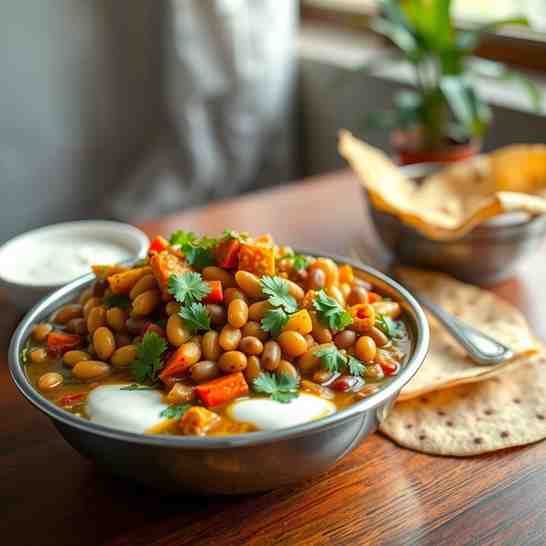
There's nothing quite like a warm, comforting bowl of Bisi Bele Bhath to make you feel right at home. This traditional South Indian dish, hailing from Karnataka, translates to "hot lentil rice" – and it delivers exactly that: a beautifully savory, tangy, and subtly sweet vegetable Indian dish that’s deeply satisfying. If you're looking to explore South Indian cuisine, master a truly gluten-free rice dish, or find easy lunch box recipes that are both nutritious and delicious, you've come to the right place. We'll walk you through this authentic recipe, explaining the traditional spices that give it its signature flavor, making it perfect for cooking for beginners recipes and experienced cooks alike.
At its heart, Bisi Bele Bhath is a wonderfully flavorful dish where rice and lentils are cooked together with a medley of vegetables and a special blend of spices. It's known for its unique balance of savory, tangy notes from tamarind, a touch of sweetness from jaggery, and a delightful warmth from aromatic spices. Unlike a fluffy pilaf, Bisi Bele Bhath has a gooey, scoopable texture that's incredibly comforting. This beloved dish is a staple from Karnataka in South India, cherished for its wholesome goodness.
What sets an authentic Bisi Bele Bhath apart? It’s all about the details that create its signature flavor and texture:
Toor Dal Base: We use toor dal (split pigeon peas) which cooks down to a creamy, mashable consistency, forming the backbone of the dish.
Tamarind for Tang: The distinct tanginess comes from tamarind, balancing the other flavors without being overly sweet.
Bisi Bele Bhath Powder: This unique spice blend is non-negotiable for that truly authentic, complex flavor.
Curry Leaves & Mustard Seed Tempering: A final "tadka" or tempering with these ingredients adds an essential pop of aroma and flavor.
Gooey, Scoopable Texture: The final dish isn't meant to be dry or fluffy; it should be moist, rich, and easy to scoop, perfect for enjoying as a hearty meal.
Ingredients
Directions
- Rinse & Soak (Optional): Rinse the rice and toor dal separately under cold running water until the water runs clear. If you have time, soak the toor dal for 20-30 minutes; this helps it cook faster and more evenly.
- Cook the Dal: In a large pot or Dutch oven, combine the rinsed (and optionally soaked) toor dal with 2 cups of water and a pinch of turmeric. Bring to a boil, then reduce heat, cover, and simmer for 15-20 minutes, or until the dal is soft and mashable. It should be creamy, not firm.
- Cook the Rice: While the dal cooks, in a separate pot, cook the rinsed rice with 2 cups of water and a pinch of salt. Bring to a boil, then reduce heat, cover, and simmer for 10-12 minutes, or until the rice is tender and soft, but not mushy. It should be cooked through, not crunchy.
- Cook the Vegetables: In the same pot as the dal (once removed), or a separate pan, add 1 tablespoon of ghee or oil. Add the chopped carrots and potatoes and sauté for 5 minutes. Then add the green beans and peas, cooking for another 3-5 minutes until tender-crisp. They should be cooked but still hold their shape.
- Build the Flavor Base: To the pot with the cooked vegetables, add the Bisi Bele Bhath powder, dried red chilies (if using), and hing. Sauté for 1-2 minutes until fragrant, allowing the spices to "bloom." Stir in the tamarind concentrate and grated jaggery (or brown sugar). Start with smaller amounts and adjust later.
- Combine & Simmer: Add the cooked dal and cooked rice to the vegetable and spice mixture. Gently mix everything together. Add 2-3 cups of hot water, stirring well to combine. The consistency should be loose and soupy at this stage. Bring the mixture to a gentle simmer, cover, and cook for 10-15 minutes, stirring occasionally, until the flavors meld and the dish thickens to a gooey, scoopable consistency. Add more hot water if it becomes too thick.
- Finish with Tempering (Tadka): In a small skillet, heat 1 tablespoon of ghee or oil over medium heat. Once hot, add ½ teaspoon of mustard seeds. Let them splutter and pop (this is crucial for flavor!). Then add the curry leaves; they will crackle and become fragrant. If using, add the cashews and toast until golden brown. Immediately pour this hot tempering over the Bisi Bele Bhath in the main pot.
- Taste & Adjust: Give the Bisi Bele Bhath a final gentle stir. Taste and adjust for salt, tanginess (add more tamarind), sweetness (add more jaggery), or heat. If it’s too thick, stir in a splash more hot water.
You may also like



Hey there! I’m just someone who seriously loves good food and believes that cooking doesn’t have to be complicated to be amazing. Whether it’s a quick weeknight dinner or a cozy weekend meal, I’m all about sharing easy, tasty recipes that actually work.