
Aveluk Soup Armenian Dried Sorrel
Aveluk Soup Armenian Dried Sorrel

- Serves: 6 People
- Prepare Time: 25 minutes
- Cooking Time: 55 minutes
- Calories: -
- Difficulty: Medium
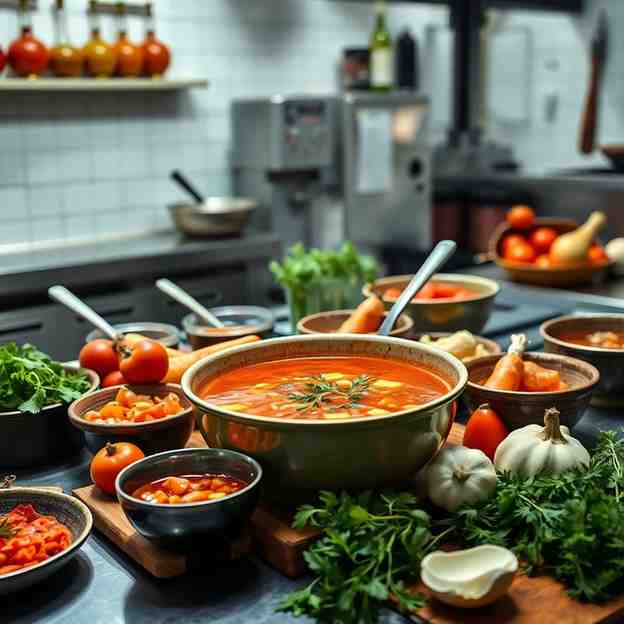
Welcome to the wonderful world of Aveluk Soup! If you're looking for a hearty, flavorful, and unique dish, you've come to the right place. This traditional Armenian dried wild sorrel soup is a true delight, combining earthy lentils and chickpeas with the distinctive tangy, slightly sour kick of aveluk. It's a cozy, nourishing meal that's perfect for chilly evenings or whenever you crave something truly special. Plus, it's a fantastic vegetarian vegetable soup that can easily be made into a vegan vegetable soup by using vegetable broth and olive oil. Packed with fiber and plant-based goodness, it’s even a delicious vegetable soup for weight loss.
Here’s why you’ll absolutely fall in love with this Aveluk Soup:
Deep, Sour-Herby Flavor: The star of the show, dried wild sorrel (aveluk), brings an unparalleled tangy, earthy depth that's unlike anything else.
High-Fiber, Plant-Forward Meal: With lentils, chickpeas, and potatoes, this soup is incredibly satisfying and loaded with beneficial fiber.
Pantry-Friendly with a Special Twist: Most ingredients are kitchen staples, with aveluk being your exciting, special Armenian addition.
Make-Ahead & Freezer-Friendly: It tastes even better the next day and freezes beautifully, making it perfect for meal prep.
Ready to dive into the rich flavors of Armenian cuisine? Let's get cooking!
Ingredients
Directions
- How to Prepare Dried Aveluk (Before It Goes in the Pot) Preparing dried aveluk properly is key to achieving the right texture and preventing bitterness. Don't skip these steps!
- Cut the Braid: Using kitchen scissors, snip the dried aveluk braids or chunks into short 1–2-inch pieces. This makes them easier to handle and ensures they cook evenly.
- Rinse & Hot Soak / Pre-Boil: Place the cut aveluk in a colander and rinse it quickly under cold water to remove any dust or debris. Then, you have two options:
- Hot Soak: Transfer the rinsed aveluk to a bowl and pour very hot (just off the boil) water over it. Let it soak for 15–20 minutes.
- Brief Simmer: Alternatively, place the rinsed aveluk in a small pot, cover with cold water, bring to a boil, and simmer for about 10–15 minutes. This is especially good if you're concerned about bitterness.
- Drain & Squeeze: Whichever method you chose, drain the aveluk thoroughly in a colander. Once cool enough to handle, firmly squeeze out as much excess water as possible. This prevents it from diluting your soup's flavor.
- Roughly Chop (Optional): If the strands still feel quite long or stringy after squeezing, give them another rough chop with your knife or scissors for a better, more spoon-friendly bite. Set aside.
- Part 2: Making the Aveluk Soup Now that your aveluk is ready, let's make the soup! We'll start by sweating aromatics, then simmer the lentils and potatoes, and finally add the prepared aveluk to blend all those wonderful flavors.
Start the Base: Heat the olive oil (or butter/mix) in a large pot or Dutch oven over medium heat. Add the chopped onion and cook, stirring occasionally, until it's soft and translucent, about 5-7 minutes. Add the minced garlic and optional red pepper flakes, cooking for another minute until fragrant. Be careful not to burn the garlic.
Build the Broth: Stir in the tomato paste (or passata/crushed tomatoes) and cook for 1-2 minutes, stirring constantly, to deepen its flavor. Pour in the vegetable broth for soup (or chicken stock), scraping up any browned bits from the bottom of the pot. Bring the liquid to a gentle boil, then reduce the heat to a simmer.
Add Lentils, Chickpeas, and Potatoes: Add the rinsed lentils, cooked chickpeas, and diced potatoes to the pot. Stir well. Continue to simmer, partially covered, for 25-30 minutes, or until the lentils and potatoes are almost tender.
Add Prepared Aveluk: Stir in the prepared, drained, and chopped aveluk. Simmer for another 10-15 minutes, or until the greens are fully softened and the flavors have melded beautifully.
Adjust Texture: For a slightly thicker, creamier soup without fully pureeing, use the back of a spoon to lightly mash some of the potatoes and lentils against the side of the pot. Alternatively, give a few quick pulses with an immersion blender directly in the pot, being careful not to over-blend and completely pulverize the aveluk, which should retain some texture.
Finish & Season: Remove the pot from the heat. Stir in the chopped walnuts (if using), fresh cilantro, and parsley. Add 1 tablespoon of vinegar or lemon juice, then taste. Add more if you prefer a tangier soup. Season generously with salt and freshly ground black pepper to your liking.
Taste, Rest & Serve: The soup often tastes even better after sitting for 10-15 minutes, allowing the flavors to deepen. Serve warm, perhaps with a drizzle of good olive oil, a sprinkle of extra chopped walnuts, and a side of crusty bread or lavash. Enjoy your authentic Aveluk Soup!
Aveluk Soup Armenian Dried Sorrel
- Serves: 6 People
- Prepare Time: 25 minutes
- Cooking Time: 55 minutes
- Calories: -
- Difficulty: Medium
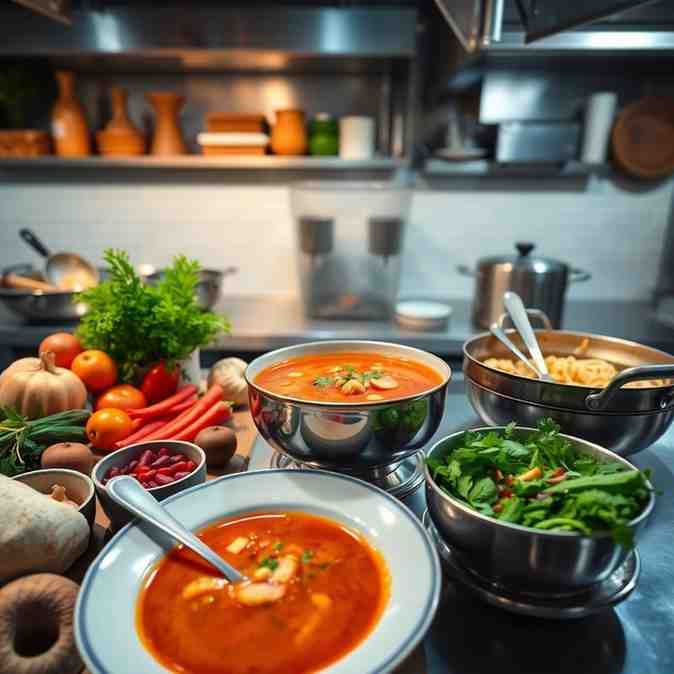
Welcome to the wonderful world of Aveluk Soup! If you're looking for a hearty, flavorful, and unique dish, you've come to the right place. This traditional Armenian dried wild sorrel soup is a true delight, combining earthy lentils and chickpeas with the distinctive tangy, slightly sour kick of aveluk. It's a cozy, nourishing meal that's perfect for chilly evenings or whenever you crave something truly special. Plus, it's a fantastic vegetarian vegetable soup that can easily be made into a vegan vegetable soup by using vegetable broth and olive oil. Packed with fiber and plant-based goodness, it’s even a delicious vegetable soup for weight loss.
Here’s why you’ll absolutely fall in love with this Aveluk Soup:
Deep, Sour-Herby Flavor: The star of the show, dried wild sorrel (aveluk), brings an unparalleled tangy, earthy depth that's unlike anything else.
High-Fiber, Plant-Forward Meal: With lentils, chickpeas, and potatoes, this soup is incredibly satisfying and loaded with beneficial fiber.
Pantry-Friendly with a Special Twist: Most ingredients are kitchen staples, with aveluk being your exciting, special Armenian addition.
Make-Ahead & Freezer-Friendly: It tastes even better the next day and freezes beautifully, making it perfect for meal prep.
Ready to dive into the rich flavors of Armenian cuisine? Let's get cooking!
Ingredients
Directions
- How to Prepare Dried Aveluk (Before It Goes in the Pot) Preparing dried aveluk properly is key to achieving the right texture and preventing bitterness. Don't skip these steps!
- Cut the Braid: Using kitchen scissors, snip the dried aveluk braids or chunks into short 1–2-inch pieces. This makes them easier to handle and ensures they cook evenly.
- Rinse & Hot Soak / Pre-Boil: Place the cut aveluk in a colander and rinse it quickly under cold water to remove any dust or debris. Then, you have two options:
- Hot Soak: Transfer the rinsed aveluk to a bowl and pour very hot (just off the boil) water over it. Let it soak for 15–20 minutes.
- Brief Simmer: Alternatively, place the rinsed aveluk in a small pot, cover with cold water, bring to a boil, and simmer for about 10–15 minutes. This is especially good if you're concerned about bitterness.
- Drain & Squeeze: Whichever method you chose, drain the aveluk thoroughly in a colander. Once cool enough to handle, firmly squeeze out as much excess water as possible. This prevents it from diluting your soup's flavor.
- Roughly Chop (Optional): If the strands still feel quite long or stringy after squeezing, give them another rough chop with your knife or scissors for a better, more spoon-friendly bite. Set aside.
- Part 2: Making the Aveluk Soup Now that your aveluk is ready, let's make the soup! We'll start by sweating aromatics, then simmer the lentils and potatoes, and finally add the prepared aveluk to blend all those wonderful flavors.
Start the Base: Heat the olive oil (or butter/mix) in a large pot or Dutch oven over medium heat. Add the chopped onion and cook, stirring occasionally, until it's soft and translucent, about 5-7 minutes. Add the minced garlic and optional red pepper flakes, cooking for another minute until fragrant. Be careful not to burn the garlic.
Build the Broth: Stir in the tomato paste (or passata/crushed tomatoes) and cook for 1-2 minutes, stirring constantly, to deepen its flavor. Pour in the vegetable broth for soup (or chicken stock), scraping up any browned bits from the bottom of the pot. Bring the liquid to a gentle boil, then reduce the heat to a simmer.
Add Lentils, Chickpeas, and Potatoes: Add the rinsed lentils, cooked chickpeas, and diced potatoes to the pot. Stir well. Continue to simmer, partially covered, for 25-30 minutes, or until the lentils and potatoes are almost tender.
Add Prepared Aveluk: Stir in the prepared, drained, and chopped aveluk. Simmer for another 10-15 minutes, or until the greens are fully softened and the flavors have melded beautifully.
Adjust Texture: For a slightly thicker, creamier soup without fully pureeing, use the back of a spoon to lightly mash some of the potatoes and lentils against the side of the pot. Alternatively, give a few quick pulses with an immersion blender directly in the pot, being careful not to over-blend and completely pulverize the aveluk, which should retain some texture.
Finish & Season: Remove the pot from the heat. Stir in the chopped walnuts (if using), fresh cilantro, and parsley. Add 1 tablespoon of vinegar or lemon juice, then taste. Add more if you prefer a tangier soup. Season generously with salt and freshly ground black pepper to your liking.
Taste, Rest & Serve: The soup often tastes even better after sitting for 10-15 minutes, allowing the flavors to deepen. Serve warm, perhaps with a drizzle of good olive oil, a sprinkle of extra chopped walnuts, and a side of crusty bread or lavash. Enjoy your authentic Aveluk Soup!
The following nutritional values are per serving (one piece of cake) Calories ~250-300 kcal Carbohydrates ~40-45g Protein ~12-15g Fat ~7-10g Time-Saving Tools & Ingredients Sometimes, you just need a little help in the kitchen to get dinner on the table faster. While Aveluk Soup is a labor of love, a few smart tools and ingredient choices can shave off precious minutes without compromising on flavor. Problem: Chopping all those onions, garlic, and potatoes can feel like a chore, especially if your knife is dull or unwieldy. Problem: Achieving that perfect, slightly thickened soup consistency often means carefully transferring hot soup to a regular blender, which can be messy and dangerous. Problem: The initial sautéing of onions and garlic is crucial for flavor, but the chopping can be time-consuming, especially for busy weeknights. Problem: While dried chickpeas are economical, they require overnight soaking and extended cooking times, which isn't always feasible. Click any ingredient for detailed nutritional information:Recipe Nutritional Values
Additional Information
Recipe Success Tips
Ingredient Substitutions & Variations
Make-Ahead & Storage Instructions
Cooking Tips & Troubleshooting
Frequently Asked Questions
Recommended Kitchen Tools
A Good Quality Chef's Knife
Agitate: Slow, inefficient chopping not only eats into your prep time but can also be unsafe, increasing the risk of slips and cuts.
Solution: Investing in a sharp, comfortable chef's knife makes quick work of all your vegetable prep, turning a dreaded task into a satisfying one.Immersion Blender (Hand Blender)
Agitate: Hot liquid spills are no fun, and an over-blended soup loses its delightful chunky texture, especially when you want to keep those greens intact.
Solution: An immersion blender lets you thicken your soup right in the pot, giving you precise control over the texture with minimal fuss and cleanup. Just a few quick pulses are all you need!Pre-Chopped Aromatics (Onions & Garlic)
Agitate: Skipping or rushing this step compromises the foundational flavors of your soup, leaving it less rich and aromatic.
Solution: Grab a container of pre-chopped onions and minced garlic from your grocery store's produce section. It's a fantastic shortcut that gets you to the simmering stage much faster.Canned Chickpeas (Instead of Dried)
Agitate: Forgetting to soak chickpeas can derail your entire meal plan, forcing you to choose another recipe or wait hours longer.
Solution: Canned chickpeas are a fantastic time-saver! Just rinse them thoroughly before adding them to the soup, and they’ll be ready to go in minutes, adding that creamy texture and protein without the wait.Calories per Ingredient
Resources & References
You may also like

.jpg)


Hey there! I’m just someone who seriously loves good food and believes that cooking doesn’t have to be complicated to be amazing. Whether it’s a quick weeknight dinner or a cozy weekend meal, I’m all about sharing easy, tasty recipes that actually work.