Bahamian Chicken Souse Quick & Easy Chicken Recipe
Bahamian Chicken Souse Quick & Easy Chicken Recipe
- Serves: 6 People
- Prepare Time: 20 minutes
- Cooking Time: 45 minutes
- Calories: -
- Difficulty: Easy
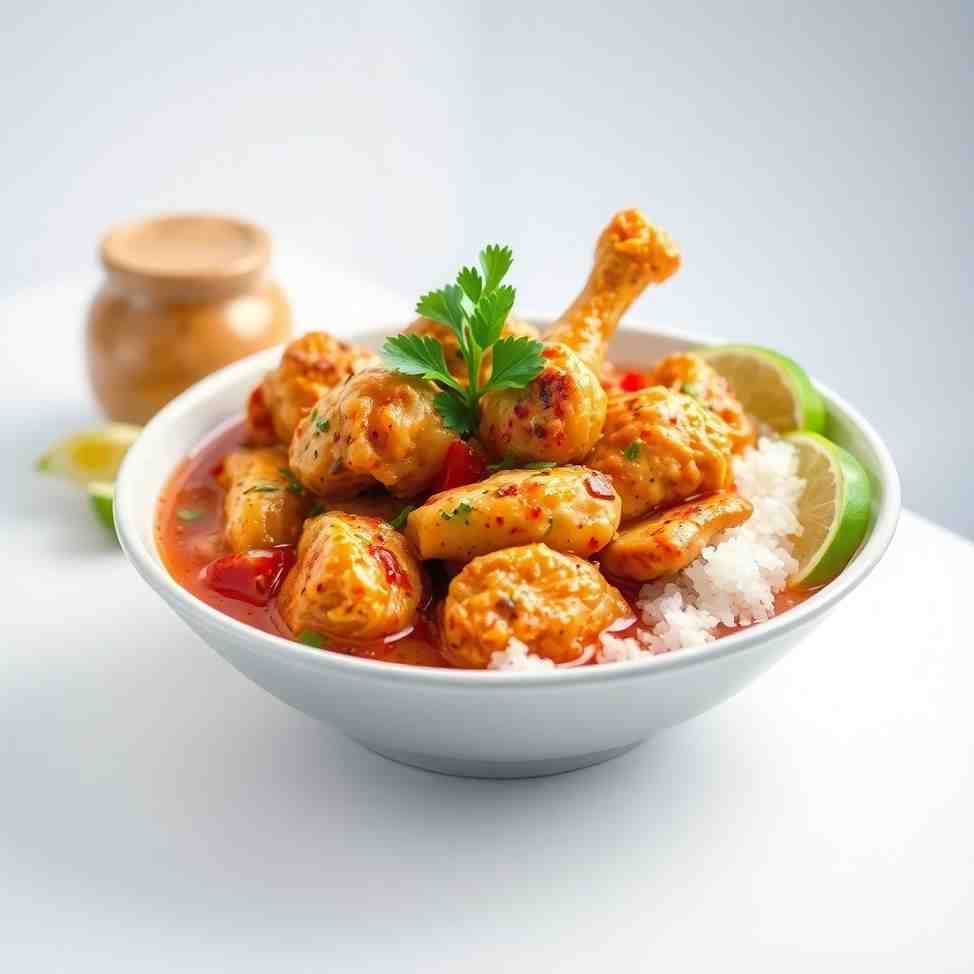
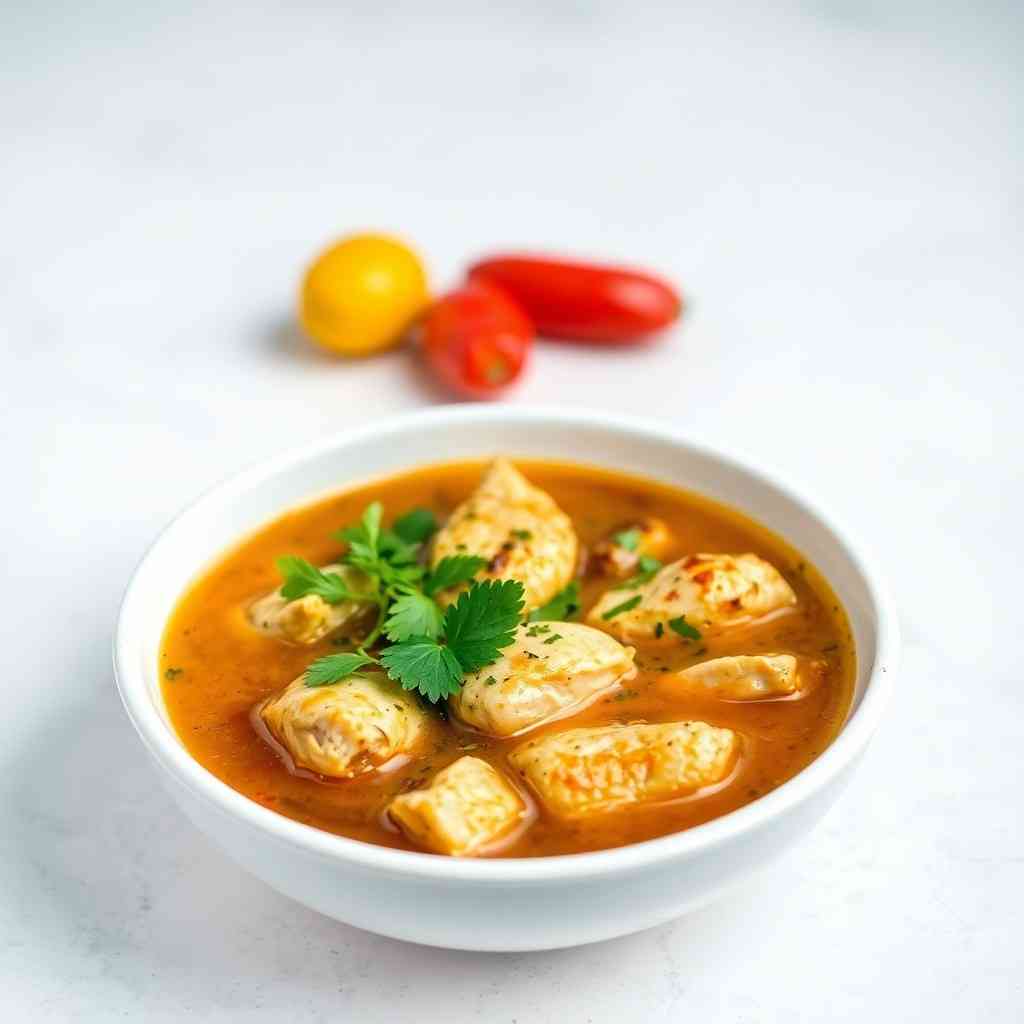
Welcome to a truly special taste of the Caribbean – Bahamian Chicken Souse! If you're looking for quick chicken recipes that are bursting with flavor, comforting, and surprisingly easy to make, you'll absolutely love this tangy, aromatic soup. Forget bland dinners; this recipe transforms simple chicken pieces and everyday veggies into a vibrant dish that's perfect for any occasion, from a cozy weeknight meal to a lively weekend gathering.
What exactly is Bahamian Chicken Souse? At its heart, it's a clear, zesty chicken soup or stew, distinctively flavored with fresh lime, warm allspice, and a gentle kick of chili. Unlike some other Caribbean "souses" (like the Trinidadian or Eastern Caribbean chicken foot souse, which is more of a sharp brine with chicken feet), the Bahamian version focuses on tender, bone-in chicken pieces swimming in a bright, savory broth. It's a true island comfort food, often enjoyed on weekends, after a party, or whenever you need a bowl of pure deliciousness. Locals love it with a good balance of spicy and sour, but don't worry – we'll show you how to tailor it to your taste!
In this guide, you'll learn everything you need to create a definitive Bahamian chicken souse from scratch. We'll walk you through:
A clear, step-by-step recipe using flavorful bone-in chicken pieces.
Secrets to achieving that signature bright, limey broth without mushy vegetables.
Simple adjustments for heat, tartness, and portion sizes.
Why does this Bahamian Chicken Souse recipe work so well? We build flavor in layers, from marinating the chicken to sautéing aromatics before a slow, gentle simmer. We use traditional Bahamian flavors like lime, allspice, and hot pepper, but also offer easy-to-find US-friendly substitutions. Plus, our tested instructions include helpful doneness cues and troubleshooting tips, so even beginners can confidently whip up this incredible easy chicken meal. Get ready to enjoy one of the most delicious seasoned chicken recipes you'll ever try!
Ingredients
Directions
- Prep & Season the Chicken First, let's get your chicken ready. Trim any excess skin or visible fat from your chicken wings or pieces. Give them a good rinse under cold water, then pat them thoroughly dry with paper towels. You can also do an optional quick blanch by boiling them for 5 minutes, then rinsing to remove extra scum for a clearer broth. In a large bowl, toss the chicken with 1 tablespoon of fresh lime juice, 1 teaspoon of salt, and ½ teaspoon of ground allspice. Let it sit and marinate while you prepare your other ingredients. The chicken should look glossy and lightly coated with the seasonings. This is a great pre cook chicken step that infuses flavor!
- Prep the Vegetables Now for the veggies! Peel and dice your potatoes into even 1-inch chunks. This size is ideal to ensure they cook through without falling apart. Slice your onion, chop the carrots and celery, and mince the garlic. If you're using bell pepper, dice that too. Decide on your hot pepper strategy: leave it whole for gentle heat, slice it for more spice, or remove the seeds and membranes if you like it really hot.
- Build the Flavor Base Grab a large pot or Dutch oven and heat a tablespoon of neutral oil (like vegetable or canola) over medium heat. Add your diced onions, minced garlic, and bell pepper (if using). Sauté them until they soften and turn lightly golden, about 5-7 minutes. This step is crucial for building a rich flavor base. Next, stir in the whole allspice berries (or ground allspice), fresh thyme sprigs, and bay leaves. Cook for another minute, stirring constantly, until the spices become fragrant. Your kitchen should smell amazing right about now!
- Simmer the Chicken and Vegetables Add your marinated chicken pieces to the pot and stir them around to coat them in all those lovely aromatics. Next, add the diced potatoes, carrots, and celery. Pour in 6-8 cups of water or low-sodium chicken stock, along with about half of the remaining fresh lime juice (¼ cup). Bring the pot up to a gentle boil. As it heats, you might see some foam rise to the surface; use a spoon to skim this off to help keep your broth clear. Once it's boiling, reduce the heat to a low simmer, cover the pot, and let it cook until the chicken is cooked through and the potatoes are tender. This usually takes about 30-40 minutes. You'll know the chicken is ready when the meat easily pulls away from the bone, and the potatoes are easy to pierce with a fork but still hold their shape – not mushy! This is one of the best pot chicken recipes you'll find!
- Finish with Lime & Heat Once the chicken and vegetables are tender, it's time for the final flavor adjustments. Stir in the remaining fresh lime juice (the other ¼ cup) and add your whole or sliced Scotch bonnet pepper. Let it simmer for just a few more minutes, uncovered, to allow all the flavors to marry beautifully. Now for the most important part: taste and adjust! Does it need more salt? More lime for extra tang? A bit more heat? Add a splash of water if the flavor feels too intense.
- Serve Before serving, carefully remove the bay leaves and any large allspice berries if you used them whole. Ladle the hot Bahamian Chicken Souse into bowls. It's traditionally served over or alongside grits, with slices of Bahamian Johnny cake or crusty bread. For a more filling dinner, white rice is also a great option. Garnish with extra lime wedges, chopped fresh herbs, or a few extra slices of chili if you like an extra kick. Enjoy your delicious, quick and easy chicken recipe for dinner!
Bahamian Chicken Souse Quick & Easy Chicken Recipe
- Serves: 6 People
- Prepare Time: 20 minutes
- Cooking Time: 45 minutes
- Calories: -
- Difficulty: Easy
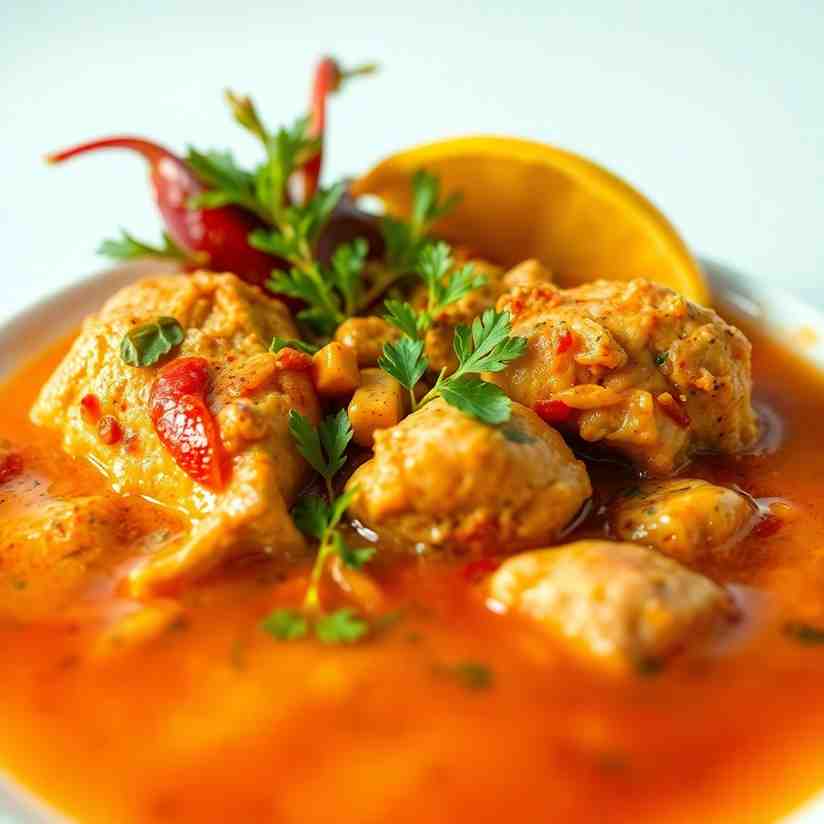
Welcome to a truly special taste of the Caribbean – Bahamian Chicken Souse! If you're looking for quick chicken recipes that are bursting with flavor, comforting, and surprisingly easy to make, you'll absolutely love this tangy, aromatic soup. Forget bland dinners; this recipe transforms simple chicken pieces and everyday veggies into a vibrant dish that's perfect for any occasion, from a cozy weeknight meal to a lively weekend gathering.
What exactly is Bahamian Chicken Souse? At its heart, it's a clear, zesty chicken soup or stew, distinctively flavored with fresh lime, warm allspice, and a gentle kick of chili. Unlike some other Caribbean "souses" (like the Trinidadian or Eastern Caribbean chicken foot souse, which is more of a sharp brine with chicken feet), the Bahamian version focuses on tender, bone-in chicken pieces swimming in a bright, savory broth. It's a true island comfort food, often enjoyed on weekends, after a party, or whenever you need a bowl of pure deliciousness. Locals love it with a good balance of spicy and sour, but don't worry – we'll show you how to tailor it to your taste!
In this guide, you'll learn everything you need to create a definitive Bahamian chicken souse from scratch. We'll walk you through:
A clear, step-by-step recipe using flavorful bone-in chicken pieces.
Secrets to achieving that signature bright, limey broth without mushy vegetables.
Simple adjustments for heat, tartness, and portion sizes.
Why does this Bahamian Chicken Souse recipe work so well? We build flavor in layers, from marinating the chicken to sautéing aromatics before a slow, gentle simmer. We use traditional Bahamian flavors like lime, allspice, and hot pepper, but also offer easy-to-find US-friendly substitutions. Plus, our tested instructions include helpful doneness cues and troubleshooting tips, so even beginners can confidently whip up this incredible easy chicken meal. Get ready to enjoy one of the most delicious seasoned chicken recipes you'll ever try!
Ingredients
Directions
- Prep & Season the Chicken First, let's get your chicken ready. Trim any excess skin or visible fat from your chicken wings or pieces. Give them a good rinse under cold water, then pat them thoroughly dry with paper towels. You can also do an optional quick blanch by boiling them for 5 minutes, then rinsing to remove extra scum for a clearer broth. In a large bowl, toss the chicken with 1 tablespoon of fresh lime juice, 1 teaspoon of salt, and ½ teaspoon of ground allspice. Let it sit and marinate while you prepare your other ingredients. The chicken should look glossy and lightly coated with the seasonings. This is a great pre cook chicken step that infuses flavor!
- Prep the Vegetables Now for the veggies! Peel and dice your potatoes into even 1-inch chunks. This size is ideal to ensure they cook through without falling apart. Slice your onion, chop the carrots and celery, and mince the garlic. If you're using bell pepper, dice that too. Decide on your hot pepper strategy: leave it whole for gentle heat, slice it for more spice, or remove the seeds and membranes if you like it really hot.
- Build the Flavor Base Grab a large pot or Dutch oven and heat a tablespoon of neutral oil (like vegetable or canola) over medium heat. Add your diced onions, minced garlic, and bell pepper (if using). Sauté them until they soften and turn lightly golden, about 5-7 minutes. This step is crucial for building a rich flavor base. Next, stir in the whole allspice berries (or ground allspice), fresh thyme sprigs, and bay leaves. Cook for another minute, stirring constantly, until the spices become fragrant. Your kitchen should smell amazing right about now!
- Simmer the Chicken and Vegetables Add your marinated chicken pieces to the pot and stir them around to coat them in all those lovely aromatics. Next, add the diced potatoes, carrots, and celery. Pour in 6-8 cups of water or low-sodium chicken stock, along with about half of the remaining fresh lime juice (¼ cup). Bring the pot up to a gentle boil. As it heats, you might see some foam rise to the surface; use a spoon to skim this off to help keep your broth clear. Once it's boiling, reduce the heat to a low simmer, cover the pot, and let it cook until the chicken is cooked through and the potatoes are tender. This usually takes about 30-40 minutes. You'll know the chicken is ready when the meat easily pulls away from the bone, and the potatoes are easy to pierce with a fork but still hold their shape – not mushy! This is one of the best pot chicken recipes you'll find!
- Finish with Lime & Heat Once the chicken and vegetables are tender, it's time for the final flavor adjustments. Stir in the remaining fresh lime juice (the other ¼ cup) and add your whole or sliced Scotch bonnet pepper. Let it simmer for just a few more minutes, uncovered, to allow all the flavors to marry beautifully. Now for the most important part: taste and adjust! Does it need more salt? More lime for extra tang? A bit more heat? Add a splash of water if the flavor feels too intense.
- Serve Before serving, carefully remove the bay leaves and any large allspice berries if you used them whole. Ladle the hot Bahamian Chicken Souse into bowls. It's traditionally served over or alongside grits, with slices of Bahamian Johnny cake or crusty bread. For a more filling dinner, white rice is also a great option. Garnish with extra lime wedges, chopped fresh herbs, or a few extra slices of chili if you like an extra kick. Enjoy your delicious, quick and easy chicken recipe for dinner!
The following nutritional values are per serving (one piece of cake) Rough Calories Approximately 350-450 calories High Protein Excellent source of protein from the chicken (around 30-40g) Carbohydrates Primarily from potatoes and any side dishes you serve (e.g., grits, rice, johnny cake). Fat Mostly from the chicken skin. If you remove some skin, the fat content will be lower. Sometimes, a little help in the kitchen goes a long way! While our Bahamian Chicken Souse is already pretty straightforward, these tools and ingredients can make your prep even quicker and smoother. Problem: Chopping all those veggies and breaking down chicken can be a real drag, especially with a dull knife. It's slow, frustrating, and honestly, a bit dangerous. Problem: A flimsy or too-small cutting board can slide around on your counter, making chopping awkward and messy. Problem: Squeezing multiple limes by hand can be tiring, messy, and you often don't get all the juice out. Click any ingredient for detailed nutritional information:Recipe Nutritional Values
Additional Information
Recipe Success Tips
Ingredient Substitutions & Variations
Cultural Variations
Cooking Tips & Troubleshooting
Make-Ahead & Storage Instructions
Frequently Asked Questions
Recommended Kitchen Tools
A Good Quality Chef's Knife
Agitate: A bad knife makes you dread cooking before you even start! It slips, squishes your ingredients instead of cutting them cleanly, and turns meal prep into a tedious chore.
Solution: Invest in a sharp, comfortable chef's knife. It glides through onions, potatoes, and chicken with ease, making prep faster, safer, and much more enjoyable. You'll be amazed at the difference!Sturdy Cutting Board
Agitate: Imagine chasing your ingredients across the counter or having your board slip just when you're making a precise cut – it's a recipe for frustration and potential accidents.
Solution: A large, sturdy, non-slip cutting board gives you a stable surface to work on, keeping your ingredients contained and making chopping safer and more efficient.Citrus Juicer
Agitate: Tired hands, sticky fingers, and wasted lime juice? Nobody wants that when the signature flavor of souse relies so heavily on fresh lime.
Solution: A simple hand-held citrus juicer extracts every last drop of tangy goodness with minimal effort, ensuring your souse gets all the bright flavor it deserves.Calories per Ingredient
Resources & References
You may also like

Hey there! I’m just someone who seriously loves good food and believes that cooking doesn’t have to be complicated to be amazing. Whether it’s a quick weeknight dinner or a cozy weekend meal, I’m all about sharing easy, tasty recipes that actually work.