
Best Cheese Sauce for Mac and Cheese Ultra Smooth & Creamy
Best Cheese Sauce for Mac and Cheese Ultra Smooth & Creamy
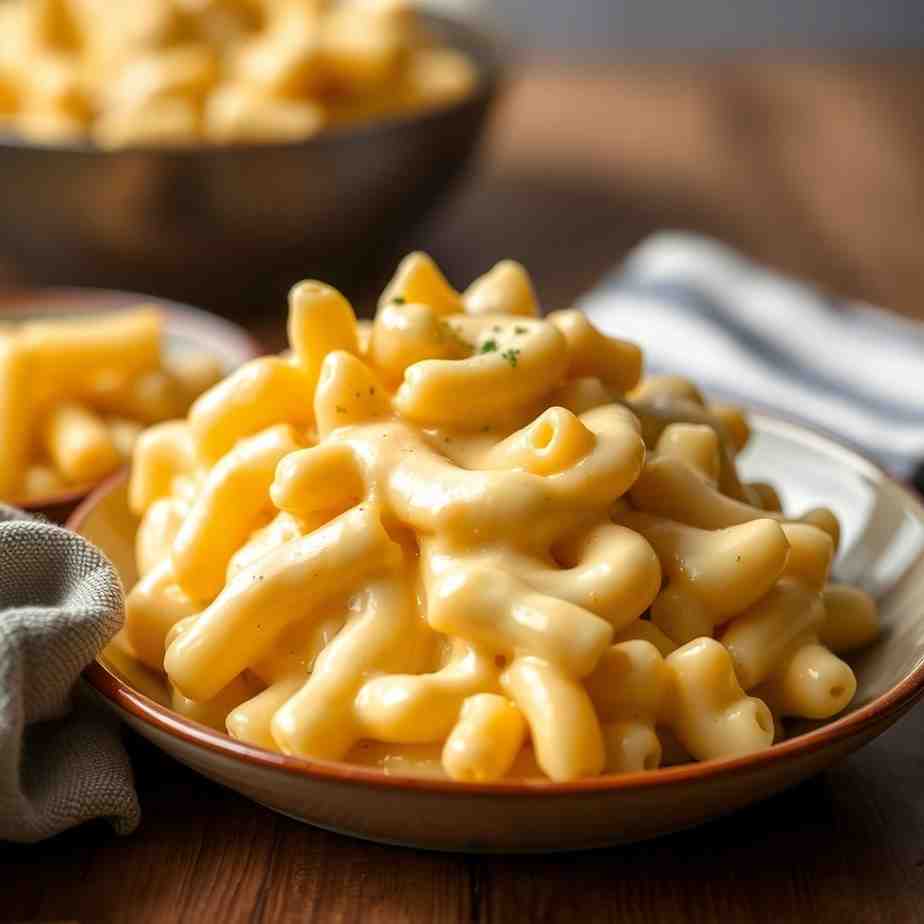
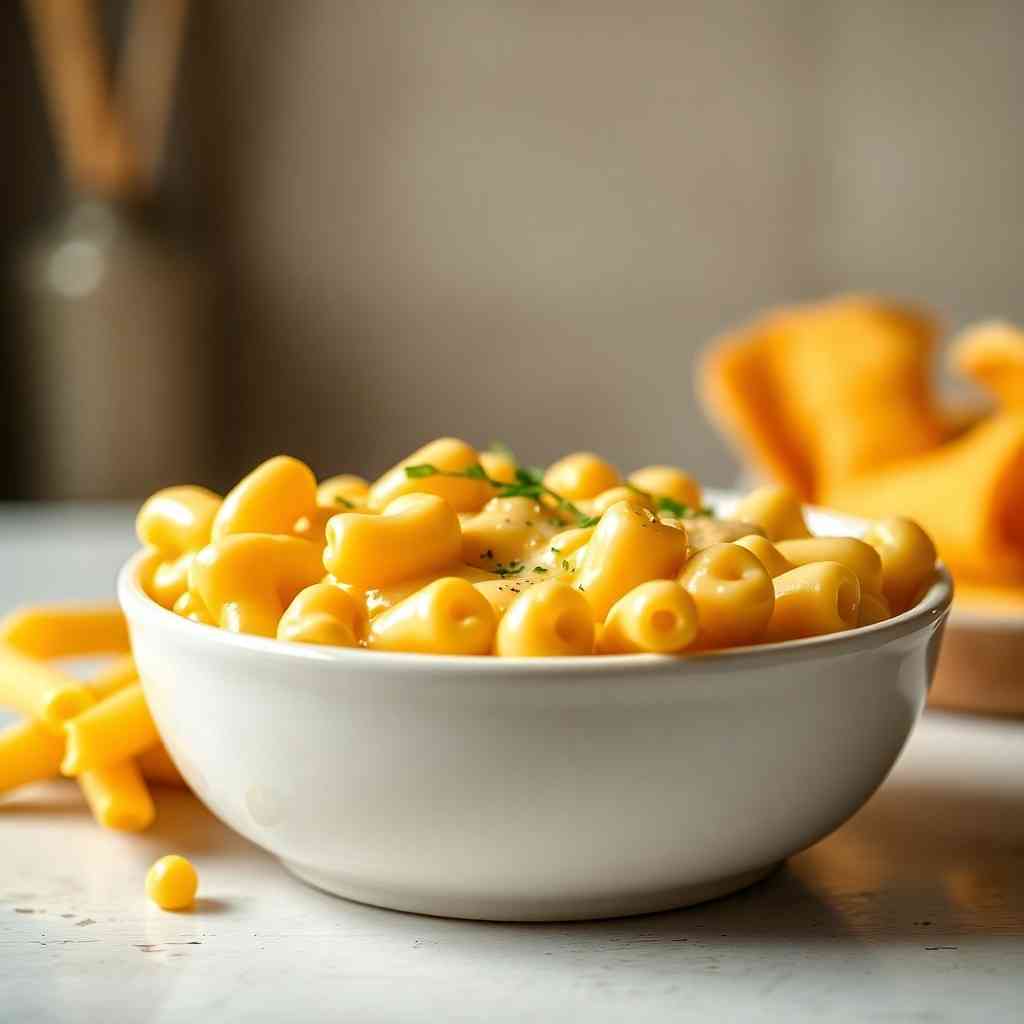
- Serves: 6 People
- Prepare Time: 5 minutes
- Cooking Time: 15 minutes
- Calories: -
- Difficulty: Easy
Tired of grainy, clumpy, or bland mac and cheese? You're in the right place! Making the ultimate cheese sauce for mac and cheese from scratch can feel intimidating, but it doesn't have to be. Forget those boxed mixes and complicated recipes – we're about to show you how to whip up an ultra-smooth, incredibly creamy cheese sauce in just about 15 minutes. This isn't just any sauce; it's the secret to transforming your homemade macaroni and cheese from scratch into a restaurant-quality dish that everyone will rave about. Whether you're aiming for a comforting weeknight dinner or a show-stopping holiday side, this creamy cheese sauce recipe is your new go-to. Get ready for the best mac n cheese from scratch you've ever tasted!
Ingredients
Directions
- Warm the Milk (Optional but Helpful): Gently warm the milk in a separate saucepan over low heat until it's barely steaming, or let it come to room temperature. This helps prevent lumps when adding it to the roux.
- Make a Smooth Roux: In a medium saucepan, melt the butter over medium heat. Once melted, whisk in the flour until smooth and slightly foamy. Continue whisking for 1-2 minutes until the mixture (your roux) turns a pale golden color and smells slightly nutty, like popcorn. This cooks out the raw flour taste.
- Whisk in the Milk: Gradually add the warm milk to the roux, a little at a time, whisking continuously to prevent lumps. Continue whisking until all the milk is incorporated and the mixture turns from a paste into a thick, smooth sauce. Bring it to a gentle simmer over medium-low heat, whisking for 2-3 minutes, until it thickens enough to coat the back of a spoon.
- Season the Base: Remove the saucepan from the heat. Stir in the salt, black pepper, garlic powder, and dry mustard. Taste the sauce and adjust seasonings as needed before adding the cheese.
- Melt in the Cheese (Off the Heat): Return the saucepan to very low heat, or keep it off the heat entirely. Add the freshly shredded sharp cheddar and Gruyère (or Monterey Jack) cheeses in small handfuls, whisking continuously until each addition is fully melted and smooth before adding more. This gradual melting prevents the cheese from clumping or turning grainy.
- Adjust Thickness & Flavor: If your sauce is too thick, whisk in a tablespoon or two of warm milk until it reaches your desired consistency. If it's too thin, return it to very low heat and simmer gently for another minute or two, whisking constantly, until it thickens. Taste one last time and adjust salt, pepper, or optional paprika/hot sauce as desired. Serve immediately over your favorite cooked pasta!
Best Cheese Sauce for Mac and Cheese Ultra Smooth & Creamy

- Serves: 6 People
- Prepare Time: 5 minutes
- Cooking Time: 15 minutes
- Calories: -
- Difficulty: Easy
Tired of grainy, clumpy, or bland mac and cheese? You're in the right place! Making the ultimate cheese sauce for mac and cheese from scratch can feel intimidating, but it doesn't have to be. Forget those boxed mixes and complicated recipes – we're about to show you how to whip up an ultra-smooth, incredibly creamy cheese sauce in just about 15 minutes. This isn't just any sauce; it's the secret to transforming your homemade macaroni and cheese from scratch into a restaurant-quality dish that everyone will rave about. Whether you're aiming for a comforting weeknight dinner or a show-stopping holiday side, this creamy cheese sauce recipe is your new go-to. Get ready for the best mac n cheese from scratch you've ever tasted!
Ingredients
Directions
- Warm the Milk (Optional but Helpful): Gently warm the milk in a separate saucepan over low heat until it's barely steaming, or let it come to room temperature. This helps prevent lumps when adding it to the roux.
- Make a Smooth Roux: In a medium saucepan, melt the butter over medium heat. Once melted, whisk in the flour until smooth and slightly foamy. Continue whisking for 1-2 minutes until the mixture (your roux) turns a pale golden color and smells slightly nutty, like popcorn. This cooks out the raw flour taste.
- Whisk in the Milk: Gradually add the warm milk to the roux, a little at a time, whisking continuously to prevent lumps. Continue whisking until all the milk is incorporated and the mixture turns from a paste into a thick, smooth sauce. Bring it to a gentle simmer over medium-low heat, whisking for 2-3 minutes, until it thickens enough to coat the back of a spoon.
- Season the Base: Remove the saucepan from the heat. Stir in the salt, black pepper, garlic powder, and dry mustard. Taste the sauce and adjust seasonings as needed before adding the cheese.
- Melt in the Cheese (Off the Heat): Return the saucepan to very low heat, or keep it off the heat entirely. Add the freshly shredded sharp cheddar and Gruyère (or Monterey Jack) cheeses in small handfuls, whisking continuously until each addition is fully melted and smooth before adding more. This gradual melting prevents the cheese from clumping or turning grainy.
- Adjust Thickness & Flavor: If your sauce is too thick, whisk in a tablespoon or two of warm milk until it reaches your desired consistency. If it's too thin, return it to very low heat and simmer gently for another minute or two, whisking constantly, until it thickens. Taste one last time and adjust salt, pepper, or optional paprika/hot sauce as desired. Serve immediately over your favorite cooked pasta!
The following nutritional values are per serving (one piece of cake) Calories 380-420 kcal Carbohydrates 18-22g Protein 18-22g Fat 28-32g Time-Saving Tools & Ingredients Here are a few things that can make your cheese sauce journey even smoother and quicker: Problem: Lumps in your roux or cheese sauce can ruin that dreamy, smooth texture. Problem: Thin-bottomed pans can lead to uneven heating, making it easy to scorch your roux or milk, especially when simmering. Problem: Pre-shredded cheese often contains anti-caking agents that can make your sauce grainy or less smooth. Click any ingredient for detailed nutritional information:Recipe Nutritional Values
Additional Information
Recipe Success Tips
Ingredient Substitutions & Variations
Make-Ahead & Storage Instructions
Frequently Asked Questions
Recommended Kitchen Tools
Whisk
Agitate: Trying to break up lumps with a spoon is a battle you'll likely lose, leading to a grainy or inconsistent sauce.
Solution: A good quality wire whisk is your best friend. It thoroughly incorporates ingredients, ensuring a silky-smooth roux and perfectly melted cheese every time.Heavy-Bottomed Saucepan
Agitate: A scorched bottom means burnt flavors in your sauce and a messy cleanup, derailing your smooth cheese sauce plans.
Solution: A heavy-bottomed saucepan distributes heat evenly, preventing hot spots and allowing for gentle, consistent cooking, which is crucial for a lump-free roux and a perfectly emulsified cheese sauce.Box Grater (for fresh cheese)
Agitate: While convenient, those anti-caking agents can prevent the cheese from melting properly, leaving you with a less-than-velvety texture.
Solution: Shredding your own block of cheese with a box grater takes just a couple of extra minutes but makes a world of difference in the final texture and melt of your sauce, ensuring maximum creaminess.Calories per Ingredient
Resources & References
You may also like




Hey there! I’m just someone who seriously loves good food and believes that cooking doesn’t have to be complicated to be amazing. Whether it’s a quick weeknight dinner or a cozy weekend meal, I’m all about sharing easy, tasty recipes that actually work.