Best Spring Roll Sauce Easy Vietnamese Peanut Dip Recipe
Best Spring Roll Sauce Easy Vietnamese Peanut Dip Recipe
- Serves: 4 People
- Prepare Time: 5 minutes
- Cooking Time: 0 minutes
- Calories: -
- Difficulty: Easy
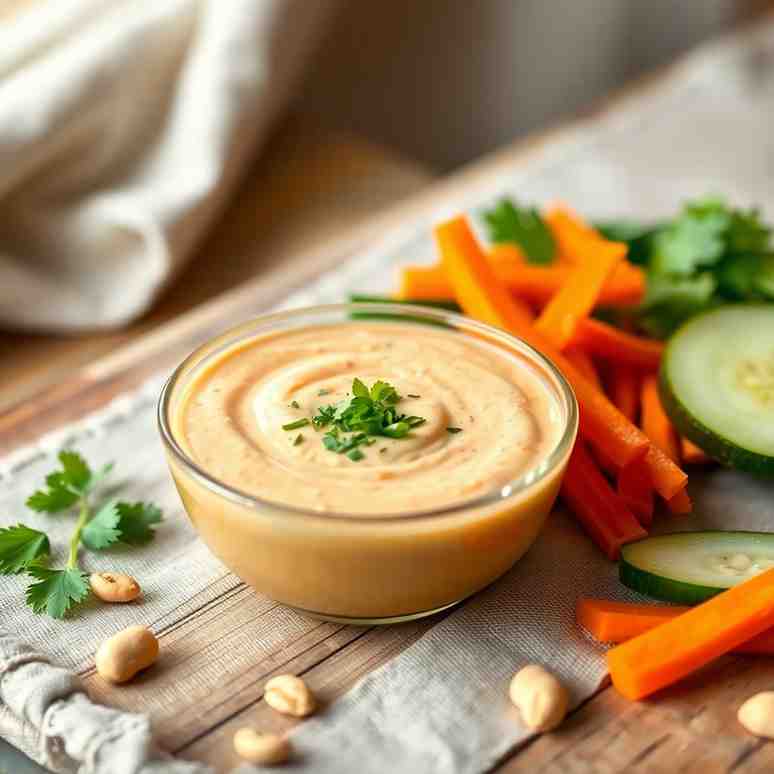
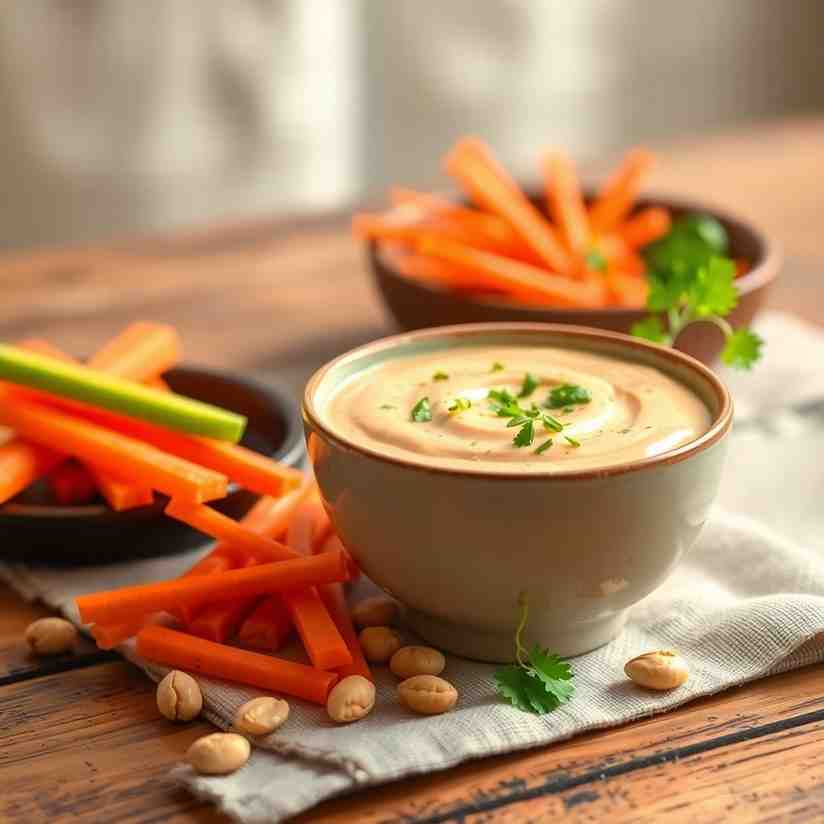
Get ready to transform your fresh spring rolls! While the rolls themselves are a delightful mix of fresh veggies, herbs, and protein, it's the spring roll sauce that truly brings everything together. Think of it as the soul of your meal, the flavor bomb that makes every bite sing. Our Vietnamese-inspired peanut and hoisin sauce is designed to be just that – a creamy, savory-sweet, and gently spicy dip with a bright kiss of lime that will cling perfectly to your delicate rice paper rolls.
Whether you're hosting a party or simply enjoying a quick, healthy meal at home, this homemade peanut sauce is a game-changer. It’s incredibly easy to make, uses simple pantry ingredients, and comes together in just 5 minutes. Forget bland, watery dips; this recipe delivers restaurant-quality flavor right to your kitchen. It’s the best spring roll sauce you’ll ever make, designed for dipping, drizzling, and delighting both beginners and seasoned foodies alike.
Ingredients
Directions
- Warm & Prep
- If your creamy peanut butter has separated, give it a good stir. For even easier mixing, you can microwave the peanut butter in a microwave-safe bowl for about 10 seconds.
- Measure out all your ingredients before you start. This mise en place (everything in its place) approach makes the process smooth and stress-free.
- uild the Base
- In a medium mixing bowl, combine the peanut butter, hoisin sauce, soy sauce (or tamari), brown sugar (or honey/maple), rice vinegar (or lime juice), minced garlic, and any optional fish sauce or toasted sesame oil you’re using.
- Whisk everything together thoroughly. Don't worry if it looks incredibly thick and sticky at this stage – that’s exactly how it should be!
- hin to Perfect Consistency
- Now for the magic! Start adding the warm water, 1 tablespoon at a time, whisking continuously after each addition.
- Keep whisking until the sauce transforms into a silky, pourable consistency. It should be thick enough to generously coat the back of a spoon and slowly drip off, but not runny like water.
- Dipping Test: To check the consistency, dip a piece of lettuce or a noodle into the sauce. It should cling beautifully without sliding right off.
- Taste and Adjust
- This is where you make it truly yours! Give the sauce a taste and use this simple checklist:
- Too salty? Whisk in a little more brown sugar or a splash of warm water.
- Too sweet? Add a bit more rice vinegar or a squeeze of fresh lime juice.
- Needs more punch? A tiny pinch of salt, an extra squeeze of lime, or a dash more sriracha can awaken the flavors.
- Once perfected, transfer the sauce to small serving bowls. Garnish with crushed roasted peanuts, thinly sliced chili, and fresh green onion or cilantro.
Best Spring Roll Sauce Easy Vietnamese Peanut Dip Recipe
- Serves: 4 People
- Prepare Time: 5 minutes
- Cooking Time: 0 minutes
- Calories: -
- Difficulty: Easy
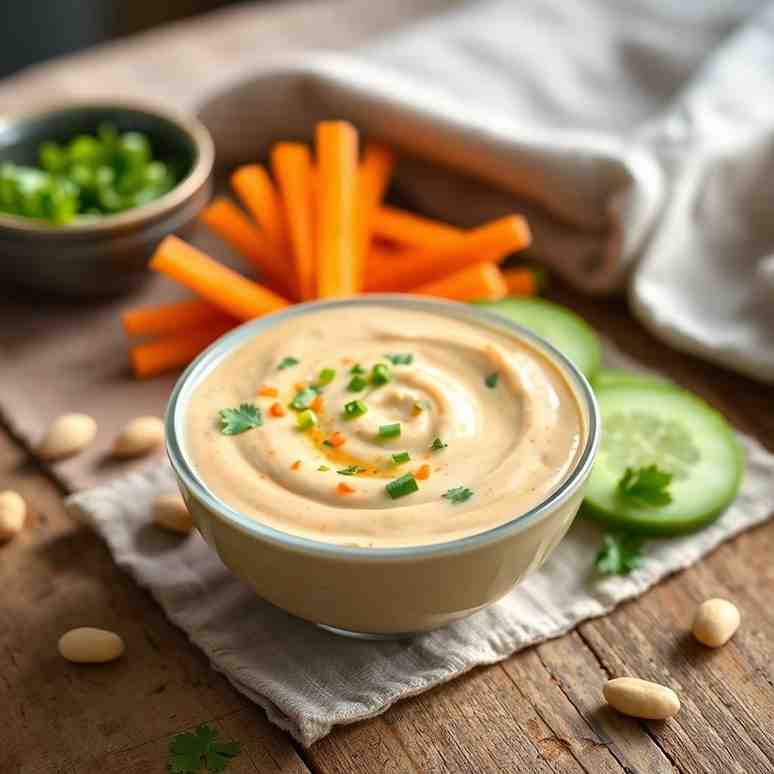
Get ready to transform your fresh spring rolls! While the rolls themselves are a delightful mix of fresh veggies, herbs, and protein, it's the spring roll sauce that truly brings everything together. Think of it as the soul of your meal, the flavor bomb that makes every bite sing. Our Vietnamese-inspired peanut and hoisin sauce is designed to be just that – a creamy, savory-sweet, and gently spicy dip with a bright kiss of lime that will cling perfectly to your delicate rice paper rolls.
Whether you're hosting a party or simply enjoying a quick, healthy meal at home, this homemade peanut sauce is a game-changer. It’s incredibly easy to make, uses simple pantry ingredients, and comes together in just 5 minutes. Forget bland, watery dips; this recipe delivers restaurant-quality flavor right to your kitchen. It’s the best spring roll sauce you’ll ever make, designed for dipping, drizzling, and delighting both beginners and seasoned foodies alike.
Ingredients
Directions
- Warm & Prep
- If your creamy peanut butter has separated, give it a good stir. For even easier mixing, you can microwave the peanut butter in a microwave-safe bowl for about 10 seconds.
- Measure out all your ingredients before you start. This mise en place (everything in its place) approach makes the process smooth and stress-free.
- uild the Base
- In a medium mixing bowl, combine the peanut butter, hoisin sauce, soy sauce (or tamari), brown sugar (or honey/maple), rice vinegar (or lime juice), minced garlic, and any optional fish sauce or toasted sesame oil you’re using.
- Whisk everything together thoroughly. Don't worry if it looks incredibly thick and sticky at this stage – that’s exactly how it should be!
- hin to Perfect Consistency
- Now for the magic! Start adding the warm water, 1 tablespoon at a time, whisking continuously after each addition.
- Keep whisking until the sauce transforms into a silky, pourable consistency. It should be thick enough to generously coat the back of a spoon and slowly drip off, but not runny like water.
- Dipping Test: To check the consistency, dip a piece of lettuce or a noodle into the sauce. It should cling beautifully without sliding right off.
- Taste and Adjust
- This is where you make it truly yours! Give the sauce a taste and use this simple checklist:
- Too salty? Whisk in a little more brown sugar or a splash of warm water.
- Too sweet? Add a bit more rice vinegar or a squeeze of fresh lime juice.
- Needs more punch? A tiny pinch of salt, an extra squeeze of lime, or a dash more sriracha can awaken the flavors.
- Once perfected, transfer the sauce to small serving bowls. Garnish with crushed roasted peanuts, thinly sliced chili, and fresh green onion or cilantro.
The following nutritional values are per serving (one piece of cake) Calories ~120-150 kcal Carbohydrates ~8-12g Protein ~4-6g Fat ~8-12g Making this incredible spring roll sauce is already a breeze, but a few smart tools and ingredient choices can make it even smoother. Here’s how to set yourself up for success! Problem: Lumps! Nobody wants a grainy, uneven sauce. Cold peanut butter can be stubborn, and a fork just doesn't cut it. Problem: Peeling and mincing fresh garlic can be a small but time-consuming chore, especially if you’re in a hurry. Problem: Getting all your ingredients out and measured precisely can mean a lot of different containers and spoons to wash. Click any ingredient for detailed nutritional information:Recipe Nutritional Values
Additional Information
Recipe Success Tips
Ingredient Substitutions & Variations
Make-Ahead & Storage Instructions
Frequently Asked Questions
Recommended Kitchen Tools
A Good Whisk
Agitate: Struggling with clumps makes your sauce less appealing and adds extra time and frustration, taking away from the joy of dipping.
Solution: A sturdy, medium-sized whisk ensures everything is perfectly emulsified and silky smooth. It effortlessly breaks down peanut butter and blends all the liquids into a harmonious, creamy consistency, saving your arm and your patience.Pre-Minced Garlic (Jarred)
Agitate: Those few extra minutes spent chopping can feel like an eternity when you're craving your spring rolls now, and nobody enjoys sticky garlic fingers!
Solution: Keep a jar of good quality pre-minced garlic in your fridge. It’s a fantastic shortcut that delivers instant garlic flavor without any of the prep work, letting you whip up this sauce even faster.Squeeze Bottles for Sauces
Agitate: A cluttered counter and a sink full of dishes can dampen the fun of cooking, turning a quick recipe into a bigger clean-up job.
Solution: If you make a lot of sauces, having your soy sauce, rice vinegar, or even hoisin in easy-to-pour squeeze bottles can speed up measuring and minimize spills, making cleanup quicker.Calories per Ingredient
Resources & References
You may also like


Hey there! I’m just someone who seriously loves good food and believes that cooking doesn’t have to be complicated to be amazing. Whether it’s a quick weeknight dinner or a cozy weekend meal, I’m all about sharing easy, tasty recipes that actually work.