Cracked Conch - Best Battered Fish Recipe for Crispy Results
Cracked Conch - Best Battered Fish Recipe for Crispy Results
- Serves: 4 People
- Prepare Time: 30 minutes
- Cooking Time: 15 minutes
- Calories: -
- Difficulty: Medium
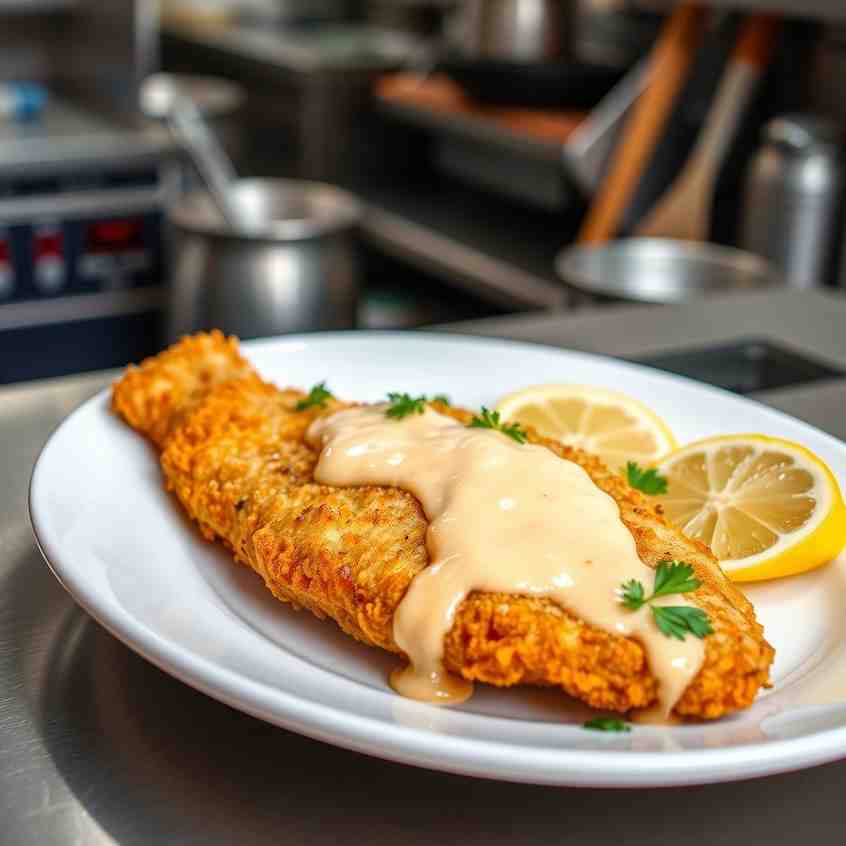
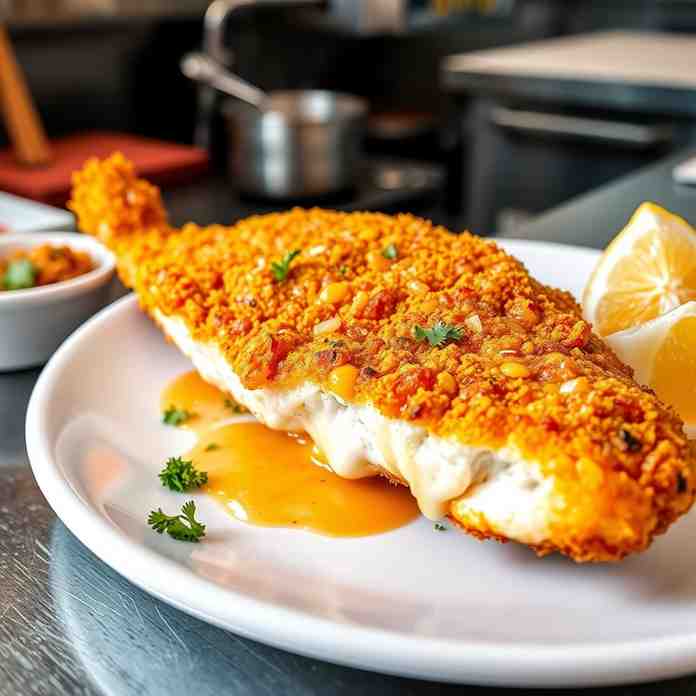
Welcome to the ultimate guide for making Cracked Conch, a beloved Bahamian delicacy that's essentially the island's answer to the perfect recipe battered fish! If you've ever dreamt of enjoying crispy fried fish with a tender bite, you're in for a treat. This isn't just any deep fried battered fish; it's a vibrant, flavorful dish that embodies the spirit of a true fish fry Bahamas. We'll walk you through everything, from selecting and tenderizing the conch to mixing the ideal batter and mastering the art of cooking battered fish to golden perfection. Get ready to discover the best recipe for battered fish that will transport your taste buds straight to the Caribbean!
Ingredients
Directions
- Preparing the Conch:
- If your conch isn't already cleaned, thoroughly rinse it under cold water, removing any dark membranes or gritty bits.
- Place the conch between two sheets of plastic wrap. Using a meat mallet or the flat side of a heavy pan, pound the conch until it's about 1/4-inch thick. This is crucial for tenderizing it and preventing rubberiness. Slice the pounded conch into bite-sized pieces or strips.
- Making the Batter:
- In a large bowl, whisk together the 1 cup all-purpose flour, cornstarch, baking powder, salt, black pepper, cayenne pepper (if using), garlic powder, and onion powder.
- In a separate small bowl, whisk the egg. Add the egg and cold club soda (or sparkling water) to the dry ingredients.
- Whisk until just combined. A few small lumps are okay; overmixing can lead to a tough batter. The batter should be the consistency of thin pancake batter – thick enough to coat the conch but thin enough to drip off slowly.
- Cooking the Conch:
- In a large, heavy-bottomed pot or deep fryer, heat 3-4 inches of vegetable or peanut oil to 350-375°F (175-190°C). Use a candy thermometer or deep-fry thermometer to monitor the temperature accurately.
- While the oil heats, lightly dredge the pounded conch pieces in the remaining 1/4 cup of all-purpose flour. This helps the batter adhere better.
- Dip each floured conch piece into the prepared batter, ensuring it's fully coated. Let any excess batter drip off.
- Carefully place the battered conch into the hot oil, frying in batches to avoid overcrowding the pot. Overcrowding will lower the oil temperature and result in greasy, less crispy conch.
- Fry for 2-4 minutes per batch, or until the conch is golden brown and crispy. The conch cooks quickly, so watch it closely to avoid overcooking. Overcooked conch will become tough and rubbery.
- Using a slotted spoon or spider, remove the cooked conch from the oil and place it on a wire rack set over a baking sheet to drain any excess oil. Season immediately with a pinch of salt if desired.
- Serving Instructions:
- Serve the cracked conch hot, garnished with fresh lime wedges. It's traditionally enjoyed with a zesty citrus sauce, coleslaw, or a side of peas 'n' rice.
Cracked Conch - Best Battered Fish Recipe for Crispy Results
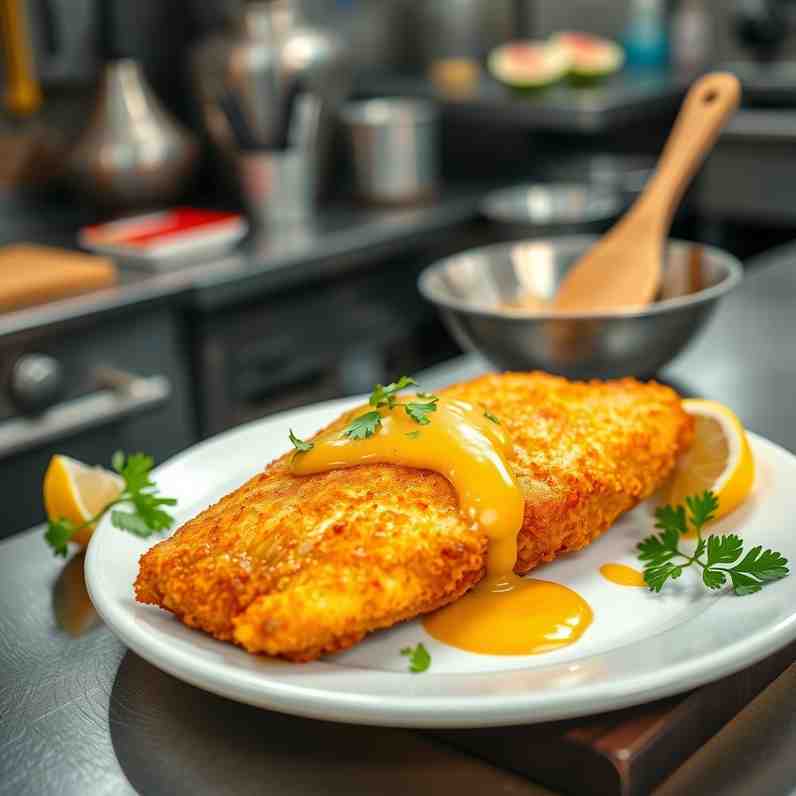
- Serves: 4 People
- Prepare Time: 30 minutes
- Cooking Time: 15 minutes
- Calories: -
- Difficulty: Medium
Welcome to the ultimate guide for making Cracked Conch, a beloved Bahamian delicacy that's essentially the island's answer to the perfect recipe battered fish! If you've ever dreamt of enjoying crispy fried fish with a tender bite, you're in for a treat. This isn't just any deep fried battered fish; it's a vibrant, flavorful dish that embodies the spirit of a true fish fry Bahamas. We'll walk you through everything, from selecting and tenderizing the conch to mixing the ideal batter and mastering the art of cooking battered fish to golden perfection. Get ready to discover the best recipe for battered fish that will transport your taste buds straight to the Caribbean!
Ingredients
Directions
- Preparing the Conch:
- If your conch isn't already cleaned, thoroughly rinse it under cold water, removing any dark membranes or gritty bits.
- Place the conch between two sheets of plastic wrap. Using a meat mallet or the flat side of a heavy pan, pound the conch until it's about 1/4-inch thick. This is crucial for tenderizing it and preventing rubberiness. Slice the pounded conch into bite-sized pieces or strips.
- Making the Batter:
- In a large bowl, whisk together the 1 cup all-purpose flour, cornstarch, baking powder, salt, black pepper, cayenne pepper (if using), garlic powder, and onion powder.
- In a separate small bowl, whisk the egg. Add the egg and cold club soda (or sparkling water) to the dry ingredients.
- Whisk until just combined. A few small lumps are okay; overmixing can lead to a tough batter. The batter should be the consistency of thin pancake batter – thick enough to coat the conch but thin enough to drip off slowly.
- Cooking the Conch:
- In a large, heavy-bottomed pot or deep fryer, heat 3-4 inches of vegetable or peanut oil to 350-375°F (175-190°C). Use a candy thermometer or deep-fry thermometer to monitor the temperature accurately.
- While the oil heats, lightly dredge the pounded conch pieces in the remaining 1/4 cup of all-purpose flour. This helps the batter adhere better.
- Dip each floured conch piece into the prepared batter, ensuring it's fully coated. Let any excess batter drip off.
- Carefully place the battered conch into the hot oil, frying in batches to avoid overcrowding the pot. Overcrowding will lower the oil temperature and result in greasy, less crispy conch.
- Fry for 2-4 minutes per batch, or until the conch is golden brown and crispy. The conch cooks quickly, so watch it closely to avoid overcooking. Overcooked conch will become tough and rubbery.
- Using a slotted spoon or spider, remove the cooked conch from the oil and place it on a wire rack set over a baking sheet to drain any excess oil. Season immediately with a pinch of salt if desired.
- Serving Instructions:
- Serve the cracked conch hot, garnished with fresh lime wedges. It's traditionally enjoyed with a zesty citrus sauce, coleslaw, or a side of peas 'n' rice.
The following nutritional values are per serving (one piece of cake) Calories ~350-450 kcal Carbohydrates ~30-40g Protein ~20-25g Fat ~15-25g Making delicious cracked conch doesn't have to be a marathon. Here are some smart tools and ingredients that can help you get this Bahamian treat on your table faster! Problem: Conch meat can be notoriously tough if not properly tenderized, leading to a chewy, less enjoyable dish. Problem: Frying at the wrong temperature can lead to greasy, soggy conch or, worse, burnt outside and raw inside. Problem: Cleaning and preparing fresh conch from the shell can be a time-consuming and somewhat intimidating task for beginners. Click any ingredient for detailed nutritional information:Recipe Nutritional Values
Additional Information
Recipe Success Tips
Ingredient Substitutions & Variations
Troubleshooting & Frying Tips
Make-Ahead & Storage Instructions
Frequently Asked Questions
Recommended Kitchen Tools
Meat Mallet
Agitate: No one wants to spend forever chewing through their dinner, and pounding conch by hand with a rolling pin can be exhausting and messy.
Solution: A simple meat mallet (the flat side!) makes quick work of tenderizing conch. A few firm, even taps on each piece will break down those tough fibers in minutes, ensuring a tender, melt-in-your-mouth experience without the struggle.Deep Fry Thermometer
Agitate: Guessing the oil temperature often results in inconsistent results, wasted oil, and a frustrating cooking experience. You want that perfect golden-brown crisp, not a sad, oily mess!
Solution: A reliable deep-fry thermometer takes all the guesswork out of frying. It allows you to maintain the ideal oil temperature (usually around 350-375°F or 175-190°C) for perfectly crispy, evenly cooked battered fish every single time.Pre-Cleaned Conch
Agitate: If you're new to cooking conch, the initial preparation can add a significant amount of time and effort, potentially deterring you from trying this amazing dish.
Solution: Many specialty seafood markets or Asian grocery stores offer pre-cleaned and sometimes even pre-tenderized conch. Opting for this can drastically cut down on your prep time, letting you jump straight into the fun part: breading and frying!Calories per Ingredient
Resources & References
You may also like

Hey there! I’m just someone who seriously loves good food and believes that cooking doesn’t have to be complicated to be amazing. Whether it’s a quick weeknight dinner or a cozy weekend meal, I’m all about sharing easy, tasty recipes that actually work.