Cassava Flour Flatbread - Easy Gluten-Free Recipe
Cassava Flour Flatbread - Easy Gluten-Free Recipe
- Serves: 4 People
- Prepare Time: 15 minutes
- Cooking Time: 20 minutes
- Calories: -
- Difficulty: Easy
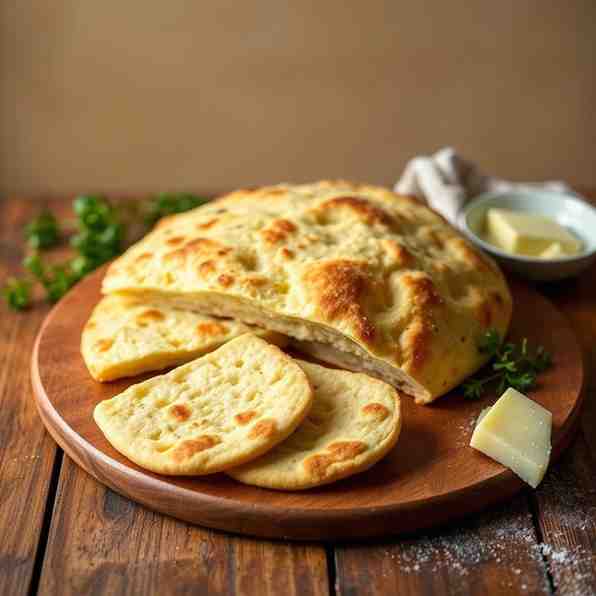
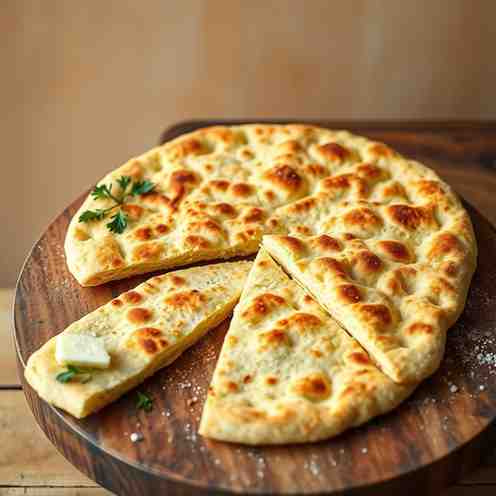
Welcome to the ultimate guide for mastering cassava flour flatbread! If you're looking for a delicious, versatile, and naturally `gluten-free` option to revolutionize your meals, you've come to the right place. This incredible flatbread, sometimes known as Bammy, boasts a wonderfully soft yet slightly chewy texture, making it perfect for everything from savory wraps and hearty sandwiches to scooping up your favorite dips. Forget crumbly, dry `gluten-free flatbread` woes – this recipe delivers on taste and texture!
Beyond being a fantastic `gluten-free dinner recipe`, our cassava flatbread is also naturally grain-free, paleo-friendly, and can easily be made vegan. It's a fantastic alternative for anyone with dietary restrictions or simply looking to explore new, wholesome ingredients. In this definitive guide, you'll learn everything you need to know: from understanding the unique properties of `cassava flour` and mastering our simple step-by-step instructions, to troubleshooting common issues and discovering creative serving suggestions. Get ready to bake your way to deliciousness!
Cassava flour is a rockstar in the `gluten-free` world, but it behaves a bit differently than traditional wheat flour or even other `gluten-free flours`. It's made from the whole cassava root, which means it's incredibly fine and absorbent. This absorbency is key: it means you often need less cassava flour than you would wheat flour, and hydration is crucial. Resting the dough allows the flour to fully hydrate, resulting in a more pliable dough that's easier to roll and less prone to tearing. When choosing a brand, look for finely milled, pure cassava flour without added starches for the best results.
Ingredients
Directions
- Mix Dry Ingredients: In your large mixing bowl, whisk together the `cassava flour`, baking powder, and salt. Make sure everything is well combined.
- Add Liquids & Form Dough: Pour the warm water (or milk) and olive oil into the dry ingredients. Stir with a spatula or wooden spoon until a shaggy dough forms. Then, use your hands to knead it gently within the bowl for about 1-2 minutes until it comes together into a cohesive, soft ball. It might feel a little sticky at first, but don't add more flour just yet!
- Rest the Dough: Cover the bowl with a clean kitchen towel or plastic wrap and let the dough rest for at least 15 minutes at room temperature. This crucial step allows the `cassava flour` to fully hydrate, making the dough much more pliable and easier to work with.
- Portion the Dough: Once rested, divide the dough into 4-6 equal portions. You can eyeball it or use your kitchen scale for precision. Gently roll each portion into a small ball.
- Roll Your Flatbreads: Lightly dust your rolling surface (or skip the dust if using parchment paper) and your rolling pin with a tiny bit of `cassava flour`. Place one dough ball on the surface and roll it out into a thin circle, about 6-8 inches in diameter. Aim for an even thickness (around ⅛ inch) for best cooking. Pro Tip: If using parchment paper, roll between two sheets for easy handling! (Imagine step photo: "rolling gluten-free flatbread")
- Cook Perfectly: Heat your non-stick frying pan or griddle over medium heat. You don't need oil for cooking the flatbreads themselves, but a super light spray can help. Once hot, carefully place a rolled flatbread into the pan. Cook for 2-3 minutes per side, or until golden brown spots appear and the flatbread starts to puff up slightly. Flip and cook the other side until done. (Imagine step photo: "skillet cassava flatbread cooking")
- Keep Warm: Transfer the cooked flatbreads to a plate and cover them with a clean kitchen towel to keep them warm and soft while you cook the rest.
Cassava Flour Flatbread - Easy Gluten-Free Recipe
- Serves: 4 People
- Prepare Time: 15 minutes
- Cooking Time: 20 minutes
- Calories: -
- Difficulty: Easy
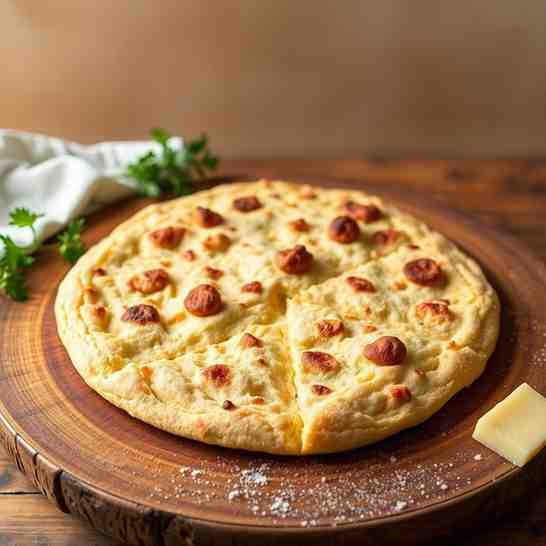
Welcome to the ultimate guide for mastering cassava flour flatbread! If you're looking for a delicious, versatile, and naturally `gluten-free` option to revolutionize your meals, you've come to the right place. This incredible flatbread, sometimes known as Bammy, boasts a wonderfully soft yet slightly chewy texture, making it perfect for everything from savory wraps and hearty sandwiches to scooping up your favorite dips. Forget crumbly, dry `gluten-free flatbread` woes – this recipe delivers on taste and texture!
Beyond being a fantastic `gluten-free dinner recipe`, our cassava flatbread is also naturally grain-free, paleo-friendly, and can easily be made vegan. It's a fantastic alternative for anyone with dietary restrictions or simply looking to explore new, wholesome ingredients. In this definitive guide, you'll learn everything you need to know: from understanding the unique properties of `cassava flour` and mastering our simple step-by-step instructions, to troubleshooting common issues and discovering creative serving suggestions. Get ready to bake your way to deliciousness!
Cassava flour is a rockstar in the `gluten-free` world, but it behaves a bit differently than traditional wheat flour or even other `gluten-free flours`. It's made from the whole cassava root, which means it's incredibly fine and absorbent. This absorbency is key: it means you often need less cassava flour than you would wheat flour, and hydration is crucial. Resting the dough allows the flour to fully hydrate, resulting in a more pliable dough that's easier to roll and less prone to tearing. When choosing a brand, look for finely milled, pure cassava flour without added starches for the best results.
Ingredients
Directions
- Mix Dry Ingredients: In your large mixing bowl, whisk together the `cassava flour`, baking powder, and salt. Make sure everything is well combined.
- Add Liquids & Form Dough: Pour the warm water (or milk) and olive oil into the dry ingredients. Stir with a spatula or wooden spoon until a shaggy dough forms. Then, use your hands to knead it gently within the bowl for about 1-2 minutes until it comes together into a cohesive, soft ball. It might feel a little sticky at first, but don't add more flour just yet!
- Rest the Dough: Cover the bowl with a clean kitchen towel or plastic wrap and let the dough rest for at least 15 minutes at room temperature. This crucial step allows the `cassava flour` to fully hydrate, making the dough much more pliable and easier to work with.
- Portion the Dough: Once rested, divide the dough into 4-6 equal portions. You can eyeball it or use your kitchen scale for precision. Gently roll each portion into a small ball.
- Roll Your Flatbreads: Lightly dust your rolling surface (or skip the dust if using parchment paper) and your rolling pin with a tiny bit of `cassava flour`. Place one dough ball on the surface and roll it out into a thin circle, about 6-8 inches in diameter. Aim for an even thickness (around ⅛ inch) for best cooking. Pro Tip: If using parchment paper, roll between two sheets for easy handling! (Imagine step photo: "rolling gluten-free flatbread")
- Cook Perfectly: Heat your non-stick frying pan or griddle over medium heat. You don't need oil for cooking the flatbreads themselves, but a super light spray can help. Once hot, carefully place a rolled flatbread into the pan. Cook for 2-3 minutes per side, or until golden brown spots appear and the flatbread starts to puff up slightly. Flip and cook the other side until done. (Imagine step photo: "skillet cassava flatbread cooking")
- Keep Warm: Transfer the cooked flatbreads to a plate and cover them with a clean kitchen towel to keep them warm and soft while you cook the rest.
You may also like



Hey there! I’m just someone who seriously loves good food and believes that cooking doesn’t have to be complicated to be amazing. Whether it’s a quick weeknight dinner or a cozy weekend meal, I’m all about sharing easy, tasty recipes that actually work.