
Classic Full English Breakfast
Classic Full English Breakfast
- Serves: 4 People
- Prepare Time: 20 minutes
- Cooking Time: 30 minutes
- Calories: -
- Difficulty: Medium
Forget everything you think you know about breakfast! The full English breakfast isn't just a meal; it's an experience, a hearty tradition, and truly the perfect breakfast for any special morning. Often called a "fry-up," this iconic spread is a cornerstone of British cuisine, packed with savory delights designed to fuel your day. While it might seem daunting with all its components, our US-kitchen-friendly version makes this glorious feast totally doable at home. We've cracked the code on how to enjoy this incredible breakfast and brunch classic without needing a trip across the pond. In this definitive guide, you’ll get one comprehensive recipe along with a smart timing plan, ensuring every delicious component lands hot and ready on your plate, making it the best morning breakfast you've ever made.
Servings: 2–4 people. This recipe is designed to serve two generously, or four people with smaller portions, making it perfect for an intimate breakfast and brunch or a family treat.
Calories/Nutrition Note: Nutritional values are estimates and can vary based on specific ingredients and preparation methods.
Ingredients
Directions
- Equipment Setup (so you’re not panicking at the stove):You’ll want two skillets (one large, one medium) and a small pot for the beans. Alternatively, a large skillet and a sheet pan can work for multi-tasking. A sheet pan and a low oven (around 200°F / 95°C) are invaluable for "hot holding" cooked items. Tongs, a sturdy spatula, and an instant-read thermometer (optional but helpful for sausages) will make your life easier.
- The Timing Game Plan (Make Everything Land Hot):This is the secret to a perfect fry-up! We'll work backwards from the items that must be cooked last.
- 0–5 min: Get Organized
- Preheat oven to 200°F (95°C) with a sheet pan inside.
- Warm the beans in a small pot over low heat.
- Heat a large skillet over medium-low heat with a tablespoon of cooking fat.
- 5–15 min: Sausages & Bacon
- Start cooking sausages.
- Add bacon after 5 minutes.
- 15–25 min: Mushrooms & Tomatoes
- Cook mushrooms and tomatoes.
- Last 5 min: Bread & Eggs
- Cook bread and eggs.
- The Unified Workflow:
- Warm the beans low and slow: Pour the Heinz baked beans into a small saucepan. Heat over very low heat, stirring occasionally. This allows them to gently warm through and thicken slightly without boiling vigorously, which can make them mushy. Why this works: Gentle heat prevents the beans from breaking down and ensures a creamy texture, while also reducing the sauce to a perfect consistency.
- Start sausages first: In your large skillet (or a separate skillet), add a tablespoon of cooking fat and place the sausages over medium-low heat. Cook for about 15-20 minutes, turning frequently, until evenly browned and cooked through (internal temperature 160°F/71°C). Why this works: Sausages need the longest cooking time and benefit from lower, slower heat to cook evenly without burning the exterior. Once cooked, transfer them to the warm sheet pan in the oven.
- Add bacon/back bacon: After the sausages have cooked for about 5 minutes, add the bacon to the same skillet (or a second skillet if using). Cook until crispy to your liking, flipping once. Why this works: Adding bacon after sausages ensures it cooks alongside without overcooking the sausages or burning the bacon. Transfer to the warm sheet pan with the sausages.
- Sear mushrooms properly: In a clean spot in the skillet or a separate medium skillet, add a tablespoon of cooking fat. Add the mushrooms in a single layer. Resist the urge to stir them immediately; let them sear undisturbed for 3-4 minutes until deeply golden brown. Then stir, cook for another 2-3 minutes, and season with salt and pepper only after they've released their moisture. Why this works: High heat and minimal stirring initially allows the mushrooms to develop a beautiful, caramelized crust instead of steaming and becoming watery. Transfer to the warm sheet pan.
- Char tomatoes cut-side down: In the same skillet used for mushrooms, add a touch more fat if needed. Place the tomato halves cut-side down. Cook for 3-5 minutes until they are softened and slightly charred. Season with salt and pepper. Why this works: Searing the cut side down quickly caramelizes the sugars, intensifying their flavor and adding a lovely smoky note. Transfer to the warm sheet pan.
- Cook bread (canonical method): In the same skillet (or a small, clean skillet), add a tablespoon of cooking fat. Fry the bread slices until golden brown and crispy on both sides. This is traditionally "fried bread," but you can toast them if preferred (see "Variations" below). Why this works: Fried bread absorbs some of the delicious cooking fats, adding incredible flavor and a satisfying crunch that toast alone can't replicate. Keep warm in the oven.
- Eggs last: In a clean skillet, melt a knob of butter or use a little cooking oil over medium heat. Crack the eggs directly into the pan. Fry them sunny-side up, over easy, or however you prefer, ensuring the yolks remain runny if desired. Season with salt and pepper. Why this works: Eggs cook quickly and are best served immediately, ensuring perfect yolks and texture. They are the last component to hit the plate.
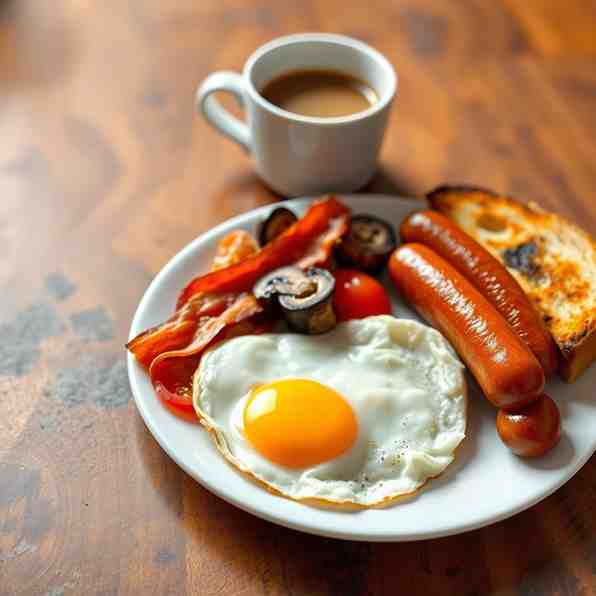
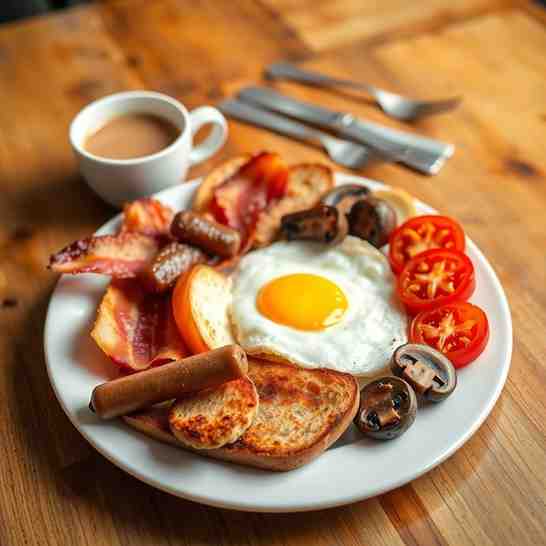
- Plate like a pro: Arrange the cooked sausages, bacon, mushrooms, tomatoes, fried bread, and a generous spoonful of warm beans on a plate. Gently slide the freshly cooked eggs onto the plate. For a truly authentic look, aim for a simple layout where each component is visible and accessible. Serve immediately!
Classic Full English Breakfast
- Serves: 4 People
- Prepare Time: 20 minutes
- Cooking Time: 30 minutes
- Calories: -
- Difficulty: Medium
Forget everything you think you know about breakfast! The full English breakfast isn't just a meal; it's an experience, a hearty tradition, and truly the perfect breakfast for any special morning. Often called a "fry-up," this iconic spread is a cornerstone of British cuisine, packed with savory delights designed to fuel your day. While it might seem daunting with all its components, our US-kitchen-friendly version makes this glorious feast totally doable at home. We've cracked the code on how to enjoy this incredible breakfast and brunch classic without needing a trip across the pond. In this definitive guide, you’ll get one comprehensive recipe along with a smart timing plan, ensuring every delicious component lands hot and ready on your plate, making it the best morning breakfast you've ever made.
Servings: 2–4 people. This recipe is designed to serve two generously, or four people with smaller portions, making it perfect for an intimate breakfast and brunch or a family treat.
Calories/Nutrition Note: Nutritional values are estimates and can vary based on specific ingredients and preparation methods.
Ingredients
Directions
- Equipment Setup (so you’re not panicking at the stove):You’ll want two skillets (one large, one medium) and a small pot for the beans. Alternatively, a large skillet and a sheet pan can work for multi-tasking. A sheet pan and a low oven (around 200°F / 95°C) are invaluable for "hot holding" cooked items. Tongs, a sturdy spatula, and an instant-read thermometer (optional but helpful for sausages) will make your life easier.
- The Timing Game Plan (Make Everything Land Hot):This is the secret to a perfect fry-up! We'll work backwards from the items that must be cooked last.
- 0–5 min: Get Organized
- Preheat oven to 200°F (95°C) with a sheet pan inside.
- Warm the beans in a small pot over low heat.
- Heat a large skillet over medium-low heat with a tablespoon of cooking fat.
- 5–15 min: Sausages & Bacon
- Start cooking sausages.
- Add bacon after 5 minutes.
- 15–25 min: Mushrooms & Tomatoes
- Cook mushrooms and tomatoes.
- Last 5 min: Bread & Eggs
- Cook bread and eggs.
- The Unified Workflow:
- Warm the beans low and slow: Pour the Heinz baked beans into a small saucepan. Heat over very low heat, stirring occasionally. This allows them to gently warm through and thicken slightly without boiling vigorously, which can make them mushy. Why this works: Gentle heat prevents the beans from breaking down and ensures a creamy texture, while also reducing the sauce to a perfect consistency.
- Start sausages first: In your large skillet (or a separate skillet), add a tablespoon of cooking fat and place the sausages over medium-low heat. Cook for about 15-20 minutes, turning frequently, until evenly browned and cooked through (internal temperature 160°F/71°C). Why this works: Sausages need the longest cooking time and benefit from lower, slower heat to cook evenly without burning the exterior. Once cooked, transfer them to the warm sheet pan in the oven.
- Add bacon/back bacon: After the sausages have cooked for about 5 minutes, add the bacon to the same skillet (or a second skillet if using). Cook until crispy to your liking, flipping once. Why this works: Adding bacon after sausages ensures it cooks alongside without overcooking the sausages or burning the bacon. Transfer to the warm sheet pan with the sausages.
- Sear mushrooms properly: In a clean spot in the skillet or a separate medium skillet, add a tablespoon of cooking fat. Add the mushrooms in a single layer. Resist the urge to stir them immediately; let them sear undisturbed for 3-4 minutes until deeply golden brown. Then stir, cook for another 2-3 minutes, and season with salt and pepper only after they've released their moisture. Why this works: High heat and minimal stirring initially allows the mushrooms to develop a beautiful, caramelized crust instead of steaming and becoming watery. Transfer to the warm sheet pan.
- Char tomatoes cut-side down: In the same skillet used for mushrooms, add a touch more fat if needed. Place the tomato halves cut-side down. Cook for 3-5 minutes until they are softened and slightly charred. Season with salt and pepper. Why this works: Searing the cut side down quickly caramelizes the sugars, intensifying their flavor and adding a lovely smoky note. Transfer to the warm sheet pan.
- Cook bread (canonical method): In the same skillet (or a small, clean skillet), add a tablespoon of cooking fat. Fry the bread slices until golden brown and crispy on both sides. This is traditionally "fried bread," but you can toast them if preferred (see "Variations" below). Why this works: Fried bread absorbs some of the delicious cooking fats, adding incredible flavor and a satisfying crunch that toast alone can't replicate. Keep warm in the oven.
- Eggs last: In a clean skillet, melt a knob of butter or use a little cooking oil over medium heat. Crack the eggs directly into the pan. Fry them sunny-side up, over easy, or however you prefer, ensuring the yolks remain runny if desired. Season with salt and pepper. Why this works: Eggs cook quickly and are best served immediately, ensuring perfect yolks and texture. They are the last component to hit the plate.
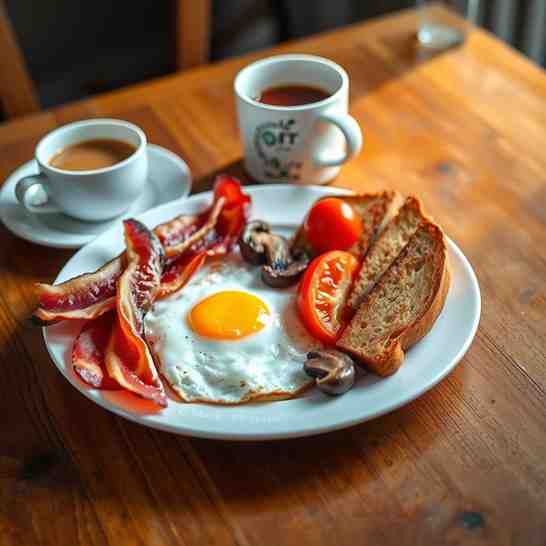
- Plate like a pro: Arrange the cooked sausages, bacon, mushrooms, tomatoes, fried bread, and a generous spoonful of warm beans on a plate. Gently slide the freshly cooked eggs onto the plate. For a truly authentic look, aim for a simple layout where each component is visible and accessible. Serve immediately!
You may also like




Hey there! I’m just someone who seriously loves good food and believes that cooking doesn’t have to be complicated to be amazing. Whether it’s a quick weeknight dinner or a cozy weekend meal, I’m all about sharing easy, tasty recipes that actually work.