
Make Cameroonian Bobolo - Top African Food Recipe
Make Cameroonian Bobolo - Top African Food Recipe
- Serves: 6 People
- Prepare Time: 1 hour (act
- Cooking Time: 1 hour 30 m
- Calories: -
- Difficulty: Medium
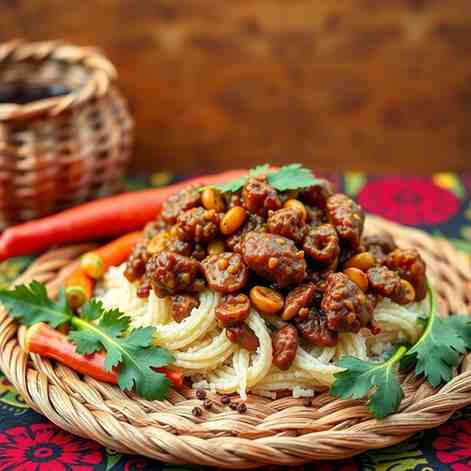
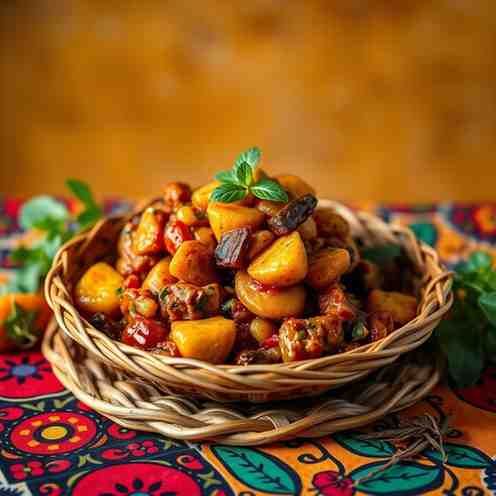
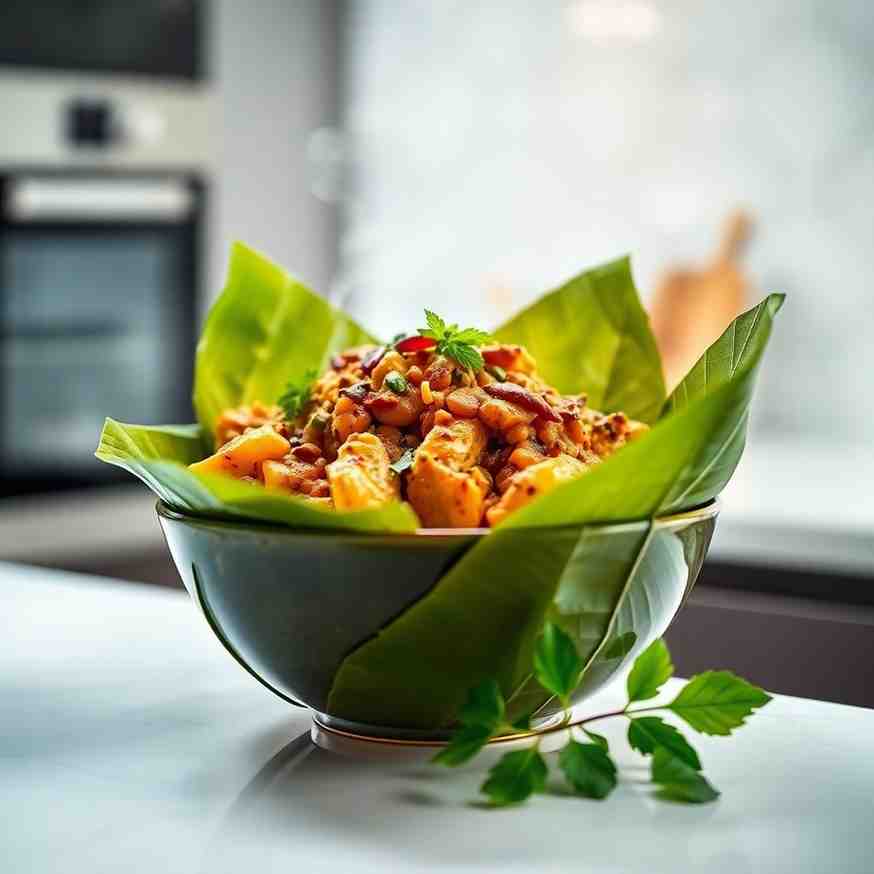
Welcome to the heart of West African cuisine! Today, we're diving into the delightful world of Bobolo, also known as Miondo, a beloved staple of Cameroonian cuisine. This incredible African dish recipe is a true savory healthy meal, made from fermented cassava, and cherished across the region for its unique taste and versatility. Imagine a dense, subtly tangy, and incredibly satisfying log that's perfect for slicing and pairing with everything from smoky roasted fish to rich ndolé stew. If you've been searching for authentic African food recipes or simply a delicious healthy food to expand your culinary horizons, you're in the right place. We promise to guide you through a safe, accurate, and thoroughly tested method, ensuring you can bring this incredible black food recipe to life right in your own U.S. kitchen. Get ready to create a truly good healthy food recipe that will impress everyone!
Ingredients
Directions
- Before You Start: Safety & Fermentation CuesCassava preparation is key for safety and flavor.
- Peeling Deeply: Always peel cassava thoroughly, removing both the outer brown skin and the pinkish-white pith underneath. If there’s a fibrous core, remove that too.
- Fermentation Window: Fermentation typically takes 2-5 days at room temperature (around 70-85°F / 21-29°C). Cooler kitchens might need longer, warmer kitchens shorter.
- Smell & Look: When ready, the cassava should have a lightly sour, pleasant aroma – similar to sourdough or fermented dough. It should not smell rotten, rancid, or overly offensive. The water might be slightly cloudy.
- Squeeze-Out: The goal is a cohesive, firm paste. After rinsing, you'll squeeze out as much free liquid as possible until the paste holds its shape and doesn't weep moisture.
- The Recipe:
- Peel & Prep Cassava: Begin by peeling your fresh cassava deeply, removing all outer skin and pith. Rinse the peeled cassava thoroughly under cold water. Cut the cassava into manageable chunks, then grate it using a box grater or a food processor with a grating attachment.
- Soak/Ferment (2–5 days): Place the grated cassava in your large basin and cover it completely with clean, fresh water. Ensure the cassava is fully submerged. Cover the basin with a clean cloth or lid. Change the water daily (once every 24 hours) to prevent mold and ensure a clean fermentation process. The cassava is ready when it smells lightly sour, feels softer, and no longer has a raw, starchy bite when a tiny piece is tasted (spit it out, don't swallow raw cassava).
- Drain, Rinse & Squeeze: Once fermented, drain the cassava completely. Transfer it to a cheesecloth or nut-milk bag. Rinse the cassava under running cold water in the cloth until the water runs clear. Then, firmly twist and squeeze the cloth to expel as much free liquid as possible. Continue squeezing until the cassava paste feels cohesive and firm, holding its shape without weeping liquid.
- Visual Checkpoint: The paste should form a ball easily and not release excess water when squeezed.
- Pound/Mix to Smooth Paste: Transfer the squeezed cassava paste to a mortar and pestle or a stand mixer with a paddle attachment. Pound or mix until you achieve a very smooth, uniform paste. This step removes any remaining lumps and creates the desired texture. Season the paste lightly with salt at this stage – remember, bobolo is traditionally mildly seasoned.
- Portion & Wrap: If using fresh leaves, gently soften them over a low flame or by dipping them briefly in hot water (this makes them pliable and less likely to crack). Take a portion of the cassava paste and roll it into a log, approximately 1.5 to 2 inches (4-5 cm) in diameter. Place the log onto a softened leaf, then wrap it tightly. For extra security or if using foil as a primary wrapper, wrap the leaf-wrapped log in foil. Tie the ends and 2-3 points along the log with kitchen twine to keep it secure.
- Visual Checkpoint: The wrapped log should be tight, with no gaps, ensuring even cooking.
- Steam (70–90 minutes): Arrange the wrapped bobolo logs in your steamer basket or on a rack inside a large pot, ensuring they are above the waterline. Cover tightly and steam for 70-90 minutes for logs that are 1.5-2 inches thick. For thicker logs, you might need slightly longer. Rotate the logs halfway through steaming to ensure even cooking.
- Cool & Set: Once steamed, carefully remove the logs from the steamer. Let them cool for 15-20 minutes before unwrapping. This cooling period allows the bobolo to firm up and set properly. Unwrap the logs and let them rest on a rack until warm or room temperature. Serve immediately, or store for later enjoyment.
- Visual Checkpoint: A clean slice through the bobolo should reveal a firm, springy texture with no gummy or raw center.
Make Cameroonian Bobolo - Top African Food Recipe
- Serves: 6 People
- Prepare Time: 1 hour (act
- Cooking Time: 1 hour 30 m
- Calories: -
- Difficulty: Medium
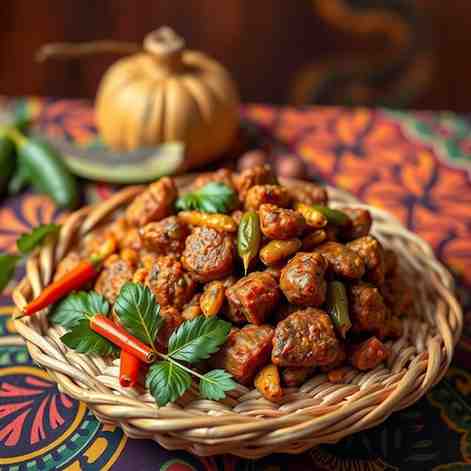
Welcome to the heart of West African cuisine! Today, we're diving into the delightful world of Bobolo, also known as Miondo, a beloved staple of Cameroonian cuisine. This incredible African dish recipe is a true savory healthy meal, made from fermented cassava, and cherished across the region for its unique taste and versatility. Imagine a dense, subtly tangy, and incredibly satisfying log that's perfect for slicing and pairing with everything from smoky roasted fish to rich ndolé stew. If you've been searching for authentic African food recipes or simply a delicious healthy food to expand your culinary horizons, you're in the right place. We promise to guide you through a safe, accurate, and thoroughly tested method, ensuring you can bring this incredible black food recipe to life right in your own U.S. kitchen. Get ready to create a truly good healthy food recipe that will impress everyone!
Ingredients
Directions
- Before You Start: Safety & Fermentation CuesCassava preparation is key for safety and flavor.
- Peeling Deeply: Always peel cassava thoroughly, removing both the outer brown skin and the pinkish-white pith underneath. If there’s a fibrous core, remove that too.
- Fermentation Window: Fermentation typically takes 2-5 days at room temperature (around 70-85°F / 21-29°C). Cooler kitchens might need longer, warmer kitchens shorter.
- Smell & Look: When ready, the cassava should have a lightly sour, pleasant aroma – similar to sourdough or fermented dough. It should not smell rotten, rancid, or overly offensive. The water might be slightly cloudy.
- Squeeze-Out: The goal is a cohesive, firm paste. After rinsing, you'll squeeze out as much free liquid as possible until the paste holds its shape and doesn't weep moisture.
- The Recipe:
- Peel & Prep Cassava: Begin by peeling your fresh cassava deeply, removing all outer skin and pith. Rinse the peeled cassava thoroughly under cold water. Cut the cassava into manageable chunks, then grate it using a box grater or a food processor with a grating attachment.
- Soak/Ferment (2–5 days): Place the grated cassava in your large basin and cover it completely with clean, fresh water. Ensure the cassava is fully submerged. Cover the basin with a clean cloth or lid. Change the water daily (once every 24 hours) to prevent mold and ensure a clean fermentation process. The cassava is ready when it smells lightly sour, feels softer, and no longer has a raw, starchy bite when a tiny piece is tasted (spit it out, don't swallow raw cassava).
- Drain, Rinse & Squeeze: Once fermented, drain the cassava completely. Transfer it to a cheesecloth or nut-milk bag. Rinse the cassava under running cold water in the cloth until the water runs clear. Then, firmly twist and squeeze the cloth to expel as much free liquid as possible. Continue squeezing until the cassava paste feels cohesive and firm, holding its shape without weeping liquid.
- Visual Checkpoint: The paste should form a ball easily and not release excess water when squeezed.
- Pound/Mix to Smooth Paste: Transfer the squeezed cassava paste to a mortar and pestle or a stand mixer with a paddle attachment. Pound or mix until you achieve a very smooth, uniform paste. This step removes any remaining lumps and creates the desired texture. Season the paste lightly with salt at this stage – remember, bobolo is traditionally mildly seasoned.
- Portion & Wrap: If using fresh leaves, gently soften them over a low flame or by dipping them briefly in hot water (this makes them pliable and less likely to crack). Take a portion of the cassava paste and roll it into a log, approximately 1.5 to 2 inches (4-5 cm) in diameter. Place the log onto a softened leaf, then wrap it tightly. For extra security or if using foil as a primary wrapper, wrap the leaf-wrapped log in foil. Tie the ends and 2-3 points along the log with kitchen twine to keep it secure.
- Visual Checkpoint: The wrapped log should be tight, with no gaps, ensuring even cooking.
- Steam (70–90 minutes): Arrange the wrapped bobolo logs in your steamer basket or on a rack inside a large pot, ensuring they are above the waterline. Cover tightly and steam for 70-90 minutes for logs that are 1.5-2 inches thick. For thicker logs, you might need slightly longer. Rotate the logs halfway through steaming to ensure even cooking.
- Cool & Set: Once steamed, carefully remove the logs from the steamer. Let them cool for 15-20 minutes before unwrapping. This cooling period allows the bobolo to firm up and set properly. Unwrap the logs and let them rest on a rack until warm or room temperature. Serve immediately, or store for later enjoyment.
- Visual Checkpoint: A clean slice through the bobolo should reveal a firm, springy texture with no gummy or raw center.
You may also like


Hey there! I’m just someone who seriously loves good food and believes that cooking doesn’t have to be complicated to be amazing. Whether it’s a quick weeknight dinner or a cozy weekend meal, I’m all about sharing easy, tasty recipes that actually work.