
Leche Asada - Easy Sweetened Milk Custard Recipe
Leche Asada - Easy Sweetened Milk Custard Recipe
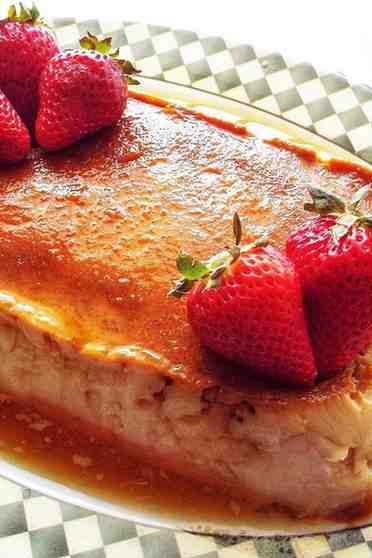
- Serves: 6 People
- Prepare Time: 20 minutes
- Cooking Time: 45-55 minut
- Calories: -
- Difficulty: Easy
Hey there, fellow dessert lovers! Are you ready to dive into a truly delightful and surprisingly simple treat that’s big on flavor? Let me introduce you to Leche Asada, also known as "roasted milk custard." If you're on the hunt for easy to make recipes for dessert that feel a little special, you've hit the jackpot. This isn't just any sweet treat; it’s a creamy, dreamy baked custard with a gorgeous caramel bottom, a bit like a rustic flan or a super-smooth bread pudding.
Leche Asada is a beloved home-style dessert across Chile, Peru, and other parts of Latin America. It's the kind of comfort food that graces weekday tables, not just holidays, bringing a smile to everyone’s face. What makes it different from its cousin, flan? Well, it typically bakes without a water bath (though you can totally add one for extra creaminess!), often at a slightly higher temperature, resulting in a slightly firmer, more rustic texture.
Ready to find out how to make Leche Asada? You're going to absolutely love this recipe!
Sweetened condensed milk recipes for the win! You probably already have a can of sweetened condensed milk in your pantry, making this a super accessible dessert.
It calls for only a handful of simple ingredients – no fancy stuff needed!
No complicated water bath required, making it a truly simple recipe for dessert. (But hey, if you want an extra-creamy version, we’ll tell you how to add one!).
It's the perfect make-ahead dessert: it sets beautifully in the fridge and slices or scoops like a dream.
This sweet dessert feels special enough for guests but is easy enough to whip up for a regular weeknight treat.
So, if you’re looking for recipes using condensed milk or a fantastic milk and condensed milk recipe, let's get baking!
Ingredients
Directions
- Equipment You'll Need:
- Medium saucepan (for caramel)
- 8x8-inch glass or ceramic baking dish (or similar capacity, like a 9-inch round pie plate)
- Large mixing bowl or blender
- Whisk or blender, heat-safe spatula
- Optional: roasting pan + hot water (if using a water bath)
- Optional: Instant-read thermometer
- Prep the Pan and Oven
- Preheat your oven to 350°F (175°C).
- Lightly grease your 8x8-inch baking dish. Place the dish on a rimmed baking sheet – this catches any potential spills and makes it easier to transfer in and out of the oven.
- Optional Water Bath Setup: If you want an extra-creamy custard, place your greased baking dish inside a larger roasting pan. We’ll add hot water to the roasting pan later.
- Make the Caramel
- In a medium saucepan, combine the granulated sugar and water (and optional lemon juice/cream of tartar, if using). Cook over medium heat, stirring gently until the sugar dissolves.
- Once the sugar is dissolved, stop stirring! Let it cook undisturbed. Watch carefully as it transitions from clear to a pale yellow, then to a beautiful light tea or amber color. This usually takes 8-12 minutes.
- Warning: Caramel can go from perfect to burnt very quickly! Keep a close eye on it. If it starts to look grainy or crystallize, it's best to start over.
- As soon as it reaches that lovely amber color, immediately remove the saucepan from the heat. Carefully and quickly pour the hot caramel into your prepared baking dish. Tilt the dish gently to coat the entire bottom (and a bit up the sides, if you like). The caramel will harden as it cools.
- Mix the CustardIn a large mixing bowl, whisk together the eggs, sweetened condensed milk, regular milk, heavy cream (if using), vanilla extract, and a pinch of salt. Whisk until everything is smooth and well combined, but try not to create too much foam.
- Pro Tip for Smoothness: For an extra-silky custard, you can optionally strain the mixture through a fine-mesh sieve into another bowl. This removes any chalazae (the white stringy bits in eggs) and helps catch any air bubbles, leading to a smoother final product.
- Gently pour the custard mixture over the hardened caramel in your baking dish.
- Bake Carefully place the baking dish (on its rimmed tray) into the preheated oven.
- If using a water bath: Carefully pour hot water into the larger roasting pan until it comes about halfway up the sides of your baking dish.
- Bake for 45-55 minutes. The Leche Asada is done when the edges are set and lightly browned, but the center still jiggles slightly like a firm Jell-O when you gently shake the pan.
- Thermometer Test (Optional but Handy): If you're using an instant-read thermometer, the internal temperature in the center should register around 170-175°F (77-79°C).
- Don't panic if your custard rises significantly in the oven! It's completely normal for it to puff up and then gently collapse as it cools.
- Cool, Chill & Serve
- Once baked, carefully remove the baking dish from the oven (and the water bath, if used). Let it cool completely to room temperature on a wire rack.
- Once cool, cover the dish with plastic wrap and refrigerate for at least a few hours, or ideally overnight. This chilling time is crucial for the custard to fully set and for the flavors to meld beautifully.
- Serving Options:
- Scooped (Home-Style): For a truly Chilean, home-style experience, simply scoop generous portions directly from the pan into bowls. The caramel will be at the bottom, creating a delicious sauce with each spoonful.
- Unmolded (Party-Style): If you want to unmold the whole custard onto a platter, run a thin knife carefully around the edges of the dish to loosen it. Place your serving platter upside down over the baking dish, then, holding both together firmly, quickly and confidently invert them. The caramel will now be on top, glistening beautifully!
- Simple Serving Ideas: Sprinkle with a little ground cinnamon, add some fresh berries, or drizzle with extra caramel sauce if you have some on hand.
Leche Asada - Easy Sweetened Milk Custard Recipe
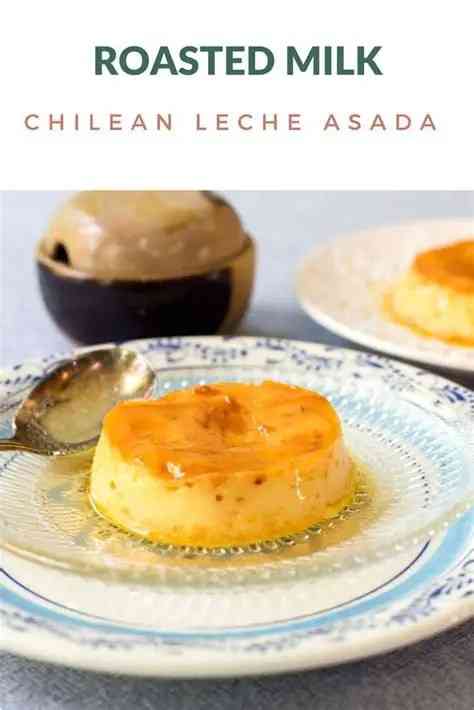
- Serves: 6 People
- Prepare Time: 20 minutes
- Cooking Time: 45-55 minut
- Calories: -
- Difficulty: Easy
Hey there, fellow dessert lovers! Are you ready to dive into a truly delightful and surprisingly simple treat that’s big on flavor? Let me introduce you to Leche Asada, also known as "roasted milk custard." If you're on the hunt for easy to make recipes for dessert that feel a little special, you've hit the jackpot. This isn't just any sweet treat; it’s a creamy, dreamy baked custard with a gorgeous caramel bottom, a bit like a rustic flan or a super-smooth bread pudding.
Leche Asada is a beloved home-style dessert across Chile, Peru, and other parts of Latin America. It's the kind of comfort food that graces weekday tables, not just holidays, bringing a smile to everyone’s face. What makes it different from its cousin, flan? Well, it typically bakes without a water bath (though you can totally add one for extra creaminess!), often at a slightly higher temperature, resulting in a slightly firmer, more rustic texture.
Ready to find out how to make Leche Asada? You're going to absolutely love this recipe!
Sweetened condensed milk recipes for the win! You probably already have a can of sweetened condensed milk in your pantry, making this a super accessible dessert.
It calls for only a handful of simple ingredients – no fancy stuff needed!
No complicated water bath required, making it a truly simple recipe for dessert. (But hey, if you want an extra-creamy version, we’ll tell you how to add one!).
It's the perfect make-ahead dessert: it sets beautifully in the fridge and slices or scoops like a dream.
This sweet dessert feels special enough for guests but is easy enough to whip up for a regular weeknight treat.
So, if you’re looking for recipes using condensed milk or a fantastic milk and condensed milk recipe, let's get baking!
Ingredients
Directions
- Equipment You'll Need:
- Medium saucepan (for caramel)
- 8x8-inch glass or ceramic baking dish (or similar capacity, like a 9-inch round pie plate)
- Large mixing bowl or blender
- Whisk or blender, heat-safe spatula
- Optional: roasting pan + hot water (if using a water bath)
- Optional: Instant-read thermometer
- Prep the Pan and Oven
- Preheat your oven to 350°F (175°C).
- Lightly grease your 8x8-inch baking dish. Place the dish on a rimmed baking sheet – this catches any potential spills and makes it easier to transfer in and out of the oven.
- Optional Water Bath Setup: If you want an extra-creamy custard, place your greased baking dish inside a larger roasting pan. We’ll add hot water to the roasting pan later.
- Make the Caramel
- In a medium saucepan, combine the granulated sugar and water (and optional lemon juice/cream of tartar, if using). Cook over medium heat, stirring gently until the sugar dissolves.
- Once the sugar is dissolved, stop stirring! Let it cook undisturbed. Watch carefully as it transitions from clear to a pale yellow, then to a beautiful light tea or amber color. This usually takes 8-12 minutes.
- Warning: Caramel can go from perfect to burnt very quickly! Keep a close eye on it. If it starts to look grainy or crystallize, it's best to start over.
- As soon as it reaches that lovely amber color, immediately remove the saucepan from the heat. Carefully and quickly pour the hot caramel into your prepared baking dish. Tilt the dish gently to coat the entire bottom (and a bit up the sides, if you like). The caramel will harden as it cools.
- Mix the CustardIn a large mixing bowl, whisk together the eggs, sweetened condensed milk, regular milk, heavy cream (if using), vanilla extract, and a pinch of salt. Whisk until everything is smooth and well combined, but try not to create too much foam.
- Pro Tip for Smoothness: For an extra-silky custard, you can optionally strain the mixture through a fine-mesh sieve into another bowl. This removes any chalazae (the white stringy bits in eggs) and helps catch any air bubbles, leading to a smoother final product.
- Gently pour the custard mixture over the hardened caramel in your baking dish.
- Bake Carefully place the baking dish (on its rimmed tray) into the preheated oven.
- If using a water bath: Carefully pour hot water into the larger roasting pan until it comes about halfway up the sides of your baking dish.
- Bake for 45-55 minutes. The Leche Asada is done when the edges are set and lightly browned, but the center still jiggles slightly like a firm Jell-O when you gently shake the pan.
- Thermometer Test (Optional but Handy): If you're using an instant-read thermometer, the internal temperature in the center should register around 170-175°F (77-79°C).
- Don't panic if your custard rises significantly in the oven! It's completely normal for it to puff up and then gently collapse as it cools.
- Cool, Chill & Serve
- Once baked, carefully remove the baking dish from the oven (and the water bath, if used). Let it cool completely to room temperature on a wire rack.
- Once cool, cover the dish with plastic wrap and refrigerate for at least a few hours, or ideally overnight. This chilling time is crucial for the custard to fully set and for the flavors to meld beautifully.
- Serving Options:
- Scooped (Home-Style): For a truly Chilean, home-style experience, simply scoop generous portions directly from the pan into bowls. The caramel will be at the bottom, creating a delicious sauce with each spoonful.
- Unmolded (Party-Style): If you want to unmold the whole custard onto a platter, run a thin knife carefully around the edges of the dish to loosen it. Place your serving platter upside down over the baking dish, then, holding both together firmly, quickly and confidently invert them. The caramel will now be on top, glistening beautifully!
- Simple Serving Ideas: Sprinkle with a little ground cinnamon, add some fresh berries, or drizzle with extra caramel sauce if you have some on hand.
You may also like

Hey there! I’m just someone who seriously loves good food and believes that cooking doesn’t have to be complicated to be amazing. Whether it’s a quick weeknight dinner or a cozy weekend meal, I’m all about sharing easy, tasty recipes that actually work.