Crispy Acarajé - Fried Shrimp Recipe
Crispy Acarajé - Fried Shrimp Recipe
- Serves: 4 People
- Prepare Time: 45 minutes
- Cooking Time: 30 minutes
- Calories: -
- Difficulty: Medium
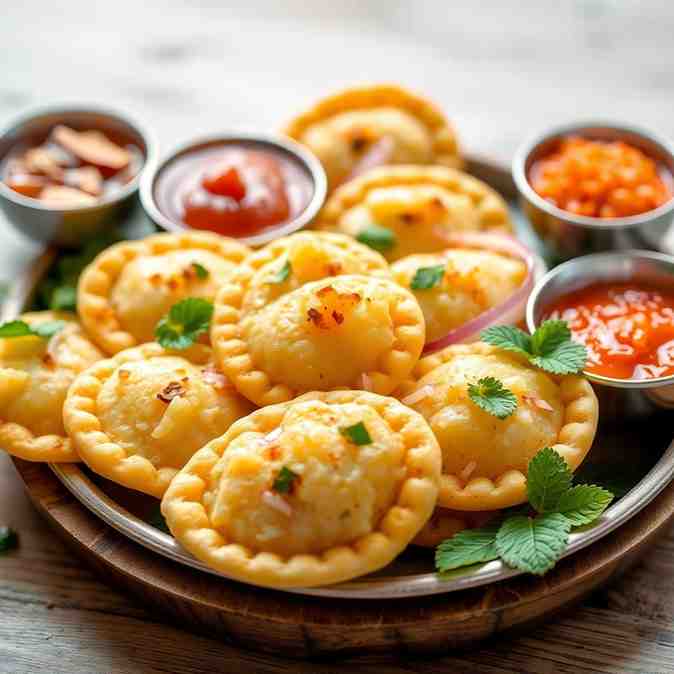
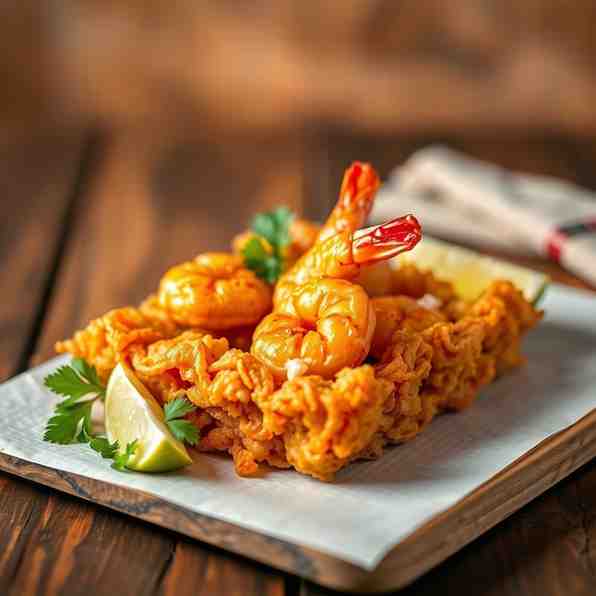
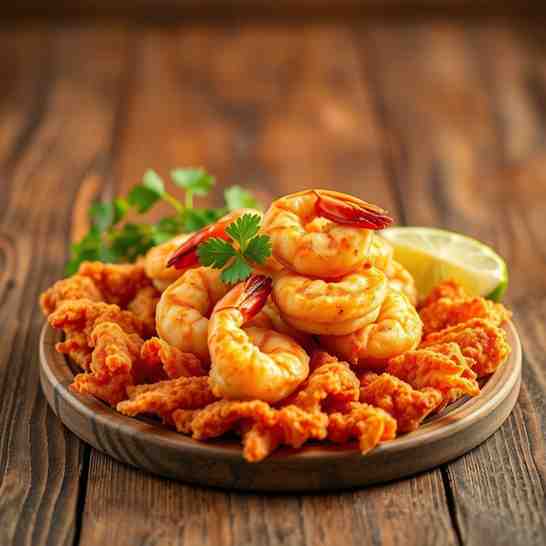
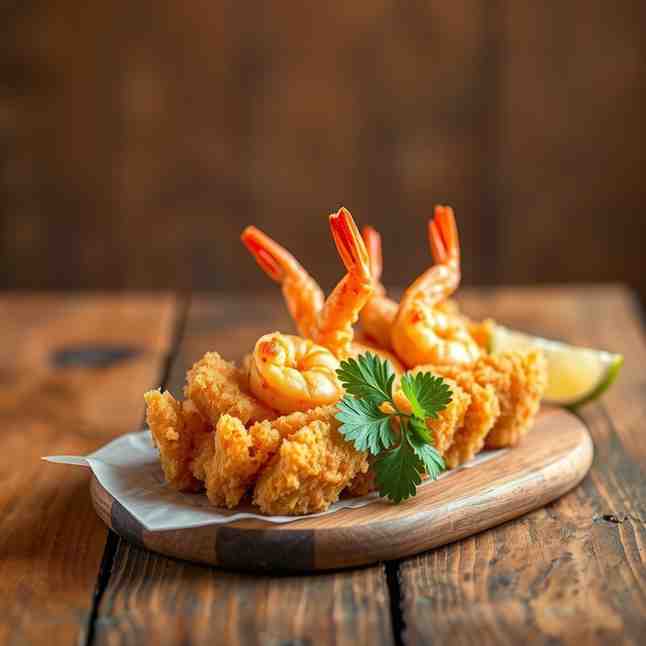
Welcome to the vibrant world of Bahian street food! Today, we're diving deep into Acarajé, a truly special dish that takes the idea of a fried shrimp recipe to a whole new level. Forget your typical battered shrimp; Acarajé offers a unique culinary adventure. These crispy, savory fritters, made from black-eyed peas, are traditionally split open and filled with deliciousness. Our definitive recipe elevates this experience with a bold, spicy shrimp and pepper sauce that's bursting with flavor.
This isn't just another shrimp and sauce recipe; it's a meticulously crafted guide designed to give you perfectly crispy shrimp fritters with a soft, fluffy interior, all complemented by a rich, aromatic filling. We've optimized every step to ensure a truly satisfying result, making it easy for you to master the best way to season shrimp and create an unforgettable meal. Plus, you'll be happy to know that this version is gluten-free by design, making it accessible for even more food lovers. Get ready to impress your taste buds with this incredible dish!
Ingredients
Directions
- Soak & De-Skin the Peas
- Place the dried black-eyed peas in a large bowl and cover them with plenty of cold water, ensuring at least 3 inches of water above the peas. Let them soak overnight (8-12 hours) at room temperature. The peas will swell significantly.
- Drain the soaked peas. To remove the skins efficiently, place a handful of peas in a clean kitchen towel and rub them vigorously. Alternatively, gently rub handfuls of peas between your palms under running water. The skins will loosen and float.
- Place the rubbed peas back into a large bowl, cover with fresh water, and agitate them with your hands. The skins will float to the top; skim them off and discard. Repeat this process of rubbing, rinsing, and skimming until most of the skins are removed. Don’t strive for absolute perfection; "good enough" means about 80-90% of the skins are gone.
- Make the Batter & Aerate It
- In a food processor, combine the de-skinned black-eyed peas and the roughly chopped onion. Process until you achieve a very smooth, thick paste. You may need to stop and scrape down the sides multiple times. Avoid adding water if possible; the natural moisture from the onion and peas should be sufficient.
- Transfer the pea mixture to a large bowl. Add 1 teaspoon of salt.
- Using a stand mixer with a whisk attachment, an electric hand mixer, or vigorous hand beating with a wooden spoon, beat the batter for 10-15 minutes. The goal is to incorporate air, making the batter lighter in color, fluffier, and slightly increased in volume. It should be thick but spoonable.
- Prepare the Shrimp & Pepper Sauce
- If using frozen shrimp, thaw them completely in the refrigerator overnight or by submerging them in a bowl of cold water for 15-20 minutes. Pat the shrimp thoroughly dry with paper towels; this is crucial for proper searing and seasoning. Devein the shrimp if not already done.
- In a medium saucepan or skillet, heat 1 tablespoon of dendê oil (or neutral oil) over medium heat. Add the diced onion, minced garlic, grated ginger, and minced hot pepper. Sweat the aromatics for 3-5 minutes until softened and fragrant.
- Add the patted-dry shrimp to the pan. Cook for just 1-2 minutes per side until they start to turn pink. Do not overcook them at this stage, as they will finish cooking later. Remove the shrimp from the pan and set aside.
- To the same pan, add the coconut milk, roasted peanuts, cashews, and diced tomato (if using). Bring to a gentle simmer, then reduce heat and cook for 5-7 minutes, allowing the flavors to meld.
- Carefully transfer the sauce mixture to a blender or food processor. Blend until completely smooth and creamy.
- Return the blended sauce to the pan. In a small bowl, whisk the toasted cassava flour with a tablespoon or two of water to create a slurry. Stir the slurry into the sauce. Bring the sauce to a gentle simmer, stirring constantly, until it thickens to a spoonable consistency (like a thick gravy).
- Return the partially cooked shrimp to the sauce. Stir in the lime juice, salt, and black pepper. Taste and adjust seasonings as needed. Keep warm over very low heat while you fry the acarajé.
- Fry the Acarajé
- In a deep, heavy-bottomed pot or Dutch oven, pour enough dendê oil (or a 50/50 mix of dendê and neutral oil) to reach a depth of at least 3-4 inches. Heat the oil over medium-high heat to a target temperature range of 350-375°F (175-190°C). Use a deep-fry thermometer to monitor the temperature.
- Once the oil is at temperature, carefully drop spoonfuls of the acarajé batter into the hot oil. A good portion size is about 1-2 tablespoons per fritter. Do not overcrowd the pot; fry in batches to maintain oil temperature.
- Fry the acarajé for 4-6 minutes, flipping them occasionally, until they are deep golden brown and crispy on all sides. They should float and puff up.
- Using a slotted spoon or spider, carefully remove the fried fritters from the oil. Transfer them to a wire rack set over a baking sheet to drain any excess oil. (A wire rack is preferred over paper towels to prevent sogginess). Repeat with the remaining batter.
- Fill & Serve
- Once the acarajé are slightly cooled but still warm, carefully make a slit lengthwise down the side of each fritter, being careful not to cut all the way through. You want to create a pocket.
- Spoon a generous amount of the warm spicy shrimp and pepper sauce into the pocket of each acarajé.
- Serve immediately, garnished with extra hot sauce and chopped cilantro if desired, for maximum crispness and flavor. Enjoy your shrimps in sauce in this exciting new way!
Crispy Acarajé - Fried Shrimp Recipe
- Serves: 4 People
- Prepare Time: 45 minutes
- Cooking Time: 30 minutes
- Calories: -
- Difficulty: Medium
Welcome to the vibrant world of Bahian street food! Today, we're diving deep into Acarajé, a truly special dish that takes the idea of a fried shrimp recipe to a whole new level. Forget your typical battered shrimp; Acarajé offers a unique culinary adventure. These crispy, savory fritters, made from black-eyed peas, are traditionally split open and filled with deliciousness. Our definitive recipe elevates this experience with a bold, spicy shrimp and pepper sauce that's bursting with flavor.
This isn't just another shrimp and sauce recipe; it's a meticulously crafted guide designed to give you perfectly crispy shrimp fritters with a soft, fluffy interior, all complemented by a rich, aromatic filling. We've optimized every step to ensure a truly satisfying result, making it easy for you to master the best way to season shrimp and create an unforgettable meal. Plus, you'll be happy to know that this version is gluten-free by design, making it accessible for even more food lovers. Get ready to impress your taste buds with this incredible dish!
Ingredients
Directions
- Soak & De-Skin the Peas
- Place the dried black-eyed peas in a large bowl and cover them with plenty of cold water, ensuring at least 3 inches of water above the peas. Let them soak overnight (8-12 hours) at room temperature. The peas will swell significantly.
- Drain the soaked peas. To remove the skins efficiently, place a handful of peas in a clean kitchen towel and rub them vigorously. Alternatively, gently rub handfuls of peas between your palms under running water. The skins will loosen and float.
- Place the rubbed peas back into a large bowl, cover with fresh water, and agitate them with your hands. The skins will float to the top; skim them off and discard. Repeat this process of rubbing, rinsing, and skimming until most of the skins are removed. Don’t strive for absolute perfection; "good enough" means about 80-90% of the skins are gone.
- Make the Batter & Aerate It
- In a food processor, combine the de-skinned black-eyed peas and the roughly chopped onion. Process until you achieve a very smooth, thick paste. You may need to stop and scrape down the sides multiple times. Avoid adding water if possible; the natural moisture from the onion and peas should be sufficient.
- Transfer the pea mixture to a large bowl. Add 1 teaspoon of salt.
- Using a stand mixer with a whisk attachment, an electric hand mixer, or vigorous hand beating with a wooden spoon, beat the batter for 10-15 minutes. The goal is to incorporate air, making the batter lighter in color, fluffier, and slightly increased in volume. It should be thick but spoonable.
- Prepare the Shrimp & Pepper Sauce
- If using frozen shrimp, thaw them completely in the refrigerator overnight or by submerging them in a bowl of cold water for 15-20 minutes. Pat the shrimp thoroughly dry with paper towels; this is crucial for proper searing and seasoning. Devein the shrimp if not already done.
- In a medium saucepan or skillet, heat 1 tablespoon of dendê oil (or neutral oil) over medium heat. Add the diced onion, minced garlic, grated ginger, and minced hot pepper. Sweat the aromatics for 3-5 minutes until softened and fragrant.
- Add the patted-dry shrimp to the pan. Cook for just 1-2 minutes per side until they start to turn pink. Do not overcook them at this stage, as they will finish cooking later. Remove the shrimp from the pan and set aside.
- To the same pan, add the coconut milk, roasted peanuts, cashews, and diced tomato (if using). Bring to a gentle simmer, then reduce heat and cook for 5-7 minutes, allowing the flavors to meld.
- Carefully transfer the sauce mixture to a blender or food processor. Blend until completely smooth and creamy.
- Return the blended sauce to the pan. In a small bowl, whisk the toasted cassava flour with a tablespoon or two of water to create a slurry. Stir the slurry into the sauce. Bring the sauce to a gentle simmer, stirring constantly, until it thickens to a spoonable consistency (like a thick gravy).
- Return the partially cooked shrimp to the sauce. Stir in the lime juice, salt, and black pepper. Taste and adjust seasonings as needed. Keep warm over very low heat while you fry the acarajé.
- Fry the Acarajé
- In a deep, heavy-bottomed pot or Dutch oven, pour enough dendê oil (or a 50/50 mix of dendê and neutral oil) to reach a depth of at least 3-4 inches. Heat the oil over medium-high heat to a target temperature range of 350-375°F (175-190°C). Use a deep-fry thermometer to monitor the temperature.
- Once the oil is at temperature, carefully drop spoonfuls of the acarajé batter into the hot oil. A good portion size is about 1-2 tablespoons per fritter. Do not overcrowd the pot; fry in batches to maintain oil temperature.
- Fry the acarajé for 4-6 minutes, flipping them occasionally, until they are deep golden brown and crispy on all sides. They should float and puff up.
- Using a slotted spoon or spider, carefully remove the fried fritters from the oil. Transfer them to a wire rack set over a baking sheet to drain any excess oil. (A wire rack is preferred over paper towels to prevent sogginess). Repeat with the remaining batter.
- Fill & Serve
- Once the acarajé are slightly cooled but still warm, carefully make a slit lengthwise down the side of each fritter, being careful not to cut all the way through. You want to create a pocket.
- Spoon a generous amount of the warm spicy shrimp and pepper sauce into the pocket of each acarajé.
- Serve immediately, garnished with extra hot sauce and chopped cilantro if desired, for maximum crispness and flavor. Enjoy your shrimps in sauce in this exciting new way!
You may also like

Hey there! I’m just someone who seriously loves good food and believes that cooking doesn’t have to be complicated to be amazing. Whether it’s a quick weeknight dinner or a cozy weekend meal, I’m all about sharing easy, tasty recipes that actually work.