
Ambuyat - Brunei's Sago and Tapioca Delicacy
Ambuyat - Brunei's Sago and Tapioca Delicacy
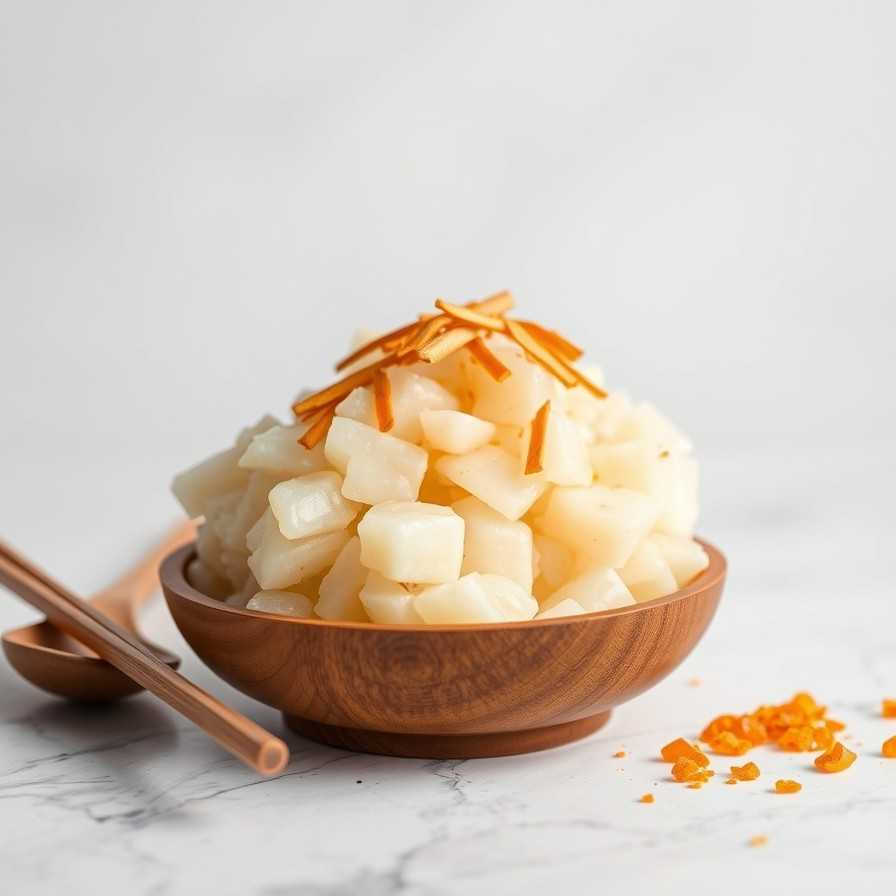
- Serves: 4 People
- Prepare Time: 15 minutes
- Cooking Time: 10 minutes
- Calories: -
- Difficulty: Easy
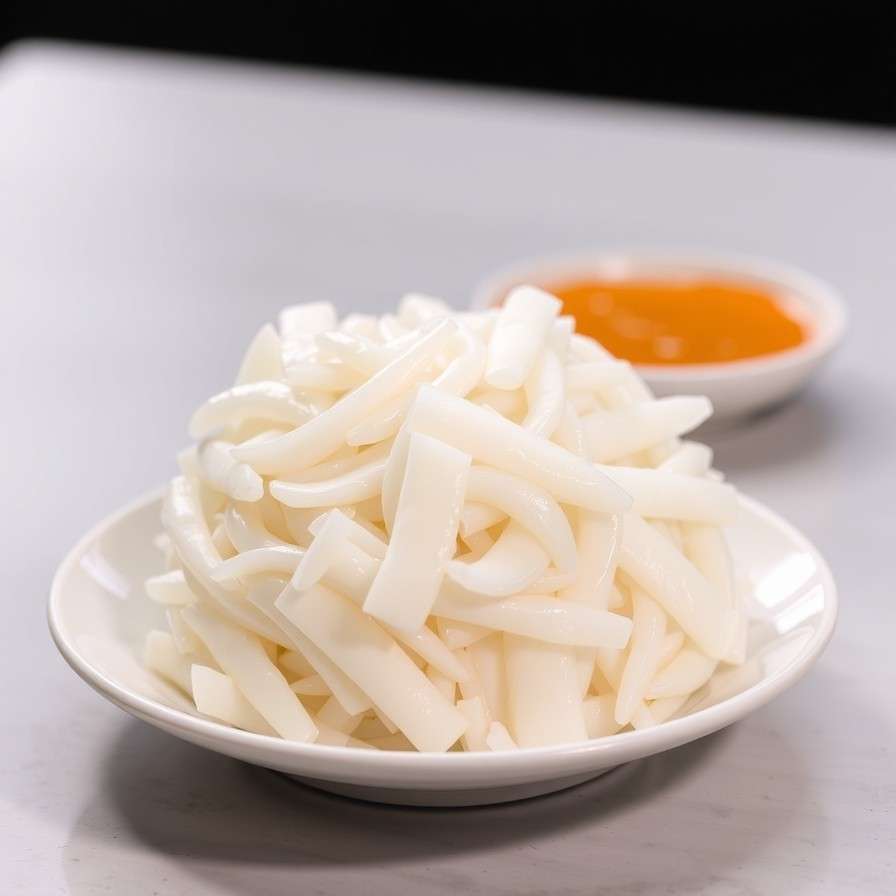
Welcome to the heart of Bruneian culinary tradition! Today, we're diving into the fascinating world of Ambuyat, a truly unique and beloved national dish. If you've ever wondered about the magic of sago and tapioca starch, get ready to be amazed. Ambuyat isn't just food; it's an experience, a communal delight, and a staple that embodies the spirit of Bruneian hospitality. This gelatinous, almost translucent delicacy, often served with an array of flavorful dipping sauces (known as cacah), offers a texture unlike anything you've likely tried before. It's designed to be slurped and savored, providing a neutral canvas for the vibrant, spicy, and tangy accompaniments. Whether you're a seasoned chef or a curious beginner, this guide will walk you through crafting your own authentic Ambuyat, allowing you to bring a piece of Brunei's rich food culture right into your kitchen. Prepare to learn how to master this traditional dish, understand its significance, and discover why it's a cherished part of Bruneian heritage.
Ingredients
Directions
- Prepare the Starch: In a heatproof bowl, combine the sago starch with 1/2 cup of cold water. Stir well with a spoon or spatula until you have a smooth, lump-free paste. This step is crucial for preventing lumps later!
- Add Boiling Water: Slowly pour the 3 cups of boiling water into the sago paste while continuously stirring vigorously. The mixture will immediately begin to thicken and turn translucent. Keep stirring until the entire mixture transforms into a thick, sticky, and gelatinous mass. It should be mostly clear with a slight opalescent sheen.
- Rest and Serve: Once fully transformed, let the Ambuyat sit for 1-2 minutes. It will become even firmer. Serve immediately while warm, alongside your chosen dipping sauces.
- Sambal Belacan (Spicy Shrimp Paste Dip) Step-by-Step Instructions
- Toast Belacan: If your belacan isn't already toasted, gently toast it in a dry pan over low heat for 1-2 minutes until fragrant. Be careful not to burn it. This enhances its flavor.
- Prepare Ingredients: Roughly chop the chilies and shallot.
- Pound or Blend: In a mortar and pestle (for the most authentic texture) or a small food processor, combine the toasted belacan, chilies, shallot, sugar, and salt. Pound or pulse until you get a coarse paste.
- Add Lime Juice: Stir in the lime juice. Taste and adjust seasoning, adding more sugar, salt, or lime juice as needed. If the sambal is too thick, add a tablespoon of hot water to reach your desired consistency.
- Serve: Transfer the Sambal Belacan to a small serving bowl. This dip is best made fresh but can be refrigerated for a day.
Ambuyat - Brunei's Sago and Tapioca Delicacy

- Serves: 4 People
- Prepare Time: 15 minutes
- Cooking Time: 10 minutes
- Calories: -
- Difficulty: Easy
Welcome to the heart of Bruneian culinary tradition! Today, we're diving into the fascinating world of Ambuyat, a truly unique and beloved national dish. If you've ever wondered about the magic of sago and tapioca starch, get ready to be amazed. Ambuyat isn't just food; it's an experience, a communal delight, and a staple that embodies the spirit of Bruneian hospitality. This gelatinous, almost translucent delicacy, often served with an array of flavorful dipping sauces (known as cacah), offers a texture unlike anything you've likely tried before. It's designed to be slurped and savored, providing a neutral canvas for the vibrant, spicy, and tangy accompaniments. Whether you're a seasoned chef or a curious beginner, this guide will walk you through crafting your own authentic Ambuyat, allowing you to bring a piece of Brunei's rich food culture right into your kitchen. Prepare to learn how to master this traditional dish, understand its significance, and discover why it's a cherished part of Bruneian heritage.
Ingredients
Directions
- Prepare the Starch: In a heatproof bowl, combine the sago starch with 1/2 cup of cold water. Stir well with a spoon or spatula until you have a smooth, lump-free paste. This step is crucial for preventing lumps later!
- Add Boiling Water: Slowly pour the 3 cups of boiling water into the sago paste while continuously stirring vigorously. The mixture will immediately begin to thicken and turn translucent. Keep stirring until the entire mixture transforms into a thick, sticky, and gelatinous mass. It should be mostly clear with a slight opalescent sheen.
- Rest and Serve: Once fully transformed, let the Ambuyat sit for 1-2 minutes. It will become even firmer. Serve immediately while warm, alongside your chosen dipping sauces.
- Sambal Belacan (Spicy Shrimp Paste Dip) Step-by-Step Instructions
- Toast Belacan: If your belacan isn't already toasted, gently toast it in a dry pan over low heat for 1-2 minutes until fragrant. Be careful not to burn it. This enhances its flavor.
- Prepare Ingredients: Roughly chop the chilies and shallot.
- Pound or Blend: In a mortar and pestle (for the most authentic texture) or a small food processor, combine the toasted belacan, chilies, shallot, sugar, and salt. Pound or pulse until you get a coarse paste.
- Add Lime Juice: Stir in the lime juice. Taste and adjust seasoning, adding more sugar, salt, or lime juice as needed. If the sambal is too thick, add a tablespoon of hot water to reach your desired consistency.
- Serve: Transfer the Sambal Belacan to a small serving bowl. This dip is best made fresh but can be refrigerated for a day.
The following nutritional values are per serving (one piece of cake) Calories ~160-180 kcal Carbohydrates ~40-45g Protein ~0g Fat ~0g Fiber ~0g (negligible) Time-Saving Tools & Ingredients Sometimes, a little help in the kitchen can go a long way, especially when you're trying a new dish like Ambuyat! While you don't need any fancy gadgets, these recommendations can make your cooking experience smoother and quicker. Problem: Lumpy Ambuyat Paste Problem: Ever tried mixing a paste and ended up with stubborn lumps that just won't go away? When making Ambuyat, getting that perfectly smooth, gelatinous texture can be a bit tricky, especially when you're pouring hot water into sago starch. Problem: Crafting the perfect dipping sauce, like a spicy sambal or tangy tempoyak, often involves a bit of chopping, blending, and simmering. While delicious, these steps can add significant time to your overall meal prep. Click any ingredient for detailed nutritional information:Recipe Nutritional Values
Additional Information
Recipe Success Tips
Ingredient Substitutions & Variations
Cultural Variations
Make-Ahead & Storage Instructions
Frequently Asked Questions
Recommended Kitchen Tools
good quality, sturdy whisk
Agitate: Lumps not only ruin the smooth mouthfeel of Ambuyat but can also make it difficult to scoop and enjoy with your dipping sauces. Nobody wants a clumpy Ambuyat experience!
Solution: A good quality, sturdy whisk or traditional bamboo 'candas' (chopsticks). These tools allow for rapid, even mixing, breaking down any starch clumps quickly as you add hot water. This ensures a beautifully smooth and translucent Ambuyat every time, saving you frustration and extra mixing time.Ready-made tamarind paste
Agitate: Who wants to spend ages preparing sauces when the Ambuyat itself is so quick to make? If you're short on time, the thought of extensive sauce preparation might even deter you from making this wonderful dish.
Solution:Ready-made tamarind paste and pre-made chili paste or sambal. Using high-quality, store-bought tamarind paste eliminates the need to soak and strain tamarind pulp from scratch. Similarly, a good jarred chili paste can be the base for a quick sambal, saving you all that chopping and blending of fresh chilies. These ingredients dramatically cut down sauce prep time, letting you focus on enjoying your meal.Calories per Ingredient
Nutritional Benefits:
Nutritional Benefits:
Resources & References
You may also like




Hey there! I’m just someone who seriously loves good food and believes that cooking doesn’t have to be complicated to be amazing. Whether it’s a quick weeknight dinner or a cozy weekend meal, I’m all about sharing easy, tasty recipes that actually work.