
Beninese Amiwo Recipe
Beninese Amiwo Recipe
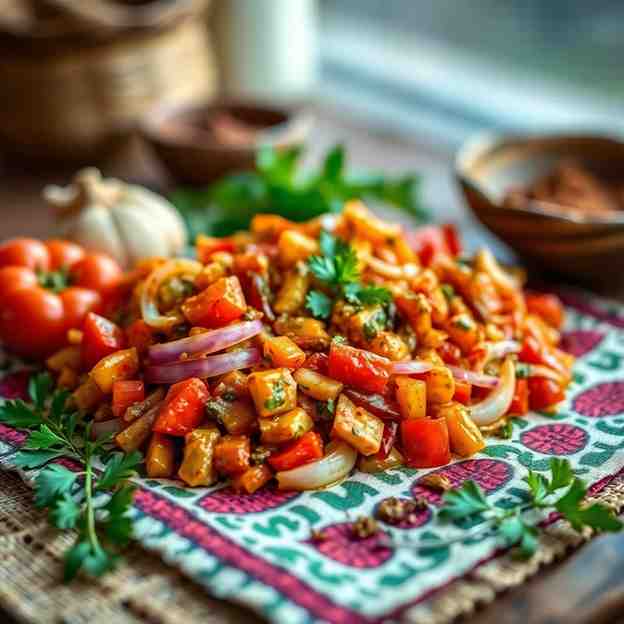
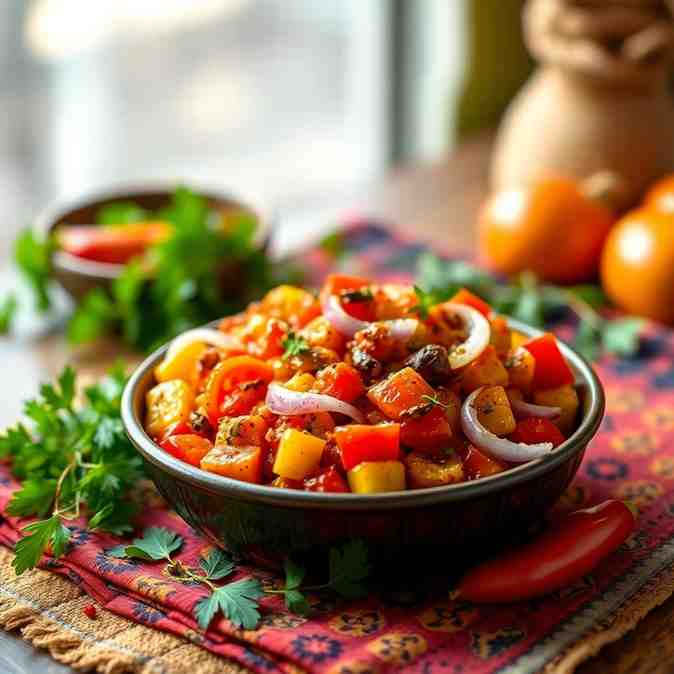
- Serves: 4 People
- Prepare Time: 25 minutes
- Cooking Time: 65 minutes
- Calories: -
- Difficulty: Medium
Ready to discover authentic country food recipes that transport you around the globe? Get ready to explore the vibrant food of the world with our easy to cook healthy recipe for Amiwo! This classic Beninese Red Cornmeal with Chicken is an incredible gateway to travel and cooking, bringing the rich flavors of Benin right into your kitchen. Whether you're looking for easy healthy meals at home for a family or even a satisfying recipe for one, Amiwo is a comforting, hearty dish that’s surprisingly simple. Forget complicated steps; this recipe is easy and focuses on fresh, bold flavors. Our Amiwo recipe guides you through making a cozy, polenta-like cornmeal paste with bright tomato and pepper flavors, perfectly paired with tender chicken. It’s the ultimate one-pot comfort food that lets you discover authentic Beninese cuisine and explore the flavors of Benin without leaving your home. Let's get cooking food recipe magic started!
It’s a classic Beninese comfort dish you can make with simple pantry ingredients.
One pot for the paste, plus simple pan-roasted or oven-finished chicken for minimal cleanup.
Enjoy a cozy, polenta-like texture with bright tomato and pepper flavors that truly sing.
Amiwo isn't just a meal; it's an invitation to discover authentic Beninese cuisine and explore the flavors of Benin through a dish that’s beloved and deeply satisfying.
Amiwo, also known as Djèwô in some parts of Benin or Djenkoumé in neighboring Togo, is a staple in southern Benin. At its heart, it's a simple yet incredibly flavorful dish consisting of cornmeal cooked in a rich tomato and oil base until it forms a firm, scoopable paste. It’s often served with chicken or fish, creating a complete and nourishing meal. This recipe is thoughtfully adapted for a home US kitchen, ensuring you can find all the ingredients easily while staying true to the authentic spirit of Amiwo.
Here’s a look at what makes Amiwo truly special, along with some helpful tips for your shopping list:
Cornmeal / corn flour
For the best results, a medium-grind cornmeal works wonderfully, giving you that perfect firm yet tender texture. If you use a finer grind, you might need slightly less liquid, and for a coarser grind, a little more.
Tomato base
We use a combination of tomato paste for deep umami and canned crushed tomatoes for body and freshness. If you prefer, fresh ripe tomatoes (peeled and chopped) can be used for an even brighter flavor.
Chicken
Bone-in chicken thighs or drumsticks are ideal here. They provide incredible flavor and keep the chicken moist, giving you that rustic “bicycle chicken” vibe without needing a specific breed.
Aromatics & spices
Onions, garlic, and a touch of thyme or parsley form the aromatic backbone. For an extra layer of authentic savoriness, a pinch of dried shrimp powder (or a few whole dried shrimp, finely ground) is a fantastic, albeit optional, addition.
Oil
Traditional Amiwo often uses palm oil, which lends a distinctive color and flavor. If you can find it, go for it! Otherwise, a neutral oil like vegetable or canola oil works perfectly. To mimic the color, a pinch of smoked paprika can be added to your neutral oil.
Tools you’ll need:
A heavy-bottomed pot or Dutch oven (your one-pot hero!)
A sturdy whisk or wooden spoon (essential for lump-free Amiwo)
A baking sheet or skillet (for finishing the chicken)
Ingredients
Directions
- Season and Start the ChickenSeason your chicken pieces generously with salt, black pepper, garlic powder (or fresh minced garlic), and dried thyme.
Heat 1 tablespoon of neutral oil in your heavy pot or Dutch oven over medium-high heat.
Brown the chicken pieces on all sides until golden, about 3-4 minutes per side.
Don’t worry about cooking them through yet. Once browned, add 1 cup of water or chicken broth to the pot, bring to a simmer, then reduce heat, cover, and let the chicken simmer gently for about 20 minutes until it’s almost cooked.
Carefully remove the chicken from the pot and set aside. - Reserve the cooking liquid in a separate bowl – this rich liquid is essential for your tomato base!
- Make the Tomato–Onion–Pepper BaseWipe out your pot if necessary, or simply continue with the flavorful drippings.
Add the 2 tablespoons of palm oil (or neutral oil + smoked paprika) to the pot over medium heat.
Sauté the finely chopped onion until it's soft and translucent, about 5-7 minutes.
Add the minced garlic and cook for another minute until fragrant.
Stir in the tomato paste and cook it out for about 5 minutes, stirring constantly, until it deepens in color and loses its raw, metallic taste. - This step is key for a rich sauce!
Now, add the crushed tomatoes (or fresh chopped tomatoes) and ½ cup of your reserved chicken stock.
If using, add the whole Scotch bonnet or habanero chili for a milder infusion of heat.
Bring the mixture to a simmer, then reduce the heat to low and let it cook gently for 15-20 minutes, stirring occasionally, until the sauce is rich, slightly thickened, and the flavors have melded beautifully.
Taste and adjust salt as needed. - Finish the ChickenTake your almost-cooked chicken pieces and coat them lightly in some of the delicious tomato mixture you just made. You have two options for finishing:
- Pan-sear: Return the chicken pieces to the same pot (or a separate skillet) and pan-sear them over medium-high heat until the skin is beautifully browned and slightly crispy, and the chicken is cooked through. This keeps things nicely one-pan.
- Roast: Alternatively, arrange the chicken on a baking sheet and roast in a preheated oven at 400°F (200°C) for 15-20 minutes, or until browned and fully cooked.
- Cook the Amiwo Paste (The Red Cornmeal)Return the remaining tomato–stock mixture in your pot to a gentle simmer over medium-low heat.
Top it up with enough water (or more reserved chicken stock) to reach the correct liquid level for cooking your cornmeal (usually about 3-4 cups total liquid, including the tomato mixture).
Once simmering, it’s time for the crucial step: slowly whisk in the cornmeal.
To avoid lumps, you can either create a thin slurry with a bit of cold water first, or add the cornmeal “rain-style” – a little at a time, while continuously whisking vigorously.
Keep stirring over medium-low heat. The mixture will gradually thicken and begin to pull away from the sides of the pot, much like a firm polenta.
This should take about 10-15 minutes. Once it’s thick, cover the pot tightly and let the Amiwo steam gently for another 10-15 minutes, stirring occasionally to prevent the bottom from scorching.
This steaming process ensures the cornmeal is fully cooked and tender. - Shape and ServeOnce the Amiwo is cooked, gently scoop it into individual bowls or lightly oiled ramekins.
Press it down firmly to shape, then carefully unmold it onto serving plates.
Spoon the savory tomato–onion–pepper mixture generously around the Amiwo mound.
Arrange your beautifully finished chicken pieces alongside.
For a fresh touch, sprinkle with some chopped fresh herbs like parsley or cilantro, or a few slices of green chili if you like extra heat.
Serve immediately with simple sides like a crisp green salad, grilled vegetables, or fried plantains. Enjoy your authentic taste of Benin!
Beninese Amiwo Recipe

- Serves: 4 People
- Prepare Time: 25 minutes
- Cooking Time: 65 minutes
- Calories: -
- Difficulty: Medium
Ready to discover authentic country food recipes that transport you around the globe? Get ready to explore the vibrant food of the world with our easy to cook healthy recipe for Amiwo! This classic Beninese Red Cornmeal with Chicken is an incredible gateway to travel and cooking, bringing the rich flavors of Benin right into your kitchen. Whether you're looking for easy healthy meals at home for a family or even a satisfying recipe for one, Amiwo is a comforting, hearty dish that’s surprisingly simple. Forget complicated steps; this recipe is easy and focuses on fresh, bold flavors. Our Amiwo recipe guides you through making a cozy, polenta-like cornmeal paste with bright tomato and pepper flavors, perfectly paired with tender chicken. It’s the ultimate one-pot comfort food that lets you discover authentic Beninese cuisine and explore the flavors of Benin without leaving your home. Let's get cooking food recipe magic started!
It’s a classic Beninese comfort dish you can make with simple pantry ingredients.
One pot for the paste, plus simple pan-roasted or oven-finished chicken for minimal cleanup.
Enjoy a cozy, polenta-like texture with bright tomato and pepper flavors that truly sing.
Amiwo isn't just a meal; it's an invitation to discover authentic Beninese cuisine and explore the flavors of Benin through a dish that’s beloved and deeply satisfying.
Amiwo, also known as Djèwô in some parts of Benin or Djenkoumé in neighboring Togo, is a staple in southern Benin. At its heart, it's a simple yet incredibly flavorful dish consisting of cornmeal cooked in a rich tomato and oil base until it forms a firm, scoopable paste. It’s often served with chicken or fish, creating a complete and nourishing meal. This recipe is thoughtfully adapted for a home US kitchen, ensuring you can find all the ingredients easily while staying true to the authentic spirit of Amiwo.
Here’s a look at what makes Amiwo truly special, along with some helpful tips for your shopping list:
Cornmeal / corn flour
For the best results, a medium-grind cornmeal works wonderfully, giving you that perfect firm yet tender texture. If you use a finer grind, you might need slightly less liquid, and for a coarser grind, a little more.
Tomato base
We use a combination of tomato paste for deep umami and canned crushed tomatoes for body and freshness. If you prefer, fresh ripe tomatoes (peeled and chopped) can be used for an even brighter flavor.
Chicken
Bone-in chicken thighs or drumsticks are ideal here. They provide incredible flavor and keep the chicken moist, giving you that rustic “bicycle chicken” vibe without needing a specific breed.
Aromatics & spices
Onions, garlic, and a touch of thyme or parsley form the aromatic backbone. For an extra layer of authentic savoriness, a pinch of dried shrimp powder (or a few whole dried shrimp, finely ground) is a fantastic, albeit optional, addition.
Oil
Traditional Amiwo often uses palm oil, which lends a distinctive color and flavor. If you can find it, go for it! Otherwise, a neutral oil like vegetable or canola oil works perfectly. To mimic the color, a pinch of smoked paprika can be added to your neutral oil.
Tools you’ll need:
A heavy-bottomed pot or Dutch oven (your one-pot hero!)
A sturdy whisk or wooden spoon (essential for lump-free Amiwo)
A baking sheet or skillet (for finishing the chicken)
Ingredients
Directions
- Season and Start the ChickenSeason your chicken pieces generously with salt, black pepper, garlic powder (or fresh minced garlic), and dried thyme.
Heat 1 tablespoon of neutral oil in your heavy pot or Dutch oven over medium-high heat.
Brown the chicken pieces on all sides until golden, about 3-4 minutes per side.
Don’t worry about cooking them through yet. Once browned, add 1 cup of water or chicken broth to the pot, bring to a simmer, then reduce heat, cover, and let the chicken simmer gently for about 20 minutes until it’s almost cooked.
Carefully remove the chicken from the pot and set aside. - Reserve the cooking liquid in a separate bowl – this rich liquid is essential for your tomato base!
- Make the Tomato–Onion–Pepper BaseWipe out your pot if necessary, or simply continue with the flavorful drippings.
Add the 2 tablespoons of palm oil (or neutral oil + smoked paprika) to the pot over medium heat.
Sauté the finely chopped onion until it's soft and translucent, about 5-7 minutes.
Add the minced garlic and cook for another minute until fragrant.
Stir in the tomato paste and cook it out for about 5 minutes, stirring constantly, until it deepens in color and loses its raw, metallic taste. - This step is key for a rich sauce!
Now, add the crushed tomatoes (or fresh chopped tomatoes) and ½ cup of your reserved chicken stock.
If using, add the whole Scotch bonnet or habanero chili for a milder infusion of heat.
Bring the mixture to a simmer, then reduce the heat to low and let it cook gently for 15-20 minutes, stirring occasionally, until the sauce is rich, slightly thickened, and the flavors have melded beautifully.
Taste and adjust salt as needed. - Finish the ChickenTake your almost-cooked chicken pieces and coat them lightly in some of the delicious tomato mixture you just made. You have two options for finishing:
- Pan-sear: Return the chicken pieces to the same pot (or a separate skillet) and pan-sear them over medium-high heat until the skin is beautifully browned and slightly crispy, and the chicken is cooked through. This keeps things nicely one-pan.
- Roast: Alternatively, arrange the chicken on a baking sheet and roast in a preheated oven at 400°F (200°C) for 15-20 minutes, or until browned and fully cooked.
- Cook the Amiwo Paste (The Red Cornmeal)Return the remaining tomato–stock mixture in your pot to a gentle simmer over medium-low heat.
Top it up with enough water (or more reserved chicken stock) to reach the correct liquid level for cooking your cornmeal (usually about 3-4 cups total liquid, including the tomato mixture).
Once simmering, it’s time for the crucial step: slowly whisk in the cornmeal.
To avoid lumps, you can either create a thin slurry with a bit of cold water first, or add the cornmeal “rain-style” – a little at a time, while continuously whisking vigorously.
Keep stirring over medium-low heat. The mixture will gradually thicken and begin to pull away from the sides of the pot, much like a firm polenta.
This should take about 10-15 minutes. Once it’s thick, cover the pot tightly and let the Amiwo steam gently for another 10-15 minutes, stirring occasionally to prevent the bottom from scorching.
This steaming process ensures the cornmeal is fully cooked and tender. - Shape and ServeOnce the Amiwo is cooked, gently scoop it into individual bowls or lightly oiled ramekins.
Press it down firmly to shape, then carefully unmold it onto serving plates.
Spoon the savory tomato–onion–pepper mixture generously around the Amiwo mound.
Arrange your beautifully finished chicken pieces alongside.
For a fresh touch, sprinkle with some chopped fresh herbs like parsley or cilantro, or a few slices of green chili if you like extra heat.
Serve immediately with simple sides like a crisp green salad, grilled vegetables, or fried plantains. Enjoy your authentic taste of Benin!
The following nutritional values are per serving (one piece of cake) Calories ~550-650 kcal Carbohydrates ~50-60g Protein ~35-45g Fat ~25-35g Time-Saving Tools & Ingredients Sometimes, a little help in the kitchen can make all the difference, especially when you're exploring new cuisines! Here are a few recommendations to make your Amiwo journey even smoother: Problem: Chopping onions, garlic, and fresh tomatoes (if you're using them instead of canned) can be time-consuming and sometimes lead to watery eyes! Problem: When adding cornmeal to hot liquid, lumps can form quickly, leading to a grainy or uneven texture in your Amiwo. Problem: Peeling and mincing fresh garlic and ginger adds another step to your prep, especially if you're in a hurry. Click any ingredient for detailed nutritional information:Recipe Nutritional Values
Additional Information
Recipe Success Tips
Ingredient Substitutions & Variations
Cultural Variations
Make-Ahead & Storage Instructions
Frequently Asked Questions
Recommended Kitchen Tools
Food Processor or Mini Chopper
Agitate: All that precise dicing takes away from your cooking flow and adds minutes to your prep time, especially if you're making this for a weeknight dinner.
Solution: A food processor or mini chopper can blitz through these aromatics in seconds, giving you perfectly uniform pieces without the fuss. Just a few pulses, and your base ingredients are ready to hit the pot!Quality Whisk
Agitate: Lumpy Amiwo isn't just disappointing; it means extra effort trying to smooth it out, often without full success, and can even ruin the dish's signature consistency.
Solution: A good quality, sturdy whisk (or a French whisk with many wires) helps you incorporate the cornmeal "rain-style" or as a slurry, ensuring a perfectly smooth, lump-free paste. This saves you from the frustration of trying to break up stubborn clumps later!Pre-Minced Garlic or Ginger Paste
Agitate: While fresh is always great, on a busy day, those extra minutes spent peeling and chopping can deter you from making a delicious homemade meal.
Solution: Keep a jar of good quality pre-minced garlic or ginger paste in your fridge. It’s a fantastic shortcut that delivers great flavor with zero prep work, letting you focus on the cooking process itself.Calories per Ingredient
Resources & References
You may also like



Hey there! I’m just someone who seriously loves good food and believes that cooking doesn’t have to be complicated to be amazing. Whether it’s a quick weeknight dinner or a cozy weekend meal, I’m all about sharing easy, tasty recipes that actually work.