
African Cuisine Recipe - Cameroonian Miondo
African Cuisine Recipe - Cameroonian Miondo
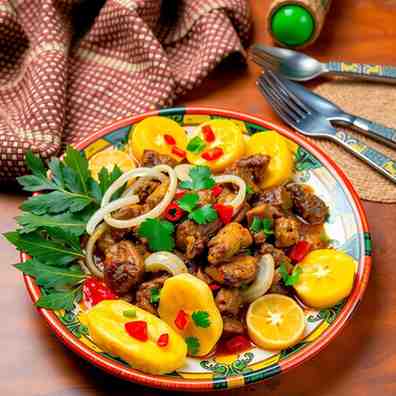
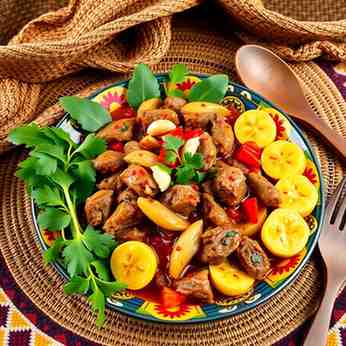
- Serves: 6 People
- Prepare Time: 1 hour (act
- Cooking Time: 1 hour 30 m
- Calories: -
- Difficulty: Easy
Welcome to the heart of Central Africa, right in your kitchen! If you're looking to explore truly authentic `african cuisine recipe`s, you've landed in the perfect spot. Today, we're diving into the delightful world of Miondo – a beloved Cameroonian delicacy that's not only incredibly flavorful but also naturally `plant based gluten free recipes`.
Miondo, known across Central Africa by names like chikwangue, bobolo, or kwanga, is a staple made from fermented cassava dough, expertly wrapped in banana or marantaceae leaves and then steamed into firm, satisfying sticks or spirals. Our recipe focuses on the traditional thin, spiral form cherished in Cameroon. It's a fantastic `plant based vegan recipes` and `vegetarian and gluten free recipes` option, offering a mildly tangy, chewy texture that’s simply perfect for soaking up rich sauces and stews.
This guide will walk you through every step of preparing this traditional `west african cuisine` dish, from selecting fresh cassava to mastering the art of `food cooked in banana leaves`. Whether you’re a seasoned cook or just starting your journey into `plant based food recipes`, our clear, friendly instructions make this intermediate recipe very doable. Get ready to discover a truly unique and delicious `gluten free delicious recipes` that will transport your taste buds straight to Cameroon!
Ingredients
Directions
- 1. Peel, Soak & Ferment the Cassava
- Peel & Cut: Start by thoroughly peeling your fresh cassava roots. Use a sturdy knife to remove the thick brown skin and the pinkish layer beneath it until only the white flesh remains. Cut the peeled cassava into manageable chunks (about 2-3 inches long) and discard any woody cores you find.
- Rinse & Submerge: Rinse the cassava chunks under cold running water until clean. Place them in a large, non-reactive bucket or container and cover completely with clean water, ensuring all pieces are fully submerged.
- Ferment: Let the cassava ferment at a cool room temperature (ideally 68-75°F / 20-24°C) for 2-3 days. This crucial step softens the cassava and begins the fermentation process, which also helps remove natural cyanogenic compounds.
- Change Water: Change the water at least once, preferably twice, daily to keep it fresh and prevent spoilage.
- Check for Readiness: The cassava is ready when it smells pleasantly sour (like sourdough or yogurt, not rotten or foul) and has softened slightly, becoming somewhat pliable.
- Safety Note: If any cassava piece develops a strong rotten smell, unusual discoloration (beyond slight yellowing), or mold, discard it immediately. Trust your nose!
- 2. Drain, Press & Pound into a Smooth Paste
- Drain & Squeeze: Once fermented, drain the cassava thoroughly using a colander or cheesecloth. Squeeze out as much excess liquid as possible. The drier the cassava, the easier it will be to form a firm paste.
- Remove Fibers: Carefully inspect the cassava chunks and remove any remaining fibers or tough bits.
- Pound into Paste: Transfer the drained cassava to a sturdy bowl, mortar and pestle, or a stand mixer fitted with a paddle attachment. Pound or process the cassava until it forms a smooth, cohesive paste with no hard lumps. This may take some time and effort to achieve the right consistency.
- Adjust Moisture: If your paste feels too dry and crumbly, add small splashes of water (a tablespoon at a time) until it comes together. If it's too wet, you can mix in a tiny bit of cassava flour to absorb excess moisture, but aim for a pliable, Play-Doh-like consistency.
- 3. Season & Shape the Cassava Sticks
- Season: Sprinkle the salt over the cassava paste and mix thoroughly until evenly distributed.
- Divide & Roll: Divide the paste into equal portions (each portion will make one Miondo stick). Roll each portion into a long cylinder, about the diameter of a hot dog or slightly thinner, depending on your preferred traditional Miondo style.
- Optional Spirals: For the classic Miondo look, you can optionally twist the cylinder into a spiral shape or double-wrap it for a thicker stick.
- 4. Prep Banana Leaves
- Clean & Trim: Wipe your banana leaves clean with a damp cloth. If using fresh leaves, trim off the tough central rib if it's too thick, as this can make wrapping difficult.
- Soften Leaves: To prevent cracking and make the leaves pliable, quickly pass each leaf over a low gas flame (like on a stovetop burner) until it changes color slightly and becomes shiny. Alternatively, you can briefly blanch the leaves in hot water for about 30 seconds.
- Cut: Cut the softened leaves into rectangles large enough to wrap each cassava log comfortably, with enough overlap to seal.
- 5. Wrap & Tie the Miondo
- Position Cassava: Place one cassava cylinder near the edge of a prepared banana leaf.
- Roll Tightly: Roll the cassava log tightly within the leaf, tucking in the sides as you go to create a secure package.
- Seal Ends: Fold the ends of the banana leaf underneath the roll to seal, or use strips of banana leaf or kitchen twine to tie the ends securely.
- Aim for Firmness: Ensure your rolls are firm but not overly compressed. This allows the steam to penetrate evenly during cooking.
- 6. Steam Until Set
- Arrange in Steamer: Arrange the wrapped Miondo sticks in a steamer basket or on a rack in a large pot with about 1-2 inches of simmering water at the bottom. Ensure the water level is below the Miondo.
- Steam: Cover the pot tightly and steam for approximately 60-90 minutes, depending on the thickness of your Miondo sticks.
- Check for Doneness: The Miondo is fully cooked when it feels firm, bouncy, and set when pressed. There should be no raw, soft center.
- Rest: Once steamed, remove the Miondo from the steamer and let them rest briefly (5-10 minutes). This helps the starches set and improves the final texture.
- 7. Cool, Slice & Serve
- Unwrap & Serve: Unwrap the Miondo from their banana leaves.
- Serving Options: Miondo can be served whole alongside traditional Central African dishes like `ndolé`, rich peanut stews, or grilled fish. You can also slice them into thick coins or rounds.
- Temperature: Enjoy Miondo warm or at room temperature. Its versatile flavor makes it a perfect accompaniment to a wide array of savory dishes.
African Cuisine Recipe - Cameroonian Miondo
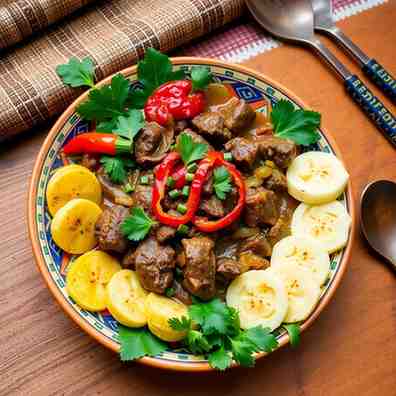
- Serves: 6 People
- Prepare Time: 1 hour (act
- Cooking Time: 1 hour 30 m
- Calories: -
- Difficulty: Easy
Welcome to the heart of Central Africa, right in your kitchen! If you're looking to explore truly authentic `african cuisine recipe`s, you've landed in the perfect spot. Today, we're diving into the delightful world of Miondo – a beloved Cameroonian delicacy that's not only incredibly flavorful but also naturally `plant based gluten free recipes`.
Miondo, known across Central Africa by names like chikwangue, bobolo, or kwanga, is a staple made from fermented cassava dough, expertly wrapped in banana or marantaceae leaves and then steamed into firm, satisfying sticks or spirals. Our recipe focuses on the traditional thin, spiral form cherished in Cameroon. It's a fantastic `plant based vegan recipes` and `vegetarian and gluten free recipes` option, offering a mildly tangy, chewy texture that’s simply perfect for soaking up rich sauces and stews.
This guide will walk you through every step of preparing this traditional `west african cuisine` dish, from selecting fresh cassava to mastering the art of `food cooked in banana leaves`. Whether you’re a seasoned cook or just starting your journey into `plant based food recipes`, our clear, friendly instructions make this intermediate recipe very doable. Get ready to discover a truly unique and delicious `gluten free delicious recipes` that will transport your taste buds straight to Cameroon!
Ingredients
Directions
- 1. Peel, Soak & Ferment the Cassava
- Peel & Cut: Start by thoroughly peeling your fresh cassava roots. Use a sturdy knife to remove the thick brown skin and the pinkish layer beneath it until only the white flesh remains. Cut the peeled cassava into manageable chunks (about 2-3 inches long) and discard any woody cores you find.
- Rinse & Submerge: Rinse the cassava chunks under cold running water until clean. Place them in a large, non-reactive bucket or container and cover completely with clean water, ensuring all pieces are fully submerged.
- Ferment: Let the cassava ferment at a cool room temperature (ideally 68-75°F / 20-24°C) for 2-3 days. This crucial step softens the cassava and begins the fermentation process, which also helps remove natural cyanogenic compounds.
- Change Water: Change the water at least once, preferably twice, daily to keep it fresh and prevent spoilage.
- Check for Readiness: The cassava is ready when it smells pleasantly sour (like sourdough or yogurt, not rotten or foul) and has softened slightly, becoming somewhat pliable.
- Safety Note: If any cassava piece develops a strong rotten smell, unusual discoloration (beyond slight yellowing), or mold, discard it immediately. Trust your nose!
- 2. Drain, Press & Pound into a Smooth Paste
- Drain & Squeeze: Once fermented, drain the cassava thoroughly using a colander or cheesecloth. Squeeze out as much excess liquid as possible. The drier the cassava, the easier it will be to form a firm paste.
- Remove Fibers: Carefully inspect the cassava chunks and remove any remaining fibers or tough bits.
- Pound into Paste: Transfer the drained cassava to a sturdy bowl, mortar and pestle, or a stand mixer fitted with a paddle attachment. Pound or process the cassava until it forms a smooth, cohesive paste with no hard lumps. This may take some time and effort to achieve the right consistency.
- Adjust Moisture: If your paste feels too dry and crumbly, add small splashes of water (a tablespoon at a time) until it comes together. If it's too wet, you can mix in a tiny bit of cassava flour to absorb excess moisture, but aim for a pliable, Play-Doh-like consistency.
- 3. Season & Shape the Cassava Sticks
- Season: Sprinkle the salt over the cassava paste and mix thoroughly until evenly distributed.
- Divide & Roll: Divide the paste into equal portions (each portion will make one Miondo stick). Roll each portion into a long cylinder, about the diameter of a hot dog or slightly thinner, depending on your preferred traditional Miondo style.
- Optional Spirals: For the classic Miondo look, you can optionally twist the cylinder into a spiral shape or double-wrap it for a thicker stick.
- 4. Prep Banana Leaves
- Clean & Trim: Wipe your banana leaves clean with a damp cloth. If using fresh leaves, trim off the tough central rib if it's too thick, as this can make wrapping difficult.
- Soften Leaves: To prevent cracking and make the leaves pliable, quickly pass each leaf over a low gas flame (like on a stovetop burner) until it changes color slightly and becomes shiny. Alternatively, you can briefly blanch the leaves in hot water for about 30 seconds.
- Cut: Cut the softened leaves into rectangles large enough to wrap each cassava log comfortably, with enough overlap to seal.
- 5. Wrap & Tie the Miondo
- Position Cassava: Place one cassava cylinder near the edge of a prepared banana leaf.
- Roll Tightly: Roll the cassava log tightly within the leaf, tucking in the sides as you go to create a secure package.
- Seal Ends: Fold the ends of the banana leaf underneath the roll to seal, or use strips of banana leaf or kitchen twine to tie the ends securely.
- Aim for Firmness: Ensure your rolls are firm but not overly compressed. This allows the steam to penetrate evenly during cooking.
- 6. Steam Until Set
- Arrange in Steamer: Arrange the wrapped Miondo sticks in a steamer basket or on a rack in a large pot with about 1-2 inches of simmering water at the bottom. Ensure the water level is below the Miondo.
- Steam: Cover the pot tightly and steam for approximately 60-90 minutes, depending on the thickness of your Miondo sticks.
- Check for Doneness: The Miondo is fully cooked when it feels firm, bouncy, and set when pressed. There should be no raw, soft center.
- Rest: Once steamed, remove the Miondo from the steamer and let them rest briefly (5-10 minutes). This helps the starches set and improves the final texture.
- 7. Cool, Slice & Serve
- Unwrap & Serve: Unwrap the Miondo from their banana leaves.
- Serving Options: Miondo can be served whole alongside traditional Central African dishes like `ndolé`, rich peanut stews, or grilled fish. You can also slice them into thick coins or rounds.
- Temperature: Enjoy Miondo warm or at room temperature. Its versatile flavor makes it a perfect accompaniment to a wide array of savory dishes.
You may also like


Hey there! I’m just someone who seriously loves good food and believes that cooking doesn’t have to be complicated to be amazing. Whether it’s a quick weeknight dinner or a cozy weekend meal, I’m all about sharing easy, tasty recipes that actually work.



