
Brazilian Carne de Sol Recipe
Brazilian Carne de Sol Recipe
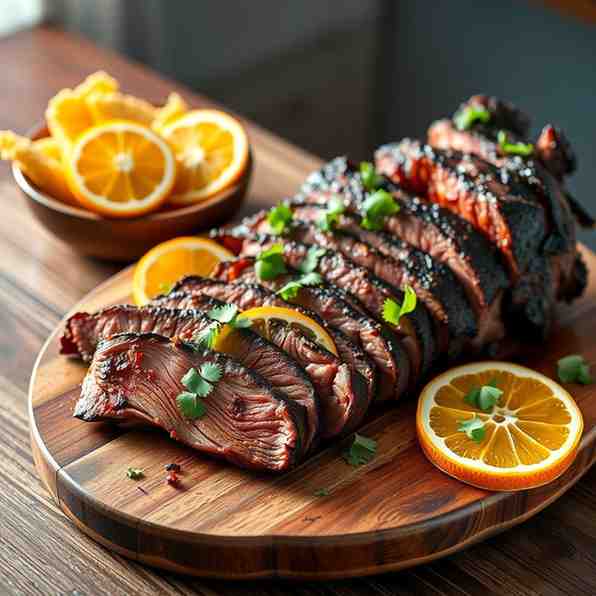
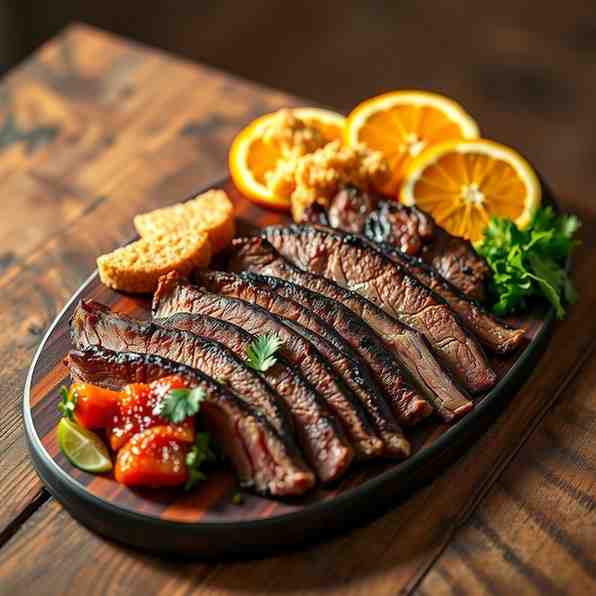
- Serves: 4 People
- Prepare Time: 20 minutes
- Cooking Time: 30 minutes
- Calories: -
- Difficulty: Easy
Ever dreamed of bringing the vibrant flavors of Brazil right into your kitchen? Well, get ready, because today we're diving deep into one of the most iconic brazilian food dishes: Carne de Sol! This isn't just any meat based recipe; it's a culinary journey that transforms a simple cut of beef into a tender, savory delight. Forget those generic meat dishes recipes you've seen – our guide is designed to be your ultimate companion, whether you're a seasoned chef or just starting your adventure cooking with meat. We'll show you exactly how to cook with beef in this traditional style, teaching you how to prepare and properly slice the meat for that authentic taste and texture. We know that making traditional dishes like this, especially when it involves curing, can seem a little tricky, especially if you're outside Brazil. But don't worry! We've made sure this recipe is super clear, globally friendly, and covers everything from precise measurements to food safety. Get ready to impress your taste buds with this truly unique and flavorful brazilian food dish!
Ingredients
Directions
- Part 1: Curing the Carne de Sol (The Traditional Method, Adapted for Home)
- Prepare the Beef: Unpack your chosen beef cut. If it's a very thick piece (more than 2 inches), you can butterfly it open or slice it into two thinner pieces to ensure even curing. Trim any excess silverskin or very thick fat layers, but leave a thin layer if present for flavor. Pat the meat thoroughly dry with paper towels.
- First Salting: On a clean surface, generously coat all sides of the beef with coarse salt. Press the salt firmly into the meat. You want a good, even layer.
- Initial Curing: Place the salted beef in a non-reactive dish or container. Cover loosely with plastic wrap.
- Globally-Friendly Indoor Method (Recommended): Place the dish in the coolest part of your refrigerator (usually the bottom shelf). This method mimics the traditional drying process in a controlled environment, making it safe and effective anywhere in the world.
- Traditional Outdoor Method (Use with Caution & Ideal Conditions Only): In very dry, breezy, and warm (but not hot) climates with low humidity, some traditionalists might hang the meat in a well-ventilated, shaded area. However, this carries significant food safety risks if conditions aren't perfect. We highly recommend the refrigerator method for home cooks.
- Daily Turning & Re-salting: Every 12-24 hours for 2-3 days, turn the meat over. You'll notice liquid pooling in the dish – this is moisture being drawn out of the beef. Discard this liquid. If the salt looks like it has dissolved significantly or fallen off, apply another light layer of coarse salt. The goal is to keep the meat covered in salt.
- Curing Completion: After 2-3 days, the meat should feel firmer and slightly dryer to the touch. It will have lost a good amount of moisture.
- Rinsing: Before cooking, it's crucial to remove the excess salt. Rinse the cured beef thoroughly under cold running water, scrubbing gently to get rid of all visible salt crystals.
- Brief Drying: Pat the meat very dry with paper towels. You can also let it air dry on a rack in the refrigerator for an hour or two to further dry the surface, which helps in cooking. Your Carne de Sol is now ready to be cooked!
- Part 2: Cooking & Serving the Cured Carne de Sol
- Desalting (Pre-Cooking Soak): Even after rinsing, Carne de Sol is still quite salty. To make it palatable, you need to soak it. Cut the cured meat into larger serving pieces (e.g., 2-3 inch thick steaks or strips). Place these pieces in a bowl and cover them completely with fresh cold water.
- Soak and Change Water: Let the meat soak for at least 4-6 hours, or even overnight in the refrigerator. Change the water every 1-2 hours to draw out more salt. Taste a tiny piece of the raw meat after soaking – it should still be salty but not overwhelmingly so. If it's too salty, continue soaking and changing the water.
- Boiling (Optional but Recommended): For extra tenderness and to ensure proper desalting, some chefs recommend boiling the soaked Carne de Sol. Place the pieces in a pot, cover with fresh water, bring to a boil, then reduce heat and simmer for 20-30 minutes until tender. Discard the water, drain well, and pat dry. This step also helps to achieve that perfect tenderness.
- Slicing and Cooking: Once desalinated and tender (from boiling or just soaking), slice the meat against the grain into thinner strips or cubes, about 1/2 to 3/4 inch thick.
- Pan-Frying/Sautéing: Heat olive oil or butter in a large skillet or frying pan over medium-high heat. Add the sliced Carne de Sol.
- Brown and Flavor: Cook the meat until nicely browned on all sides, about 5-7 minutes. If using, add the sliced onions and minced garlic to the pan and cook until softened and fragrant, about 5 more minutes. The onions will caramelize slightly and add a wonderful sweetness to complement the savory beef.
- Serve Hot: Garnish with fresh parsley or cilantro if desired. Serve your delicious Carne de Sol immediately with your favorite Brazilian accompaniments.
Brazilian Carne de Sol Recipe

- Serves: 4 People
- Prepare Time: 20 minutes
- Cooking Time: 30 minutes
- Calories: -
- Difficulty: Easy
Ever dreamed of bringing the vibrant flavors of Brazil right into your kitchen? Well, get ready, because today we're diving deep into one of the most iconic brazilian food dishes: Carne de Sol! This isn't just any meat based recipe; it's a culinary journey that transforms a simple cut of beef into a tender, savory delight. Forget those generic meat dishes recipes you've seen – our guide is designed to be your ultimate companion, whether you're a seasoned chef or just starting your adventure cooking with meat. We'll show you exactly how to cook with beef in this traditional style, teaching you how to prepare and properly slice the meat for that authentic taste and texture. We know that making traditional dishes like this, especially when it involves curing, can seem a little tricky, especially if you're outside Brazil. But don't worry! We've made sure this recipe is super clear, globally friendly, and covers everything from precise measurements to food safety. Get ready to impress your taste buds with this truly unique and flavorful brazilian food dish!
Ingredients
Directions
- Part 1: Curing the Carne de Sol (The Traditional Method, Adapted for Home)
- Prepare the Beef: Unpack your chosen beef cut. If it's a very thick piece (more than 2 inches), you can butterfly it open or slice it into two thinner pieces to ensure even curing. Trim any excess silverskin or very thick fat layers, but leave a thin layer if present for flavor. Pat the meat thoroughly dry with paper towels.
- First Salting: On a clean surface, generously coat all sides of the beef with coarse salt. Press the salt firmly into the meat. You want a good, even layer.
- Initial Curing: Place the salted beef in a non-reactive dish or container. Cover loosely with plastic wrap.
- Globally-Friendly Indoor Method (Recommended): Place the dish in the coolest part of your refrigerator (usually the bottom shelf). This method mimics the traditional drying process in a controlled environment, making it safe and effective anywhere in the world.
- Traditional Outdoor Method (Use with Caution & Ideal Conditions Only): In very dry, breezy, and warm (but not hot) climates with low humidity, some traditionalists might hang the meat in a well-ventilated, shaded area. However, this carries significant food safety risks if conditions aren't perfect. We highly recommend the refrigerator method for home cooks.
- Daily Turning & Re-salting: Every 12-24 hours for 2-3 days, turn the meat over. You'll notice liquid pooling in the dish – this is moisture being drawn out of the beef. Discard this liquid. If the salt looks like it has dissolved significantly or fallen off, apply another light layer of coarse salt. The goal is to keep the meat covered in salt.
- Curing Completion: After 2-3 days, the meat should feel firmer and slightly dryer to the touch. It will have lost a good amount of moisture.
- Rinsing: Before cooking, it's crucial to remove the excess salt. Rinse the cured beef thoroughly under cold running water, scrubbing gently to get rid of all visible salt crystals.
- Brief Drying: Pat the meat very dry with paper towels. You can also let it air dry on a rack in the refrigerator for an hour or two to further dry the surface, which helps in cooking. Your Carne de Sol is now ready to be cooked!
- Part 2: Cooking & Serving the Cured Carne de Sol
- Desalting (Pre-Cooking Soak): Even after rinsing, Carne de Sol is still quite salty. To make it palatable, you need to soak it. Cut the cured meat into larger serving pieces (e.g., 2-3 inch thick steaks or strips). Place these pieces in a bowl and cover them completely with fresh cold water.
- Soak and Change Water: Let the meat soak for at least 4-6 hours, or even overnight in the refrigerator. Change the water every 1-2 hours to draw out more salt. Taste a tiny piece of the raw meat after soaking – it should still be salty but not overwhelmingly so. If it's too salty, continue soaking and changing the water.
- Boiling (Optional but Recommended): For extra tenderness and to ensure proper desalting, some chefs recommend boiling the soaked Carne de Sol. Place the pieces in a pot, cover with fresh water, bring to a boil, then reduce heat and simmer for 20-30 minutes until tender. Discard the water, drain well, and pat dry. This step also helps to achieve that perfect tenderness.
- Slicing and Cooking: Once desalinated and tender (from boiling or just soaking), slice the meat against the grain into thinner strips or cubes, about 1/2 to 3/4 inch thick.
- Pan-Frying/Sautéing: Heat olive oil or butter in a large skillet or frying pan over medium-high heat. Add the sliced Carne de Sol.
- Brown and Flavor: Cook the meat until nicely browned on all sides, about 5-7 minutes. If using, add the sliced onions and minced garlic to the pan and cook until softened and fragrant, about 5 more minutes. The onions will caramelize slightly and add a wonderful sweetness to complement the savory beef.
- Serve Hot: Garnish with fresh parsley or cilantro if desired. Serve your delicious Carne de Sol immediately with your favorite Brazilian accompaniments.
You may also like




Hey there! I’m just someone who seriously loves good food and believes that cooking doesn’t have to be complicated to be amazing. Whether it’s a quick weeknight dinner or a cozy weekend meal, I’m all about sharing easy, tasty recipes that actually work.