
Cambodian Crab Dish Recipe - Kdam Chaa
Cambodian Crab Dish Recipe - Kdam Chaa


- Serves: 2 People
- Prepare Time: 30 minutes
- Cooking Time: 20 minutes
- Calories: -
- Difficulty: Medium
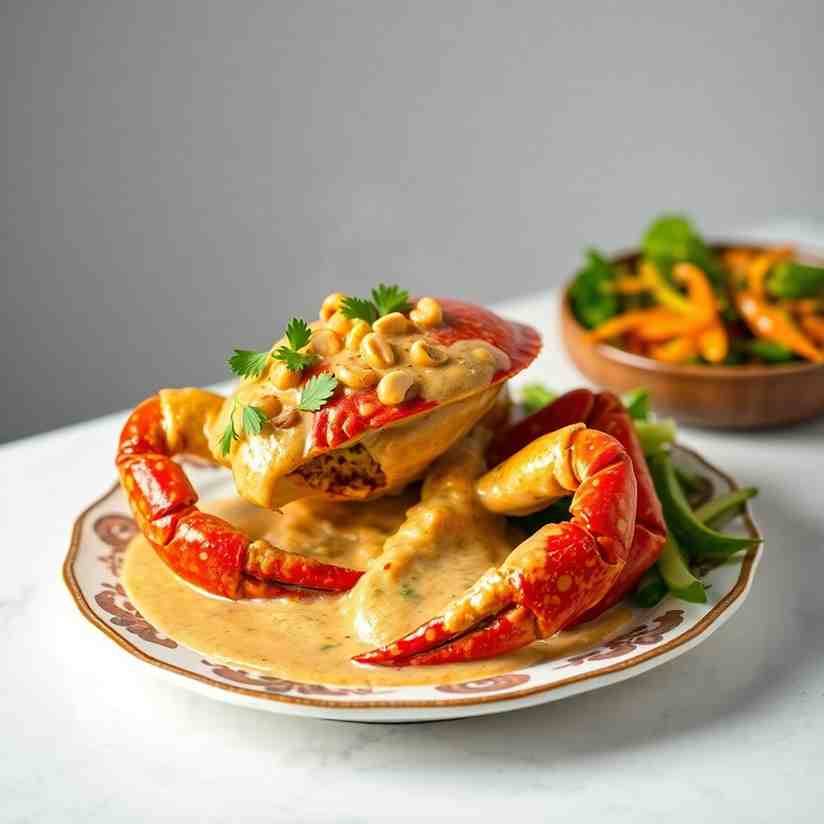
Craving a taste of Southeast Asia that's bursting with flavor and a little bit messy (in the best way possible)? Get ready to dive into Kdam Chaa, Cambodia's beloved stir-fried crab. This isn't just any crab dish recipe; it’s a vibrant, aromatic experience featuring the unmistakable trio of lemongrass, ginger, and rich crab paste. Forget dainty dining—Kdam Chaa is all about getting your hands dirty, cracking open succulent crab pieces, and savoring every last drop of its sweet, salty, umami-packed sauce, usually spooned generously over fluffy jasmine rice.
While you might be familiar with Chinese ginger-scallion crab or other generic "Asian crab stir-fries," Kdam Chaa stands apart with its unique Cambodian pantry staples and a distinct flavor profile that leans into fragrant aromatics and a deeper umami from crab paste. This particular recipe for cooking crab is meticulously crafted for home cooks in the US, focusing on readily available Dungeness or blue crab and offering clear substitutions for harder-to-find ingredients. We'll guide you through every step, from prepping your crab to mastering the wok, ensuring your homemade Kdam Chaa is every bit as authentic and delicious as what you'd find in Phnom Penh. So, grab your apron, get ready to embrace the mess, and let's make some incredible fried crab legs (or claws, or whole pieces!) that will transport your taste buds straight to Cambodia.
Ingredients
Directions
- Clean and Prep the CrabIf using live crabs, chill them in the fridge or freezer for 15-20 minutes to sedate them. Once sedated (or if using recently killed crabs), remove the top shell. Scoop out and discard the gills, intestine, and any other non-meat parts from the inner cavity, then rinse thoroughly. Trim off the mouthparts and the small flap ("apron") on the underside. Rinse quickly again and pat the crab pieces thoroughly dry with paper towels. Using a heavy knife or cleaver, cut the body into 2-4 sections (2 for blue crab, 4 for Dungeness). Pre-crack the claws and larger leg sections with the back of your knife or a nutcracker to make eating easier and ensure even cooking. Season lightly with salt and pepper.
- Mix the Lemongrass & Crab Paste SauceIn a small bowl, combine the crab paste in soybean oil, fish sauce, oyster sauce, sugar, water or stock, and grated ginger. If using chili, add it now. Stir well until the sugar is dissolved and everything is thoroughly combined. Set aside.
- Optional: Lightly Coat the CrabFor a slight crispness and to help the sauce adhere beautifully, you can toss the dried, pre-cracked crab pieces in a thin layer of cornstarch. This step is optional but highly recommended.
- Start the Wok: Oil, Sugar & AromaticsHeat your wok or a large, heavy skillet over high heat until it's smoking lightly. Add the neutral oil, swirling to coat the surface. Once the oil is shimmering, add 1/2 teaspoon of the granulated sugar (from the sauce mixture, or extra if you prefer a stronger caramel note). Watch carefully as it melts and caramelizes to a light amber color—this should only take about 30 seconds. Do not let it get dark brown or it will burn. Immediately add the minced lemongrass, minced garlic, and the white parts of the chopped scallions. Stir-fry quickly for 30-60 seconds until fragrant, being careful not to burn the aromatics.
- Cook the CrabAdd the prepped crab pieces to the wok. Toss thoroughly with the caramelized sugar and aromatics for 1-2 minutes, ensuring they are well coated. Pour in the prepared sauce mixture. Bring the sauce to a gentle simmer, then cover the wok briefly (2-3 minutes) to allow the crab to steam through. Uncover the wok and continue to stir-fry, reducing the sauce until it thickens and coats the crab pieces beautifully.
- Visual Cue for Caramel: The sugar should be a light golden or amber color, not dark brown. Dark brown means it’s burnt and will taste bitter.
- Crab Doneness Cue: The crab shells will turn a bright orange-red, and the meat inside will be opaque and slightly pulling away from the shell. Be careful not to overcook, as crab can become rubbery.
- Finish with Scallions & Taste AdjustmentAdd the green parts of the chopped scallions to the wok and toss for another 30 seconds. Taste the sauce and adjust as needed:
- If it’s too sharp or salty, add another pinch of sugar or a squeeze of lime juice.
- If it tastes under-seasoned, add an extra splash of fish sauce or a tiny pinch of salt.
- Sauce Texture Cue: The sauce should be thick enough to coat the crab pieces and cling to rice, but not syrupy or overly dry.
- Serve ImmediatelyTransfer the stir-fried crab to a large platter, spooning any extra sauce over the top. Serve immediately with plenty of hot jasmine rice and a stack of napkins.
Cambodian Crab Dish Recipe - Kdam Chaa

- Serves: 2 People
- Prepare Time: 30 minutes
- Cooking Time: 20 minutes
- Calories: -
- Difficulty: Medium
Craving a taste of Southeast Asia that's bursting with flavor and a little bit messy (in the best way possible)? Get ready to dive into Kdam Chaa, Cambodia's beloved stir-fried crab. This isn't just any crab dish recipe; it’s a vibrant, aromatic experience featuring the unmistakable trio of lemongrass, ginger, and rich crab paste. Forget dainty dining—Kdam Chaa is all about getting your hands dirty, cracking open succulent crab pieces, and savoring every last drop of its sweet, salty, umami-packed sauce, usually spooned generously over fluffy jasmine rice.
While you might be familiar with Chinese ginger-scallion crab or other generic "Asian crab stir-fries," Kdam Chaa stands apart with its unique Cambodian pantry staples and a distinct flavor profile that leans into fragrant aromatics and a deeper umami from crab paste. This particular recipe for cooking crab is meticulously crafted for home cooks in the US, focusing on readily available Dungeness or blue crab and offering clear substitutions for harder-to-find ingredients. We'll guide you through every step, from prepping your crab to mastering the wok, ensuring your homemade Kdam Chaa is every bit as authentic and delicious as what you'd find in Phnom Penh. So, grab your apron, get ready to embrace the mess, and let's make some incredible fried crab legs (or claws, or whole pieces!) that will transport your taste buds straight to Cambodia.
Ingredients
Directions
- Clean and Prep the CrabIf using live crabs, chill them in the fridge or freezer for 15-20 minutes to sedate them. Once sedated (or if using recently killed crabs), remove the top shell. Scoop out and discard the gills, intestine, and any other non-meat parts from the inner cavity, then rinse thoroughly. Trim off the mouthparts and the small flap ("apron") on the underside. Rinse quickly again and pat the crab pieces thoroughly dry with paper towels. Using a heavy knife or cleaver, cut the body into 2-4 sections (2 for blue crab, 4 for Dungeness). Pre-crack the claws and larger leg sections with the back of your knife or a nutcracker to make eating easier and ensure even cooking. Season lightly with salt and pepper.
- Mix the Lemongrass & Crab Paste SauceIn a small bowl, combine the crab paste in soybean oil, fish sauce, oyster sauce, sugar, water or stock, and grated ginger. If using chili, add it now. Stir well until the sugar is dissolved and everything is thoroughly combined. Set aside.
- Optional: Lightly Coat the CrabFor a slight crispness and to help the sauce adhere beautifully, you can toss the dried, pre-cracked crab pieces in a thin layer of cornstarch. This step is optional but highly recommended.
- Start the Wok: Oil, Sugar & AromaticsHeat your wok or a large, heavy skillet over high heat until it's smoking lightly. Add the neutral oil, swirling to coat the surface. Once the oil is shimmering, add 1/2 teaspoon of the granulated sugar (from the sauce mixture, or extra if you prefer a stronger caramel note). Watch carefully as it melts and caramelizes to a light amber color—this should only take about 30 seconds. Do not let it get dark brown or it will burn. Immediately add the minced lemongrass, minced garlic, and the white parts of the chopped scallions. Stir-fry quickly for 30-60 seconds until fragrant, being careful not to burn the aromatics.
- Cook the CrabAdd the prepped crab pieces to the wok. Toss thoroughly with the caramelized sugar and aromatics for 1-2 minutes, ensuring they are well coated. Pour in the prepared sauce mixture. Bring the sauce to a gentle simmer, then cover the wok briefly (2-3 minutes) to allow the crab to steam through. Uncover the wok and continue to stir-fry, reducing the sauce until it thickens and coats the crab pieces beautifully.
- Visual Cue for Caramel: The sugar should be a light golden or amber color, not dark brown. Dark brown means it’s burnt and will taste bitter.
- Crab Doneness Cue: The crab shells will turn a bright orange-red, and the meat inside will be opaque and slightly pulling away from the shell. Be careful not to overcook, as crab can become rubbery.
- Finish with Scallions & Taste AdjustmentAdd the green parts of the chopped scallions to the wok and toss for another 30 seconds. Taste the sauce and adjust as needed:
- If it’s too sharp or salty, add another pinch of sugar or a squeeze of lime juice.
- If it tastes under-seasoned, add an extra splash of fish sauce or a tiny pinch of salt.
- Sauce Texture Cue: The sauce should be thick enough to coat the crab pieces and cling to rice, but not syrupy or overly dry.
- Serve ImmediatelyTransfer the stir-fried crab to a large platter, spooning any extra sauce over the top. Serve immediately with plenty of hot jasmine rice and a stack of napkins.
You may also like

Hey there! I’m just someone who seriously loves good food and believes that cooking doesn’t have to be complicated to be amazing. Whether it’s a quick weeknight dinner or a cozy weekend meal, I’m all about sharing easy, tasty recipes that actually work.