
Cape Verdean Buzio Recipe - Easy, Healthy & Tasty
Cape Verdean Buzio Recipe - Easy, Healthy & Tasty

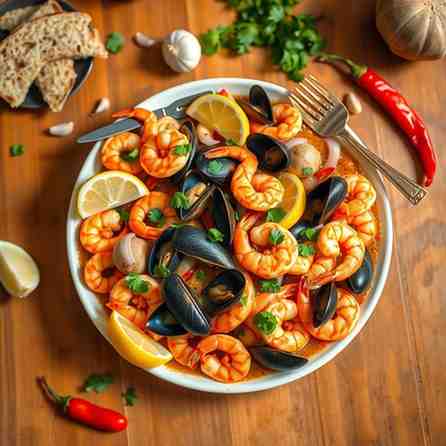
- Serves: 6 People
- Prepare Time: 45 minutes
- Cooking Time: 1 hour 30 m
- Calories: -
- Difficulty: Medium
Welcome to a taste of the islands! If you're looking for an easy healthy tasty recipe that transports you straight to Cape Verde, you've found it. Buzio, a beloved Cape Verdean conch and bean stew, is a dish that embodies comfort, tradition, and the vibrant flavors of the Atlantic. Imagine tender conch (sea snails) nestled with creamy beans, all swimming in a rich, savory tomato-garlic broth, brightened with fresh herbs. It’s a truly satisfying, one-pot meal that’s perfect for sharing.
We know what you might be thinking: "Conch? Sea snails? Can I really cook this at home?" Absolutely! This step-by-step guide is designed to make preparing authentic Cape Verdean Buzio accessible and enjoyable, even if you've never handled conch before. Get ready to create a truly delicious and healthy easy to make recipe that will impress your taste buds and warm your soul. This is your definitive guide to a simple and easy healthy meal that tastes truly special.
In Cape Verde, "buzio" refers to sea snails or conch, and this stew is one of the most cherished ways to enjoy this lean, flavorful seafood. Buzio is more than just a meal; it's often a centerpiece at family gatherings, celebrations, and coastal feasts, embodying the spirit of "morabeza" – the Cape Verdean word for hospitality and warmth.
This hearty seafood stew fits perfectly into Cape Verdean cuisine's rich stew culture, alongside other iconic dishes like Cachupa (a slow-cooked corn and bean stew) and Caldo de Peixe (fish soup). Our version stays true to the authentic island flavors while offering practical tips and techniques to make it achievable for home cooks abroad, ensuring you get that genuine taste of Cape Verde right in your kitchen. It's a fantastic example of healthy meals that taste good!
Why you’ll love it:
Authentic Cape Verdean flavors that are both unique and comforting.
Tender, never rubbery, seafood thanks to our expert tips.
A complete one-pot meal packed with protein, beans, and vegetables.
Naturally high-protein and incredibly cozy, making it a truly healthy but delicious food.
Ingredients
Directions
- How to Buy, Clean & Tenderize Conch / Sea Snails (Big Differentiator!)This crucial step ensures your conch is tender and delicious, not rubbery.
- Choosing the Seafood:
- Fresh vs. Frozen: Fresh conch should have a mild, oceanic smell and a firm texture. Avoid anything with a strong, unpleasant odor. Frozen pre-cleaned conch is perfectly fine and often more convenient.
- Quantity: Aim for about 1/4 to 1/3 lb (115-150g) of conch meat per person.
- Pre-cleaned vs. Whole: Most conch sold for cooking is already out of its shell and partially cleaned. If you find whole shells, you'll need to extract the meat and remove any tough outer skin yourself.
- Cleaning & Prepping:
- Rinse Thoroughly: Place the conch meat in a colander and rinse it under cold running water to remove any sand or grit.
- Trim Tough Parts: Inspect the conch. You might find some tougher, darker bits or connective tissue. Use a sharp knife to trim these away. The goal is to have mostly white, firm meat.
- Cut into Bite-Size Pieces: Cut the conch into 1/2 to 3/4-inch (1-2 cm) bite-sized pieces. Smaller pieces will tenderize more quickly.
- Optional Pounding/Scoring: For particularly thick or tough pieces, you can lightly pound them with a meat mallet (between two sheets of plastic wrap) or score them shallowly with a knife. This helps break down fibers.
- Lemon/Salt Soak (Brief): A quick 10-minute soak in water with a squeeze of lemon juice and a pinch of salt can help reduce any lingering "oceanic" smell. Rinse well afterward. Do not overdo this, as prolonged soaking can toughen the conch.
- Tenderizing Basics:
- Low and Slow is Key: The secret to tender conch is a gentle, prolonged simmer. Avoid boiling vigorously, as high heat can make conch rubbery.
- Cooking Time: Depending on the conch's age and size, it can take anywhere from 60 to 90 minutes (or even longer) of simmering to become tender.
- Texture Cues: The conch is ready when a fork slides into it fairly easily, much like tender calamari or octopus. It should still have a slight chew but not be tough or resistant.
- Step-by-Step Cooking Workflow
- Marinate & Pre-Tenderize the Conch (Optional, but recommended for flavor)
- In a bowl, toss the cleaned and cut conch pieces with a squeeze of lemon juice, a minced garlic clove (from your ingredients list), and a tablespoon of chopped cilantro. Let it sit for 15-20 minutes.
- Pat the conch dry with paper towels before cooking. This ensures it will sear nicely rather than steam.
- Build the Flavor Base
- Heat olive oil in a large, heavy-bottomed pot or Dutch oven over medium heat.
- Add the diced onion and sauté until translucent, about 5-7 minutes.
- Stir in the remaining minced garlic and diced bell pepper. Cook for another 3-5 minutes until softened and fragrant.
- Add the diced tomatoes (canned or fresh), paprika, black pepper, and optional cumin. Cook, stirring occasionally, for 5-7 minutes, until the tomatoes begin to break down and the mixture thickens slightly. This creates a rich base for your tasty but healthy food.
- Add Conch & Deglaze
- Add the patted-dry conch pieces to the pot. Stir well to coat them in the aromatic vegetable mixture.
- Pour in the dry white wine (if using). Scrape the bottom of the pot with a wooden spoon to loosen any browned bits – this is called deglazing and adds incredible depth of flavor. Let the wine simmer for 1-2 minutes until it mostly evaporates.
- Simmer with Broth, Beans & Vegetables
- Add the fish/seafood stock, bay leaf, and the whole Scotch bonnet pepper (if using, keep it whole for mild heat, or slice it for more spice).
- Add the diced potatoes and carrots.
- Bring the stew to a gentle simmer. Reduce the heat to low, cover the pot, and cook for 1 hour, or until the conch begins to tenderize. Check the conch periodically for tenderness (see "Tenderizing Basics" above).
- After 1 hour, or when the conch is almost tender, add the rinsed and drained white beans or black-eyed peas. Simmer for another 15-30 minutes, uncovered, allowing the flavors to meld and the beans to heat through without becoming mushy. The conch should be tender by now.
- Finish & Adjust
- Carefully remove the bay leaf and the Scotch bonnet pepper (if you don't want extra heat).
- Stir in the fresh chopped cilantro and parsley.
- Taste the stew and adjust seasoning as needed. Add more salt if necessary, and a final splash of lemon juice can brighten the flavors. If the stew is too thin, you can uncover it and simmer for a bit longer to reduce. If it's too thick, add a splash of hot stock or water.
- For an extra touch of richness, stir in a small knob of butter or drizzle with good quality olive oil just before serving.
- Rest & Serve
- Let the Buzio rest off the heat for 5-10 minutes. This allows the flavors to deepen and settle.
- Garnish with extra fresh cilantro or parsley and serve hot. This quick healthy meal is ready!
Cape Verdean Buzio Recipe - Easy, Healthy & Tasty

- Serves: 6 People
- Prepare Time: 45 minutes
- Cooking Time: 1 hour 30 m
- Calories: -
- Difficulty: Medium
Welcome to a taste of the islands! If you're looking for an easy healthy tasty recipe that transports you straight to Cape Verde, you've found it. Buzio, a beloved Cape Verdean conch and bean stew, is a dish that embodies comfort, tradition, and the vibrant flavors of the Atlantic. Imagine tender conch (sea snails) nestled with creamy beans, all swimming in a rich, savory tomato-garlic broth, brightened with fresh herbs. It’s a truly satisfying, one-pot meal that’s perfect for sharing.
We know what you might be thinking: "Conch? Sea snails? Can I really cook this at home?" Absolutely! This step-by-step guide is designed to make preparing authentic Cape Verdean Buzio accessible and enjoyable, even if you've never handled conch before. Get ready to create a truly delicious and healthy easy to make recipe that will impress your taste buds and warm your soul. This is your definitive guide to a simple and easy healthy meal that tastes truly special.
In Cape Verde, "buzio" refers to sea snails or conch, and this stew is one of the most cherished ways to enjoy this lean, flavorful seafood. Buzio is more than just a meal; it's often a centerpiece at family gatherings, celebrations, and coastal feasts, embodying the spirit of "morabeza" – the Cape Verdean word for hospitality and warmth.
This hearty seafood stew fits perfectly into Cape Verdean cuisine's rich stew culture, alongside other iconic dishes like Cachupa (a slow-cooked corn and bean stew) and Caldo de Peixe (fish soup). Our version stays true to the authentic island flavors while offering practical tips and techniques to make it achievable for home cooks abroad, ensuring you get that genuine taste of Cape Verde right in your kitchen. It's a fantastic example of healthy meals that taste good!
Why you’ll love it:
Authentic Cape Verdean flavors that are both unique and comforting.
Tender, never rubbery, seafood thanks to our expert tips.
A complete one-pot meal packed with protein, beans, and vegetables.
Naturally high-protein and incredibly cozy, making it a truly healthy but delicious food.
Ingredients
Directions
- How to Buy, Clean & Tenderize Conch / Sea Snails (Big Differentiator!)This crucial step ensures your conch is tender and delicious, not rubbery.
- Choosing the Seafood:
- Fresh vs. Frozen: Fresh conch should have a mild, oceanic smell and a firm texture. Avoid anything with a strong, unpleasant odor. Frozen pre-cleaned conch is perfectly fine and often more convenient.
- Quantity: Aim for about 1/4 to 1/3 lb (115-150g) of conch meat per person.
- Pre-cleaned vs. Whole: Most conch sold for cooking is already out of its shell and partially cleaned. If you find whole shells, you'll need to extract the meat and remove any tough outer skin yourself.
- Cleaning & Prepping:
- Rinse Thoroughly: Place the conch meat in a colander and rinse it under cold running water to remove any sand or grit.
- Trim Tough Parts: Inspect the conch. You might find some tougher, darker bits or connective tissue. Use a sharp knife to trim these away. The goal is to have mostly white, firm meat.
- Cut into Bite-Size Pieces: Cut the conch into 1/2 to 3/4-inch (1-2 cm) bite-sized pieces. Smaller pieces will tenderize more quickly.
- Optional Pounding/Scoring: For particularly thick or tough pieces, you can lightly pound them with a meat mallet (between two sheets of plastic wrap) or score them shallowly with a knife. This helps break down fibers.
- Lemon/Salt Soak (Brief): A quick 10-minute soak in water with a squeeze of lemon juice and a pinch of salt can help reduce any lingering "oceanic" smell. Rinse well afterward. Do not overdo this, as prolonged soaking can toughen the conch.
- Tenderizing Basics:
- Low and Slow is Key: The secret to tender conch is a gentle, prolonged simmer. Avoid boiling vigorously, as high heat can make conch rubbery.
- Cooking Time: Depending on the conch's age and size, it can take anywhere from 60 to 90 minutes (or even longer) of simmering to become tender.
- Texture Cues: The conch is ready when a fork slides into it fairly easily, much like tender calamari or octopus. It should still have a slight chew but not be tough or resistant.
- Step-by-Step Cooking Workflow
- Marinate & Pre-Tenderize the Conch (Optional, but recommended for flavor)
- In a bowl, toss the cleaned and cut conch pieces with a squeeze of lemon juice, a minced garlic clove (from your ingredients list), and a tablespoon of chopped cilantro. Let it sit for 15-20 minutes.
- Pat the conch dry with paper towels before cooking. This ensures it will sear nicely rather than steam.
- Build the Flavor Base
- Heat olive oil in a large, heavy-bottomed pot or Dutch oven over medium heat.
- Add the diced onion and sauté until translucent, about 5-7 minutes.
- Stir in the remaining minced garlic and diced bell pepper. Cook for another 3-5 minutes until softened and fragrant.
- Add the diced tomatoes (canned or fresh), paprika, black pepper, and optional cumin. Cook, stirring occasionally, for 5-7 minutes, until the tomatoes begin to break down and the mixture thickens slightly. This creates a rich base for your tasty but healthy food.
- Add Conch & Deglaze
- Add the patted-dry conch pieces to the pot. Stir well to coat them in the aromatic vegetable mixture.
- Pour in the dry white wine (if using). Scrape the bottom of the pot with a wooden spoon to loosen any browned bits – this is called deglazing and adds incredible depth of flavor. Let the wine simmer for 1-2 minutes until it mostly evaporates.
- Simmer with Broth, Beans & Vegetables
- Add the fish/seafood stock, bay leaf, and the whole Scotch bonnet pepper (if using, keep it whole for mild heat, or slice it for more spice).
- Add the diced potatoes and carrots.
- Bring the stew to a gentle simmer. Reduce the heat to low, cover the pot, and cook for 1 hour, or until the conch begins to tenderize. Check the conch periodically for tenderness (see "Tenderizing Basics" above).
- After 1 hour, or when the conch is almost tender, add the rinsed and drained white beans or black-eyed peas. Simmer for another 15-30 minutes, uncovered, allowing the flavors to meld and the beans to heat through without becoming mushy. The conch should be tender by now.
- Finish & Adjust
- Carefully remove the bay leaf and the Scotch bonnet pepper (if you don't want extra heat).
- Stir in the fresh chopped cilantro and parsley.
- Taste the stew and adjust seasoning as needed. Add more salt if necessary, and a final splash of lemon juice can brighten the flavors. If the stew is too thin, you can uncover it and simmer for a bit longer to reduce. If it's too thick, add a splash of hot stock or water.
- For an extra touch of richness, stir in a small knob of butter or drizzle with good quality olive oil just before serving.
- Rest & Serve
- Let the Buzio rest off the heat for 5-10 minutes. This allows the flavors to deepen and settle.
- Garnish with extra fresh cilantro or parsley and serve hot. This quick healthy meal is ready!
You may also like

Hey there! I’m just someone who seriously loves good food and believes that cooking doesn’t have to be complicated to be amazing. Whether it’s a quick weeknight dinner or a cozy weekend meal, I’m all about sharing easy, tasty recipes that actually work.