
Make Cape Verdean Cheese at Home - Simple Recipe
Make Cape Verdean Cheese at Home - Simple Recipe


- Serves: 10 People
- Prepare Time: 30 minutes
- Cooking Time: 20 minutes
- Calories: -
- Difficulty: Medium
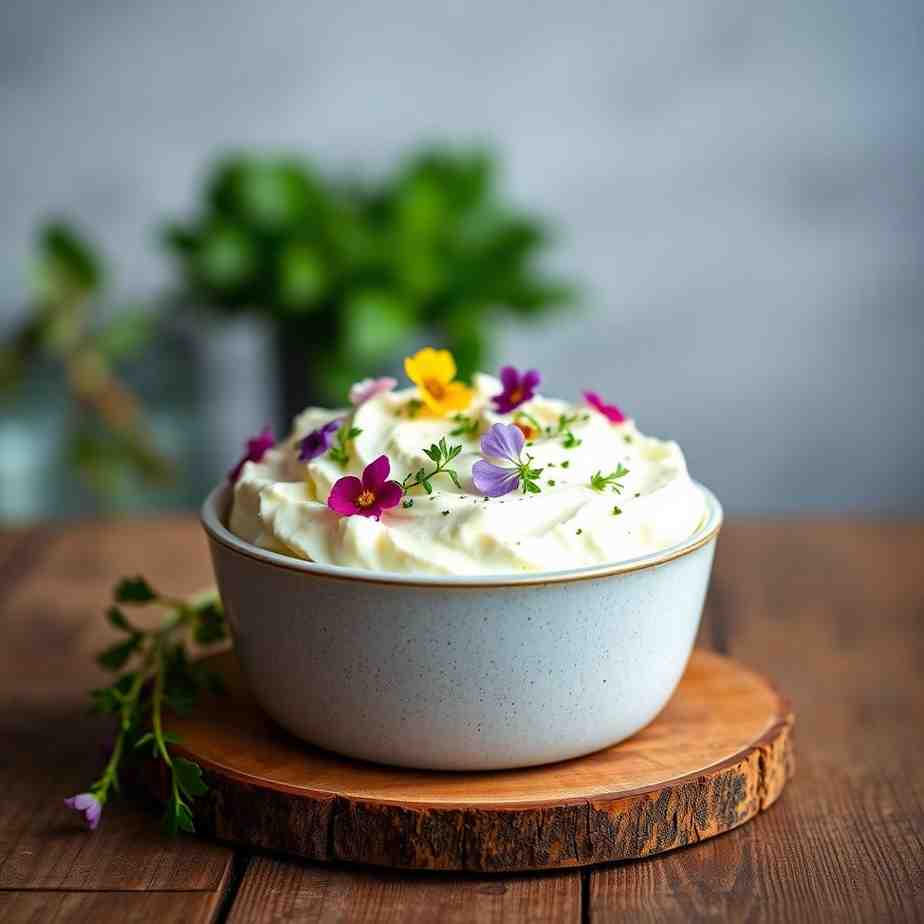
Ever dreamed of making your own cheese at home recipe that transports you to a sun-drenched island? Get ready to unlock the secrets of Cape Verdean cuisine with this incredible Authentic Cape Verdean Queijo Cabra Recipe! This isn't just any goat cheese; Queijo de Cabra, especially when paired with a sweet papaya jam, is a beloved tradition from the beautiful islands of Cape Verde, often enjoyed as a delightful dessert or a special breakfast treat.
We’ve designed this recipe specifically for US home kitchens, making it super approachable even if you’re a beginner in the world of cheesemaking. Forget complicated setups – we're using simple gear and readily available pasteurized goat milk to guide you through a single, manageable workflow. You'll not only learn how to make a fresh, tangy goat cheese but also whip up a quick, vibrant papaya jam topping, all in one go! This comprehensive guide will help you create a superior, more authentic experience right in your own kitchen, allowing you to truly make Cape Verdean-style goat cheese at home and savor a taste of the islands.
Ingredients
Directions
- Warm and acidify the milkGently pour your goat milk into a large, non-reactive pot. Heat the milk slowly over low to medium heat until it reaches a target temperature of 75–80°F (24–27°C). Use an instant-read or clip-on thermometer to monitor accurately. Once at temperature, sprinkle the chevre starter or mesophilic culture over the surface of the milk, or stir in your citric acid solution if using. Let the milk rest undisturbed for about 30-60 minutes to allow the culture or acid to begin working. At this stage, the milk should still look like milk; you won't see any curds yet.
- Add rennet and set the curdAfter the resting period, gently stir in the diluted liquid rennet. Stir briefly, for no more than 30 seconds, to ensure even distribution. Cover the pot and let it sit undisturbed at room temperature for a set period, typically 45–60 minutes. Depending on your milk and culture, it might take up to several hours. To test for a “clean break,” insert a long knife into the curd at an angle and lift it gently. If the curd breaks cleanly and whey fills the gap, it's ready. If the curds are too soft, cover and let it sit for another 15-30 minutes.
- Cut and rest the curdsOnce you have a clean break, use your long knife or offset spatula to cut the curd into even 1/2-inch cubes. Make vertical and horizontal cuts across the entire surface. After cutting, let the curds rest for 10 minutes to allow them to release whey. Then, gently stir the curds occasionally for another 20-30 minutes. This gentle stirring helps to firm them up. You'll notice the curds starting to resemble soft tofu, and the surrounding liquid (whey) will become more transparent, rather than milky.
- Drain and lightly pressLine a colander with a double layer of cheesecloth or butter muslin and place it over a large bowl to catch the whey. Carefully transfer the curds into the lined colander using a slotted spoon or ladle. Sprinkle about 1/2 teaspoon of non-iodized salt evenly over the curds. Gather the corners of the cheesecloth, tie them together, and hang the bundle to drain, or simply let it drain in the colander. The draining time will vary depending on your desired texture: 4–6 hours for a softer, more spreadable cheese, or 8–12 hours for a firmer, more "Cape Verde wheel" vibe.
- Shape, salt, and chillOnce drained to your preferred firmness, transfer the curds into a small mold (a ring mold, a perforated container, or even a small bowl can work). Gently press the curds by hand or with a small weight to help them hold their shape. Lightly salt the outside of the cheese with another 1/2 to 1 teaspoon of non-iodized salt, gently rubbing it in. Salting not only adds flavor but also aids in drawing out more moisture, contributing to the cheese's final texture and shelf life. Chill the shaped cheese in the refrigerator for several hours or preferably overnight to allow it to firm up completely before slicing.
- Quick Papaya Jam Topping Ingredients
- Ripe Papaya: 1 medium-sized ripe papaya, peeled, deseeded, and diced small (about 2 cups).
- Sugar: 1/2 cup granulated sugar (adjust to your sweetness preference and papaya ripeness).
- Lime or Lemon Juice: 1 tablespoon freshly squeezed lime or lemon juice (helps with setting and brightens flavor).
- Optional: A brief note on adding a tiny pinch of vanilla extract or warm spices like cinnamon or nutmeg for a subtle flavor enhancement (use sparingly).
- Quick Papaya Jam Topping Step-by-Step Instructions
- Cook the jamIn a small, non-reactive saucepan, combine the diced papaya, sugar, and citrus juice. Bring the mixture to a gentle simmer over medium-low heat, stirring occasionally. Continue to simmer, stirring more frequently as it thickens, until the papaya breaks down and the jam becomes thick and glossy. This usually takes about 15-20 minutes. To test if the jam is set, place a small plate in the freezer for a few minutes. Drop a teaspoon of hot jam onto the cold plate, wait 30 seconds, then push it with your finger. If it wrinkles, it's ready! This recipe is sized to yield about 1 cup of jam, perfectly matching your homemade cheese.
- Cool and storeOnce the jam reaches your desired consistency, remove it from the heat. Allow it to cool to room temperature, then transfer it to a clean, airtight jar or container. Chill the jam in the refrigerator before serving. This quick jam is not a shelf-stable canned product; it's designed for fresh consumption.
Make Cape Verdean Cheese at Home - Simple Recipe

- Serves: 10 People
- Prepare Time: 30 minutes
- Cooking Time: 20 minutes
- Calories: -
- Difficulty: Medium
Ever dreamed of making your own cheese at home recipe that transports you to a sun-drenched island? Get ready to unlock the secrets of Cape Verdean cuisine with this incredible Authentic Cape Verdean Queijo Cabra Recipe! This isn't just any goat cheese; Queijo de Cabra, especially when paired with a sweet papaya jam, is a beloved tradition from the beautiful islands of Cape Verde, often enjoyed as a delightful dessert or a special breakfast treat.
We’ve designed this recipe specifically for US home kitchens, making it super approachable even if you’re a beginner in the world of cheesemaking. Forget complicated setups – we're using simple gear and readily available pasteurized goat milk to guide you through a single, manageable workflow. You'll not only learn how to make a fresh, tangy goat cheese but also whip up a quick, vibrant papaya jam topping, all in one go! This comprehensive guide will help you create a superior, more authentic experience right in your own kitchen, allowing you to truly make Cape Verdean-style goat cheese at home and savor a taste of the islands.
Ingredients
Directions
- Warm and acidify the milkGently pour your goat milk into a large, non-reactive pot. Heat the milk slowly over low to medium heat until it reaches a target temperature of 75–80°F (24–27°C). Use an instant-read or clip-on thermometer to monitor accurately. Once at temperature, sprinkle the chevre starter or mesophilic culture over the surface of the milk, or stir in your citric acid solution if using. Let the milk rest undisturbed for about 30-60 minutes to allow the culture or acid to begin working. At this stage, the milk should still look like milk; you won't see any curds yet.
- Add rennet and set the curdAfter the resting period, gently stir in the diluted liquid rennet. Stir briefly, for no more than 30 seconds, to ensure even distribution. Cover the pot and let it sit undisturbed at room temperature for a set period, typically 45–60 minutes. Depending on your milk and culture, it might take up to several hours. To test for a “clean break,” insert a long knife into the curd at an angle and lift it gently. If the curd breaks cleanly and whey fills the gap, it's ready. If the curds are too soft, cover and let it sit for another 15-30 minutes.
- Cut and rest the curdsOnce you have a clean break, use your long knife or offset spatula to cut the curd into even 1/2-inch cubes. Make vertical and horizontal cuts across the entire surface. After cutting, let the curds rest for 10 minutes to allow them to release whey. Then, gently stir the curds occasionally for another 20-30 minutes. This gentle stirring helps to firm them up. You'll notice the curds starting to resemble soft tofu, and the surrounding liquid (whey) will become more transparent, rather than milky.
- Drain and lightly pressLine a colander with a double layer of cheesecloth or butter muslin and place it over a large bowl to catch the whey. Carefully transfer the curds into the lined colander using a slotted spoon or ladle. Sprinkle about 1/2 teaspoon of non-iodized salt evenly over the curds. Gather the corners of the cheesecloth, tie them together, and hang the bundle to drain, or simply let it drain in the colander. The draining time will vary depending on your desired texture: 4–6 hours for a softer, more spreadable cheese, or 8–12 hours for a firmer, more "Cape Verde wheel" vibe.
- Shape, salt, and chillOnce drained to your preferred firmness, transfer the curds into a small mold (a ring mold, a perforated container, or even a small bowl can work). Gently press the curds by hand or with a small weight to help them hold their shape. Lightly salt the outside of the cheese with another 1/2 to 1 teaspoon of non-iodized salt, gently rubbing it in. Salting not only adds flavor but also aids in drawing out more moisture, contributing to the cheese's final texture and shelf life. Chill the shaped cheese in the refrigerator for several hours or preferably overnight to allow it to firm up completely before slicing.
- Quick Papaya Jam Topping Ingredients
- Ripe Papaya: 1 medium-sized ripe papaya, peeled, deseeded, and diced small (about 2 cups).
- Sugar: 1/2 cup granulated sugar (adjust to your sweetness preference and papaya ripeness).
- Lime or Lemon Juice: 1 tablespoon freshly squeezed lime or lemon juice (helps with setting and brightens flavor).
- Optional: A brief note on adding a tiny pinch of vanilla extract or warm spices like cinnamon or nutmeg for a subtle flavor enhancement (use sparingly).
- Quick Papaya Jam Topping Step-by-Step Instructions
- Cook the jamIn a small, non-reactive saucepan, combine the diced papaya, sugar, and citrus juice. Bring the mixture to a gentle simmer over medium-low heat, stirring occasionally. Continue to simmer, stirring more frequently as it thickens, until the papaya breaks down and the jam becomes thick and glossy. This usually takes about 15-20 minutes. To test if the jam is set, place a small plate in the freezer for a few minutes. Drop a teaspoon of hot jam onto the cold plate, wait 30 seconds, then push it with your finger. If it wrinkles, it's ready! This recipe is sized to yield about 1 cup of jam, perfectly matching your homemade cheese.
- Cool and storeOnce the jam reaches your desired consistency, remove it from the heat. Allow it to cool to room temperature, then transfer it to a clean, airtight jar or container. Chill the jam in the refrigerator before serving. This quick jam is not a shelf-stable canned product; it's designed for fresh consumption.
You may also like



Hey there! I’m just someone who seriously loves good food and believes that cooking doesn’t have to be complicated to be amazing. Whether it’s a quick weeknight dinner or a cozy weekend meal, I’m all about sharing easy, tasty recipes that actually work.