
Cornish Pasty Recipe (Hand-Crimped)
Cornish Pasty Recipe (Hand-Crimped)
- Serves: 4 People
- Prepare Time: 45 minutes
- Cooking Time: 50 minutes
- Calories: -
- Difficulty: Medium
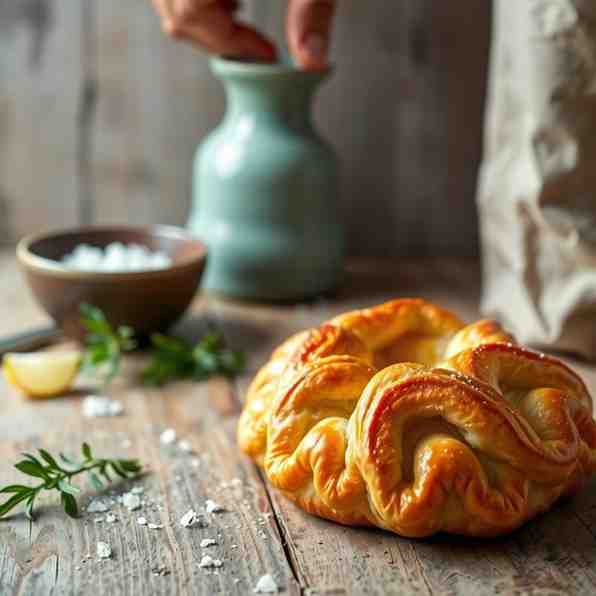
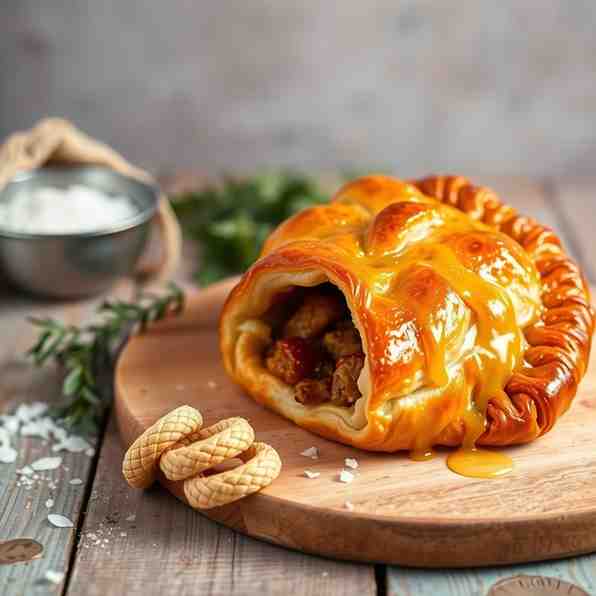
Ready to bring a taste of England right into your kitchen? We're talking about the legendary authentic Cornish Pasty, a savory, handheld pie packed with tender beef, potatoes, rutabaga, and onions, all nestled in a wonderfully sturdy, homemade crust. This isn't just any recipe for a pasty; it's your guide to crafting a true classic, complete with the iconic hand-crimped edge that makes it so special.
This recipe is designed specifically for US home cooks who crave genuine flavors but also need practical, foolproof instructions. We'll demystify traditional ingredients like "swede" (hello, rutabaga!) and walk you through every step, from mixing the perfect dough to mastering that signature crimp. Get ready to bake a traditional English pasty recipe that's both authentic and incredibly delicious!
Ingredients
Directions
- Before You Start (Success Setup):
- Chill Time is Prime Time: Plan ahead! The dough needs a minimum of 30 minutes (but ideally 1-2 hours) to chill and rest in the fridge. This makes it much easier to roll out, prevents cracks, and helps your crimp hold up.
- Preheat Perfection: Position an oven rack in the lower-middle of your oven. Preheat your oven to 400°F (200°C) fully before you start baking. A hot oven from the get-go helps the crust set quickly and get beautifully golden.
- Prep Your Pan: Line a large baking sheet with parchment paper. This prevents sticking and makes cleanup a breeze.
- Make the Dough:
- Combine Dry Ingredients: In a large bowl, whisk together the bread flour and salt.
- Cut in Fats: Add the cold, cubed butter and lard/shortening to the flour. Use your fingertips, a pastry blender, or two knives to cut the fats into the flour until the mixture resembles coarse crumbs with some pea-sized pieces of fat remaining.
- Add Water: Gradually add the ice-cold water, a tablespoon at a time, mixing with your hands until the dough just comes together. Be careful not to overmix! The goal is a sturdy but rollable dough – it should feel firmer than a tender pie dough. If it's too dry, add a tiny bit more water, but only just enough to bring it together.
- Form and Chill: Gently gather the dough into a ball, flatten it into a disc, wrap it tightly in plastic wrap, and refrigerate for at least 30 minutes, or up to 2 hours.
- Prep the Filling:
- Dice Evenly: In a large bowl, combine the diced beef, potatoes, rutabaga, and onion. This even dicing is super important for uniform cooking within the pasty.
- Season Simply: Add the salt and pepper to the filling ingredients and toss well to combine.
- Optional Richness (Gravy Note): If you like a slightly richer, gravier filling, melt 1 tablespoon of butter in a small pan, stir in 1 tablespoon of flour, and cook for 1 minute until lightly golden. Let it cool slightly, then stir this mixture into your raw filling ingredients. This creates a tiny bit of gravy as the pasty bakes.
- Assemble the Pasties:
- Divide Dough: Remove the chilled dough from the fridge. Divide it into 4 or 6 equal portions, depending on how many pasties you want to make.
- Roll it Out: On a lightly floured surface, roll one portion of dough into a circle about ⅛-inch thick and approximately 8 inches (20-21 cm) in diameter. A ruler can help ensure consistent sizes, but don't stress too much about perfection.
- Fill 'Er Up: Spoon about ⅓ to ½ cup of the raw filling onto one half of the dough circle, leaving a clear ½-inch border around the edge for sealing. Pile the filling high in the middle.
- Seal Properly: Lightly brush the edge of the dough circle with cold water (or egg wash if you prefer). Fold the empty half of the dough over the filling to create a semi-circle. Press the edges together firmly to seal, expelling any air.
- How to Hand-Crimp a Cornish Pasty (Your Outrank Centerpiece!):This is the signature move! The side crimp isn't just for looks; it creates a strong seal and a traditional "handle."
- Prepare the Edge: With the sealed edge facing you, press down firmly along the seam with your thumb to flatten it slightly.
- The First Twist: Take the bottom corner of the sealed edge between your thumb and forefinger. Fold a small piece of the dough over, tucking it upwards and inwards slightly.
- Press and Twist: Press down firmly with your thumb on the folded piece, then use your forefinger to twist the next small section of dough upwards and over the previous fold.
- Repeat the Pattern: Continue this "press, twist, and tuck" motion all the way along the curved edge of the pasty. Aim for a neat, rope-like crimp.
- Secure the End: When you reach the end, firmly press the last crimp to secure it.
- Transfer to Pan: Carefully transfer the crimped pasty to your prepared baking sheet. Repeat with the remaining dough and filling.
- Mini "Fix It Fast" Box:
- Edge won't stick? The dough might be too dry, or you might have too much flour on the edge. Lightly re-moisten with water and try again.
- Dough tearing? Your dough might be rolled too thin, too warm, or you might have overfilled the pasty. Try to patch small tears with a bit of dough and a dab of water.
- Crimp flattening in oven? This usually means your initial seal wasn't tight enough, or the crimp wasn't pressed firmly. Practice makes perfect!
- Baking Instructions (Traditional Pasty Bake):
- Vent the Pasties: Using a sharp knife, cut a small slit (about ½-inch long) into the top of each pasty. This little vent lets steam escape, preventing the pasty from bursting and ensuring the filling cooks evenly.
- Egg Wash (Optional): For a beautiful golden-brown, glossy crust, brush the tops of the pasties with the beaten egg wash.
- Bake: Bake in the preheated 400°F (200°C) oven for 20 minutes.
- Reduce Heat: Reduce the oven temperature to 350°F (175°C) and continue baking for another 30-35 minutes, or until the pasties are deep golden brown and the crust sounds hollow when tapped. You can also peek through the vent to ensure the potatoes look tender.
- Rest: Remove from the oven and let rest on the baking sheet for 10-15 minutes before serving. This allows the filling to set and prevents burns!
Cornish Pasty Recipe (Hand-Crimped)

- Serves: 4 People
- Prepare Time: 45 minutes
- Cooking Time: 50 minutes
- Calories: -
- Difficulty: Medium
Ready to bring a taste of England right into your kitchen? We're talking about the legendary authentic Cornish Pasty, a savory, handheld pie packed with tender beef, potatoes, rutabaga, and onions, all nestled in a wonderfully sturdy, homemade crust. This isn't just any recipe for a pasty; it's your guide to crafting a true classic, complete with the iconic hand-crimped edge that makes it so special.
This recipe is designed specifically for US home cooks who crave genuine flavors but also need practical, foolproof instructions. We'll demystify traditional ingredients like "swede" (hello, rutabaga!) and walk you through every step, from mixing the perfect dough to mastering that signature crimp. Get ready to bake a traditional English pasty recipe that's both authentic and incredibly delicious!
Ingredients
Directions
- Before You Start (Success Setup):
- Chill Time is Prime Time: Plan ahead! The dough needs a minimum of 30 minutes (but ideally 1-2 hours) to chill and rest in the fridge. This makes it much easier to roll out, prevents cracks, and helps your crimp hold up.
- Preheat Perfection: Position an oven rack in the lower-middle of your oven. Preheat your oven to 400°F (200°C) fully before you start baking. A hot oven from the get-go helps the crust set quickly and get beautifully golden.
- Prep Your Pan: Line a large baking sheet with parchment paper. This prevents sticking and makes cleanup a breeze.
- Make the Dough:
- Combine Dry Ingredients: In a large bowl, whisk together the bread flour and salt.
- Cut in Fats: Add the cold, cubed butter and lard/shortening to the flour. Use your fingertips, a pastry blender, or two knives to cut the fats into the flour until the mixture resembles coarse crumbs with some pea-sized pieces of fat remaining.
- Add Water: Gradually add the ice-cold water, a tablespoon at a time, mixing with your hands until the dough just comes together. Be careful not to overmix! The goal is a sturdy but rollable dough – it should feel firmer than a tender pie dough. If it's too dry, add a tiny bit more water, but only just enough to bring it together.
- Form and Chill: Gently gather the dough into a ball, flatten it into a disc, wrap it tightly in plastic wrap, and refrigerate for at least 30 minutes, or up to 2 hours.
- Prep the Filling:
- Dice Evenly: In a large bowl, combine the diced beef, potatoes, rutabaga, and onion. This even dicing is super important for uniform cooking within the pasty.
- Season Simply: Add the salt and pepper to the filling ingredients and toss well to combine.
- Optional Richness (Gravy Note): If you like a slightly richer, gravier filling, melt 1 tablespoon of butter in a small pan, stir in 1 tablespoon of flour, and cook for 1 minute until lightly golden. Let it cool slightly, then stir this mixture into your raw filling ingredients. This creates a tiny bit of gravy as the pasty bakes.
- Assemble the Pasties:
- Divide Dough: Remove the chilled dough from the fridge. Divide it into 4 or 6 equal portions, depending on how many pasties you want to make.
- Roll it Out: On a lightly floured surface, roll one portion of dough into a circle about ⅛-inch thick and approximately 8 inches (20-21 cm) in diameter. A ruler can help ensure consistent sizes, but don't stress too much about perfection.
- Fill 'Er Up: Spoon about ⅓ to ½ cup of the raw filling onto one half of the dough circle, leaving a clear ½-inch border around the edge for sealing. Pile the filling high in the middle.
- Seal Properly: Lightly brush the edge of the dough circle with cold water (or egg wash if you prefer). Fold the empty half of the dough over the filling to create a semi-circle. Press the edges together firmly to seal, expelling any air.
- How to Hand-Crimp a Cornish Pasty (Your Outrank Centerpiece!):This is the signature move! The side crimp isn't just for looks; it creates a strong seal and a traditional "handle."
- Prepare the Edge: With the sealed edge facing you, press down firmly along the seam with your thumb to flatten it slightly.
- The First Twist: Take the bottom corner of the sealed edge between your thumb and forefinger. Fold a small piece of the dough over, tucking it upwards and inwards slightly.
- Press and Twist: Press down firmly with your thumb on the folded piece, then use your forefinger to twist the next small section of dough upwards and over the previous fold.
- Repeat the Pattern: Continue this "press, twist, and tuck" motion all the way along the curved edge of the pasty. Aim for a neat, rope-like crimp.
- Secure the End: When you reach the end, firmly press the last crimp to secure it.
- Transfer to Pan: Carefully transfer the crimped pasty to your prepared baking sheet. Repeat with the remaining dough and filling.
- Mini "Fix It Fast" Box:
- Edge won't stick? The dough might be too dry, or you might have too much flour on the edge. Lightly re-moisten with water and try again.
- Dough tearing? Your dough might be rolled too thin, too warm, or you might have overfilled the pasty. Try to patch small tears with a bit of dough and a dab of water.
- Crimp flattening in oven? This usually means your initial seal wasn't tight enough, or the crimp wasn't pressed firmly. Practice makes perfect!
- Baking Instructions (Traditional Pasty Bake):
- Vent the Pasties: Using a sharp knife, cut a small slit (about ½-inch long) into the top of each pasty. This little vent lets steam escape, preventing the pasty from bursting and ensuring the filling cooks evenly.
- Egg Wash (Optional): For a beautiful golden-brown, glossy crust, brush the tops of the pasties with the beaten egg wash.
- Bake: Bake in the preheated 400°F (200°C) oven for 20 minutes.
- Reduce Heat: Reduce the oven temperature to 350°F (175°C) and continue baking for another 30-35 minutes, or until the pasties are deep golden brown and the crust sounds hollow when tapped. You can also peek through the vent to ensure the potatoes look tender.
- Rest: Remove from the oven and let rest on the baking sheet for 10-15 minutes before serving. This allows the filling to set and prevents burns!
You may also like



Hey there! I’m just someone who seriously loves good food and believes that cooking doesn’t have to be complicated to be amazing. Whether it’s a quick weeknight dinner or a cozy weekend meal, I’m all about sharing easy, tasty recipes that actually work.