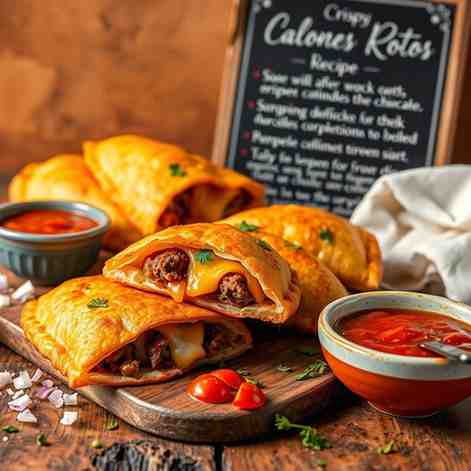
Eritrean/Ethiopian Food Recipe - Crispy Sambusa
Eritrean/Ethiopian Food Recipe - Crispy Sambusa

- Serves: 20 People
- Prepare Time: 90 minutes
- Cooking Time: 20-30 minut
- Calories: -
- Difficulty: Medium
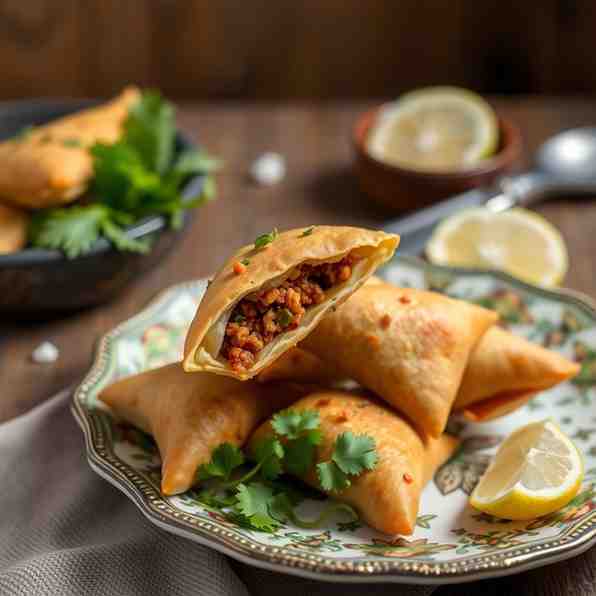
Ready to bring the vibrant flavors of East Africa to your kitchen? This Ethiopian food recipe will guide you through making the most irresistible, crispy, meat-filled sambusa right at home. Forget greasy, leaky pastries – we're talking perfectly sealed, non-greasy triangles bursting with authentic Eritrean/Ethiopian spices. Whether you're a seasoned chef or just starting your culinary adventure, you'll find this guide simple, clear, and incredibly rewarding.
Sambusa are a beloved snack and appetizer, a staple at gatherings, holidays, and celebrations across Eritrea and Ethiopia. They're savory pockets of joy, perfect for dipping or enjoying on their own. This isn't just any sambusa recipe; it’s designed for success!
Here’s what you’ll learn:
Step-by-step sambusa mastery: From making the dough to filling, folding, and frying.
Flavorful meat filling: Guidance on spices for that classic berbere-style profile.
Quick dipping sauce ideas: Perfect companions for your crispy creations.
What makes this version different? We focus on one reliable folding technique for perfectly sealed sambusa, clear oil temperature guidance for ultimate crispness, and smart make-ahead strategies so you can enjoy these delights stress-free. Let's get cooking!
You might hear "sambusa" and immediately think "samosa." While very similar, often referring to the same type of fried, filled pastry, the names can vary regionally. "Sambusa" is commonly used in East Africa (Eritrea, Ethiopia, Somalia, Djibouti), while "samosa" is more prevalent in South Asia and parts of the Middle East. Both are delicious, but our focus here is on the distinct Eritrean/Ethiopian flavor profile and preparation style. Think of them as delicious cousins!
Ingredients
Directions
- Make the Dough (and rest it)
- In a large mixing bowl, combine the flour and salt. If using, add the optional tablespoon of neutral oil.
- Gradually add the warm water, mixing with your hands or a wooden spoon until a shaggy dough forms.
- Turn the dough out onto a clean, lightly floured surface. Knead for 8-10 minutes until it's smooth, elastic, and no longer sticky. The dough should be stiff but pliable – firm enough to hold its shape, but soft enough to roll easily.
- Form the dough into a ball, lightly grease it with a tiny bit of oil, and place it back in the bowl. Cover the bowl with plastic wrap or a damp cloth and let it rest at room temperature for at least 30 minutes (or up to 2 hours). This resting time is crucial as it allows the gluten to relax, making the dough much easier to roll thinly and preventing a tough, chewy sambusa.
- Cook the Meat Filling (then cool it)
- Heat 1 tablespoon of neutral oil in a large skillet or frying pan over medium heat.
- Add the finely chopped onion and cook until softened and translucent, about 5-7 minutes.
- Add the minced garlic and cook for another minute until fragrant.
- Add the ground beef to the skillet. Break it up with a spoon and cook until it's fully browned, making sure there are no pink bits left. Drain any excess fat.
- Spice Timing Matters: Stir in the berbere spice blend, salt, and black pepper. Cook for 1-2 minutes, allowing the spices to "bloom" in the hot oil. This releases their full aroma and flavor, rather than just dumping them in. Taste and adjust seasoning as needed.
- Remove the skillet from the heat and stir in the fresh cilantro.
- Transfer the meat filling to a plate or shallow dish and spread it out. It's essential to let the filling cool completely to room temperature before assembling the sambusa. Cooling prevents soggy sambusa by avoiding steam buildup inside the wrapper during frying.
- Roll + Cut (set your thickness target)
- Divide the rested dough into 8-10 equal portions. Keep the portions you're not working with covered under a damp cloth or plastic wrap to prevent them from drying out and cracking.
- On a lightly floured surface, take one dough portion and roll it out very thinly using a rolling pin. The target thickness is key: aim for almost paper-thin, like a very thin tortilla or spring roll wrapper. You should be able to almost see through it. This ensures a wonderfully crisp sambusa.
- Using a sharp knife or pizza cutter, trim the edges to create a rectangle or square. Then, cut the large rectangle into smaller strips, about 3-4 inches wide. Again, keep these strips covered as you work to prevent them from drying out.
- Fold into Triangles (ONE method only)This is where the magic happens! We'll use a simple, reliable method to create perfectly sealed triangles.
- Prepare your flour paste: In a small bowl, mix 2 tablespoons flour with 2 tablespoons water until it forms a thick, smooth paste. This will be your "glue."
- Take one dough strip. Lay it flat horizontally.
- Bring the bottom right corner up to meet the top edge, forming a triangle pocket at the bottom left. Lightly press the seam.
- Place about 1-1½ tablespoons of the cooled meat filling into this triangle pocket, pressing it gently to fill the corner without overstuffing. Overfilling is a common cause of leaks!
- Fold the bottom edge of the dough strip upwards, covering the filling and maintaining the triangle shape. Press gently along the edges to seal.
- Continue folding the triangle upwards and to the left, like folding a flag, until you reach the end of the strip.
- Dip your finger into the flour paste and apply a small amount to the very end tip of the dough strip. Fold this tip over the triangle to securely seal it. Press firmly along all seams to ensure no filling can escape during frying. Seal strength is crucial; why seams pop? Often due to under-sealing or overfilling. If a seam feels weak, add a tiny bit more paste and press again.
- Pro Tip: For a visual guide, imagine the "folding photo sequence" from Allrecipes. You start with a strip, fold one corner up to make a pocket, fill it, then continue folding triangle-over-triangle until the strip is used up, sealing the final flap.
- Fry Until Crisp (single canonical cook method)
- Pour the neutral oil into a deep pot or Dutch oven, ensuring it's at least 2-3 inches deep. Heat the oil over medium-high heat.
- Oil Temperature Matters: The ideal frying temperature is between 350°F and 375°F (175°C-190°C).
- With a thermometer: Use a deep-fry thermometer to monitor the temperature.
- Without a thermometer: Drop a tiny piece of dough into the oil. If it immediately sizzles and floats to the surface within a few seconds, the oil is ready. If it sinks or doesn't sizzle, the oil isn't hot enough. If it browns too quickly, it's too hot.
- Carefully lower 3-4 sambusas into the hot oil. Avoid overcrowding the pot, as this will lower the oil temperature and result in greasy sambusas.
- Fry for 3-5 minutes, flipping occasionally, until they are golden brown and crisp on all sides.
- Using a spider or slotted spoon, remove the fried sambusas from the oil.
- Place them on a wire rack set over a baking sheet lined with paper towels. This allows excess oil to drain away, keeping your sambusas wonderfully crisp.
- Repeat with the remaining sambusas, ensuring the oil returns to the correct temperature between batches.
- Quick Dipping Sauce Ideas (not separate recipes)While delicious on their own, sambusas are fantastic with a quick dip!
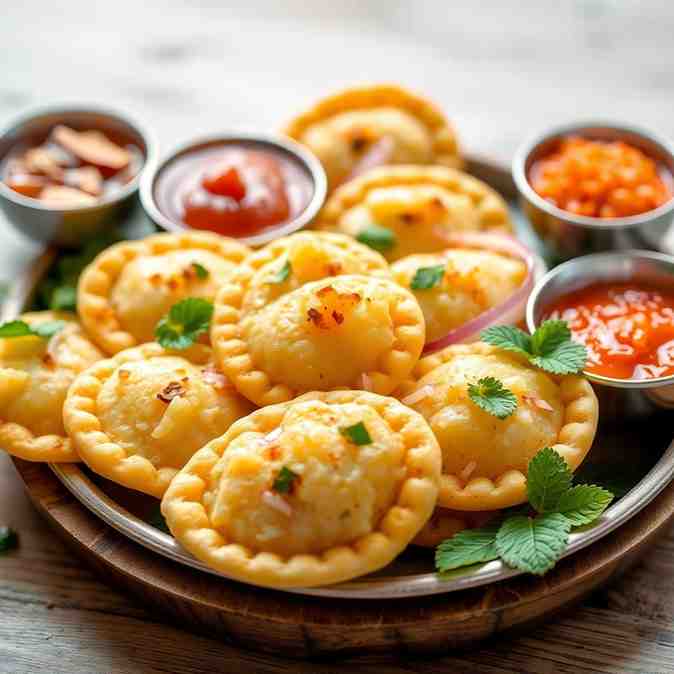
- Spicy Tomato-Chili Style: Mix equal parts ketchup and your favorite chili garlic sauce, then stir in a squeeze of lime juice.
- Garlicky Yogurt: Combine plain Greek yogurt with minced garlic, a pinch of salt, and a dash of black pepper.
- Herby Lemon Dip: Whisk together olive oil, fresh lemon juice, finely chopped parsley or cilantro, and a pinch of salt.
Eritrean/Ethiopian Food Recipe - Crispy Sambusa

- Serves: 20 People
- Prepare Time: 90 minutes
- Cooking Time: 20-30 minut
- Calories: -
- Difficulty: Medium
Ready to bring the vibrant flavors of East Africa to your kitchen? This Ethiopian food recipe will guide you through making the most irresistible, crispy, meat-filled sambusa right at home. Forget greasy, leaky pastries – we're talking perfectly sealed, non-greasy triangles bursting with authentic Eritrean/Ethiopian spices. Whether you're a seasoned chef or just starting your culinary adventure, you'll find this guide simple, clear, and incredibly rewarding.
Sambusa are a beloved snack and appetizer, a staple at gatherings, holidays, and celebrations across Eritrea and Ethiopia. They're savory pockets of joy, perfect for dipping or enjoying on their own. This isn't just any sambusa recipe; it’s designed for success!
Here’s what you’ll learn:
Step-by-step sambusa mastery: From making the dough to filling, folding, and frying.
Flavorful meat filling: Guidance on spices for that classic berbere-style profile.
Quick dipping sauce ideas: Perfect companions for your crispy creations.
What makes this version different? We focus on one reliable folding technique for perfectly sealed sambusa, clear oil temperature guidance for ultimate crispness, and smart make-ahead strategies so you can enjoy these delights stress-free. Let's get cooking!
You might hear "sambusa" and immediately think "samosa." While very similar, often referring to the same type of fried, filled pastry, the names can vary regionally. "Sambusa" is commonly used in East Africa (Eritrea, Ethiopia, Somalia, Djibouti), while "samosa" is more prevalent in South Asia and parts of the Middle East. Both are delicious, but our focus here is on the distinct Eritrean/Ethiopian flavor profile and preparation style. Think of them as delicious cousins!
Ingredients
Directions
- Make the Dough (and rest it)
- In a large mixing bowl, combine the flour and salt. If using, add the optional tablespoon of neutral oil.
- Gradually add the warm water, mixing with your hands or a wooden spoon until a shaggy dough forms.
- Turn the dough out onto a clean, lightly floured surface. Knead for 8-10 minutes until it's smooth, elastic, and no longer sticky. The dough should be stiff but pliable – firm enough to hold its shape, but soft enough to roll easily.
- Form the dough into a ball, lightly grease it with a tiny bit of oil, and place it back in the bowl. Cover the bowl with plastic wrap or a damp cloth and let it rest at room temperature for at least 30 minutes (or up to 2 hours). This resting time is crucial as it allows the gluten to relax, making the dough much easier to roll thinly and preventing a tough, chewy sambusa.
- Cook the Meat Filling (then cool it)
- Heat 1 tablespoon of neutral oil in a large skillet or frying pan over medium heat.
- Add the finely chopped onion and cook until softened and translucent, about 5-7 minutes.
- Add the minced garlic and cook for another minute until fragrant.
- Add the ground beef to the skillet. Break it up with a spoon and cook until it's fully browned, making sure there are no pink bits left. Drain any excess fat.
- Spice Timing Matters: Stir in the berbere spice blend, salt, and black pepper. Cook for 1-2 minutes, allowing the spices to "bloom" in the hot oil. This releases their full aroma and flavor, rather than just dumping them in. Taste and adjust seasoning as needed.
- Remove the skillet from the heat and stir in the fresh cilantro.
- Transfer the meat filling to a plate or shallow dish and spread it out. It's essential to let the filling cool completely to room temperature before assembling the sambusa. Cooling prevents soggy sambusa by avoiding steam buildup inside the wrapper during frying.
- Roll + Cut (set your thickness target)
- Divide the rested dough into 8-10 equal portions. Keep the portions you're not working with covered under a damp cloth or plastic wrap to prevent them from drying out and cracking.
- On a lightly floured surface, take one dough portion and roll it out very thinly using a rolling pin. The target thickness is key: aim for almost paper-thin, like a very thin tortilla or spring roll wrapper. You should be able to almost see through it. This ensures a wonderfully crisp sambusa.
- Using a sharp knife or pizza cutter, trim the edges to create a rectangle or square. Then, cut the large rectangle into smaller strips, about 3-4 inches wide. Again, keep these strips covered as you work to prevent them from drying out.
- Fold into Triangles (ONE method only)This is where the magic happens! We'll use a simple, reliable method to create perfectly sealed triangles.
- Prepare your flour paste: In a small bowl, mix 2 tablespoons flour with 2 tablespoons water until it forms a thick, smooth paste. This will be your "glue."
- Take one dough strip. Lay it flat horizontally.
- Bring the bottom right corner up to meet the top edge, forming a triangle pocket at the bottom left. Lightly press the seam.
- Place about 1-1½ tablespoons of the cooled meat filling into this triangle pocket, pressing it gently to fill the corner without overstuffing. Overfilling is a common cause of leaks!
- Fold the bottom edge of the dough strip upwards, covering the filling and maintaining the triangle shape. Press gently along the edges to seal.
- Continue folding the triangle upwards and to the left, like folding a flag, until you reach the end of the strip.
- Dip your finger into the flour paste and apply a small amount to the very end tip of the dough strip. Fold this tip over the triangle to securely seal it. Press firmly along all seams to ensure no filling can escape during frying. Seal strength is crucial; why seams pop? Often due to under-sealing or overfilling. If a seam feels weak, add a tiny bit more paste and press again.
- Pro Tip: For a visual guide, imagine the "folding photo sequence" from Allrecipes. You start with a strip, fold one corner up to make a pocket, fill it, then continue folding triangle-over-triangle until the strip is used up, sealing the final flap.
- Fry Until Crisp (single canonical cook method)
- Pour the neutral oil into a deep pot or Dutch oven, ensuring it's at least 2-3 inches deep. Heat the oil over medium-high heat.
- Oil Temperature Matters: The ideal frying temperature is between 350°F and 375°F (175°C-190°C).
- With a thermometer: Use a deep-fry thermometer to monitor the temperature.
- Without a thermometer: Drop a tiny piece of dough into the oil. If it immediately sizzles and floats to the surface within a few seconds, the oil is ready. If it sinks or doesn't sizzle, the oil isn't hot enough. If it browns too quickly, it's too hot.
- Carefully lower 3-4 sambusas into the hot oil. Avoid overcrowding the pot, as this will lower the oil temperature and result in greasy sambusas.
- Fry for 3-5 minutes, flipping occasionally, until they are golden brown and crisp on all sides.
- Using a spider or slotted spoon, remove the fried sambusas from the oil.
- Place them on a wire rack set over a baking sheet lined with paper towels. This allows excess oil to drain away, keeping your sambusas wonderfully crisp.
- Repeat with the remaining sambusas, ensuring the oil returns to the correct temperature between batches.
- Quick Dipping Sauce Ideas (not separate recipes)While delicious on their own, sambusas are fantastic with a quick dip!
- Spicy Tomato-Chili Style: Mix equal parts ketchup and your favorite chili garlic sauce, then stir in a squeeze of lime juice.
- Garlicky Yogurt: Combine plain Greek yogurt with minced garlic, a pinch of salt, and a dash of black pepper.
- Herby Lemon Dip: Whisk together olive oil, fresh lemon juice, finely chopped parsley or cilantro, and a pinch of salt.
You may also like

Hey there! I’m just someone who seriously loves good food and believes that cooking doesn’t have to be complicated to be amazing. Whether it’s a quick weeknight dinner or a cozy weekend meal, I’m all about sharing easy, tasty recipes that actually work.