Foutou Banane - African Cuisine Recipe
Foutou Banane - African Cuisine Recipe
- Serves: 4 People
- Prepare Time: 25 minutes
- Cooking Time: 40 minutes
- Calories: -
- Difficulty: Medium
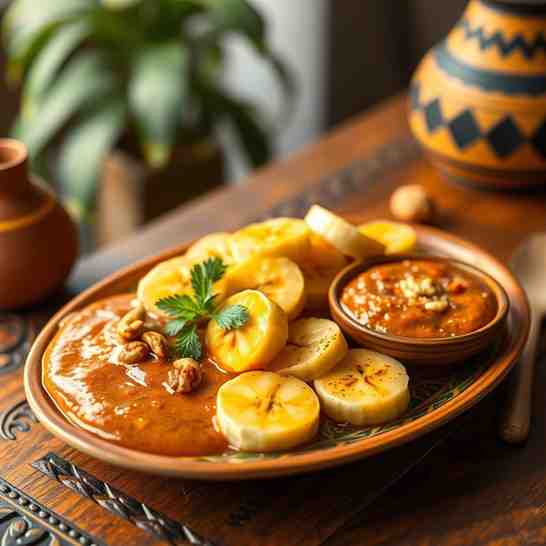
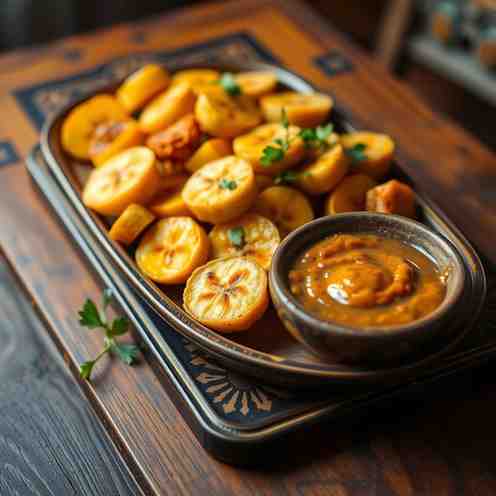
Foutou Banane is more than just a dish; it's a cornerstone of Ivorian dining, a soft, dough-like accompaniment that brings joy to every meal. If you're looking for authentic african cuisine recipes that truly represent the heart of West Africa, learning to make Foutou Banane is an absolute must. This traditional staple, made from plantains and cassava, is perfectly designed to soak up the rich flavors of classic african dishes recipes like Sauce Graine, hearty peanut stews, spicy okra stews, or the famous Chicken Kedjenou. It's an essential part of african cuisine foods and a fantastic way to explore the vibrant food in african culture right in your own kitchen. Whether you're new to african foods recipes or a seasoned cook, our guide will help you master this delicious Ivorian Fufu.
Ingredients
Directions
- Peel, Cut & Boil Cassava and Plantains
- Prep the Cassava: Carefully peel the tough outer skin off the cassava roots. A sharp knife is your friend here – slice off both ends, then make a shallow cut lengthwise along the root. Pry up the skin with your knife and peel it back. Once peeled, cut the cassava into even 2-inch chunks. Don't forget to remove the fibrous, woody core from the center of each piece, as it's not edible.
- Prep the Plantains: Slice off both ends of each plantain. Make a shallow cut lengthwise through the skin, being careful not to cut too deep into the fruit. Peel the skin away. Cut the plantains into similar 2-inch chunks.
- Boil: Place the cassava chunks in a large pot and cover them with cold water. Add the salt. Bring the water to a boil, then reduce the heat to medium and simmer for about 15-20 minutes.
- Add Plantains: Once the cassava has softened slightly (you should be able to pierce it with a fork, but it might still be a bit firm in the center), add the plantain chunks to the pot. Continue to boil both together until both are very tender. The cassava should be easily pierced and not chalky in the center, and the plantains should be soft but not falling apart. This usually takes another 10-15 minutes.
- Drain: Carefully drain the hot water from the pot, reserving about ½ cup of the cooking water, just in case you need it later.
- Pound the Cassava Until Smooth
- Transfer: Immediately transfer the hot, cooked cassava chunks into your mortar (if using) or the bowl of your heavy-duty stand mixer (fitted with a dough hook) or a sturdy food processor.
- Pound/Process: Begin pounding the cassava with your pestle or start your mixer/food processor on medium speed. The goal is to break down the cassava into a completely smooth, elastic paste. This can take 5-10 minutes. If using a mortar and pestle, you might need to lightly dampen your pestle or a wooden spoon with water to prevent sticking. Continue until there are no lumps and the cassava looks uniform and slightly stretchy.
- Incorporate the Plantain
- Add Gradually: Once the cassava is smooth, begin adding the cooked plantain chunks to the cassava paste. Add them gradually, a few at a time, continuing to pound or mix thoroughly between additions.
- Combine & Adjust: As you incorporate the plantains, the mixture will become stickier and more cohesive, forming a smooth, slightly stretchy dough. Keep pounding or mixing until the plantain is fully integrated and the Foutou has a consistent, elastic texture. If the mixture feels too dense, you can add a tiny splash of the reserved hot cooking water. If it feels too sticky, a brief rest can sometimes help, or a bit more pounding.
- Shape and Serve
- Shape: With your hands lightly dampened with water or a little neutral oil (if using), scoop out portions of the warm Foutou. Roll and shape them into smooth, round balls, about the size of a tennis ball or smaller, depending on your preferred serving size.
- Keep Warm: Arrange the Foutou balls in a heatproof bowl or a pot lined with a clean cloth. You can cover them and keep them warm over very low heat or in an insulated container until your accompanying stew or sauce is ready. Foutou is best served warm alongside your favorite Ivorian sauce!
Foutou Banane - African Cuisine Recipe
- Serves: 4 People
- Prepare Time: 25 minutes
- Cooking Time: 40 minutes
- Calories: -
- Difficulty: Medium
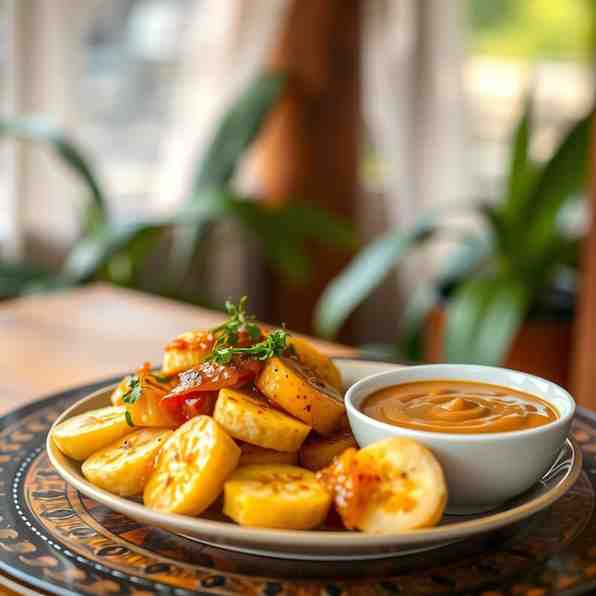
Foutou Banane is more than just a dish; it's a cornerstone of Ivorian dining, a soft, dough-like accompaniment that brings joy to every meal. If you're looking for authentic african cuisine recipes that truly represent the heart of West Africa, learning to make Foutou Banane is an absolute must. This traditional staple, made from plantains and cassava, is perfectly designed to soak up the rich flavors of classic african dishes recipes like Sauce Graine, hearty peanut stews, spicy okra stews, or the famous Chicken Kedjenou. It's an essential part of african cuisine foods and a fantastic way to explore the vibrant food in african culture right in your own kitchen. Whether you're new to african foods recipes or a seasoned cook, our guide will help you master this delicious Ivorian Fufu.
Ingredients
Directions
- Peel, Cut & Boil Cassava and Plantains
- Prep the Cassava: Carefully peel the tough outer skin off the cassava roots. A sharp knife is your friend here – slice off both ends, then make a shallow cut lengthwise along the root. Pry up the skin with your knife and peel it back. Once peeled, cut the cassava into even 2-inch chunks. Don't forget to remove the fibrous, woody core from the center of each piece, as it's not edible.
- Prep the Plantains: Slice off both ends of each plantain. Make a shallow cut lengthwise through the skin, being careful not to cut too deep into the fruit. Peel the skin away. Cut the plantains into similar 2-inch chunks.
- Boil: Place the cassava chunks in a large pot and cover them with cold water. Add the salt. Bring the water to a boil, then reduce the heat to medium and simmer for about 15-20 minutes.
- Add Plantains: Once the cassava has softened slightly (you should be able to pierce it with a fork, but it might still be a bit firm in the center), add the plantain chunks to the pot. Continue to boil both together until both are very tender. The cassava should be easily pierced and not chalky in the center, and the plantains should be soft but not falling apart. This usually takes another 10-15 minutes.
- Drain: Carefully drain the hot water from the pot, reserving about ½ cup of the cooking water, just in case you need it later.
- Pound the Cassava Until Smooth
- Transfer: Immediately transfer the hot, cooked cassava chunks into your mortar (if using) or the bowl of your heavy-duty stand mixer (fitted with a dough hook) or a sturdy food processor.
- Pound/Process: Begin pounding the cassava with your pestle or start your mixer/food processor on medium speed. The goal is to break down the cassava into a completely smooth, elastic paste. This can take 5-10 minutes. If using a mortar and pestle, you might need to lightly dampen your pestle or a wooden spoon with water to prevent sticking. Continue until there are no lumps and the cassava looks uniform and slightly stretchy.
- Incorporate the Plantain
- Add Gradually: Once the cassava is smooth, begin adding the cooked plantain chunks to the cassava paste. Add them gradually, a few at a time, continuing to pound or mix thoroughly between additions.
- Combine & Adjust: As you incorporate the plantains, the mixture will become stickier and more cohesive, forming a smooth, slightly stretchy dough. Keep pounding or mixing until the plantain is fully integrated and the Foutou has a consistent, elastic texture. If the mixture feels too dense, you can add a tiny splash of the reserved hot cooking water. If it feels too sticky, a brief rest can sometimes help, or a bit more pounding.
- Shape and Serve
- Shape: With your hands lightly dampened with water or a little neutral oil (if using), scoop out portions of the warm Foutou. Roll and shape them into smooth, round balls, about the size of a tennis ball or smaller, depending on your preferred serving size.
- Keep Warm: Arrange the Foutou balls in a heatproof bowl or a pot lined with a clean cloth. You can cover them and keep them warm over very low heat or in an insulated container until your accompanying stew or sauce is ready. Foutou is best served warm alongside your favorite Ivorian sauce!
You may also like



Hey there! I’m just someone who seriously loves good food and believes that cooking doesn’t have to be complicated to be amazing. Whether it’s a quick weeknight dinner or a cozy weekend meal, I’m all about sharing easy, tasty recipes that actually work.