
Haggis Recipe - Traditional Scottish & Vegetarian Options
Haggis Recipe - Traditional Scottish & Vegetarian Options
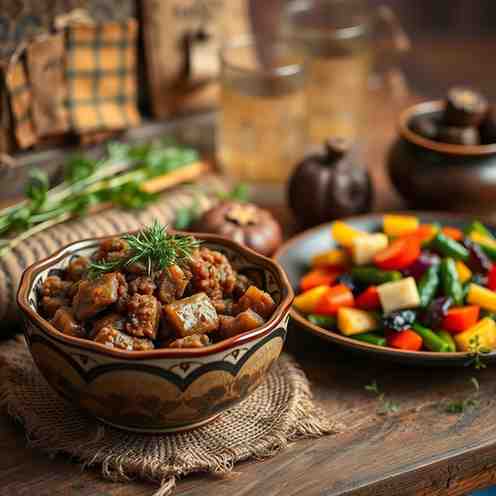
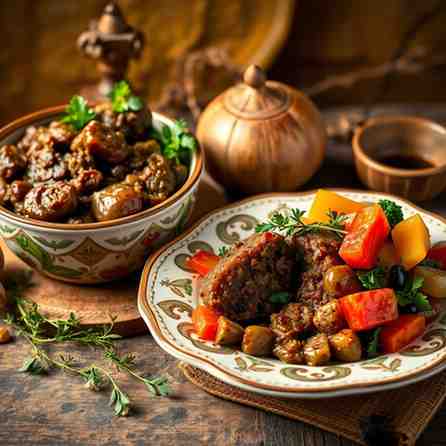
- Serves: 8 People
- Prepare Time: 45 minutes
- Cooking Time: 3 hours
- Calories: -
- Difficulty: Hard
Ever wondered what that famous Scottish dish, haggis, truly tastes like? Or perhaps you're an adventurous home cook ready to tackle a culinary legend? You've come to the right place! Authentic haggis is more than just a meal; it's a savory Scottish tradition, a hearty pudding of minced sheep's offal (heart, liver, and lungs), suet, oatmeal, onion, and spices, all traditionally encased in a sheep's stomach. While its description might sound intimidating, the flavor is deeply rich, peppery, and incredibly comforting.
Traditionally served as the centerpiece of a Burns Night supper – celebrating Scotland's beloved poet, Robert Burns – haggis embodies the spirit of Scottish resilience and heritage. This definitive guide is crafted for both traditionalists eager to recreate a true taste of Scotland and adventurous home cooks looking to expand their culinary horizons. We'll walk you through every step, from sourcing those hard-to-find ingredients to troubleshooting common issues, ensuring you can make this traditional Scottish recipe right in your own kitchen. And for those curious about variations, we'll even touch on vegetarian haggis options!
Ingredients
Directions
- Prep Offal & Casing (with tips):
- Thoroughly clean the sheep's stomach by rinsing it inside and out under cold running water. Scrape the interior membrane gently with a blunt knife to remove any impurities. Soak it in salted water for several hours or overnight, changing the water a few times.
- Wash the sheep's heart, liver, and lungs (the "pluck") under cold water. Trim away any tough tubes, gristle, or excess fat from the heart and liver.
- Tip: Proper cleaning of the casing is crucial for flavor and hygiene. Don't rush this step!
- Cook Pluck & Reserve Stock:
- Place the prepared heart, liver, and lungs (if using) in a large pot. Cover with cold water and bring to a boil. Reduce heat and simmer gently for about 1.5 to 2 hours, or until the offal is tender.
- Once cooked, carefully remove the pluck from the pot. Let it cool enough to handle.
- Crucially, reserve at least 1 cup (240ml) of the cooking stock. You'll need this for the filling.
- Finely mince or grind the cooked heart and liver. If using lungs, mince them as well. (Note: Many modern recipes, especially outside Scotland, omit the lungs due to availability or preference. If omitted, increase other offal slightly or add more suet).
- Toast Oatmeal (with why it matters):
- In a dry pan over medium heat, lightly toast the pinhead oatmeal for 5-7 minutes, stirring constantly, until it's golden brown and fragrant. Be careful not to burn it!
- Why it matters: Toasting the oatmeal adds a wonderful nutty flavor to the haggis and helps it absorb moisture more effectively, contributing to the perfect texture.
- Mix Filling & Seasonings:
- In a very large mixing bowl, combine the minced offal, shredded beef suet, finely chopped onions, and the toasted oatmeal.
- Add the salt, black pepper, cayenne pepper, and nutmeg (and optional allspice/mace). Mix everything thoroughly with your hands until well combined. This is where the flavors truly start to meld!
- Gradually add the reserved cooking stock, a little at a time, mixing until the mixture is moist but not soggy. It should hold together well.
- Test for Seasoning:
- This step is vital for ensuring the perfect flavor. Take a small spoonful of the haggis mixture and fry it in a hot pan until cooked through.
- Taste it and adjust the seasonings (salt, pepper, spices) in the main bowl as needed. Remember, you want a bold, peppery flavor!
- Stuff & Secure Casing Properly:
- Carefully spoon the haggis mixture into the prepared sheep's stomach (or chosen casing).
- Fill it only about two-thirds full. This is crucial because the oatmeal will expand significantly during cooking, and overfilling will cause the casing to burst.
- Press out any air pockets as you fill.
- Once filled, gather the opening of the stomach and secure it tightly with butcher's twine, tying it off securely.
- Prick the casing in a few places with a needle or skewer. This allows steam to escape during cooking and prevents the haggis from bursting.
- Process Image Placeholder: Image showing haggis mixture being spooned into casing, leaving space, and then tied with twine and pricked.
- Cook with Temperature & Time Cues:
- Place the stuffed haggis into a very large pot of water. The water should be simmering gently, not boiling vigorously. The water should cover the haggis completely.
- Cook the haggis for approximately 3 hours, maintaining a gentle simmer throughout.
- Do NOT allow the water to come to a rolling boil, as this significantly increases the risk of the casing splitting.
- Add more hot water to the pot as needed to keep the haggis submerged.
- Process Image Placeholder: Image of haggis gently simmering in a large pot of water.
- Rest & Slice:
- Once cooked, carefully remove the haggis from the pot using tongs or a slotted spoon. It will be hot and delicate.
- Place it on a clean board or platter and allow it to rest for 10-15 minutes before serving. This helps the filling set and makes slicing easier.
- To serve, cut open the casing down the middle and spoon out the delicious, crumbly filling.
- Process Image Placeholder: Image of cooked haggis resting, then being cut open to reveal the filling.
Haggis Recipe - Traditional Scottish & Vegetarian Options
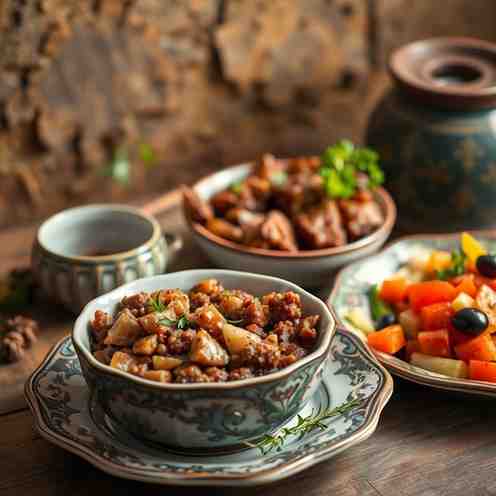
- Serves: 8 People
- Prepare Time: 45 minutes
- Cooking Time: 3 hours
- Calories: -
- Difficulty: Hard
Ever wondered what that famous Scottish dish, haggis, truly tastes like? Or perhaps you're an adventurous home cook ready to tackle a culinary legend? You've come to the right place! Authentic haggis is more than just a meal; it's a savory Scottish tradition, a hearty pudding of minced sheep's offal (heart, liver, and lungs), suet, oatmeal, onion, and spices, all traditionally encased in a sheep's stomach. While its description might sound intimidating, the flavor is deeply rich, peppery, and incredibly comforting.
Traditionally served as the centerpiece of a Burns Night supper – celebrating Scotland's beloved poet, Robert Burns – haggis embodies the spirit of Scottish resilience and heritage. This definitive guide is crafted for both traditionalists eager to recreate a true taste of Scotland and adventurous home cooks looking to expand their culinary horizons. We'll walk you through every step, from sourcing those hard-to-find ingredients to troubleshooting common issues, ensuring you can make this traditional Scottish recipe right in your own kitchen. And for those curious about variations, we'll even touch on vegetarian haggis options!
Ingredients
Directions
- Prep Offal & Casing (with tips):
- Thoroughly clean the sheep's stomach by rinsing it inside and out under cold running water. Scrape the interior membrane gently with a blunt knife to remove any impurities. Soak it in salted water for several hours or overnight, changing the water a few times.
- Wash the sheep's heart, liver, and lungs (the "pluck") under cold water. Trim away any tough tubes, gristle, or excess fat from the heart and liver.
- Tip: Proper cleaning of the casing is crucial for flavor and hygiene. Don't rush this step!
- Cook Pluck & Reserve Stock:
- Place the prepared heart, liver, and lungs (if using) in a large pot. Cover with cold water and bring to a boil. Reduce heat and simmer gently for about 1.5 to 2 hours, or until the offal is tender.
- Once cooked, carefully remove the pluck from the pot. Let it cool enough to handle.
- Crucially, reserve at least 1 cup (240ml) of the cooking stock. You'll need this for the filling.
- Finely mince or grind the cooked heart and liver. If using lungs, mince them as well. (Note: Many modern recipes, especially outside Scotland, omit the lungs due to availability or preference. If omitted, increase other offal slightly or add more suet).
- Toast Oatmeal (with why it matters):
- In a dry pan over medium heat, lightly toast the pinhead oatmeal for 5-7 minutes, stirring constantly, until it's golden brown and fragrant. Be careful not to burn it!
- Why it matters: Toasting the oatmeal adds a wonderful nutty flavor to the haggis and helps it absorb moisture more effectively, contributing to the perfect texture.
- Mix Filling & Seasonings:
- In a very large mixing bowl, combine the minced offal, shredded beef suet, finely chopped onions, and the toasted oatmeal.
- Add the salt, black pepper, cayenne pepper, and nutmeg (and optional allspice/mace). Mix everything thoroughly with your hands until well combined. This is where the flavors truly start to meld!
- Gradually add the reserved cooking stock, a little at a time, mixing until the mixture is moist but not soggy. It should hold together well.
- Test for Seasoning:
- This step is vital for ensuring the perfect flavor. Take a small spoonful of the haggis mixture and fry it in a hot pan until cooked through.
- Taste it and adjust the seasonings (salt, pepper, spices) in the main bowl as needed. Remember, you want a bold, peppery flavor!
- Stuff & Secure Casing Properly:
- Carefully spoon the haggis mixture into the prepared sheep's stomach (or chosen casing).
- Fill it only about two-thirds full. This is crucial because the oatmeal will expand significantly during cooking, and overfilling will cause the casing to burst.
- Press out any air pockets as you fill.
- Once filled, gather the opening of the stomach and secure it tightly with butcher's twine, tying it off securely.
- Prick the casing in a few places with a needle or skewer. This allows steam to escape during cooking and prevents the haggis from bursting.
- Process Image Placeholder: Image showing haggis mixture being spooned into casing, leaving space, and then tied with twine and pricked.
- Cook with Temperature & Time Cues:
- Place the stuffed haggis into a very large pot of water. The water should be simmering gently, not boiling vigorously. The water should cover the haggis completely.
- Cook the haggis for approximately 3 hours, maintaining a gentle simmer throughout.
- Do NOT allow the water to come to a rolling boil, as this significantly increases the risk of the casing splitting.
- Add more hot water to the pot as needed to keep the haggis submerged.
- Process Image Placeholder: Image of haggis gently simmering in a large pot of water.
- Rest & Slice:
- Once cooked, carefully remove the haggis from the pot using tongs or a slotted spoon. It will be hot and delicate.
- Place it on a clean board or platter and allow it to rest for 10-15 minutes before serving. This helps the filling set and makes slicing easier.
- To serve, cut open the casing down the middle and spoon out the delicious, crumbly filling.
- Process Image Placeholder: Image of cooked haggis resting, then being cut open to reveal the filling.
You may also like


Hey there! I’m just someone who seriously loves good food and believes that cooking doesn’t have to be complicated to be amazing. Whether it’s a quick weeknight dinner or a cozy weekend meal, I’m all about sharing easy, tasty recipes that actually work.



