
Hangi Recipe - Maori Earth Oven Cooking
Hangi Recipe - Maori Earth Oven Cooking


- Serves: 10 People
- Prepare Time: 2 hours 30
- Cooking Time: 4 hours
- Calories: -
- Difficulty: Hard
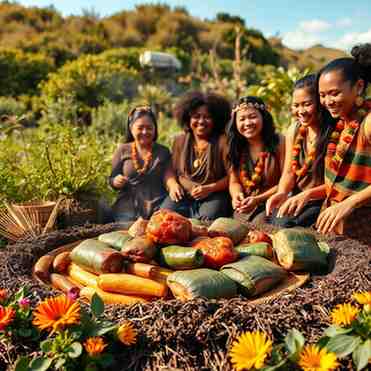
Kia Ora! Get ready to embark on a truly unforgettable culinary journey with the Hangi, a cherished Maori culinary tradition that has been the heart of feasts and celebrations in Aotearoa (New Zealand) for centuries. More than just a meal, a Hangi is a cultural experience, a communal effort, and a delicious testament to ancient cooking methods. For generations, the Maori people have perfected this art of cooking food in an earth oven, creating incredibly tender, smoky, and flavorful dishes that bring families and communities together.
Imagine succulent meats like pork and chicken, alongside hearty root vegetables such as kumara (sweet potato), potatoes, and pumpkin, all slow-cooked to perfection beneath the earth. This guide will walk you through discovering an authentic Hangi recipe, helping you learn traditional Maori earth oven cooking techniques and understand the profound history and cultural significance of Hangi. Whether you're a beginner eager to explore new traditions or an experienced cook looking for a unique challenge, preparing a Hangi feast is a rewarding experience that connects you directly to the rich heritage of the Maori people. Let’s dive into making your own Hangi, celebrating a tradition as old as the land itself!
Ingredients
Directions
- Phase 1: Preparing the Ingredients (The Day Before or Morning Of)
- Meat Preparation: If marinating, combine all marinade ingredients in a large bowl. Add pork, chicken, and lamb (if using), ensuring all pieces are well-coated. Cover and refrigerate overnight or for at least 4 hours. If not marinating, simply season meats generously with salt and pepper.
- Vegetable Preparation: Peel and cut all your chosen vegetables into large, even-sized chunks. This ensures they cook uniformly in the earth oven. Keep them separate for now.
- Stuffing (Optional): If making stuffing, sauté onion and garlic until soft. Mix with breadcrumbs, parsley, stock, salt, and pepper. Use to stuff the chicken cavity or form into a separate parcel.
- Parceling: This is crucial for keeping your food clean and moist.
- Traditional Method: Wrap individual meat pieces and vegetable types in large banana leaves or cabbage leaves. Secure with twine.
- Modern Alternative: Use heavy-duty aluminum foil to create sturdy parcels for each type of meat and vegetable. Ensure they are sealed tightly to prevent dirt from entering and to retain moisture. You can also use oven bags inside the foil for extra security.
- Phase 2: Setting Up the Cooking Environment (Traditional Hangi Pit)This is the most labor-intensive part, but it's what makes a Hangi authentic!
- Digging the Pit: Choose a safe, open area away from flammable materials. Dig a pit approximately 1 meter (3 feet) deep, 1 meter wide, and 1.5 meters (5 feet) long. The size can vary depending on how much food you're cooking.
- Gathering Stones: You'll need about 30-50 volcanic rocks or dense, non-porous river stones (around the size of a fist to a small melon). Avoid porous rocks like sandstone, which can explode when heated.
- Building the Fire: Lay a bed of dry, hard wood (e.g., manuka, pohutukawa, or other hardwood) at the bottom of the pit. Stack the stones on top of the wood. You want a strong, hot fire to heat the stones thoroughly.
- Heating the Stones (3-4 hours): Light the fire and let it burn for 3-4 hours, or until the stones are glowing red hot. This is essential for proper cooking. Keep an eye on the fire and add more wood if needed.
- Phase 3: Cooking the Ingredients (Loading the Hangi Pit)Once the stones are super hot, it's time to load the Hangi! This process needs to be done quickly and carefully.
- Clear the Ash: Carefully rake out any remaining ash and unburnt wood from the pit, leaving only the hot stones at the bottom.
- Add Wet Sacks/Leaves: Immediately place a layer of wet, clean hessian sacks or a thick layer of wet banana leaves directly onto the hot stones. This creates the steam needed for cooking.
- Load the Food:
- Place the meat parcels directly onto the wet sacks/leaves. The meats that take longer to cook (pork, lamb) should go on first, followed by chicken.
- Layer the harder vegetables (potatoes, kumara, taro) on top of the meats.
- Finally, place the softer vegetables (pumpkin, cabbage) on the very top.
- Covering the Food:
- Place another layer of wet sacks or banana leaves directly over the food parcels.
- Cover this with a thick layer of wet, old blankets or more hessian sacks. This creates a tight seal to trap the steam.
- Immediately shovel earth back over the blankets, completely burying the pit. Form a mound over the Hangi to ensure no steam escapes.
- Cooking Time (3-4 hours): Let the Hangi cook undisturbed for 3 to 4 hours. The exact time depends on the size of your pit, the heat of your stones, and the amount of food. Resist the urge to peek!
- Phase 4: Checking for DonenessAfter the cooking time, it's time for the big reveal!
- Uncovering: Carefully shovel away the earth, then remove the blankets and the top layer of wet sacks/leaves. Be cautious of the steam!
- Check Internal Temperature: Use a meat thermometer to check the internal temperature of the thickest part of the meat (chicken should be 74°C/165°F, pork/lamb 63°C/145°F and rest). Vegetables should be fork-tender. If not quite done, re-cover and cook for another 30-60 minutes.
- Phase 5: Serving the Feast
- Unwrap and Serve: Carefully remove the food parcels from the pit. Unwrap them, being mindful of the hot steam.
- Arrange: Arrange the beautifully cooked, tender meats and vegetables on large platters.
- Enjoy: Serve immediately with a sprinkle of fresh parsley, a squeeze of lemon, or your favorite condiments. A Hangi is a feast meant to be shared, so gather your friends and family and enjoy the fruits of your labor!
Hangi Recipe - Maori Earth Oven Cooking
- Serves: 10 People
- Prepare Time: 2 hours 30
- Cooking Time: 4 hours
- Calories: -
- Difficulty: Hard
Kia Ora! Get ready to embark on a truly unforgettable culinary journey with the Hangi, a cherished Maori culinary tradition that has been the heart of feasts and celebrations in Aotearoa (New Zealand) for centuries. More than just a meal, a Hangi is a cultural experience, a communal effort, and a delicious testament to ancient cooking methods. For generations, the Maori people have perfected this art of cooking food in an earth oven, creating incredibly tender, smoky, and flavorful dishes that bring families and communities together.
Imagine succulent meats like pork and chicken, alongside hearty root vegetables such as kumara (sweet potato), potatoes, and pumpkin, all slow-cooked to perfection beneath the earth. This guide will walk you through discovering an authentic Hangi recipe, helping you learn traditional Maori earth oven cooking techniques and understand the profound history and cultural significance of Hangi. Whether you're a beginner eager to explore new traditions or an experienced cook looking for a unique challenge, preparing a Hangi feast is a rewarding experience that connects you directly to the rich heritage of the Maori people. Let’s dive into making your own Hangi, celebrating a tradition as old as the land itself!
Ingredients
Directions
- Phase 1: Preparing the Ingredients (The Day Before or Morning Of)
- Meat Preparation: If marinating, combine all marinade ingredients in a large bowl. Add pork, chicken, and lamb (if using), ensuring all pieces are well-coated. Cover and refrigerate overnight or for at least 4 hours. If not marinating, simply season meats generously with salt and pepper.
- Vegetable Preparation: Peel and cut all your chosen vegetables into large, even-sized chunks. This ensures they cook uniformly in the earth oven. Keep them separate for now.
- Stuffing (Optional): If making stuffing, sauté onion and garlic until soft. Mix with breadcrumbs, parsley, stock, salt, and pepper. Use to stuff the chicken cavity or form into a separate parcel.
- Parceling: This is crucial for keeping your food clean and moist.
- Traditional Method: Wrap individual meat pieces and vegetable types in large banana leaves or cabbage leaves. Secure with twine.
- Modern Alternative: Use heavy-duty aluminum foil to create sturdy parcels for each type of meat and vegetable. Ensure they are sealed tightly to prevent dirt from entering and to retain moisture. You can also use oven bags inside the foil for extra security.
- Phase 2: Setting Up the Cooking Environment (Traditional Hangi Pit)This is the most labor-intensive part, but it's what makes a Hangi authentic!
- Digging the Pit: Choose a safe, open area away from flammable materials. Dig a pit approximately 1 meter (3 feet) deep, 1 meter wide, and 1.5 meters (5 feet) long. The size can vary depending on how much food you're cooking.
- Gathering Stones: You'll need about 30-50 volcanic rocks or dense, non-porous river stones (around the size of a fist to a small melon). Avoid porous rocks like sandstone, which can explode when heated.
- Building the Fire: Lay a bed of dry, hard wood (e.g., manuka, pohutukawa, or other hardwood) at the bottom of the pit. Stack the stones on top of the wood. You want a strong, hot fire to heat the stones thoroughly.
- Heating the Stones (3-4 hours): Light the fire and let it burn for 3-4 hours, or until the stones are glowing red hot. This is essential for proper cooking. Keep an eye on the fire and add more wood if needed.
- Phase 3: Cooking the Ingredients (Loading the Hangi Pit)Once the stones are super hot, it's time to load the Hangi! This process needs to be done quickly and carefully.
- Clear the Ash: Carefully rake out any remaining ash and unburnt wood from the pit, leaving only the hot stones at the bottom.
- Add Wet Sacks/Leaves: Immediately place a layer of wet, clean hessian sacks or a thick layer of wet banana leaves directly onto the hot stones. This creates the steam needed for cooking.
- Load the Food:
- Place the meat parcels directly onto the wet sacks/leaves. The meats that take longer to cook (pork, lamb) should go on first, followed by chicken.
- Layer the harder vegetables (potatoes, kumara, taro) on top of the meats.
- Finally, place the softer vegetables (pumpkin, cabbage) on the very top.
- Covering the Food:
- Place another layer of wet sacks or banana leaves directly over the food parcels.
- Cover this with a thick layer of wet, old blankets or more hessian sacks. This creates a tight seal to trap the steam.
- Immediately shovel earth back over the blankets, completely burying the pit. Form a mound over the Hangi to ensure no steam escapes.
- Cooking Time (3-4 hours): Let the Hangi cook undisturbed for 3 to 4 hours. The exact time depends on the size of your pit, the heat of your stones, and the amount of food. Resist the urge to peek!
- Phase 4: Checking for DonenessAfter the cooking time, it's time for the big reveal!
- Uncovering: Carefully shovel away the earth, then remove the blankets and the top layer of wet sacks/leaves. Be cautious of the steam!
- Check Internal Temperature: Use a meat thermometer to check the internal temperature of the thickest part of the meat (chicken should be 74°C/165°F, pork/lamb 63°C/145°F and rest). Vegetables should be fork-tender. If not quite done, re-cover and cook for another 30-60 minutes.
- Phase 5: Serving the Feast
- Unwrap and Serve: Carefully remove the food parcels from the pit. Unwrap them, being mindful of the hot steam.
- Arrange: Arrange the beautifully cooked, tender meats and vegetables on large platters.
- Enjoy: Serve immediately with a sprinkle of fresh parsley, a squeeze of lemon, or your favorite condiments. A Hangi is a feast meant to be shared, so gather your friends and family and enjoy the fruits of your labor!
You may also like

Hey there! I’m just someone who seriously loves good food and believes that cooking doesn’t have to be complicated to be amazing. Whether it’s a quick weeknight dinner or a cozy weekend meal, I’m all about sharing easy, tasty recipes that actually work.