
Hong Kong Cheung Fun - Make Silky Chinese Rice Noodles
Hong Kong Cheung Fun - Make Silky Chinese Rice Noodles
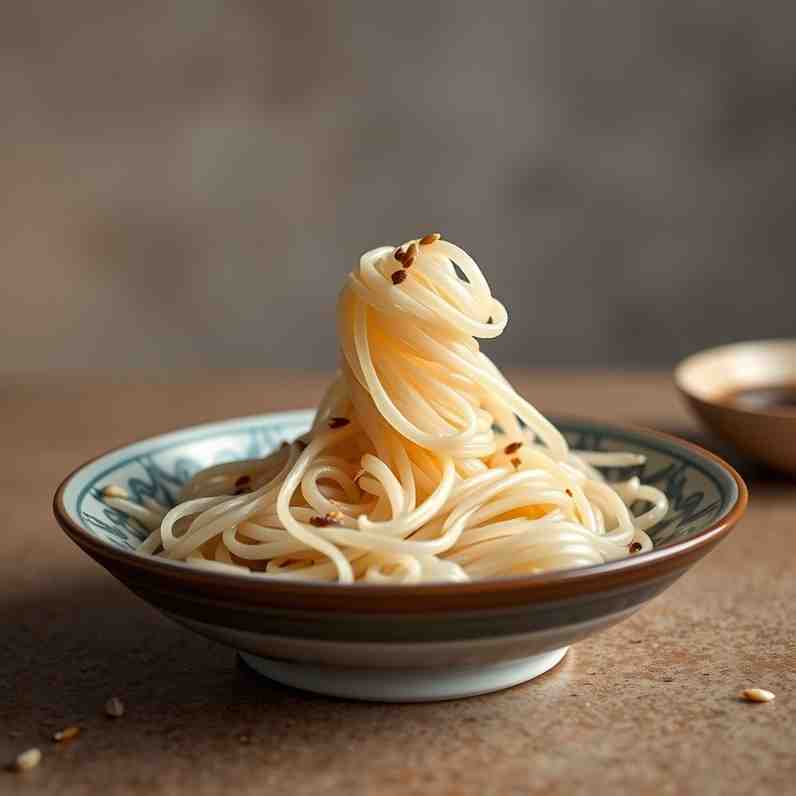
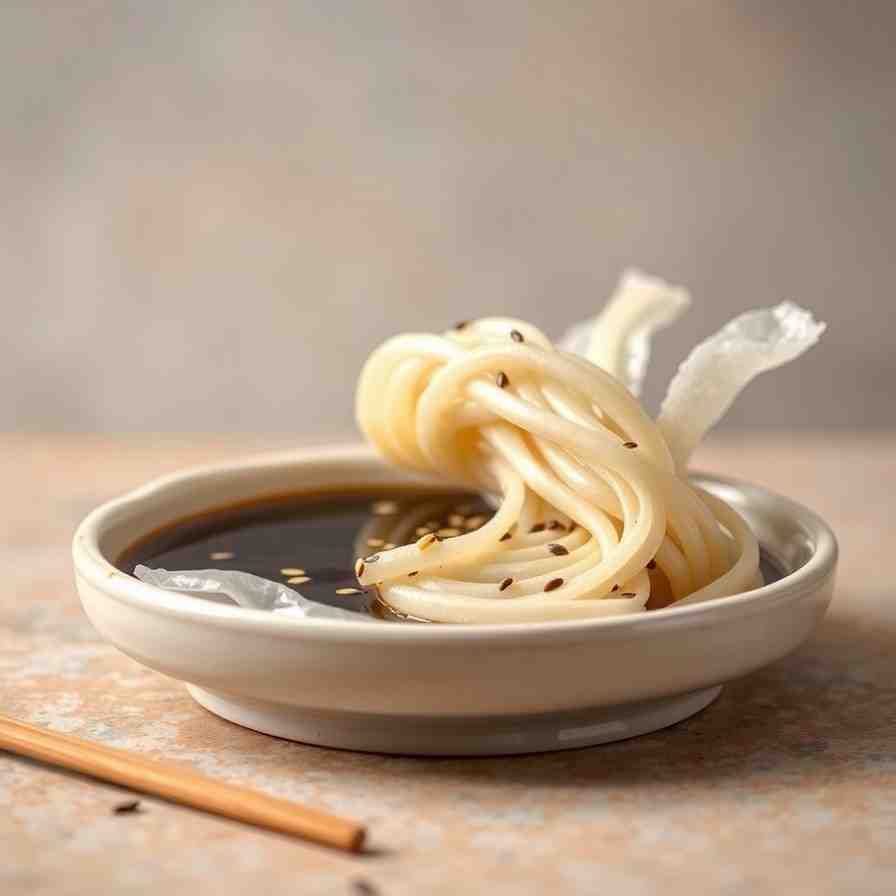
- Serves: 4 People
- Prepare Time: 30 minutes
- Cooking Time: 20 minutes
- Calories: -
- Difficulty: Medium
Craving a taste of Hong Kong dim sum right in your own kitchen? Get ready to create the most incredible Authentic Hong Kong Cheung Fun (also known as Chinese rice noodles or rice noodle rolls). These delicate, silky-smooth steamed rice noodle sheets, often filled with savory ingredients like shrimp, are a staple at any dim sum restaurant. But guess what? You don't need fancy equipment or a professional steamer to make them perfectly at home!
This definitive recipe will guide US home cooks through every step, ensuring you achieve those signature thin, translucent sheets and the classic, savory Hong Kong-style sauce that makes cheung fun so irresistible. We'll use a simple wok or large pot and a small tray – a setup that actually works! Prepare to impress your family and friends with this delicious, authentic Hong Kong Chinese food that's surprisingly achievable.
Ingredients
Directions
- Equipment You'll Need (Home Setup That Actually Works):
- Wide Pot or Wok with Lid: Large enough to hold your steaming tray.
- Steamer Rack/Trivet: To elevate your tray above the water.
- 8x8 inch or Quarter-Sheet Pan: This is your steaming tray. Make sure it fits comfortably inside your pot/wok with the lid on.
- Silicone Brush or Paper Towel: For thinly oiling the steaming tray.
- Bench Scraper or Thin Spatula: Essential for lifting and rolling the delicate noodle sheets cleanly.
- Measuring Cup or Ladle: For accurately pouring batter.
- Tray Size + Batter Thickness Rule:For an 8x8 inch tray, use about ¼ cup of batter. The key is a very thin layer that just coats the bottom. If your pan is bigger or smaller, adjust proportionally – you want the batter to spread thinly to the edges without puddling. Aim for a thickness of about 1-2mm when spread.
- Mix the Batter (Smooth & Lump-Free):In a large bowl, whisk together the rice flour, wheat starch, tapioca starch (or cornstarch), and salt until thoroughly combined. Gradually add the water, whisking continuously to prevent lumps. Once smooth, stir in the neutral oil. Let the batter rest for at least 15-20 minutes; this allows the starches to fully hydrate, resulting in a silkier noodle.
- Important: Always stir the batter thoroughly before every single pour to redistribute the starches, which tend to settle at the bottom.
- Prep the Steamer & Preheat the Tray:Fill your wide pot or wok with about 1-2 inches of water, ensuring it won't touch your steaming tray. Place the steamer rack/trivet inside. Bring the water to a strong simmer or rolling boil over high heat. Once boiling, carefully place your empty steaming tray onto the rack inside the pot and cover with the lid for 1-2 minutes to preheat it. This helps the noodle sheet set evenly.
- Oil the Tray (Thin is the Key):Carefully remove the preheated tray (it will be hot!) or leave it in the steamer if you can safely oil it. Using a silicone brush or a paper towel lightly dipped in neutral oil, apply a very thin and even layer of oil to the entire surface of the tray. The goal is just enough to prevent sticking, not a puddle.
- Steam the First Sheet:Give your batter a final stir. Pour about ¼ cup of batter into the oiled, preheated tray. Immediately tilt and swirl the tray to coat the bottom evenly with a thin layer of batter. Cover the pot and steam for 1-2 minutes. You'll know it's ready when the noodle sheet turns translucent and you see slight bubbles forming, indicating it's set.
- Add Shrimp & Finish Steaming:Quickly uncover the pot and arrange a small amount of your chopped shrimp (and optional scallions) over the partially set noodle sheet. Cover again and steam for another 1-2 minutes, or until the shrimp turns completely opaque and pink.
- Roll Cleanly (No Tearing):Carefully remove the hot tray from the steamer. Let it cool briefly for about 30-60 seconds. This brief cooling period is crucial; it allows the noodle sheet to firm up slightly, making it much easier to roll without tearing. Using your bench scraper or thin spatula, gently loosen one edge of the noodle sheet. Then, carefully and tightly roll the sheet away from you into a cylinder. The scraper helps lift and guide it. Transfer the rolled rice noodle sheets to a cutting board.
- Repeat Efficiently:If you have two identical steaming trays, you can alternate them to speed up the process: one steams while you prepare and roll the other. Remember to re-oil the tray very thinly before each new sheet and always stir the batter before each pour.
- Make the Sauce (Dim Sum House Style):While your noodles are steaming, combine the light soy sauce, dark soy sauce, sugar, water (or stock), and optional oyster sauce in a small saucepan. Heat gently over low heat, stirring until the sugar completely dissolves. Remove from heat and stir in the sesame oil. Taste and adjust – you might want it a touch sweeter, saltier, or darker depending on your preference. This sauce is designed to be warm; it clings better to the noodles and enhances the flavor. This sauce is the hero!
- How to Serve Cheung Fun (Hong Kong Style):Once all your thin rice noodles are rolled, cut them into bite-sized pieces (usually 2-3 inches long) using your bench scraper or a sharp knife. Arrange them on a serving plate. Spoon generous amounts of the warm, savory Hong Kong-style sauce over the top. For an extra touch, drizzle with scallion oil or a bit of hot neutral oil and sprinkle with toasted sesame seeds. Serve immediately while warm!
Hong Kong Cheung Fun - Make Silky Chinese Rice Noodles
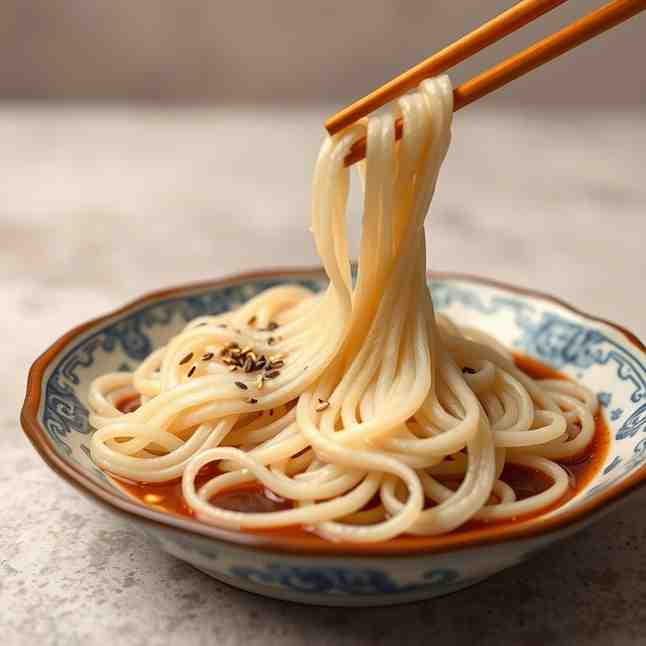
- Serves: 4 People
- Prepare Time: 30 minutes
- Cooking Time: 20 minutes
- Calories: -
- Difficulty: Medium
Craving a taste of Hong Kong dim sum right in your own kitchen? Get ready to create the most incredible Authentic Hong Kong Cheung Fun (also known as Chinese rice noodles or rice noodle rolls). These delicate, silky-smooth steamed rice noodle sheets, often filled with savory ingredients like shrimp, are a staple at any dim sum restaurant. But guess what? You don't need fancy equipment or a professional steamer to make them perfectly at home!
This definitive recipe will guide US home cooks through every step, ensuring you achieve those signature thin, translucent sheets and the classic, savory Hong Kong-style sauce that makes cheung fun so irresistible. We'll use a simple wok or large pot and a small tray – a setup that actually works! Prepare to impress your family and friends with this delicious, authentic Hong Kong Chinese food that's surprisingly achievable.
Ingredients
Directions
- Equipment You'll Need (Home Setup That Actually Works):
- Wide Pot or Wok with Lid: Large enough to hold your steaming tray.
- Steamer Rack/Trivet: To elevate your tray above the water.
- 8x8 inch or Quarter-Sheet Pan: This is your steaming tray. Make sure it fits comfortably inside your pot/wok with the lid on.
- Silicone Brush or Paper Towel: For thinly oiling the steaming tray.
- Bench Scraper or Thin Spatula: Essential for lifting and rolling the delicate noodle sheets cleanly.
- Measuring Cup or Ladle: For accurately pouring batter.
- Tray Size + Batter Thickness Rule:For an 8x8 inch tray, use about ¼ cup of batter. The key is a very thin layer that just coats the bottom. If your pan is bigger or smaller, adjust proportionally – you want the batter to spread thinly to the edges without puddling. Aim for a thickness of about 1-2mm when spread.
- Mix the Batter (Smooth & Lump-Free):In a large bowl, whisk together the rice flour, wheat starch, tapioca starch (or cornstarch), and salt until thoroughly combined. Gradually add the water, whisking continuously to prevent lumps. Once smooth, stir in the neutral oil. Let the batter rest for at least 15-20 minutes; this allows the starches to fully hydrate, resulting in a silkier noodle.
- Important: Always stir the batter thoroughly before every single pour to redistribute the starches, which tend to settle at the bottom.
- Prep the Steamer & Preheat the Tray:Fill your wide pot or wok with about 1-2 inches of water, ensuring it won't touch your steaming tray. Place the steamer rack/trivet inside. Bring the water to a strong simmer or rolling boil over high heat. Once boiling, carefully place your empty steaming tray onto the rack inside the pot and cover with the lid for 1-2 minutes to preheat it. This helps the noodle sheet set evenly.
- Oil the Tray (Thin is the Key):Carefully remove the preheated tray (it will be hot!) or leave it in the steamer if you can safely oil it. Using a silicone brush or a paper towel lightly dipped in neutral oil, apply a very thin and even layer of oil to the entire surface of the tray. The goal is just enough to prevent sticking, not a puddle.
- Steam the First Sheet:Give your batter a final stir. Pour about ¼ cup of batter into the oiled, preheated tray. Immediately tilt and swirl the tray to coat the bottom evenly with a thin layer of batter. Cover the pot and steam for 1-2 minutes. You'll know it's ready when the noodle sheet turns translucent and you see slight bubbles forming, indicating it's set.
- Add Shrimp & Finish Steaming:Quickly uncover the pot and arrange a small amount of your chopped shrimp (and optional scallions) over the partially set noodle sheet. Cover again and steam for another 1-2 minutes, or until the shrimp turns completely opaque and pink.
- Roll Cleanly (No Tearing):Carefully remove the hot tray from the steamer. Let it cool briefly for about 30-60 seconds. This brief cooling period is crucial; it allows the noodle sheet to firm up slightly, making it much easier to roll without tearing. Using your bench scraper or thin spatula, gently loosen one edge of the noodle sheet. Then, carefully and tightly roll the sheet away from you into a cylinder. The scraper helps lift and guide it. Transfer the rolled rice noodle sheets to a cutting board.
- Repeat Efficiently:If you have two identical steaming trays, you can alternate them to speed up the process: one steams while you prepare and roll the other. Remember to re-oil the tray very thinly before each new sheet and always stir the batter before each pour.
- Make the Sauce (Dim Sum House Style):While your noodles are steaming, combine the light soy sauce, dark soy sauce, sugar, water (or stock), and optional oyster sauce in a small saucepan. Heat gently over low heat, stirring until the sugar completely dissolves. Remove from heat and stir in the sesame oil. Taste and adjust – you might want it a touch sweeter, saltier, or darker depending on your preference. This sauce is designed to be warm; it clings better to the noodles and enhances the flavor. This sauce is the hero!
- How to Serve Cheung Fun (Hong Kong Style):Once all your thin rice noodles are rolled, cut them into bite-sized pieces (usually 2-3 inches long) using your bench scraper or a sharp knife. Arrange them on a serving plate. Spoon generous amounts of the warm, savory Hong Kong-style sauce over the top. For an extra touch, drizzle with scallion oil or a bit of hot neutral oil and sprinkle with toasted sesame seeds. Serve immediately while warm!
You may also like



Hey there! I’m just someone who seriously loves good food and believes that cooking doesn’t have to be complicated to be amazing. Whether it’s a quick weeknight dinner or a cozy weekend meal, I’m all about sharing easy, tasty recipes that actually work.