
Iranian Abgoosht Stew (Dizi) Today
Iranian Abgoosht Stew (Dizi) Today
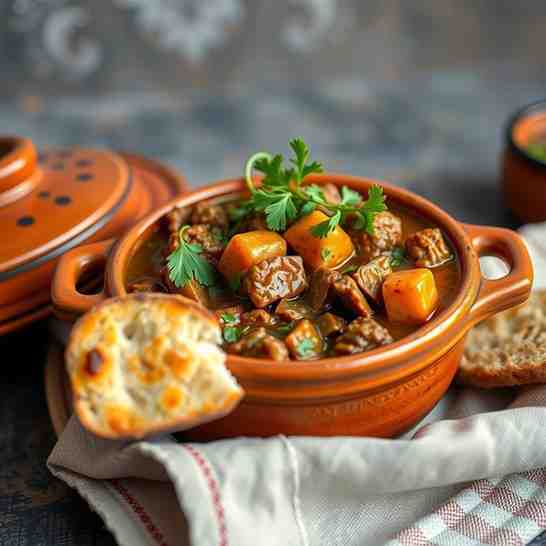
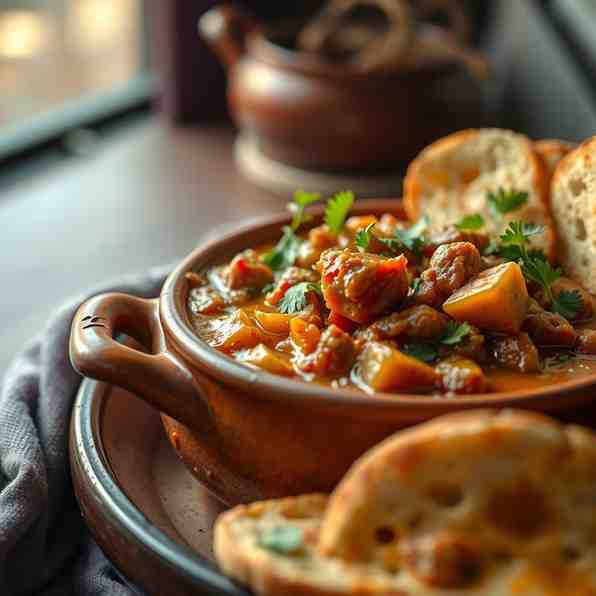
- Serves: 6 People
- Prepare Time: 30 minutes
- Cooking Time: 4-6 hours
- Calories: -
- Difficulty: Medium
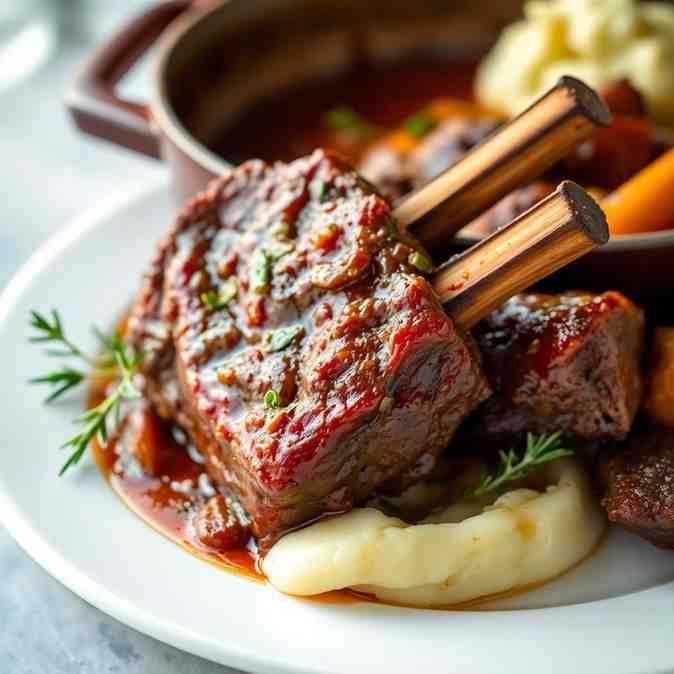
Get ready to embark on a culinary journey to the heart of Persia with Abgoosht (Dizi), a truly iconic Iranian lamb and chickpea stew that's so much more than just a meal—it's an experience! This traditional Persian food recipe is celebrated for its deep, comforting flavors and unique two-part serving style. Imagine a rich, savory broth enjoyed with torn bread (tilit), followed by a hearty, mashed blend of tender lamb and legumes (goosht koobideh). Our recipe brings you the authentic taste of this beloved Iranian dish, using ingredients readily available in the US, making it perfect for first-timers eager to explore Iranian cuisine recipes. Prepare to discover why Abgoosht is a cherished staple in Persian food recipes and a heartwarming dish for any table.
Ingredients
Directions
- Equipment You'll Need:
- Heavy pot or Dutch oven with a lid
- Skimmer or large spoon
- Slotted spoon and a separate bowl
- Potato masher (or a traditional Persian goosht koob if you have one)
- Soak & Prep (Night Before / Morning Of):
- Place the dried chickpeas and white beans in separate bowls, cover with plenty of water, and let them soak overnight (or for at least 8 hours). This helps them cook faster and improves digestibility.
- Take your dried Persian limes (limoo amani) and pierce each one several times with a fork or knife. This allows the flavors to release without making the stew bitter. You can also soak them in warm water for 15-20 minutes before adding to further mellow their intensity.
- Build the Broth:
- In your heavy pot or Dutch oven, combine the bone-in lamb, halved onion, optional garlic, turmeric, black pepper, and optional cinnamon stick.
- Pour in about 8-10 cups of cold water, or enough to ensure all the ingredients are covered by at least 2-3 inches. This generous amount of water is key for developing a rich, flavorful broth that will be served separately.
- Bring the pot to a gentle simmer over medium-high heat. As it heats, foam and impurities will rise to the surface. Use your skimmer or large spoon to carefully remove and discard this foam. Skimming is important for a clear, clean-tasting broth.
- Slow Simmer Until Tender:
- Once skimmed, reduce the heat to low, cover the pot, and let it simmer slowly.
- After about 60-90 minutes, check the beans (if using dried and soaked). They should be starting to soften but still have a bite.
- Continue simmering for a total of 4-6 hours, or until the lamb is incredibly tender and practically falling off the bone, and the beans are fully soft and creamy. "Tender enough" means the meat can be easily shredded with a fork.
- Add Tomatoes, Tomato Paste, Potatoes, and Dried Limes:
- Once the lamb and beans are tender, add the chopped fresh or canned tomatoes, tomato paste, quartered potatoes, and the pierced dried Persian limes to the pot.
- The potatoes go in later because they cook faster than the lamb and beans and you don't want them to turn to mush.
- Continue to simmer, covered, for another 45-60 minutes, or until the potatoes are fork-tender.
- Towards the end of this cooking time, you can remove the dried limes to prevent them from becoming too bitter if left in for too long, though some prefer to leave them in.
- Final Seasoning & Broth Check:
- Now is the time to adjust the seasoning. Add salt to taste. Remember, you held off on salt earlier because it can toughen legumes if added too soon.
- Check the broth's thickness and richness. You're aiming for a slightly thickened, deeply flavored broth with a beautiful reddish hue. If it seems too thin, you can simmer it uncovered for a bit longer to reduce.
- How to Serve Abgoosht (The Traditional Two-Part Way):
- Part 1: The Broth + Bread (Tilit/Tileet)
- Using a slotted spoon, carefully remove the solids (meat, beans, potatoes, onion, tomatoes, limes) from the pot and transfer them to a separate bowl.
- Ladle the rich, flavorful broth into individual serving bowls.
- Traditionally, toasted flatbread (like sangak or lavash) is torn into small pieces and added directly to the broth. Let it soak for a minute or two, absorbing all the delicious liquid. This is called "tilit" or "tileet." Enjoy this warm, savory bread-soaked broth as the first course.
- Part 2: The Mash (Goosht Koobideh)
- Once the broth has been served, remove any bones from the lamb in the bowl of solids.
- Using a potato masher (or a traditional Persian goosht koob), mash the remaining solids (lamb, chickpeas, white beans, potatoes, cooked onion, tomatoes) until they form a coarse, "lumpy mashed potato" like texture. This is known as "goosht koobideh."
- Plate the goosht koobideh on a separate platter or individual plates. People typically eat this with more bread, or a spoon, often alongside fresh herbs and pickles.
- What to Serve Alongside (Simple, Practical):
- Sabzi Khordan: A plate of fresh herbs like mint, basil, cilantro, and parsley, often with radishes and scallions.
- Torshi: Persian pickled vegetables (store-bought is perfectly fine!).
- Raw Onion: Sliced raw onion, often eaten with the goosht koobideh.
Iranian Abgoosht Stew (Dizi) Today
-Today.jpg)
- Serves: 6 People
- Prepare Time: 30 minutes
- Cooking Time: 4-6 hours
- Calories: -
- Difficulty: Medium
Get ready to embark on a culinary journey to the heart of Persia with Abgoosht (Dizi), a truly iconic Iranian lamb and chickpea stew that's so much more than just a meal—it's an experience! This traditional Persian food recipe is celebrated for its deep, comforting flavors and unique two-part serving style. Imagine a rich, savory broth enjoyed with torn bread (tilit), followed by a hearty, mashed blend of tender lamb and legumes (goosht koobideh). Our recipe brings you the authentic taste of this beloved Iranian dish, using ingredients readily available in the US, making it perfect for first-timers eager to explore Iranian cuisine recipes. Prepare to discover why Abgoosht is a cherished staple in Persian food recipes and a heartwarming dish for any table.
Ingredients
Directions
- Equipment You'll Need:
- Heavy pot or Dutch oven with a lid
- Skimmer or large spoon
- Slotted spoon and a separate bowl
- Potato masher (or a traditional Persian goosht koob if you have one)
- Soak & Prep (Night Before / Morning Of):
- Place the dried chickpeas and white beans in separate bowls, cover with plenty of water, and let them soak overnight (or for at least 8 hours). This helps them cook faster and improves digestibility.
- Take your dried Persian limes (limoo amani) and pierce each one several times with a fork or knife. This allows the flavors to release without making the stew bitter. You can also soak them in warm water for 15-20 minutes before adding to further mellow their intensity.
- Build the Broth:
- In your heavy pot or Dutch oven, combine the bone-in lamb, halved onion, optional garlic, turmeric, black pepper, and optional cinnamon stick.
- Pour in about 8-10 cups of cold water, or enough to ensure all the ingredients are covered by at least 2-3 inches. This generous amount of water is key for developing a rich, flavorful broth that will be served separately.
- Bring the pot to a gentle simmer over medium-high heat. As it heats, foam and impurities will rise to the surface. Use your skimmer or large spoon to carefully remove and discard this foam. Skimming is important for a clear, clean-tasting broth.
- Slow Simmer Until Tender:
- Once skimmed, reduce the heat to low, cover the pot, and let it simmer slowly.
- After about 60-90 minutes, check the beans (if using dried and soaked). They should be starting to soften but still have a bite.
- Continue simmering for a total of 4-6 hours, or until the lamb is incredibly tender and practically falling off the bone, and the beans are fully soft and creamy. "Tender enough" means the meat can be easily shredded with a fork.
- Add Tomatoes, Tomato Paste, Potatoes, and Dried Limes:
- Once the lamb and beans are tender, add the chopped fresh or canned tomatoes, tomato paste, quartered potatoes, and the pierced dried Persian limes to the pot.
- The potatoes go in later because they cook faster than the lamb and beans and you don't want them to turn to mush.
- Continue to simmer, covered, for another 45-60 minutes, or until the potatoes are fork-tender.
- Towards the end of this cooking time, you can remove the dried limes to prevent them from becoming too bitter if left in for too long, though some prefer to leave them in.
- Final Seasoning & Broth Check:
- Now is the time to adjust the seasoning. Add salt to taste. Remember, you held off on salt earlier because it can toughen legumes if added too soon.
- Check the broth's thickness and richness. You're aiming for a slightly thickened, deeply flavored broth with a beautiful reddish hue. If it seems too thin, you can simmer it uncovered for a bit longer to reduce.
- How to Serve Abgoosht (The Traditional Two-Part Way):
- Part 1: The Broth + Bread (Tilit/Tileet)
- Using a slotted spoon, carefully remove the solids (meat, beans, potatoes, onion, tomatoes, limes) from the pot and transfer them to a separate bowl.
- Ladle the rich, flavorful broth into individual serving bowls.
- Traditionally, toasted flatbread (like sangak or lavash) is torn into small pieces and added directly to the broth. Let it soak for a minute or two, absorbing all the delicious liquid. This is called "tilit" or "tileet." Enjoy this warm, savory bread-soaked broth as the first course.
- Part 2: The Mash (Goosht Koobideh)
- Once the broth has been served, remove any bones from the lamb in the bowl of solids.
- Using a potato masher (or a traditional Persian goosht koob), mash the remaining solids (lamb, chickpeas, white beans, potatoes, cooked onion, tomatoes) until they form a coarse, "lumpy mashed potato" like texture. This is known as "goosht koobideh."
- Plate the goosht koobideh on a separate platter or individual plates. People typically eat this with more bread, or a spoon, often alongside fresh herbs and pickles.
- What to Serve Alongside (Simple, Practical):
- Sabzi Khordan: A plate of fresh herbs like mint, basil, cilantro, and parsley, often with radishes and scallions.
- Torshi: Persian pickled vegetables (store-bought is perfectly fine!).
- Raw Onion: Sliced raw onion, often eaten with the goosht koobideh.
You may also like

Hey there! I’m just someone who seriously loves good food and believes that cooking doesn’t have to be complicated to be amazing. Whether it’s a quick weeknight dinner or a cozy weekend meal, I’m all about sharing easy, tasty recipes that actually work.