
Ivorian Attieke - African Food Recipe
Ivorian Attieke - African Food Recipe

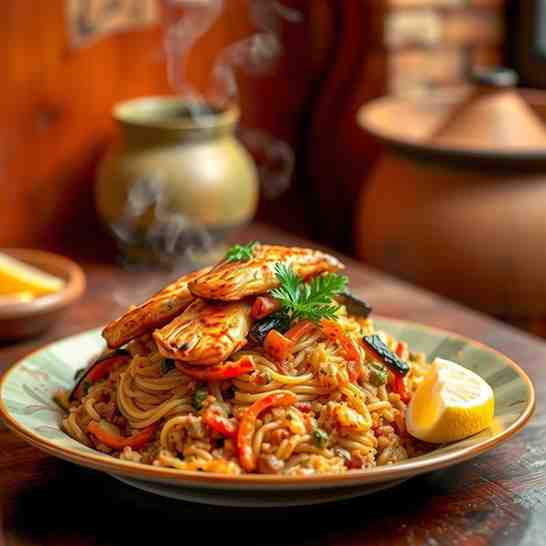
- Serves: 4 People
- Prepare Time: 15 minutes
- Cooking Time: 25 minutes
- Calories: -
- Difficulty: Easy
Ready to explore a true gem of African cuisine recipes? Get set to discover Attiéké (pronounced "atch-eh-kay"), a beloved staple from the Ivory Coast. Imagine a light, fluffy, and slightly tangy cassava couscous that’s as versatile as it is delicious. It’s a foundational element in many Ivorian meals, from bustling street food stalls to intimate family gatherings, often enjoyed with grilled fish and a vibrant, spicy sauce. While traditional Attiéké involves a lengthy fermentation process, we’ve crafted this recipe to bring you that authentic flavor using readily available frozen or dried packaged Attiéké, making it perfectly suited for your US home kitchen.
This guide will walk you through creating perfectly steamed Attiéké and a quick, zesty pepper sauce that comes together in minutes. We'll also show you how to serve it up, classic Ivorian style, with suggestions like succulent grilled fish, sweet plantains, and a refreshing chopped salad, making it one of the most delightful african food recipes you'll add to your repertoire. Let's get cooking!
Attiéké is a unique West African staple, specifically from Ivory Coast, made from fermented cassava granules. Think of it as a cousin to traditional couscous, but with a distinct character. Unlike grain-based couscous, Attiéké offers a wonderfully light, fluffy texture with a subtle tanginess that comes from its fermentation process. This unique flavor profile makes it an incredibly refreshing and satisfying accompaniment to rich stews, grilled meats, and especially fresh fish. In Ivory Coast, it's enjoyed everywhere – from quick street-side lunches to elaborate family feasts, often alongside "poisson braisé" (grilled fish).
For those of us outside West Africa, finding fresh, traditionally prepared Attiéké can be a challenge. But don't worry! You'll typically find high-quality frozen or dried packaged Attiéké in African or international grocery stores, which we'll be using today to achieve that authentic taste right in your kitchen.
Ingredients
Directions
- Step 1: Hydrate the Attiéké
- Measure your Attiéké into a large bowl.
- Measure out your water or stock. For dried Attiéké, sprinkle the measured liquid over the grains and let it soak for about 5-7 minutes. The grains should absorb the liquid and become slightly plump. If there’s any excess liquid, drain it gently.
- For frozen Attiéké, sprinkle the measured liquid over the slightly thawed grains and toss gently with your hands or a fork until evenly moistened. You're looking for the grains to be damp but not soggy – they should still look individual, not clumpy.
- Step 2: Steam Gently
- Steamer method: Transfer the moistened Attiéké to a steamer basket. Place the basket over a pot of simmering water, ensuring the water doesn't touch the Attiéké. Cover tightly and steam for 15-20 minutes.
- Microwave method: Place the moistened Attiéké in a microwave-safe bowl, cover it with a plate or microwave-safe lid (leaving a small vent), and microwave on high for 5-7 minutes.
- Mid-point check: If using a steamer, give it a quick fluff with a fork after about 10 minutes. For both methods, the Attiéké is done when it's hot, fragrant, and the grains are plump and separate. Taste a sample spoonful – it should be tender but still have a slight bite.
- Step 3: Fluff and Season
- Once cooked, transfer the Attiéké to a large serving bowl.
- Using a fork, gently fluff the grains to separate them completely. Avoid pressing down, as this can make it heavy.
- Drizzle in the neutral oil (and optional butter), sprinkle with salt or the crushed seasoning cube, and add the optional vinegar or lime juice.
- Toss gently to combine everything. Taste and adjust the seasoning as needed – you might want a touch more salt or a little extra lime for tang.
- To keep it warm and fluffy until serving, you can cover the bowl loosely with foil or a damp paper towel.
- Quick Attiéké Pepper Sauce (10 Minutes, Same Meal)This vibrant pepper sauce is the perfect complement to your fluffy Attiéké and grilled fish.
- Step 1: Prep the Veg
- Chop the onion, tomatoes, and hot peppers. For a milder sauce, carefully remove the seeds and white membranes from the hot peppers.Pro Tip: Always wear gloves or thoroughly wash your hands with soap and water immediately after handling hot peppers to avoid irritation.
- Mince the garlic.
- Step 2: Cook the Sauce
- Heat 1 tablespoon of neutral oil in a small pan or skillet over medium heat.
- Add the chopped onion and hot pepper. Sauté for 3-5 minutes until the onion is softened and fragrant.
- Stir in the minced garlic and cook for another minute until aromatic.
- Add the diced tomatoes and salt. If the mixture seems too dry, add a splash of water or stock (about 1-2 tablespoons).
- Bring to a gentle simmer and cook for 5-7 minutes, stirring occasionally, until the tomatoes break down and the sauce thickens slightly.
- Remove from heat and stir in the fresh lime or lemon juice. Taste and adjust the salt and heat level as desired. You can add more lime for tang or a tiny pinch of chili flakes for extra kick.
- Step 3: Texture Options
- This pepper sauce is often served chunky, allowing the fresh flavors of the vegetables to shine. This is how many Ivorians enjoy it alongside their Attiéké and fish.
- If you prefer a smoother sauce, you can briefly blend a portion of it with an immersion blender or in a small food processor.
- Serving Tip: Keep some of the sauce thicker to spoon directly over your grilled fish, and thin out a small amount with a splash of water or stock to soak into the Attiéké grains.
- How to Serve Attiéké (Classic Ivorian Style & Easy Variations)Attiéké is incredibly versatile, but there’s nothing quite like the classic Ivorian presentation.
- Classic Plate: Attiéké with Grilled FishHere’s the simple blueprint for a traditional Ivorian plate:
- Mound a generous portion of your fluffy Attiéké on one side of the plate.
- Place a beautifully grilled or pan-seared fish (like a whole tilapia fish) alongside it. Use any basic grilled fish you like; see our [Grilled Tilapia] recipe for inspiration (internal link).
- Add a big spoonful of your quick pepper sauce over the fish or next to the Attiéké.
- Complete the plate with a fresh, simple chopped salad – a mix of raw sliced onion, tomato, and cucumber is perfect. The freshness cuts through the richness of the fish and the spice of the sauce.
- Other Easy AccompanimentsAttiéké is a fantastic base for many other african dishes recipes. Here are some bullet-pointed combos for US cooks:
- Attiéké + Roasted Chicken + Pepper Sauce: A hearty and flavorful meal.
- Attiéké + Spicy Stewed Beans: A vegetarian-friendly option that's rich in protein.
- Attiéké + Fried Plantains + Simple Salad: A sweet and savory combination that's incredibly satisfying.
- Variations & Substitutions (Brief Only)Want to tweak your Attiéké or pepper sauce? Here are a few simple ideas:
Ivorian Attieke - African Food Recipe
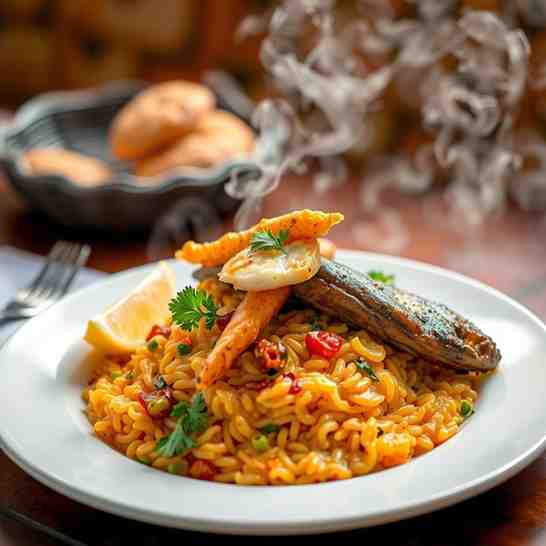
- Serves: 4 People
- Prepare Time: 15 minutes
- Cooking Time: 25 minutes
- Calories: -
- Difficulty: Easy
Ready to explore a true gem of African cuisine recipes? Get set to discover Attiéké (pronounced "atch-eh-kay"), a beloved staple from the Ivory Coast. Imagine a light, fluffy, and slightly tangy cassava couscous that’s as versatile as it is delicious. It’s a foundational element in many Ivorian meals, from bustling street food stalls to intimate family gatherings, often enjoyed with grilled fish and a vibrant, spicy sauce. While traditional Attiéké involves a lengthy fermentation process, we’ve crafted this recipe to bring you that authentic flavor using readily available frozen or dried packaged Attiéké, making it perfectly suited for your US home kitchen.
This guide will walk you through creating perfectly steamed Attiéké and a quick, zesty pepper sauce that comes together in minutes. We'll also show you how to serve it up, classic Ivorian style, with suggestions like succulent grilled fish, sweet plantains, and a refreshing chopped salad, making it one of the most delightful african food recipes you'll add to your repertoire. Let's get cooking!
Attiéké is a unique West African staple, specifically from Ivory Coast, made from fermented cassava granules. Think of it as a cousin to traditional couscous, but with a distinct character. Unlike grain-based couscous, Attiéké offers a wonderfully light, fluffy texture with a subtle tanginess that comes from its fermentation process. This unique flavor profile makes it an incredibly refreshing and satisfying accompaniment to rich stews, grilled meats, and especially fresh fish. In Ivory Coast, it's enjoyed everywhere – from quick street-side lunches to elaborate family feasts, often alongside "poisson braisé" (grilled fish).
For those of us outside West Africa, finding fresh, traditionally prepared Attiéké can be a challenge. But don't worry! You'll typically find high-quality frozen or dried packaged Attiéké in African or international grocery stores, which we'll be using today to achieve that authentic taste right in your kitchen.
Ingredients
Directions
- Step 1: Hydrate the Attiéké
- Measure your Attiéké into a large bowl.
- Measure out your water or stock. For dried Attiéké, sprinkle the measured liquid over the grains and let it soak for about 5-7 minutes. The grains should absorb the liquid and become slightly plump. If there’s any excess liquid, drain it gently.
- For frozen Attiéké, sprinkle the measured liquid over the slightly thawed grains and toss gently with your hands or a fork until evenly moistened. You're looking for the grains to be damp but not soggy – they should still look individual, not clumpy.
- Step 2: Steam Gently
- Steamer method: Transfer the moistened Attiéké to a steamer basket. Place the basket over a pot of simmering water, ensuring the water doesn't touch the Attiéké. Cover tightly and steam for 15-20 minutes.
- Microwave method: Place the moistened Attiéké in a microwave-safe bowl, cover it with a plate or microwave-safe lid (leaving a small vent), and microwave on high for 5-7 minutes.
- Mid-point check: If using a steamer, give it a quick fluff with a fork after about 10 minutes. For both methods, the Attiéké is done when it's hot, fragrant, and the grains are plump and separate. Taste a sample spoonful – it should be tender but still have a slight bite.
- Step 3: Fluff and Season
- Once cooked, transfer the Attiéké to a large serving bowl.
- Using a fork, gently fluff the grains to separate them completely. Avoid pressing down, as this can make it heavy.
- Drizzle in the neutral oil (and optional butter), sprinkle with salt or the crushed seasoning cube, and add the optional vinegar or lime juice.
- Toss gently to combine everything. Taste and adjust the seasoning as needed – you might want a touch more salt or a little extra lime for tang.
- To keep it warm and fluffy until serving, you can cover the bowl loosely with foil or a damp paper towel.
- Quick Attiéké Pepper Sauce (10 Minutes, Same Meal)This vibrant pepper sauce is the perfect complement to your fluffy Attiéké and grilled fish.
- Step 1: Prep the Veg
- Chop the onion, tomatoes, and hot peppers. For a milder sauce, carefully remove the seeds and white membranes from the hot peppers.Pro Tip: Always wear gloves or thoroughly wash your hands with soap and water immediately after handling hot peppers to avoid irritation.
- Mince the garlic.
- Step 2: Cook the Sauce
- Heat 1 tablespoon of neutral oil in a small pan or skillet over medium heat.
- Add the chopped onion and hot pepper. Sauté for 3-5 minutes until the onion is softened and fragrant.
- Stir in the minced garlic and cook for another minute until aromatic.
- Add the diced tomatoes and salt. If the mixture seems too dry, add a splash of water or stock (about 1-2 tablespoons).
- Bring to a gentle simmer and cook for 5-7 minutes, stirring occasionally, until the tomatoes break down and the sauce thickens slightly.
- Remove from heat and stir in the fresh lime or lemon juice. Taste and adjust the salt and heat level as desired. You can add more lime for tang or a tiny pinch of chili flakes for extra kick.
- Step 3: Texture Options
- This pepper sauce is often served chunky, allowing the fresh flavors of the vegetables to shine. This is how many Ivorians enjoy it alongside their Attiéké and fish.
- If you prefer a smoother sauce, you can briefly blend a portion of it with an immersion blender or in a small food processor.
- Serving Tip: Keep some of the sauce thicker to spoon directly over your grilled fish, and thin out a small amount with a splash of water or stock to soak into the Attiéké grains.
- How to Serve Attiéké (Classic Ivorian Style & Easy Variations)Attiéké is incredibly versatile, but there’s nothing quite like the classic Ivorian presentation.
- Classic Plate: Attiéké with Grilled FishHere’s the simple blueprint for a traditional Ivorian plate:
- Mound a generous portion of your fluffy Attiéké on one side of the plate.
- Place a beautifully grilled or pan-seared fish (like a whole tilapia fish) alongside it. Use any basic grilled fish you like; see our [Grilled Tilapia] recipe for inspiration (internal link).
- Add a big spoonful of your quick pepper sauce over the fish or next to the Attiéké.
- Complete the plate with a fresh, simple chopped salad – a mix of raw sliced onion, tomato, and cucumber is perfect. The freshness cuts through the richness of the fish and the spice of the sauce.
- Other Easy AccompanimentsAttiéké is a fantastic base for many other african dishes recipes. Here are some bullet-pointed combos for US cooks:
- Attiéké + Roasted Chicken + Pepper Sauce: A hearty and flavorful meal.
- Attiéké + Spicy Stewed Beans: A vegetarian-friendly option that's rich in protein.
- Attiéké + Fried Plantains + Simple Salad: A sweet and savory combination that's incredibly satisfying.
- Variations & Substitutions (Brief Only)Want to tweak your Attiéké or pepper sauce? Here are a few simple ideas:
You may also like


Hey there! I’m just someone who seriously loves good food and believes that cooking doesn’t have to be complicated to be amazing. Whether it’s a quick weeknight dinner or a cozy weekend meal, I’m all about sharing easy, tasty recipes that actually work.