
Japanese Ramen Bowl - Easy Weeknight Meal Prep
Japanese Ramen Bowl - Easy Weeknight Meal Prep
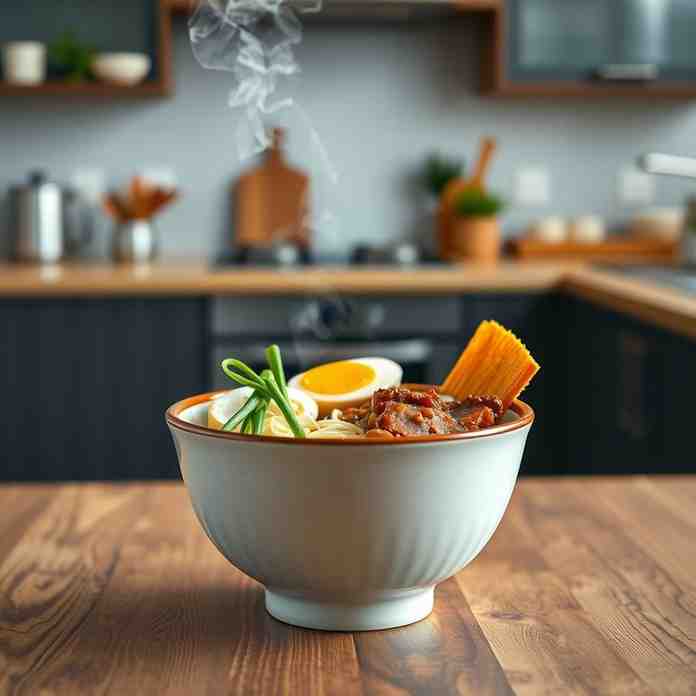
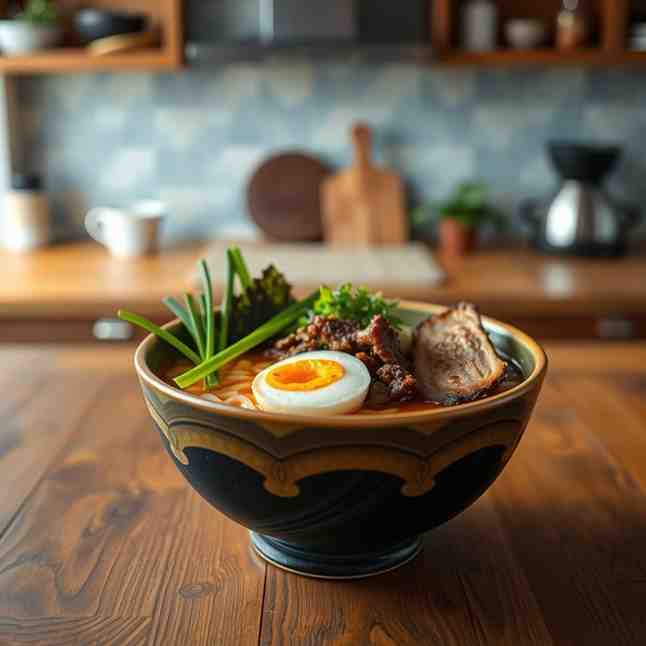
- Serves: 4 People
- Prepare Time: 30 minutes
- Cooking Time: 2 hours 15
- Calories: -
- Difficulty: Medium
Ever dreamt of diving into a truly authentic Japanese ramen bowl without the hassle of a plane ticket or a lengthy restaurant wait? You're in the right place! We're talking about a rich, savory, and deeply satisfying bowl that hits all the notes of high end ramen, but is totally achievable right in your own kitchen. This isn't just another noodle soup; it's a carefully crafted experience, built from scratch but designed with modern life in mind, making ramen meal prep not just possible, but easy. Get ready to master the art of homemade shoyu ramen, featuring a flavorful broth, a potent tare, and a fragrant aroma oil – all structured so you can enjoy a delicious, healthy meal any night of the week in minutes.
Before we dive into the recipe, let's quickly break down the magic of real ramen. It’s a formula, really, and once you get it, you’ll never look back:
Broth = body: This is the soul, providing the base richness and umami.
Tare = salt + depth: A concentrated seasoning added to the bowl before the broth, giving ramen its signature savory punch.
Aroma oil = smell + richness: A fragrant oil that floats on top, adding a layer of luxurious flavor and an irresistible scent.
Noodles + toppings = texture + balance: Your canvas for chewiness, crunch, and fresh flavors.
You might see other recipes for "Japanese noodle soup" that feature thick, chewy udon noodles. While both are fantastic, ramen and udon are distinct! Ramen noodles are typically thinner, made with kansui (alkaline water) for their unique chew and yellow hue, and served in broths like shoyu (soy sauce-based), shio (salt-based), or tonkotsu (pork bone). Udon noodles are much thicker, chewier, made from wheat flour and salt, and usually served in lighter, dashi-based broths. This recipe is all about authentic Japanese ramen bowl deliciousness!
Ingredients
Directions
- Make the Quick Homemade Ramen Broth:
- In a large pot or stockpot, combine the chicken parts, water, kombu, dried shiitake, quartered onion, sliced ginger, and smashed garlic.
- If starting with cold water, let the kombu and shiitake soak for 15-20 minutes before heating. Alternatively, you can add them directly and start heating gently.
- Bring the mixture to a gentle simmer over medium-low heat. Do NOT boil vigorously, as this can make your broth cloudy.
- Once simmering, remove the kombu after about 10-15 minutes to prevent bitterness. Leave the shiitake in.
- Continue to simmer gently for at least 1.5 to 2 hours, or up to 3 hours for deeper flavor. Skim off any foam or impurities that rise to the surface occasionally.
- Carefully strain the broth through a fine mesh strainer into a clean bowl or container, discarding the solids (chicken, vegetables, shiitake).
- Taste Checkpoint: Your broth should be savory and rich, but not salty. The salt will come from the tare!
- Make the Shoyu Tare:
- In a small saucepan, combine the soy sauce, mirin, sake (or substitute), and sugar.
- Bring to a quick simmer over medium heat, stirring until the sugar dissolves completely. Let it simmer gently for 1-2 minutes to meld the flavors.
- Remove from heat and let cool slightly.
- Taste Checkpoint: This tare should taste very salty and strong on its own – it's a concentrate!
- Make the Garlic-Scallion Aroma Oil:
- In a small saucepan, combine the neutral oil, thinly sliced garlic, and sliced scallion greens.
- Heat over low to medium-low heat. You want the garlic and scallions to gently infuse the oil and turn golden, not burn. This should take about 5-8 minutes.
- Once fragrant and golden, remove from heat. You can strain out the bits for a clear oil, or leave them in for extra texture – your call!
- Cook Noodles the Right Way:
- Bring a separate pot of water to a rolling boil.
- Add your ramen noodles and cook according to package directions. Fresh noodles usually cook in 1-2 minutes, dried in 3-5 minutes.
- Timing + Doneness Cues: Cook until al dente (firm to the bite). Overcooked noodles become mushy.
- Drain the noodles very well. Do NOT rinse them unless the package specifically instructs you to, as rinsing removes starch that helps the broth cling.
- Assemble Bowls (Ramen-Shop Order):
- Tare in bowl first: For each serving, add 2-3 tablespoons of the shoyu tare to the bottom of your ramen bowl. Adjust to your salt preference.
- Add hot broth: Ladle about 1.5 to 2 cups of your hot homemade broth over the tare. Stir gently to combine.
- Add noodles: Carefully place a serving of hot, drained noodles into the bowl.
- Finish with aroma oil: Drizzle 1-2 teaspoons of your garlic-scallion aroma oil over the noodles and broth.
- Top and serve immediately: Arrange your chosen optional toppings (soft-boiled eggs, scallions, mushrooms, spinach, nori, sesame seeds, chili oil) artfully on top. Slurp and enjoy!
Japanese Ramen Bowl - Easy Weeknight Meal Prep
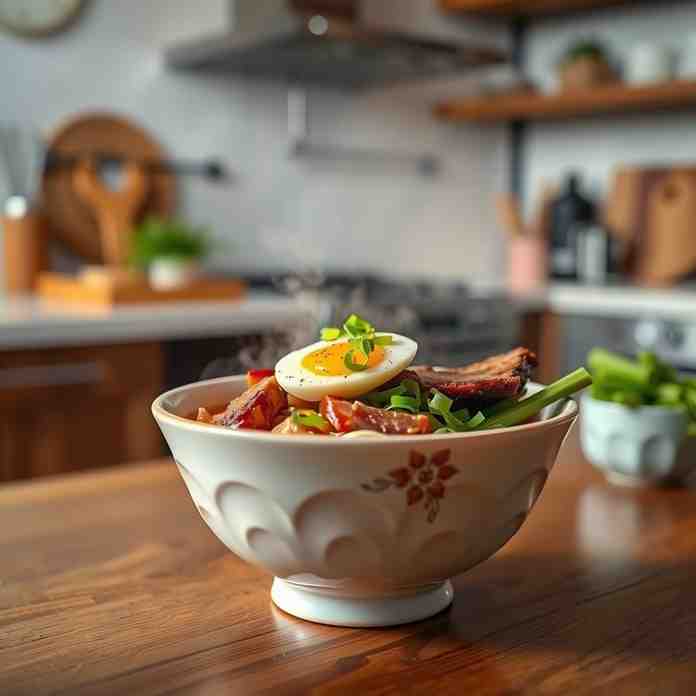
- Serves: 4 People
- Prepare Time: 30 minutes
- Cooking Time: 2 hours 15
- Calories: -
- Difficulty: Medium
Ever dreamt of diving into a truly authentic Japanese ramen bowl without the hassle of a plane ticket or a lengthy restaurant wait? You're in the right place! We're talking about a rich, savory, and deeply satisfying bowl that hits all the notes of high end ramen, but is totally achievable right in your own kitchen. This isn't just another noodle soup; it's a carefully crafted experience, built from scratch but designed with modern life in mind, making ramen meal prep not just possible, but easy. Get ready to master the art of homemade shoyu ramen, featuring a flavorful broth, a potent tare, and a fragrant aroma oil – all structured so you can enjoy a delicious, healthy meal any night of the week in minutes.
Before we dive into the recipe, let's quickly break down the magic of real ramen. It’s a formula, really, and once you get it, you’ll never look back:
Broth = body: This is the soul, providing the base richness and umami.
Tare = salt + depth: A concentrated seasoning added to the bowl before the broth, giving ramen its signature savory punch.
Aroma oil = smell + richness: A fragrant oil that floats on top, adding a layer of luxurious flavor and an irresistible scent.
Noodles + toppings = texture + balance: Your canvas for chewiness, crunch, and fresh flavors.
You might see other recipes for "Japanese noodle soup" that feature thick, chewy udon noodles. While both are fantastic, ramen and udon are distinct! Ramen noodles are typically thinner, made with kansui (alkaline water) for their unique chew and yellow hue, and served in broths like shoyu (soy sauce-based), shio (salt-based), or tonkotsu (pork bone). Udon noodles are much thicker, chewier, made from wheat flour and salt, and usually served in lighter, dashi-based broths. This recipe is all about authentic Japanese ramen bowl deliciousness!
Ingredients
Directions
- Make the Quick Homemade Ramen Broth:
- In a large pot or stockpot, combine the chicken parts, water, kombu, dried shiitake, quartered onion, sliced ginger, and smashed garlic.
- If starting with cold water, let the kombu and shiitake soak for 15-20 minutes before heating. Alternatively, you can add them directly and start heating gently.
- Bring the mixture to a gentle simmer over medium-low heat. Do NOT boil vigorously, as this can make your broth cloudy.
- Once simmering, remove the kombu after about 10-15 minutes to prevent bitterness. Leave the shiitake in.
- Continue to simmer gently for at least 1.5 to 2 hours, or up to 3 hours for deeper flavor. Skim off any foam or impurities that rise to the surface occasionally.
- Carefully strain the broth through a fine mesh strainer into a clean bowl or container, discarding the solids (chicken, vegetables, shiitake).
- Taste Checkpoint: Your broth should be savory and rich, but not salty. The salt will come from the tare!
- Make the Shoyu Tare:
- In a small saucepan, combine the soy sauce, mirin, sake (or substitute), and sugar.
- Bring to a quick simmer over medium heat, stirring until the sugar dissolves completely. Let it simmer gently for 1-2 minutes to meld the flavors.
- Remove from heat and let cool slightly.
- Taste Checkpoint: This tare should taste very salty and strong on its own – it's a concentrate!
- Make the Garlic-Scallion Aroma Oil:
- In a small saucepan, combine the neutral oil, thinly sliced garlic, and sliced scallion greens.
- Heat over low to medium-low heat. You want the garlic and scallions to gently infuse the oil and turn golden, not burn. This should take about 5-8 minutes.
- Once fragrant and golden, remove from heat. You can strain out the bits for a clear oil, or leave them in for extra texture – your call!
- Cook Noodles the Right Way:
- Bring a separate pot of water to a rolling boil.
- Add your ramen noodles and cook according to package directions. Fresh noodles usually cook in 1-2 minutes, dried in 3-5 minutes.
- Timing + Doneness Cues: Cook until al dente (firm to the bite). Overcooked noodles become mushy.
- Drain the noodles very well. Do NOT rinse them unless the package specifically instructs you to, as rinsing removes starch that helps the broth cling.
- Assemble Bowls (Ramen-Shop Order):
- Tare in bowl first: For each serving, add 2-3 tablespoons of the shoyu tare to the bottom of your ramen bowl. Adjust to your salt preference.
- Add hot broth: Ladle about 1.5 to 2 cups of your hot homemade broth over the tare. Stir gently to combine.
- Add noodles: Carefully place a serving of hot, drained noodles into the bowl.
- Finish with aroma oil: Drizzle 1-2 teaspoons of your garlic-scallion aroma oil over the noodles and broth.
- Top and serve immediately: Arrange your chosen optional toppings (soft-boiled eggs, scallions, mushrooms, spinach, nori, sesame seeds, chili oil) artfully on top. Slurp and enjoy!
You may also like



Hey there! I’m just someone who seriously loves good food and believes that cooking doesn’t have to be complicated to be amazing. Whether it’s a quick weeknight dinner or a cozy weekend meal, I’m all about sharing easy, tasty recipes that actually work.