
Korean Beef Bowl Recipe - Make Bibimbap Tonight
Korean Beef Bowl Recipe - Make Bibimbap Tonight
- Serves: 4 People
- Prepare Time: 40 minutes
- Cooking Time: 25 minutes
- Calories: -
- Difficulty: Medium
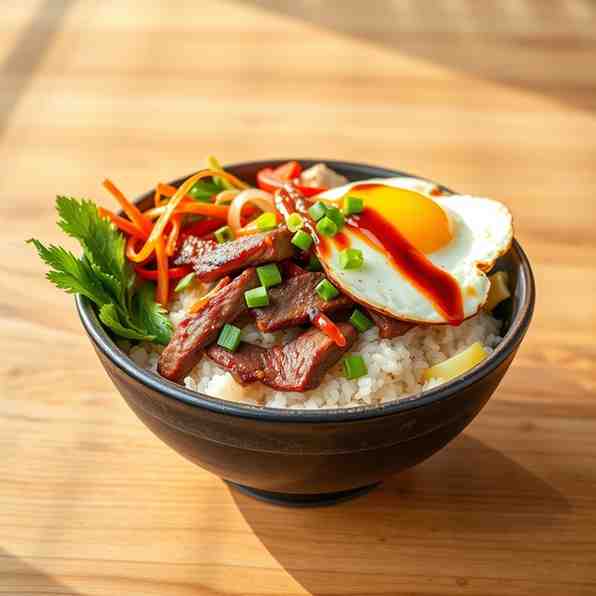
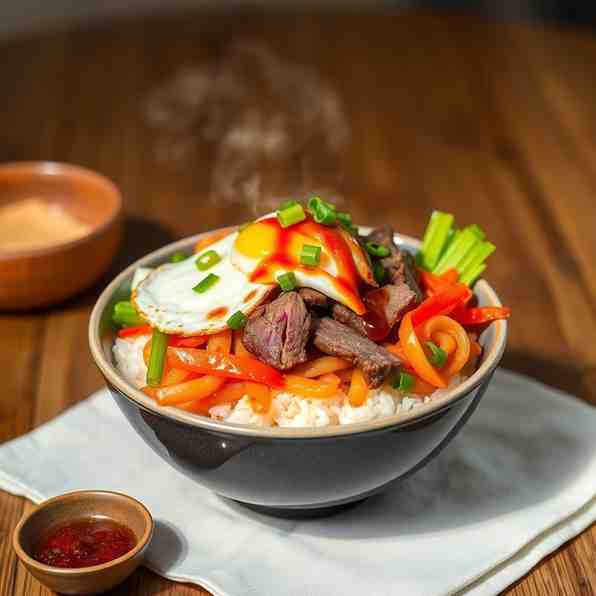
Craving that incredible korean beef bowl experience you get at your favorite restaurant? Look no further! This isn't just another recipe; it's your definitive guide to making authentic Bibimbap right in your own kitchen. We're talking vibrant veggies, tender marinated beef, and that irresistible red paste korean gochujang sauce, all mixed with perfect sticky white rice. Whether you're a beginner or an experienced cook, we've designed this recipe to be both genuinely authentic and totally doable for a weeknight. Get ready to dive into a delicious, high protein rice bowls meal that's also perfect for korean food meal prep and can even feature a delightful, optional crispy rice bowl bottom. Let's make some magic!
Ingredients
Directions
- Start the Rice:
- Rinse the short-grain rice thoroughly until the water runs clear.
- Rice Cooker Option: Combine rinsed rice and water in your rice cooker. Cook according to manufacturer's instructions.
- Stovetop Option: Combine rinsed rice and water in a medium pot. Bring to a boil, then reduce heat to low, cover, and simmer for 18-20 minutes, or until water is absorbed and rice is tender. Let stand, covered, for 10 minutes, then fluff with a fork.
- Make the Gochujang Sauce:
- In a small bowl, whisk together the gochujang, sesame oil, sugar/honey, rice vinegar, water, minced garlic, and roasted sesame seeds.
- Taste and adjust: Add more sugar for sweetness, a tiny bit more gochujang for heat, or more water for a thinner consistency. Set aside.
- Marinate and Cook the Beef:
- If using steak, freeze it for 30-60 minutes to make it easier to slice super thin against the grain.
- In a bowl, combine the thin-sliced beef (or ground beef) with soy sauce, mirin, sesame oil, minced garlic, sugar, and black pepper. Marinate for at least 15 minutes while you prep other ingredients.
- Heat a skillet (or a cast iron skillet) over high heat. Add a touch of oil if needed.
- Cook the marinated beef in a single layer without crowding the pan. Stir-fry until beautifully browned with caramelized edges, about 3-5 minutes. Remove from pan and set aside.
- Prep and Season the Vegetables (in the smartest order):
- Mushrooms: Heat 1 tsp sesame oil in a skillet over medium-high heat. Add sliced shiitake mushrooms and sauté until softened and lightly browned, about 5-7 minutes. Season lightly with salt, a pinch of garlic, and sesame seeds. Remove and set aside.
- Carrots: In the same skillet, add a tiny bit more sesame oil if needed. Sauté julienned carrots for 2-3 minutes until slightly tender-crisp. Season lightly with salt, a pinch of garlic, and sesame seeds. Remove and set aside.
- Zucchini: Repeat with julienned zucchini, cooking for 2-3 minutes until tender-crisp. Season lightly with salt, a pinch of garlic, and sesame seeds. Remove and set aside.
- Spinach: Quickly blanch spinach in boiling water for 30 seconds, or sauté in a dry skillet until just wilted. Immediately transfer to a colander and, once cool enough to handle, firmly squeeze out all excess moisture. Toss with a pinch of salt, a tiny bit of minced garlic, and sesame seeds. Set aside.
- Bean Sprouts: Blanch bean sprouts in boiling water for 1-2 minutes until tender-crisp. Drain, rinse with cold water, and squeeze out excess moisture. Toss with a pinch of salt, a tiny bit of minced garlic, and sesame seeds. Set aside.
- Notice a pattern? Most veggies get a light sauté, followed by a simple seasoning of salt, garlic, and sesame seeds. This makes the process much easier!
- Fry the Eggs:
- Heat a non-stick skillet over medium heat with a tiny bit of oil. Fry the eggs sunny-side up until the whites are set and the yolks are still runny, which is the traditional default. If you prefer a cooked yolk, cook slightly longer.
- Optional: How to Get Crispy Rice (Integrated Step):
- If you want that amazing crispy rice bottom, use a preheated oven-safe bowl (like a dolsot, if you have one, or even a sturdy cast iron skillet or nonstick pan).
- After your rice is cooked, transfer a serving into the hot bowl/pan, pressing it down slightly to cover the bottom.
- Place over medium-high heat. Let it cook undisturbed for 5-10 minutes. You should hear a gentle sizzling, smell a toasted aroma, and see the edges start to brown and crisp. Skip this step if you prefer soft rice.
- Assemble the Bowls:
- Spoon warm rice into individual serving bowls.
- Arrange the prepared beef and individual vegetable toppings (spinach, bean sprouts, carrots, zucchini, mushrooms) neatly in sections around the rice, creating a colorful display.
- Place a fried egg on top of the vegetables in the center.
- Drizzle with a little extra sesame oil and sprinkle with sesame seeds.
- Serve the Bibimbap Gochujang Sauce on the side, allowing each person to add it to their taste.
Korean Beef Bowl Recipe - Make Bibimbap Tonight
- Serves: 4 People
- Prepare Time: 40 minutes
- Cooking Time: 25 minutes
- Calories: -
- Difficulty: Medium
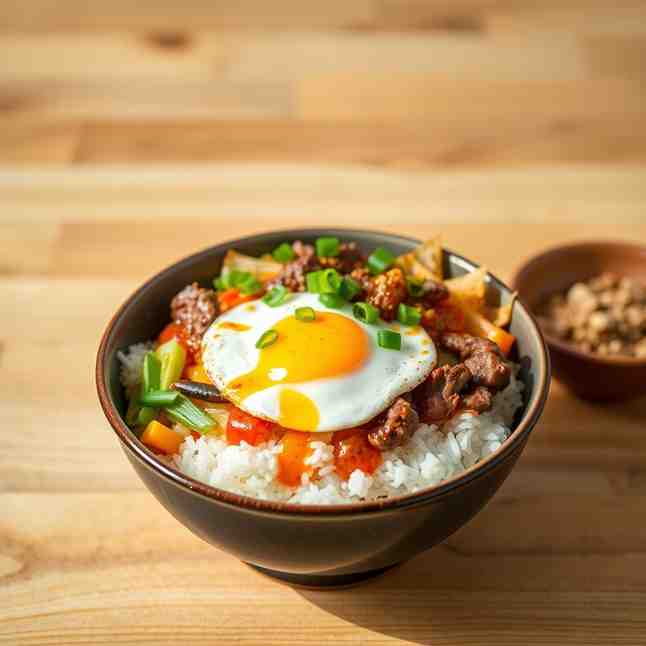
Craving that incredible korean beef bowl experience you get at your favorite restaurant? Look no further! This isn't just another recipe; it's your definitive guide to making authentic Bibimbap right in your own kitchen. We're talking vibrant veggies, tender marinated beef, and that irresistible red paste korean gochujang sauce, all mixed with perfect sticky white rice. Whether you're a beginner or an experienced cook, we've designed this recipe to be both genuinely authentic and totally doable for a weeknight. Get ready to dive into a delicious, high protein rice bowls meal that's also perfect for korean food meal prep and can even feature a delightful, optional crispy rice bowl bottom. Let's make some magic!
Ingredients
Directions
- Start the Rice:
- Rinse the short-grain rice thoroughly until the water runs clear.
- Rice Cooker Option: Combine rinsed rice and water in your rice cooker. Cook according to manufacturer's instructions.
- Stovetop Option: Combine rinsed rice and water in a medium pot. Bring to a boil, then reduce heat to low, cover, and simmer for 18-20 minutes, or until water is absorbed and rice is tender. Let stand, covered, for 10 minutes, then fluff with a fork.
- Make the Gochujang Sauce:
- In a small bowl, whisk together the gochujang, sesame oil, sugar/honey, rice vinegar, water, minced garlic, and roasted sesame seeds.
- Taste and adjust: Add more sugar for sweetness, a tiny bit more gochujang for heat, or more water for a thinner consistency. Set aside.
- Marinate and Cook the Beef:
- If using steak, freeze it for 30-60 minutes to make it easier to slice super thin against the grain.
- In a bowl, combine the thin-sliced beef (or ground beef) with soy sauce, mirin, sesame oil, minced garlic, sugar, and black pepper. Marinate for at least 15 minutes while you prep other ingredients.
- Heat a skillet (or a cast iron skillet) over high heat. Add a touch of oil if needed.
- Cook the marinated beef in a single layer without crowding the pan. Stir-fry until beautifully browned with caramelized edges, about 3-5 minutes. Remove from pan and set aside.
- Prep and Season the Vegetables (in the smartest order):
- Mushrooms: Heat 1 tsp sesame oil in a skillet over medium-high heat. Add sliced shiitake mushrooms and sauté until softened and lightly browned, about 5-7 minutes. Season lightly with salt, a pinch of garlic, and sesame seeds. Remove and set aside.
- Carrots: In the same skillet, add a tiny bit more sesame oil if needed. Sauté julienned carrots for 2-3 minutes until slightly tender-crisp. Season lightly with salt, a pinch of garlic, and sesame seeds. Remove and set aside.
- Zucchini: Repeat with julienned zucchini, cooking for 2-3 minutes until tender-crisp. Season lightly with salt, a pinch of garlic, and sesame seeds. Remove and set aside.
- Spinach: Quickly blanch spinach in boiling water for 30 seconds, or sauté in a dry skillet until just wilted. Immediately transfer to a colander and, once cool enough to handle, firmly squeeze out all excess moisture. Toss with a pinch of salt, a tiny bit of minced garlic, and sesame seeds. Set aside.
- Bean Sprouts: Blanch bean sprouts in boiling water for 1-2 minutes until tender-crisp. Drain, rinse with cold water, and squeeze out excess moisture. Toss with a pinch of salt, a tiny bit of minced garlic, and sesame seeds. Set aside.
- Notice a pattern? Most veggies get a light sauté, followed by a simple seasoning of salt, garlic, and sesame seeds. This makes the process much easier!
- Fry the Eggs:
- Heat a non-stick skillet over medium heat with a tiny bit of oil. Fry the eggs sunny-side up until the whites are set and the yolks are still runny, which is the traditional default. If you prefer a cooked yolk, cook slightly longer.
- Optional: How to Get Crispy Rice (Integrated Step):
- If you want that amazing crispy rice bottom, use a preheated oven-safe bowl (like a dolsot, if you have one, or even a sturdy cast iron skillet or nonstick pan).
- After your rice is cooked, transfer a serving into the hot bowl/pan, pressing it down slightly to cover the bottom.
- Place over medium-high heat. Let it cook undisturbed for 5-10 minutes. You should hear a gentle sizzling, smell a toasted aroma, and see the edges start to brown and crisp. Skip this step if you prefer soft rice.
- Assemble the Bowls:
- Spoon warm rice into individual serving bowls.
- Arrange the prepared beef and individual vegetable toppings (spinach, bean sprouts, carrots, zucchini, mushrooms) neatly in sections around the rice, creating a colorful display.
- Place a fried egg on top of the vegetables in the center.
- Drizzle with a little extra sesame oil and sprinkle with sesame seeds.
- Serve the Bibimbap Gochujang Sauce on the side, allowing each person to add it to their taste.
You may also like



Hey there! I’m just someone who seriously loves good food and believes that cooking doesn’t have to be complicated to be amazing. Whether it’s a quick weeknight dinner or a cozy weekend meal, I’m all about sharing easy, tasty recipes that actually work.