Mbanga Fish Soup Recipe
Mbanga Fish Soup Recipe
- Serves: 6 People
- Prepare Time: 25 minutes
- Cooking Time: 45 minutes
- Calories: -
- Difficulty: Medium
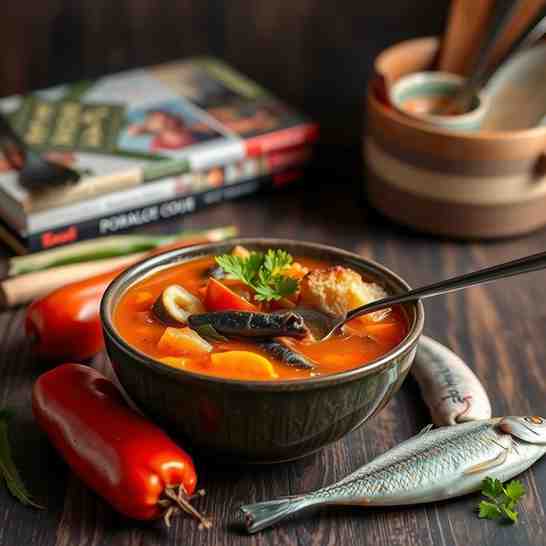
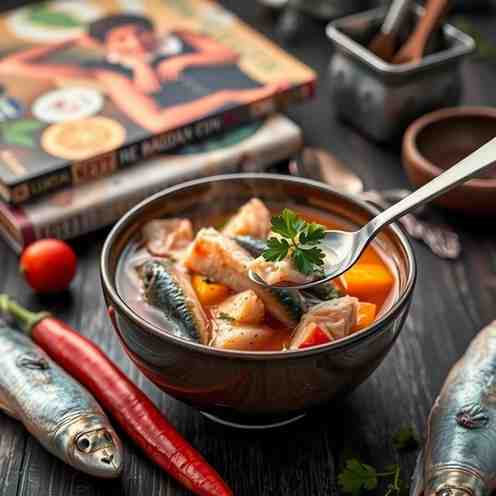
Ready to explore a truly unique and delicious fish soup recipe? Get ready to savor the flavors of Central Africa with our authentic Cameroonian Mbanga (Banga) Palm Nut Fish Soup! This isn't just any african food recipe; it's a culinary journey that brings the heart of West African cuisine right to your kitchen. Imagine a rich, nutty, and subtly smoky stew, with just the right amount of warmth from a hint of spice, all built on a vibrant palm fruit base. It’s a comforting, hearty african dish recipe that’s incredibly satisfying.
While commonly enjoyed with traditional kwacoco (a steamed cocoyam dish), this easy soup recipe is also fantastic with plain rice or fufu. It’s a versatile and flavorful fish for dinner recipe that will quickly become a favorite.
This authentic Mbanga soup recipe originates from the Bakweri people and other communities in Cameroon, often associated with the warm, welcoming phrase “Timba na mbusa” (“eat and come back”). While versions of palm nut soup can be found across Nigeria, Ghana, and Congo, our recipe focuses on the distinct Cameroonian fish-forward style, promising a truly authentic taste experience. Get ready to dive into the vibrant world of cooking with palm oil and discover a truly unforgettable west african food classic!
At its heart, Mbanga soup (also known as Banga soup, palm nut soup, or in other regions as ofe akwu or abenkwan) is a rich, flavorful stew made from the pulp of palm fruit. While "Mbanga" is the common name in Cameroon, "Banga" is more prevalent in Nigeria, both referring to the same delicious palm nut base. This soup is a staple across much of Central and West Africa, celebrated for its unique taste and nutritional benefits.
It's important to understand the difference between palm fruit pulp and refined red palm oil. While red palm oil is widely used in African cooking for frying and flavor, this soup specifically utilizes the pulp (flesh) of the palm nut. This pulp is what gives Mbanga soup its characteristic thick body, vibrant orange color, and deep, earthy, nutty flavor. It's also naturally rich in Vitamin A (beta-carotene) and healthy fats, though like any rich food, moderation is key! (Always consult a healthcare professional for dietary advice.)
For those in the US, imagine a hearty seafood stew, but with a unique, intensely nutty base instead of tomato. It has smoky undertones from the fish and crayfish, complemented by warm spices and a gentle heat that warms you from the inside out. It's a truly comforting and distinctive flavor profile.
In Cameroon, Mbanga soup is traditionally served with kwacoco, a dish made from grated cocoyam steamed in banana leaves. However, it's also incredibly delicious with plain boiled rice, fufu (made from cassava, yam, or plantain), or even boiled plantains, making it adaptable to what you have on hand.
To make this delicious Mbanga soup, you’ll need a few basic kitchen tools:
Heavy Pot or Dutch Oven: Perfect for slow simmering and even heat distribution.
Stirring Spoon: A sturdy wooden or silicone spoon works best.
Cutting Board + Sharp Knife: For all your chopping needs.
Optional Mortar & Pestle or Blender/Food Processor: If you're starting with fresh palm nuts (though our recipe primarily uses concentrate).
Gloves: Highly recommended if you're handling very spicy peppers like Scotch bonnets or habaneros, to protect your hands.
Clean-as-you-go Tip: Palm pulp can stain, so wipe up spills immediately!
Ingredients
Directions
- Prep the Fish & AromaticsCarefully clean your smoked fish and fresh fish. Pat them dry with paper towels. Season the fresh fish lightly with a pinch of salt and a tiny dash of allspice. Dice your onion, mince the garlic, and roughly chop your chosen greens. If using hot peppers, handle them with gloves; you can leave them whole for flavor that infuses slowly, or mince them for more immediate heat.
- Build a Flavor BaseHeat a tablespoon of neutral oil (like vegetable or canola) in your heavy pot or Dutch oven over medium heat. If your palm nut concentrate has a layer of oil on top, you can skim a spoonful of that to use here for extra flavor. Add the diced onions and sweat them until they are translucent and softened, about 5-7 minutes. Stir in the minced garlic, ground crayfish (or dried shrimp powder), ground allspice, and smoked paprika. Toast these spices briefly for about 1 minute until they are incredibly fragrant, being careful not to burn them. You'll smell a deep, earthy aroma.
- Add Palm Nut Concentrate & LiquidPour in the palm nut concentrate. Stir well to combine it with the aromatics and spices. Gradually add 4-6 cups of water or stock, stirring continuously to break up any lumps and achieve a smooth, soupy consistency.
- Mini Callout for Fresh Nuts: If you're starting from fresh palm nuts, you would boil them until soft, pound them to extract the pulp, and then strain with warm water to get the concentrate. This liquid is then added at this step.
- Simmer to Develop the BrothBring the soup to a gentle simmer over medium-low heat. Add the bay leaves and the bouillon cubes/powder. Let it cook, uncovered, for about 20-30 minutes, stirring occasionally to prevent sticking. During this time, the palm base will thicken, and you'll notice the distinctive red palm oil starting to float to the top, signaling that the flavors are developing beautifully. The color will deepen to a rich orange-red.
- Add Fish Without Breaking ItGently nestle the pieces of smoked fish and fresh white fish into the simmering broth. Try not to stir vigorously, as this can break up the delicate fish. Instead, gently tilt and swirl the pot, or use a spoon to carefully scoop broth from the bottom and pour it over the fish to ensure it’s submerged. Let the fish simmer for about 10-15 minutes, or until the fresh fish flakes easily and is no longer translucent. If you’re using optional small shrimp, add them in the last 3-5 minutes of cooking as they cook very quickly.
- Add Greens & Final SeasoningStir in your chopped spinach, collard greens, or kale. If using tougher greens like collards or kale, you might want to add them a few minutes earlier. Cook until the greens are tender but still vibrant, about 5-7 minutes for collards/kale, or 2-3 minutes for spinach. Taste the soup and adjust the seasoning with salt as needed. If it’s too mild, you can add a little more minced pepper. If it's too spicy, a pinch of sugar can sometimes balance the heat.
- Rest, Skim & ServeRemove the bay leaves. Let the soup rest off the heat for a few minutes; this allows the flavors to meld even further. You'll notice more oil floating to the top. If desired, you can gently skim off some of this surface oil with a spoon. This flavorful red oil can be stored in a jar and used for other cooking! Serve your delicious Mbanga soup hot, ladled generously into bowls.
Mbanga Fish Soup Recipe
- Serves: 6 People
- Prepare Time: 25 minutes
- Cooking Time: 45 minutes
- Calories: -
- Difficulty: Medium
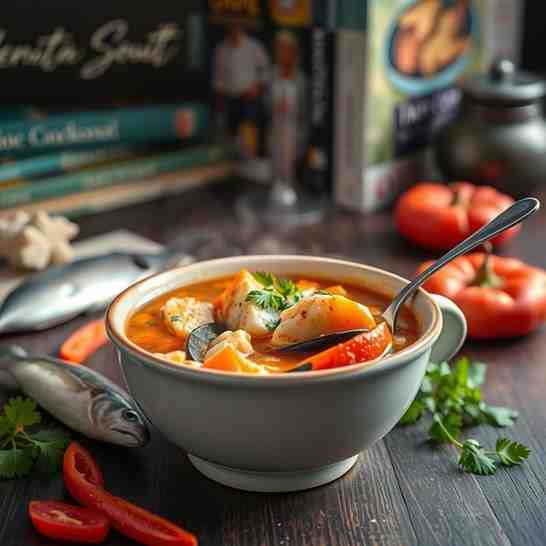
Ready to explore a truly unique and delicious fish soup recipe? Get ready to savor the flavors of Central Africa with our authentic Cameroonian Mbanga (Banga) Palm Nut Fish Soup! This isn't just any african food recipe; it's a culinary journey that brings the heart of West African cuisine right to your kitchen. Imagine a rich, nutty, and subtly smoky stew, with just the right amount of warmth from a hint of spice, all built on a vibrant palm fruit base. It’s a comforting, hearty african dish recipe that’s incredibly satisfying.
While commonly enjoyed with traditional kwacoco (a steamed cocoyam dish), this easy soup recipe is also fantastic with plain rice or fufu. It’s a versatile and flavorful fish for dinner recipe that will quickly become a favorite.
This authentic Mbanga soup recipe originates from the Bakweri people and other communities in Cameroon, often associated with the warm, welcoming phrase “Timba na mbusa” (“eat and come back”). While versions of palm nut soup can be found across Nigeria, Ghana, and Congo, our recipe focuses on the distinct Cameroonian fish-forward style, promising a truly authentic taste experience. Get ready to dive into the vibrant world of cooking with palm oil and discover a truly unforgettable west african food classic!
At its heart, Mbanga soup (also known as Banga soup, palm nut soup, or in other regions as ofe akwu or abenkwan) is a rich, flavorful stew made from the pulp of palm fruit. While "Mbanga" is the common name in Cameroon, "Banga" is more prevalent in Nigeria, both referring to the same delicious palm nut base. This soup is a staple across much of Central and West Africa, celebrated for its unique taste and nutritional benefits.
It's important to understand the difference between palm fruit pulp and refined red palm oil. While red palm oil is widely used in African cooking for frying and flavor, this soup specifically utilizes the pulp (flesh) of the palm nut. This pulp is what gives Mbanga soup its characteristic thick body, vibrant orange color, and deep, earthy, nutty flavor. It's also naturally rich in Vitamin A (beta-carotene) and healthy fats, though like any rich food, moderation is key! (Always consult a healthcare professional for dietary advice.)
For those in the US, imagine a hearty seafood stew, but with a unique, intensely nutty base instead of tomato. It has smoky undertones from the fish and crayfish, complemented by warm spices and a gentle heat that warms you from the inside out. It's a truly comforting and distinctive flavor profile.
In Cameroon, Mbanga soup is traditionally served with kwacoco, a dish made from grated cocoyam steamed in banana leaves. However, it's also incredibly delicious with plain boiled rice, fufu (made from cassava, yam, or plantain), or even boiled plantains, making it adaptable to what you have on hand.
To make this delicious Mbanga soup, you’ll need a few basic kitchen tools:
Heavy Pot or Dutch Oven: Perfect for slow simmering and even heat distribution.
Stirring Spoon: A sturdy wooden or silicone spoon works best.
Cutting Board + Sharp Knife: For all your chopping needs.
Optional Mortar & Pestle or Blender/Food Processor: If you're starting with fresh palm nuts (though our recipe primarily uses concentrate).
Gloves: Highly recommended if you're handling very spicy peppers like Scotch bonnets or habaneros, to protect your hands.
Clean-as-you-go Tip: Palm pulp can stain, so wipe up spills immediately!
Ingredients
Directions
- Prep the Fish & AromaticsCarefully clean your smoked fish and fresh fish. Pat them dry with paper towels. Season the fresh fish lightly with a pinch of salt and a tiny dash of allspice. Dice your onion, mince the garlic, and roughly chop your chosen greens. If using hot peppers, handle them with gloves; you can leave them whole for flavor that infuses slowly, or mince them for more immediate heat.
- Build a Flavor BaseHeat a tablespoon of neutral oil (like vegetable or canola) in your heavy pot or Dutch oven over medium heat. If your palm nut concentrate has a layer of oil on top, you can skim a spoonful of that to use here for extra flavor. Add the diced onions and sweat them until they are translucent and softened, about 5-7 minutes. Stir in the minced garlic, ground crayfish (or dried shrimp powder), ground allspice, and smoked paprika. Toast these spices briefly for about 1 minute until they are incredibly fragrant, being careful not to burn them. You'll smell a deep, earthy aroma.
- Add Palm Nut Concentrate & LiquidPour in the palm nut concentrate. Stir well to combine it with the aromatics and spices. Gradually add 4-6 cups of water or stock, stirring continuously to break up any lumps and achieve a smooth, soupy consistency.
- Mini Callout for Fresh Nuts: If you're starting from fresh palm nuts, you would boil them until soft, pound them to extract the pulp, and then strain with warm water to get the concentrate. This liquid is then added at this step.
- Simmer to Develop the BrothBring the soup to a gentle simmer over medium-low heat. Add the bay leaves and the bouillon cubes/powder. Let it cook, uncovered, for about 20-30 minutes, stirring occasionally to prevent sticking. During this time, the palm base will thicken, and you'll notice the distinctive red palm oil starting to float to the top, signaling that the flavors are developing beautifully. The color will deepen to a rich orange-red.
- Add Fish Without Breaking ItGently nestle the pieces of smoked fish and fresh white fish into the simmering broth. Try not to stir vigorously, as this can break up the delicate fish. Instead, gently tilt and swirl the pot, or use a spoon to carefully scoop broth from the bottom and pour it over the fish to ensure it’s submerged. Let the fish simmer for about 10-15 minutes, or until the fresh fish flakes easily and is no longer translucent. If you’re using optional small shrimp, add them in the last 3-5 minutes of cooking as they cook very quickly.
- Add Greens & Final SeasoningStir in your chopped spinach, collard greens, or kale. If using tougher greens like collards or kale, you might want to add them a few minutes earlier. Cook until the greens are tender but still vibrant, about 5-7 minutes for collards/kale, or 2-3 minutes for spinach. Taste the soup and adjust the seasoning with salt as needed. If it’s too mild, you can add a little more minced pepper. If it's too spicy, a pinch of sugar can sometimes balance the heat.
- Rest, Skim & ServeRemove the bay leaves. Let the soup rest off the heat for a few minutes; this allows the flavors to meld even further. You'll notice more oil floating to the top. If desired, you can gently skim off some of this surface oil with a spoon. This flavorful red oil can be stored in a jar and used for other cooking! Serve your delicious Mbanga soup hot, ladled generously into bowls.
You may also like

.jpg)

Hey there! I’m just someone who seriously loves good food and believes that cooking doesn’t have to be complicated to be amazing. Whether it’s a quick weeknight dinner or a cozy weekend meal, I’m all about sharing easy, tasty recipes that actually work.