
Pempek Palembang - Best Frozen Fish Cakes Recipe
Pempek Palembang - Best Frozen Fish Cakes Recipe
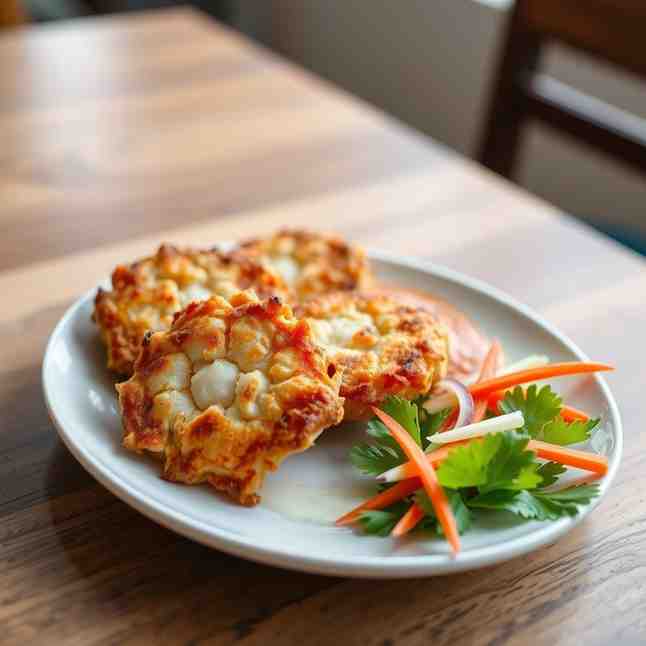
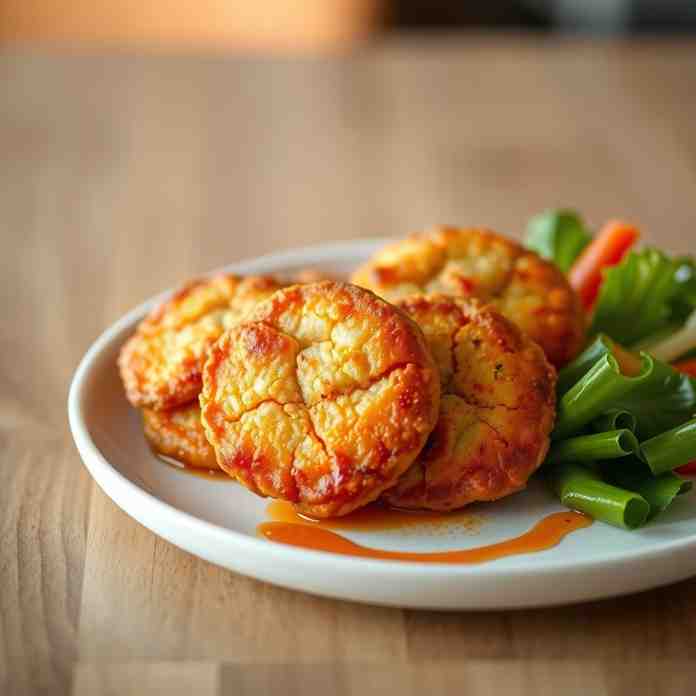
- Serves: 4 People
- Prepare Time: 45 minutes
- Cooking Time: 30 minutes
- Calories: -
- Difficulty: Medium
Get ready to dive into the incredible world of Pempek Palembang! This recipe promises you delightfully chewy, savory frozen fish cakes with a surprise egg center, all brought to life by a bold, sweet-sour-spicy cuko sauce. It's a taste sensation that's easier to make than you think!
So, what exactly is Pempek? It's a beloved Indonesian fish cake snack, originating from Palembang, South Sumatra. While there are many shapes and sizes, the Kapal Selam (which means "submarine") is arguably the most famous. It's a substantial, boat-shaped fish cake that cradles a whole egg inside – hence the submarine name!
Our version is the authentic Palembang-style, which means it’s all about that rich, thick cuko (or kuah cuko) dipping sauce. Forget thin, watery sauces; this one is packed with flavor and clings perfectly to every bite. Served with refreshing diced cucumber and, optionally, some springy yellow noodles, it’s a complete and satisfying dish. Whether you're an experienced chef or looking for easy meal recipes for one, this recipe for cooking with seafood will quickly become a favorite.
Ingredients
Directions
- Key Technique: Getting That Signature Chewy TextureThe secret to perfectly chewy pempek lies in a few crucial steps:
- Keep it cold: Ensure your fish mixture stays as cold as possible throughout the process. This helps with binding and texture.
- Dissolve salt first: Always dissolve your salt in cold water before mixing it with the fish. This ensures even seasoning and helps the fish proteins bind better.
- Add starch gradually: Don't dump all the tapioca starch in at once. Fold it in gently and knead just until the dough comes together. Over-kneading can make your pempek tough or rubbery.
- Step-by-Step: Make Thick Cuko First (So It Can Cool)Making the cuko first allows it to cool down, letting the flavors meld beautifully.
- Dissolve Sugar: In a small saucepan, combine the palm sugar and water. Bring it to a gentle simmer over medium heat, stirring until the sugar is fully dissolved.
- Add Tamarind & Vinegar: Stir in the tamarind paste and vinegar. Continue to simmer gently for another 5 minutes.
- Infuse Aromatics: Add the peeled garlic cloves and chilies (or chili flakes) to the simmering sauce. Let it simmer for just 1-2 minutes more to infuse their pungent flavors.
- Strain for Smoothness: Carefully strain the cuko through a fine-mesh sieve into a heatproof bowl. Press on the solids to extract all the liquid. Discard the solids.
- Adjust Thickness: For a thicker cuko, return the strained sauce to the saucepan and simmer uncovered for a bit longer until it reduces to your desired consistency. If it's too thick when serving, you can always dilute it with a little hot water. Set aside to cool completely.
- Step-by-Step: Make the Pempek DoughThis is where our frozen fish cakes truly begin to take shape!
- Prep Fish: If using frozen fish cakes (or frozen fish), ensure it's fully thawed. Pat the fish fillets very dry with paper towels. Cut the fish into roughly 1-inch chunks and chill them in the freezer for about 15 minutes.
- Blend Fish: In a food processor, combine the chilled fish chunks with the cold salted water. Blend until the mixture is very smooth and paste-like, scraping down the sides as needed. This might take a few minutes.
- Mix Dough: Transfer the fish paste to a large mixing bowl. Add the sugar (and optional white pepper). Then, gradually fold in the tapioca starch, a little at a time, using a spatula. Mix just until a soft, slightly tacky dough forms. Avoid over-mixing; the less you handle it, the chewier your pempek will be. Finally, lightly oil your hands with the neutral oil and gently knead the dough a few times to bring it together.
- Quick Taste Test: To check your seasoning, pinch off a tiny nugget of dough, boil it in a small pot of water for a minute, then taste. Adjust salt or sugar in the main dough if needed.
- Step-by-Step: Shape Kapal Selam (Egg-Nested)This is the fun part, making the "submarine" with the egg inside!Oil Hands: Lightly oil your hands to prevent sticking.
- Portion Dough: Take a portion of dough about the size of a golf ball or slightly larger (around 60-70g). Roll it into a smooth ball.
- Create a Cup: Using your thumb, press a deep indentation into the center of the ball, rotating it with your other hand to create a thick-walled cup or pouch. Ensure the walls are thick enough to hold the egg without tearing.
- Pour in Egg: Carefully pour about half of one beaten egg into the dough cup.
- Do not overfill! Leave enough space to seal the top.
- Pinch Shut: Gently pinch the top edges of the dough together, working your way around to seal the egg inside completely. Smooth out the seam with your fingers. Ensure there are no cracks where the egg could leak. Keep the walls of the pempek thick for stability.
- Step-by-Step: Boil (Set the Shape)Boiling cooks the pempek through and sets its shape before frying.
- Prepare Water: Bring a large pot of water to a gentle, barely-boiling simmer. You should see tiny bubbles, not a rolling boil.
- Gently Lower: Carefully lower the shaped kapal selam pempek into the simmering water. Don't overcrowd the pot; cook them in batches if necessary.
- Cook Until Done: Cook until the pempek float to the surface, plus an additional 10-15 minutes for larger kapal selam (smaller pempek might need less time). The cooking time depends on their size. They should feel firm to the touch.
- Cool Completely: Using a slotted spoon, transfer the boiled pempek to a wire rack to cool completely. This is crucial for their texture and prevents them from splitting during frying.
- Step-by-Step: Fry (or Air-Fry as an Optional Note)Frying gives the pempek its delicious golden crust. For fish for frying, a neutral oil is best.
- Heat Oil: In a heavy pot or deep skillet (a good frying pan for deep frying), heat about 2-3 inches of neutral oil to a steady medium temperature (around 325-350°F / 160-175°C). Use a thermometer for best results.
- Fry Pempek: Gently lower the cooled boiled pempek into the hot oil. Fry in batches, turning occasionally, until they are light golden brown and crisp on the outside. This usually takes 5-8 minutes.
- Drain & Rest: Remove the fried pempek with a slotted spoon and drain them on a wire rack lined with paper towels to remove excess oil. Let them rest for a few minutes.
- Optional Air-Fry Note: For a lighter option, you can brush the boiled pempek lightly with oil and air-fry at 375°F (190°C) for 10-15 minutes, flipping halfway, until golden and crisp. This is a great alternative if you're looking for fried fish gluten free options without deep frying.
- How to ServeReady to enjoy your homemade Pempek Palembang?
- Cut & Arrange: Slice the pempek into bite-size pieces.
- Add Toppings: Arrange them on a plate with fresh diced cucumber and, if using, cooked yellow noodles.
- Spoon Cuko: Generously spoon the cooled cuko over the pempek. Explain to your guests that the cuko is best served at room temperature, but if they like more heat, they can add extra fresh chilies. This makes for a fantastic easy dinner recipe for one or for sharing!
Pempek Palembang - Best Frozen Fish Cakes Recipe
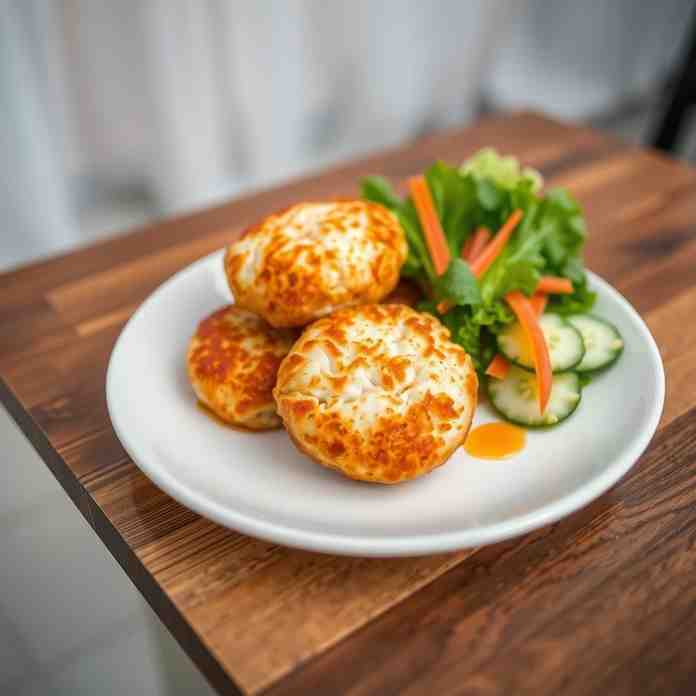
- Serves: 4 People
- Prepare Time: 45 minutes
- Cooking Time: 30 minutes
- Calories: -
- Difficulty: Medium
Get ready to dive into the incredible world of Pempek Palembang! This recipe promises you delightfully chewy, savory frozen fish cakes with a surprise egg center, all brought to life by a bold, sweet-sour-spicy cuko sauce. It's a taste sensation that's easier to make than you think!
So, what exactly is Pempek? It's a beloved Indonesian fish cake snack, originating from Palembang, South Sumatra. While there are many shapes and sizes, the Kapal Selam (which means "submarine") is arguably the most famous. It's a substantial, boat-shaped fish cake that cradles a whole egg inside – hence the submarine name!
Our version is the authentic Palembang-style, which means it’s all about that rich, thick cuko (or kuah cuko) dipping sauce. Forget thin, watery sauces; this one is packed with flavor and clings perfectly to every bite. Served with refreshing diced cucumber and, optionally, some springy yellow noodles, it’s a complete and satisfying dish. Whether you're an experienced chef or looking for easy meal recipes for one, this recipe for cooking with seafood will quickly become a favorite.
Ingredients
Directions
- Key Technique: Getting That Signature Chewy TextureThe secret to perfectly chewy pempek lies in a few crucial steps:
- Keep it cold: Ensure your fish mixture stays as cold as possible throughout the process. This helps with binding and texture.
- Dissolve salt first: Always dissolve your salt in cold water before mixing it with the fish. This ensures even seasoning and helps the fish proteins bind better.
- Add starch gradually: Don't dump all the tapioca starch in at once. Fold it in gently and knead just until the dough comes together. Over-kneading can make your pempek tough or rubbery.
- Step-by-Step: Make Thick Cuko First (So It Can Cool)Making the cuko first allows it to cool down, letting the flavors meld beautifully.
- Dissolve Sugar: In a small saucepan, combine the palm sugar and water. Bring it to a gentle simmer over medium heat, stirring until the sugar is fully dissolved.
- Add Tamarind & Vinegar: Stir in the tamarind paste and vinegar. Continue to simmer gently for another 5 minutes.
- Infuse Aromatics: Add the peeled garlic cloves and chilies (or chili flakes) to the simmering sauce. Let it simmer for just 1-2 minutes more to infuse their pungent flavors.
- Strain for Smoothness: Carefully strain the cuko through a fine-mesh sieve into a heatproof bowl. Press on the solids to extract all the liquid. Discard the solids.
- Adjust Thickness: For a thicker cuko, return the strained sauce to the saucepan and simmer uncovered for a bit longer until it reduces to your desired consistency. If it's too thick when serving, you can always dilute it with a little hot water. Set aside to cool completely.
- Step-by-Step: Make the Pempek DoughThis is where our frozen fish cakes truly begin to take shape!
- Prep Fish: If using frozen fish cakes (or frozen fish), ensure it's fully thawed. Pat the fish fillets very dry with paper towels. Cut the fish into roughly 1-inch chunks and chill them in the freezer for about 15 minutes.
- Blend Fish: In a food processor, combine the chilled fish chunks with the cold salted water. Blend until the mixture is very smooth and paste-like, scraping down the sides as needed. This might take a few minutes.
- Mix Dough: Transfer the fish paste to a large mixing bowl. Add the sugar (and optional white pepper). Then, gradually fold in the tapioca starch, a little at a time, using a spatula. Mix just until a soft, slightly tacky dough forms. Avoid over-mixing; the less you handle it, the chewier your pempek will be. Finally, lightly oil your hands with the neutral oil and gently knead the dough a few times to bring it together.
- Quick Taste Test: To check your seasoning, pinch off a tiny nugget of dough, boil it in a small pot of water for a minute, then taste. Adjust salt or sugar in the main dough if needed.
- Step-by-Step: Shape Kapal Selam (Egg-Nested)This is the fun part, making the "submarine" with the egg inside!Oil Hands: Lightly oil your hands to prevent sticking.
- Portion Dough: Take a portion of dough about the size of a golf ball or slightly larger (around 60-70g). Roll it into a smooth ball.
- Create a Cup: Using your thumb, press a deep indentation into the center of the ball, rotating it with your other hand to create a thick-walled cup or pouch. Ensure the walls are thick enough to hold the egg without tearing.
- Pour in Egg: Carefully pour about half of one beaten egg into the dough cup.
- Do not overfill! Leave enough space to seal the top.
- Pinch Shut: Gently pinch the top edges of the dough together, working your way around to seal the egg inside completely. Smooth out the seam with your fingers. Ensure there are no cracks where the egg could leak. Keep the walls of the pempek thick for stability.
- Step-by-Step: Boil (Set the Shape)Boiling cooks the pempek through and sets its shape before frying.
- Prepare Water: Bring a large pot of water to a gentle, barely-boiling simmer. You should see tiny bubbles, not a rolling boil.
- Gently Lower: Carefully lower the shaped kapal selam pempek into the simmering water. Don't overcrowd the pot; cook them in batches if necessary.
- Cook Until Done: Cook until the pempek float to the surface, plus an additional 10-15 minutes for larger kapal selam (smaller pempek might need less time). The cooking time depends on their size. They should feel firm to the touch.
- Cool Completely: Using a slotted spoon, transfer the boiled pempek to a wire rack to cool completely. This is crucial for their texture and prevents them from splitting during frying.
- Step-by-Step: Fry (or Air-Fry as an Optional Note)Frying gives the pempek its delicious golden crust. For fish for frying, a neutral oil is best.
- Heat Oil: In a heavy pot or deep skillet (a good frying pan for deep frying), heat about 2-3 inches of neutral oil to a steady medium temperature (around 325-350°F / 160-175°C). Use a thermometer for best results.
- Fry Pempek: Gently lower the cooled boiled pempek into the hot oil. Fry in batches, turning occasionally, until they are light golden brown and crisp on the outside. This usually takes 5-8 minutes.
- Drain & Rest: Remove the fried pempek with a slotted spoon and drain them on a wire rack lined with paper towels to remove excess oil. Let them rest for a few minutes.
- Optional Air-Fry Note: For a lighter option, you can brush the boiled pempek lightly with oil and air-fry at 375°F (190°C) for 10-15 minutes, flipping halfway, until golden and crisp. This is a great alternative if you're looking for fried fish gluten free options without deep frying.
- How to ServeReady to enjoy your homemade Pempek Palembang?
- Cut & Arrange: Slice the pempek into bite-size pieces.
- Add Toppings: Arrange them on a plate with fresh diced cucumber and, if using, cooked yellow noodles.
- Spoon Cuko: Generously spoon the cooled cuko over the pempek. Explain to your guests that the cuko is best served at room temperature, but if they like more heat, they can add extra fresh chilies. This makes for a fantastic easy dinner recipe for one or for sharing!
You may also like

Hey there! I’m just someone who seriously loves good food and believes that cooking doesn’t have to be complicated to be amazing. Whether it’s a quick weeknight dinner or a cozy weekend meal, I’m all about sharing easy, tasty recipes that actually work.