Stuffed Grape Leaves - Persian Dolmeh Recipe
Stuffed Grape Leaves - Persian Dolmeh Recipe


- Serves: 6 People
- Prepare Time: 1 hour 30 m
- Cooking Time: 1 hour
- Calories: -
- Difficulty: Medium
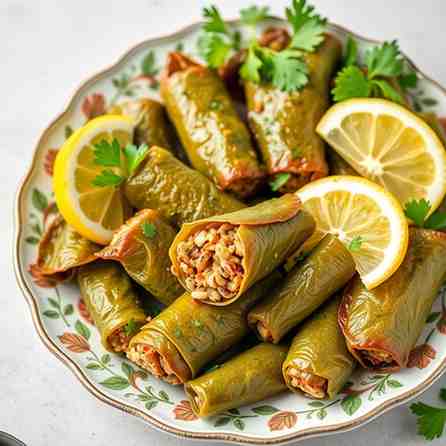
Ever dreamt of making those perfectly rolled, melt-in-your-mouth stuffed grape leaves you find at your favorite Middle Eastern restaurant? Well, you're in the right place! Get ready to dive into the wonderful world of Persian Dolmeh, specifically dolmeh barg-e mo, which simply means "stuffed grape leaves." This isn't just any recipe; it's your definitive guide to creating an authentic Iranian masterpiece right in your own kitchen.
What makes our version truly Iranian? We're talking about those distinct, neat, square-ish parcels packed with an incredibly flavorful, herb-heavy filling. Unlike some other variations, our recipe features a delicious combination of meat and split peas, all simmered in a beautifully balanced sweet-sour cooking liquid that's absolutely addictive. We'll walk you through everything: from where to find the best grape leaves in the U.S., to mastering the rolling technique without any frustration, and even essential troubleshooting tips. Get ready to impress everyone with your homemade Iranian food recipes!
Ingredients
Directions
- Prep the Split Peas: Rinse the yellow split peas thoroughly. Place them in a small pot with enough water to cover by about 2 inches. Bring to a boil, then reduce heat and simmer for 15-20 minutes, or until tender but still firm to the bite (not mushy). Drain well and set aside.
- Parboil the Rice: In a separate pot, bring 4 cups of water to a boil. Add the rinsed basmati rice and cook for 5-7 minutes, or until the grains are slightly softened but still very firm in the center (al dente). Drain immediately and thoroughly.
- Sauté & Brown the Meat: Heat 1 tablespoon of olive oil in a large skillet over medium heat. Add the chopped yellow onion and sauté until softened and translucent, about 5-7 minutes. Add the minced garlic and cook for another minute until fragrant. Push the onions and garlic to one side of the skillet, then add the ground beef or lamb. Break it up with a spoon and brown thoroughly, about 8-10 minutes. Drain any excess fat. Stir the meat with the onions and garlic, then season with turmeric, black pepper, and salt. Cook for another 2 minutes.
- Mix the Filling: In a large bowl, combine the cooked meat mixture, parboiled rice, cooked split peas, all the fresh chopped herbs (parsley, dill, mint, tarragon, green onion), and the rinsed barberries (if using). Mix everything gently but thoroughly until well combined. Taste and adjust seasoning if needed.
- Prep the Grape Leaves:
- For Jarred Leaves: Carefully remove the leaves from the jar. Rinse them under cold running water for several minutes to remove excess brine. Lay them flat and trim any tough stems. If they seem too salty, you can soak them in a bowl of fresh water for 15-20 minutes, then rinse again and pat dry.
- For Fresh Leaves: Rinse the fresh leaves well. Bring a large pot of water to a boil. Blanch the leaves in batches for 30-60 seconds, or until they become pliable and change color slightly. Immediately transfer them to an ice bath to stop cooking, then drain and pat dry. Trim any tough stems.
- Roll the Dolmeh: Lay a grape leaf on a clean surface, vein-side up (the rough side). Place about 1-2 teaspoons of filling near the base of the leaf, depending on its size (smaller leaves get less filling). Fold the bottom edge of the leaf up over the filling. Then, fold in the sides towards the center. Finally, roll the leaf tightly from the bottom up to create a neat, square-ish parcel. Don't overfill, or they'll burst!
- Pack the Pot: Line the bottom of a wide, heavy-bottomed pot (with a lid) with a few torn or imperfect grape leaves. This helps prevent sticking. Arrange the rolled dolmeh tightly in layers, seam-side down, in a circular or spiral pattern. This keeps them from unraveling during cooking.
- Add Cooking Liquid: In a small bowl, whisk together the hot water/broth, lemon juice or vinegar, sugar, and the bloomed saffron. Gently pour this liquid around the edges of the packed dolmeh in the pot, ensuring it covers the top layer by about ½ inch.
- Weigh Down & Simmer: Place a heatproof plate or a smaller lid directly on top of the dolmeh to weigh them down. This is crucial to prevent them from floating and unraveling. Bring the liquid to a gentle boil over medium-high heat, then immediately reduce the heat to low. Cover the pot tightly with its lid and simmer for 45-60 minutes, or until the leaves are very tender and the rice and split peas are fully cooked.
- Doneness Check & Rest: Carefully remove the plate and check for doneness. The leaves should be soft, and the filling tender. If needed, add a splash more hot water and cook for another 10-15 minutes. Once cooked, turn off the heat and let the dolmeh rest in the covered pot for at least 15-20 minutes before serving. This allows the flavors to meld and prevents them from falling apart.
Stuffed Grape Leaves - Persian Dolmeh Recipe
- Serves: 6 People
- Prepare Time: 1 hour 30 m
- Cooking Time: 1 hour
- Calories: -
- Difficulty: Medium
Ever dreamt of making those perfectly rolled, melt-in-your-mouth stuffed grape leaves you find at your favorite Middle Eastern restaurant? Well, you're in the right place! Get ready to dive into the wonderful world of Persian Dolmeh, specifically dolmeh barg-e mo, which simply means "stuffed grape leaves." This isn't just any recipe; it's your definitive guide to creating an authentic Iranian masterpiece right in your own kitchen.
What makes our version truly Iranian? We're talking about those distinct, neat, square-ish parcels packed with an incredibly flavorful, herb-heavy filling. Unlike some other variations, our recipe features a delicious combination of meat and split peas, all simmered in a beautifully balanced sweet-sour cooking liquid that's absolutely addictive. We'll walk you through everything: from where to find the best grape leaves in the U.S., to mastering the rolling technique without any frustration, and even essential troubleshooting tips. Get ready to impress everyone with your homemade Iranian food recipes!
Ingredients
Directions
- Prep the Split Peas: Rinse the yellow split peas thoroughly. Place them in a small pot with enough water to cover by about 2 inches. Bring to a boil, then reduce heat and simmer for 15-20 minutes, or until tender but still firm to the bite (not mushy). Drain well and set aside.
- Parboil the Rice: In a separate pot, bring 4 cups of water to a boil. Add the rinsed basmati rice and cook for 5-7 minutes, or until the grains are slightly softened but still very firm in the center (al dente). Drain immediately and thoroughly.
- Sauté & Brown the Meat: Heat 1 tablespoon of olive oil in a large skillet over medium heat. Add the chopped yellow onion and sauté until softened and translucent, about 5-7 minutes. Add the minced garlic and cook for another minute until fragrant. Push the onions and garlic to one side of the skillet, then add the ground beef or lamb. Break it up with a spoon and brown thoroughly, about 8-10 minutes. Drain any excess fat. Stir the meat with the onions and garlic, then season with turmeric, black pepper, and salt. Cook for another 2 minutes.
- Mix the Filling: In a large bowl, combine the cooked meat mixture, parboiled rice, cooked split peas, all the fresh chopped herbs (parsley, dill, mint, tarragon, green onion), and the rinsed barberries (if using). Mix everything gently but thoroughly until well combined. Taste and adjust seasoning if needed.
- Prep the Grape Leaves:
- For Jarred Leaves: Carefully remove the leaves from the jar. Rinse them under cold running water for several minutes to remove excess brine. Lay them flat and trim any tough stems. If they seem too salty, you can soak them in a bowl of fresh water for 15-20 minutes, then rinse again and pat dry.
- For Fresh Leaves: Rinse the fresh leaves well. Bring a large pot of water to a boil. Blanch the leaves in batches for 30-60 seconds, or until they become pliable and change color slightly. Immediately transfer them to an ice bath to stop cooking, then drain and pat dry. Trim any tough stems.
- Roll the Dolmeh: Lay a grape leaf on a clean surface, vein-side up (the rough side). Place about 1-2 teaspoons of filling near the base of the leaf, depending on its size (smaller leaves get less filling). Fold the bottom edge of the leaf up over the filling. Then, fold in the sides towards the center. Finally, roll the leaf tightly from the bottom up to create a neat, square-ish parcel. Don't overfill, or they'll burst!
- Pack the Pot: Line the bottom of a wide, heavy-bottomed pot (with a lid) with a few torn or imperfect grape leaves. This helps prevent sticking. Arrange the rolled dolmeh tightly in layers, seam-side down, in a circular or spiral pattern. This keeps them from unraveling during cooking.
- Add Cooking Liquid: In a small bowl, whisk together the hot water/broth, lemon juice or vinegar, sugar, and the bloomed saffron. Gently pour this liquid around the edges of the packed dolmeh in the pot, ensuring it covers the top layer by about ½ inch.
- Weigh Down & Simmer: Place a heatproof plate or a smaller lid directly on top of the dolmeh to weigh them down. This is crucial to prevent them from floating and unraveling. Bring the liquid to a gentle boil over medium-high heat, then immediately reduce the heat to low. Cover the pot tightly with its lid and simmer for 45-60 minutes, or until the leaves are very tender and the rice and split peas are fully cooked.
- Doneness Check & Rest: Carefully remove the plate and check for doneness. The leaves should be soft, and the filling tender. If needed, add a splash more hot water and cook for another 10-15 minutes. Once cooked, turn off the heat and let the dolmeh rest in the covered pot for at least 15-20 minutes before serving. This allows the flavors to meld and prevents them from falling apart.
You may also like


Hey there! I’m just someone who seriously loves good food and believes that cooking doesn’t have to be complicated to be amazing. Whether it’s a quick weeknight dinner or a cozy weekend meal, I’m all about sharing easy, tasty recipes that actually work.