
Ragù Recipe - Classic Tagliatelle al Ragù Today
Ragù Recipe - Classic Tagliatelle al Ragù Today
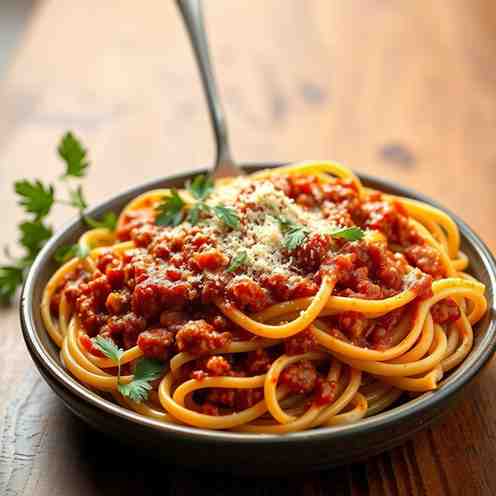
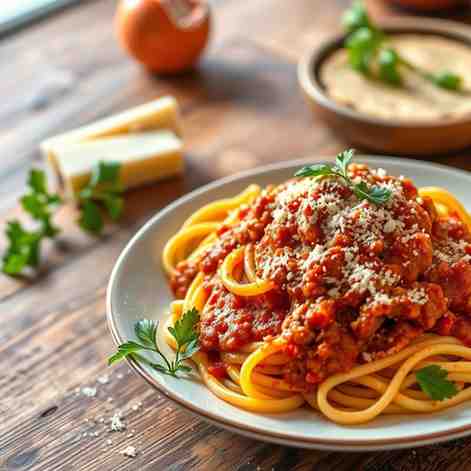
- Serves: 8 People
- Prepare Time: 30 minutes
- Cooking Time: 3 hours
- Calories: -
- Difficulty: Medium
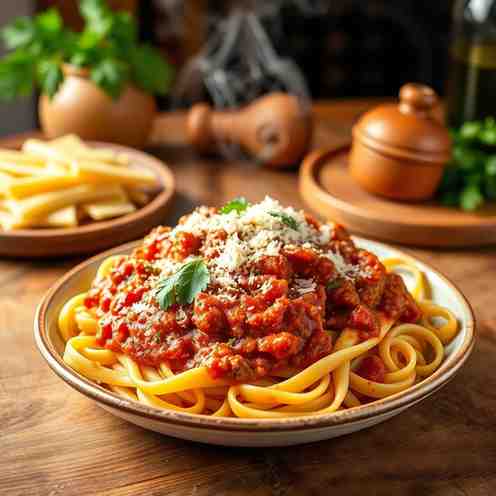
Craving the ultimate comfort food? Look no further than this authentic ragù recipe! There's nothing quite like a rich, slow-simmered traditional ragu sauce recipe coating strands of tender fresh pasta tagliatelle. This isn't just any italian ragu recipe; it's a journey into the heart of Italian culinary tradition, where patience, quality ingredients, and a whole lot of love transform simple components into a masterpiece. Forget those quick fixes; a truly great ragù, the kind that whispers stories of nonnas and Sunday dinners, demands time. But trust us, every minute spent on this homemade italian spaghetti sauce is worth it. Get ready to learn how to create a deeply flavorful, incredibly satisfying meat sauce that will become a staple in your kitchen and a favorite at your table.
Ingredients
Directions
- Prepare and Brown the Meats: In a large, heavy-bottomed pot or Dutch oven, heat 1 tablespoon of olive oil over medium-high heat. Add the ground beef, breaking it up with a spoon. Cook until deeply browned and any liquid has evaporated. This browning step is crucial for developing rich flavor! Remove the beef with a slotted spoon and set aside, leaving any rendered fat in the pot. Repeat the process with the ground pork, adding the remaining 1 tablespoon of olive oil if needed. Once browned, remove the pork and set it aside with the beef.
- Sauté Aromatics and Build Flavor: Reduce the heat to medium. Add the chopped onion, carrots, and celery to the pot. Cook, stirring occasionally, until the vegetables soften and become translucent, about 8-10 minutes. This mixture, known as "soffritto," is the aromatic foundation of your ragù. Add the minced garlic and cook for another minute until fragrant, being careful not to burn it.
- Deglaze and Simmer: Pour in the red wine, scraping up any browned bits from the bottom of the pot with a wooden spoon. Let the wine simmer and reduce by half, about 5-7 minutes. This concentrates its flavor and removes the raw alcohol taste. Return the browned meats to the pot. Stir in the crushed tomatoes, beef broth, milk (if using), bay leaves, and a pinch of nutmeg. Season generously with salt and freshly ground black pepper.
- Slow Simmer for Hours: Bring the sauce to a gentle simmer, then reduce the heat to low, cover the pot partially, and let it cook for at least 2-3 hours, or even up to 4 hours. Stir occasionally to prevent sticking. The longer it simmers, the more the flavors will meld and deepen, and the meat will become incredibly tender.
- Adjust Texture and Taste: As the ragù simmers, it will thicken. If it becomes too thick for your liking, you can add a little water or more broth to reach your desired consistency. Taste the sauce and adjust seasonings as needed. You might want to add a pinch of sugar if your tomatoes are particularly acidic. Remove the bay leaves before serving.
Ragù Recipe - Classic Tagliatelle al Ragù Today
- Serves: 8 People
- Prepare Time: 30 minutes
- Cooking Time: 3 hours
- Calories: -
- Difficulty: Medium
Craving the ultimate comfort food? Look no further than this authentic ragù recipe! There's nothing quite like a rich, slow-simmered traditional ragu sauce recipe coating strands of tender fresh pasta tagliatelle. This isn't just any italian ragu recipe; it's a journey into the heart of Italian culinary tradition, where patience, quality ingredients, and a whole lot of love transform simple components into a masterpiece. Forget those quick fixes; a truly great ragù, the kind that whispers stories of nonnas and Sunday dinners, demands time. But trust us, every minute spent on this homemade italian spaghetti sauce is worth it. Get ready to learn how to create a deeply flavorful, incredibly satisfying meat sauce that will become a staple in your kitchen and a favorite at your table.
Ingredients
Directions
- Prepare and Brown the Meats: In a large, heavy-bottomed pot or Dutch oven, heat 1 tablespoon of olive oil over medium-high heat. Add the ground beef, breaking it up with a spoon. Cook until deeply browned and any liquid has evaporated. This browning step is crucial for developing rich flavor! Remove the beef with a slotted spoon and set aside, leaving any rendered fat in the pot. Repeat the process with the ground pork, adding the remaining 1 tablespoon of olive oil if needed. Once browned, remove the pork and set it aside with the beef.
- Sauté Aromatics and Build Flavor: Reduce the heat to medium. Add the chopped onion, carrots, and celery to the pot. Cook, stirring occasionally, until the vegetables soften and become translucent, about 8-10 minutes. This mixture, known as "soffritto," is the aromatic foundation of your ragù. Add the minced garlic and cook for another minute until fragrant, being careful not to burn it.
- Deglaze and Simmer: Pour in the red wine, scraping up any browned bits from the bottom of the pot with a wooden spoon. Let the wine simmer and reduce by half, about 5-7 minutes. This concentrates its flavor and removes the raw alcohol taste. Return the browned meats to the pot. Stir in the crushed tomatoes, beef broth, milk (if using), bay leaves, and a pinch of nutmeg. Season generously with salt and freshly ground black pepper.
- Slow Simmer for Hours: Bring the sauce to a gentle simmer, then reduce the heat to low, cover the pot partially, and let it cook for at least 2-3 hours, or even up to 4 hours. Stir occasionally to prevent sticking. The longer it simmers, the more the flavors will meld and deepen, and the meat will become incredibly tender.
- Adjust Texture and Taste: As the ragù simmers, it will thicken. If it becomes too thick for your liking, you can add a little water or more broth to reach your desired consistency. Taste the sauce and adjust seasonings as needed. You might want to add a pinch of sugar if your tomatoes are particularly acidic. Remove the bay leaves before serving.
You may also like




Hey there! I’m just someone who seriously loves good food and believes that cooking doesn’t have to be complicated to be amazing. Whether it’s a quick weeknight dinner or a cozy weekend meal, I’m all about sharing easy, tasty recipes that actually work.