
Ragù Napoletano - Slow-Cooked Meat Sauce Recipe
Ragù Napoletano - Slow-Cooked Meat Sauce Recipe
- Serves: 8 People
- Prepare Time: 30 minutes
- Cooking Time: 5 hours
- Calories: -
- Difficulty: Medium
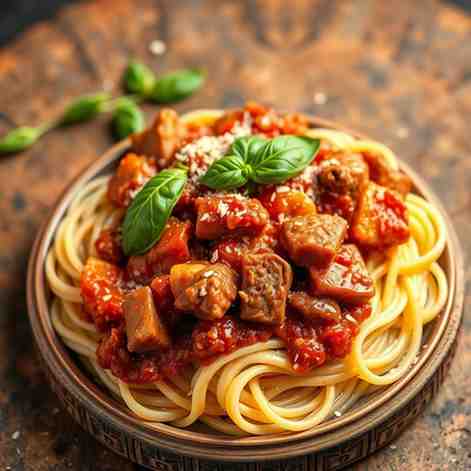
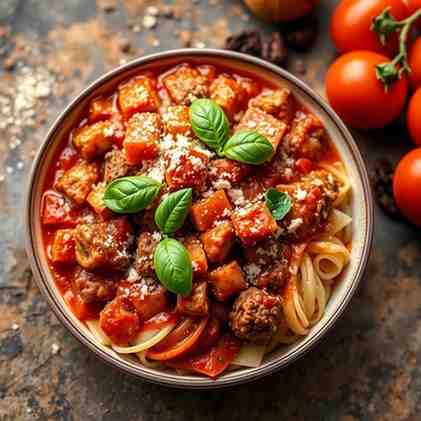
Welcome to the heart of Neapolitan cuisine, where patience truly is a virtue! If you've ever yearned for a deeply flavorful, tender meat sauce that transports you straight to a Sunday dinner in Southern Italy, then you're in the right place. This isn't just any authentic ragu sauce recipe; this is the legendary Ragù Napoletano, or Neapolitan Sunday Ragù – a slow-simmered masterpiece that's unlike any other.
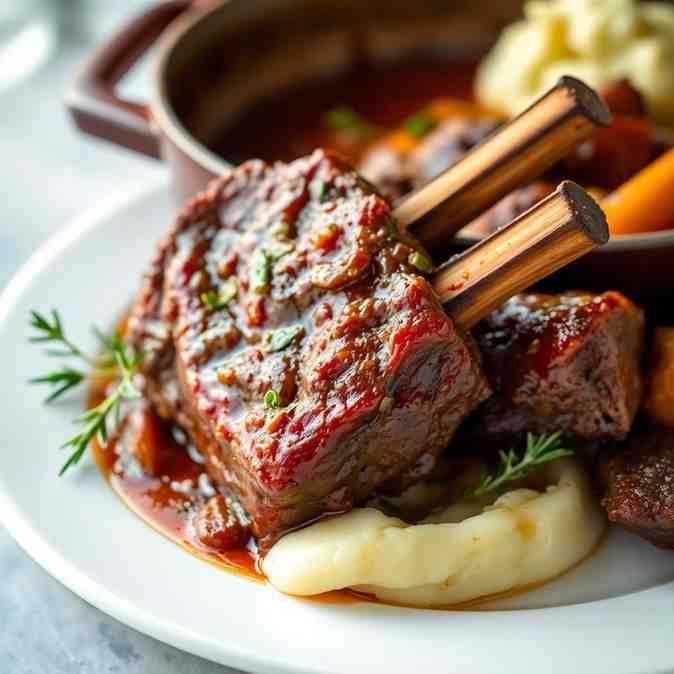
So, what exactly is Ragù Napoletano, and why is it so special? In plain English, it's a rich, slow-cooked meat sauce where large cuts of meat are braised until fall-apart tender in a concentrated tomato base. Unlike its northern cousin, Ragù Bolognese, which often features ground meat and a milk-based richness, our Neapolitan ragù focuses on pork cuts of meat and beef brisket meat cut (or similar larger pieces) that eventually become a "second course" after the pasta. And forget those quick American slow-cooker meat sauces that rely on ground meat and a spice cabinet dump; this traditional ragu recipe is about building unparalleled depth of flavor through time and simple, quality ingredients. What you'll get is a restaurant-level sauce with a glossy sheen, an incredible aroma, and meat so tender it melts in your mouth – perfect for your next homemade pasta sauce recipe endeavor. Get ready to experience the true soul of Italian cooking with this classic ragu sauce!
Ingredients
Directions
- Prep the Meats & Onion:
- Pat all meat pieces thoroughly dry with paper towels. Season generously all over with salt and freshly ground black pepper. Don't be shy – this is your first layer of seasoning!
- Thinly slice or finely chop your onion. Having it ready ensures a smooth cooking process.
- Brown the Meat:
- Heat the olive oil in your heavy-bottom pot or Dutch oven over medium-high heat until shimmering.
- Working in batches to avoid overcrowding, brown the pork ribs, beef chuck, and sausage meatballs on all sides until deeply caramelized. This deep color is crucial for developing a rich, complex flavor in your ragù. Don't rush this step! Remove the browned meats to a plate and set aside.
- Build the Onion Base:
- Reduce the heat to medium-low. Add the thinly sliced or finely chopped onion to the pot, scraping up any browned bits (fond) from the bottom.
- Cook the onion slowly, stirring occasionally, until it's very soft, translucent, and sweet – this can take 10-15 minutes. Avoid browning the onion too much; we want sweetness, not bitterness. If using, stir in the red chili flakes during the last minute of cooking.
- Deglaze with Wine:
- Add the red wine to the pot, scraping the bottom vigorously with a wooden spoon to release any remaining browned bits.
- Increase the heat to medium-high and bring the wine to a simmer. Let it cook, reducing by about half, until the strong alcoholic smell dissipates – usually 3-5 minutes. This concentrates the wine's flavor and adds depth.
- Tomato Goes In:
- Stir in the tomato paste and cook for 1-2 minutes, stirring constantly, until it darkens slightly and becomes fragrant ("blooming" the paste). This step enhances its flavor.
- Add the hand-crushed San Marzano tomatoes, passata, and bay leaves to the pot. Stir well to combine.
- The Long Simmer ("Pippiare" Stage):
- Return all the browned meats (and any accumulated juices) to the pot. Bring the sauce to a gentle simmer.
- Reduce the heat to the lowest possible setting. The sauce should barely "pippiare" – a Neapolitan term meaning to gently "fart" or "sputter," just a tiny bubble breaking the surface every few seconds. This is a very low, slow simmer.
- Partially cover the pot with a lid, leaving a small crack for steam to escape. This allows for slow evaporation, concentrating the flavors.
- Simmer for at least 4-5 hours, or even longer (up to 6 hours), stirring occasionally (every 30-45 minutes) and scraping the bottom to prevent scorching.
- How to judge readiness: The sauce will transform from a bright red to a deep, rich reddish-brown, developing a glossy sheen. It will thicken considerably, and the meat should be incredibly tender, easily shredding with a fork. Taste and adjust salt as needed throughout the simmer.
- Finish & Rest:
- Once the meat is fall-apart tender and the sauce has reached your desired consistency and color, remove the bay leaves.
- Stir in the fresh basil leaves.
- Let the ragù rest off the heat for 20-30 minutes. Even better, let it rest overnight in the fridge and reheat gently the next day – the flavors truly deepen and meld.
- Serve:
- Traditional Serving: Carefully remove the large pieces of meat from the sauce. The rich sauce is then tossed with pasta (see serving guide below), and the tender meat is served separately as a "second course" (secondo).
- Pasta Toss Method: Cook your chosen pasta shape (like paccheri or ziti) according to package directions until al dente. Drain, reserving some pasta water. Add the cooked pasta directly to the sauce (or a portion of the sauce in a separate pan). Toss vigorously, adding a splash or two of pasta water as needed to create a glossy, emulsified sauce that clings beautifully to the pasta.
Ragù Napoletano - Slow-Cooked Meat Sauce Recipe
- Serves: 8 People
- Prepare Time: 30 minutes
- Cooking Time: 5 hours
- Calories: -
- Difficulty: Medium
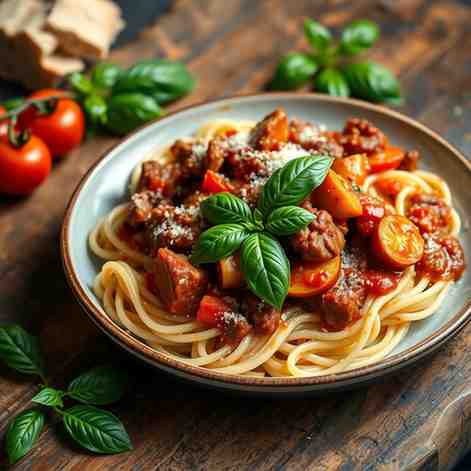
Welcome to the heart of Neapolitan cuisine, where patience truly is a virtue! If you've ever yearned for a deeply flavorful, tender meat sauce that transports you straight to a Sunday dinner in Southern Italy, then you're in the right place. This isn't just any authentic ragu sauce recipe; this is the legendary Ragù Napoletano, or Neapolitan Sunday Ragù – a slow-simmered masterpiece that's unlike any other.
So, what exactly is Ragù Napoletano, and why is it so special? In plain English, it's a rich, slow-cooked meat sauce where large cuts of meat are braised until fall-apart tender in a concentrated tomato base. Unlike its northern cousin, Ragù Bolognese, which often features ground meat and a milk-based richness, our Neapolitan ragù focuses on pork cuts of meat and beef brisket meat cut (or similar larger pieces) that eventually become a "second course" after the pasta. And forget those quick American slow-cooker meat sauces that rely on ground meat and a spice cabinet dump; this traditional ragu recipe is about building unparalleled depth of flavor through time and simple, quality ingredients. What you'll get is a restaurant-level sauce with a glossy sheen, an incredible aroma, and meat so tender it melts in your mouth – perfect for your next homemade pasta sauce recipe endeavor. Get ready to experience the true soul of Italian cooking with this classic ragu sauce!
Ingredients
Directions
- Prep the Meats & Onion:
- Pat all meat pieces thoroughly dry with paper towels. Season generously all over with salt and freshly ground black pepper. Don't be shy – this is your first layer of seasoning!
- Thinly slice or finely chop your onion. Having it ready ensures a smooth cooking process.
- Brown the Meat:
- Heat the olive oil in your heavy-bottom pot or Dutch oven over medium-high heat until shimmering.
- Working in batches to avoid overcrowding, brown the pork ribs, beef chuck, and sausage meatballs on all sides until deeply caramelized. This deep color is crucial for developing a rich, complex flavor in your ragù. Don't rush this step! Remove the browned meats to a plate and set aside.
- Build the Onion Base:
- Reduce the heat to medium-low. Add the thinly sliced or finely chopped onion to the pot, scraping up any browned bits (fond) from the bottom.
- Cook the onion slowly, stirring occasionally, until it's very soft, translucent, and sweet – this can take 10-15 minutes. Avoid browning the onion too much; we want sweetness, not bitterness. If using, stir in the red chili flakes during the last minute of cooking.
- Deglaze with Wine:
- Add the red wine to the pot, scraping the bottom vigorously with a wooden spoon to release any remaining browned bits.
- Increase the heat to medium-high and bring the wine to a simmer. Let it cook, reducing by about half, until the strong alcoholic smell dissipates – usually 3-5 minutes. This concentrates the wine's flavor and adds depth.
- Tomato Goes In:
- Stir in the tomato paste and cook for 1-2 minutes, stirring constantly, until it darkens slightly and becomes fragrant ("blooming" the paste). This step enhances its flavor.
- Add the hand-crushed San Marzano tomatoes, passata, and bay leaves to the pot. Stir well to combine.
- The Long Simmer ("Pippiare" Stage):
- Return all the browned meats (and any accumulated juices) to the pot. Bring the sauce to a gentle simmer.
- Reduce the heat to the lowest possible setting. The sauce should barely "pippiare" – a Neapolitan term meaning to gently "fart" or "sputter," just a tiny bubble breaking the surface every few seconds. This is a very low, slow simmer.
- Partially cover the pot with a lid, leaving a small crack for steam to escape. This allows for slow evaporation, concentrating the flavors.
- Simmer for at least 4-5 hours, or even longer (up to 6 hours), stirring occasionally (every 30-45 minutes) and scraping the bottom to prevent scorching.
- How to judge readiness: The sauce will transform from a bright red to a deep, rich reddish-brown, developing a glossy sheen. It will thicken considerably, and the meat should be incredibly tender, easily shredding with a fork. Taste and adjust salt as needed throughout the simmer.
- Finish & Rest:
- Once the meat is fall-apart tender and the sauce has reached your desired consistency and color, remove the bay leaves.
- Stir in the fresh basil leaves.
- Let the ragù rest off the heat for 20-30 minutes. Even better, let it rest overnight in the fridge and reheat gently the next day – the flavors truly deepen and meld.
- Serve:
- Traditional Serving: Carefully remove the large pieces of meat from the sauce. The rich sauce is then tossed with pasta (see serving guide below), and the tender meat is served separately as a "second course" (secondo).
- Pasta Toss Method: Cook your chosen pasta shape (like paccheri or ziti) according to package directions until al dente. Drain, reserving some pasta water. Add the cooked pasta directly to the sauce (or a portion of the sauce in a separate pan). Toss vigorously, adding a splash or two of pasta water as needed to create a glossy, emulsified sauce that clings beautifully to the pasta.
You may also like


Hey there! I’m just someone who seriously loves good food and believes that cooking doesn’t have to be complicated to be amazing. Whether it’s a quick weeknight dinner or a cozy weekend meal, I’m all about sharing easy, tasty recipes that actually work.



