Masa Harina Tamales Recipe - Salvadoran Style
Masa Harina Tamales Recipe - Salvadoran Style


- Serves: 20 People
- Prepare Time: 2 hours 30
- Cooking Time: 2 hours
- Calories: -
- Difficulty: Medium
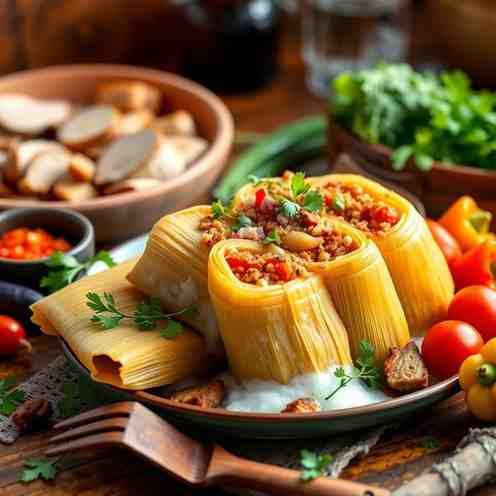
Welcome to the ultimate guide for making authentic Salvadoran tamales! If you've ever dreamt of creating these flavorful, comforting parcels at home, you're in the right place. Unlike their Mexican counterparts often wrapped in corn husks, Salvadoran tamales proudly sport banana leaves for cooking, imparting a unique aroma and incredibly soft texture that truly sets them apart. This isn't just a recipe; it's a journey into a rich culinary tradition.
While making tamales is definitely a project, it's a totally doable and incredibly rewarding weekend adventure. We’ll walk you through every step, from preparing the perfect tamale masa recipe to cooking tamales in a steamer, ensuring your homemade Salvadoran tamales are a delicious success. Get ready to dive into the heart of Salvadoran cooking and discover the magic of masa harina tamales recipe!
Ingredients
Directions
- Prep the Chicken & Make the Broth
- Place chicken in a large pot and cover with water. Add a pinch of salt, a quartered onion, and a couple of garlic cloves. Bring to a boil, then reduce heat and simmer until cooked through, about 20-25 minutes.
- Remove chicken, reserving the broth. Once cool enough to handle, shred the chicken into bite-sized pieces. Set aside. You'll need about 3-4 cups of this broth for the sauce and masa.
- Prepare the Banana Leaves
- If using frozen banana leaves, thaw them completely.
- Unroll and gently wipe each leaf clean with a damp cloth.
- Carefully pass each leaf over an open flame (or dip in very hot water) for a few seconds until pliable and slightly shiny. This makes them less prone to tearing.
- Cut the leaves into roughly 8x8 to 10x10 inch squares, removing any tough ribs. You'll need about 25-30 pieces. If leaves are small or tear, plan to use a double-leaf method during assembly.
- Make the Tomato-Based Sauce (Recaudo)
- In a blender, combine chopped tomatoes, ½ onion, garlic, bell pepper, and ½ cup of the reserved chicken broth. Blend until smooth.
- Heat 2 tbsp olive oil in a medium saucepan over medium heat. Pour in the blended sauce.
- Add achiote paste, sugar, and salt to taste. Bring to a simmer and cook for 10-15 minutes, stirring occasionally, until the sauce thickens and deepens in color. Set aside.
- Cook the Chicken Filling & Combine
- Heat 1 tbsp olive oil in a large skillet or pot over medium heat. Add diced onion, green bell pepper, and carrots. Sauté for 5-7 minutes until softened.
- Add the shredded chicken, peas, potatoes (if using), cumin, and oregano. Stir well.
- Pour in about 1 cup of the tomato-based sauce (recaudo) and stir to combine. You want the filling to be moist but not soupy. Reserve any extra sauce for serving.
- Cook for another 5-10 minutes, allowing flavors to meld. Taste and adjust seasoning.
- Remove from heat and let the filling cool completely. This is crucial for easier assembly.
- Prepare the Tamale Masa Dough
- In a very large bowl or stand mixer with a paddle attachment, beat the softened lard or shortening until light and fluffy, about 3-5 minutes. This incorporates air, making the masa light.
- In a separate bowl, whisk together the masa harina, baking powder, salt, sugar, and optional cumin.
- Gradually add the masa harina mixture to the beaten fat, alternating with the warm chicken broth (and dissolved achiote paste, if using). Mix until fully combined and a soft, pliable dough forms.
- Masa Texture Checkpoints:
- Float Test: Drop a small ½ tsp ball of masa into a glass of cold water. If it floats, your masa is light enough! If it sinks, beat in a little more broth or fat and try again.
- Spread Test: Take a spoonful of masa and spread it thinly on a banana leaf. It should spread easily without crumbling or being too sticky.
- Taste Test: The masa should be well-seasoned, not bland. Adjust salt if needed.
- Cover the masa with a damp cloth or plastic wrap to prevent it from drying out while you assemble.
- Assemble and Wrap the Tamales
- Set up an assembly line: masa bowl, filling pot, leaf station, and your steamer pot.
- Lay a prepared banana leaf square flat. Spread about ¼ cup of masa dough evenly over the center of the leaf, forming a rectangle (about 3x4 inches). Don't spread too thin at the edges.
- Place 1-2 tablespoons of the cooled chicken filling in the center of the masa.
- Folding Method:
- Bring one long side of the banana leaf over the filling and masa to meet the other side, forming a log.
- Gently press to seal the masa around the filling.
- Fold one short end of the leaf up towards the center.
- Then, fold the other short end over, creating a neat, rectangular parcel.
- The tamales should be tightly wrapped but not overly compressed. If a leaf splits, simply wrap a second leaf around the first.
- Repeat with remaining masa and filling.
- Steam the Tamales
- Place a steamer basket or a rack in a large pot or tamalera/vaporera. Fill the pot with water up to just below the steamer basket/rack.
- Arrange the wrapped tamales upright (or flat, if space requires) in the steamer, leaving a little space between them for steam to circulate. Don't pack too tightly.
- Cover the pot with a tight-fitting lid. If your lid isn't snug, you can place a damp kitchen towel under it.
- Bring the water to a boil, then reduce heat to a steady simmer.
- Steam time range: Steam for 1.5 to 2 hours.Water management checklist: Keep an eye on the water level! Listen for the pot – if you stop hearing bubbling, the water might be low. Carefully add more boiling water as needed, pouring it down the side of the pot (not directly over the tamales).How to Tell When Tamales Are Done
- After 1.5 hours, carefully remove one tamale. Let it cool for 5-10 minutes.
- The masa should be firm, easily separate from the banana leaf, and not feel sticky or raw. If it's still soft or gummy, continue steaming and check again in 20-30 minutes.
- Once done, turn off the heat and let the remaining tamales rest in the covered steamer for at least 15-20 minutes. This resting time helps the masa set even further.
Masa Harina Tamales Recipe - Salvadoran Style
- Serves: 20 People
- Prepare Time: 2 hours 30
- Cooking Time: 2 hours
- Calories: -
- Difficulty: Medium
Welcome to the ultimate guide for making authentic Salvadoran tamales! If you've ever dreamt of creating these flavorful, comforting parcels at home, you're in the right place. Unlike their Mexican counterparts often wrapped in corn husks, Salvadoran tamales proudly sport banana leaves for cooking, imparting a unique aroma and incredibly soft texture that truly sets them apart. This isn't just a recipe; it's a journey into a rich culinary tradition.
While making tamales is definitely a project, it's a totally doable and incredibly rewarding weekend adventure. We’ll walk you through every step, from preparing the perfect tamale masa recipe to cooking tamales in a steamer, ensuring your homemade Salvadoran tamales are a delicious success. Get ready to dive into the heart of Salvadoran cooking and discover the magic of masa harina tamales recipe!
Ingredients
Directions
- Prep the Chicken & Make the Broth
- Place chicken in a large pot and cover with water. Add a pinch of salt, a quartered onion, and a couple of garlic cloves. Bring to a boil, then reduce heat and simmer until cooked through, about 20-25 minutes.
- Remove chicken, reserving the broth. Once cool enough to handle, shred the chicken into bite-sized pieces. Set aside. You'll need about 3-4 cups of this broth for the sauce and masa.
- Prepare the Banana Leaves
- If using frozen banana leaves, thaw them completely.
- Unroll and gently wipe each leaf clean with a damp cloth.
- Carefully pass each leaf over an open flame (or dip in very hot water) for a few seconds until pliable and slightly shiny. This makes them less prone to tearing.
- Cut the leaves into roughly 8x8 to 10x10 inch squares, removing any tough ribs. You'll need about 25-30 pieces. If leaves are small or tear, plan to use a double-leaf method during assembly.
- Make the Tomato-Based Sauce (Recaudo)
- In a blender, combine chopped tomatoes, ½ onion, garlic, bell pepper, and ½ cup of the reserved chicken broth. Blend until smooth.
- Heat 2 tbsp olive oil in a medium saucepan over medium heat. Pour in the blended sauce.
- Add achiote paste, sugar, and salt to taste. Bring to a simmer and cook for 10-15 minutes, stirring occasionally, until the sauce thickens and deepens in color. Set aside.
- Cook the Chicken Filling & Combine
- Heat 1 tbsp olive oil in a large skillet or pot over medium heat. Add diced onion, green bell pepper, and carrots. Sauté for 5-7 minutes until softened.
- Add the shredded chicken, peas, potatoes (if using), cumin, and oregano. Stir well.
- Pour in about 1 cup of the tomato-based sauce (recaudo) and stir to combine. You want the filling to be moist but not soupy. Reserve any extra sauce for serving.
- Cook for another 5-10 minutes, allowing flavors to meld. Taste and adjust seasoning.
- Remove from heat and let the filling cool completely. This is crucial for easier assembly.
- Prepare the Tamale Masa Dough
- In a very large bowl or stand mixer with a paddle attachment, beat the softened lard or shortening until light and fluffy, about 3-5 minutes. This incorporates air, making the masa light.
- In a separate bowl, whisk together the masa harina, baking powder, salt, sugar, and optional cumin.
- Gradually add the masa harina mixture to the beaten fat, alternating with the warm chicken broth (and dissolved achiote paste, if using). Mix until fully combined and a soft, pliable dough forms.
- Masa Texture Checkpoints:
- Float Test: Drop a small ½ tsp ball of masa into a glass of cold water. If it floats, your masa is light enough! If it sinks, beat in a little more broth or fat and try again.
- Spread Test: Take a spoonful of masa and spread it thinly on a banana leaf. It should spread easily without crumbling or being too sticky.
- Taste Test: The masa should be well-seasoned, not bland. Adjust salt if needed.
- Cover the masa with a damp cloth or plastic wrap to prevent it from drying out while you assemble.
- Assemble and Wrap the Tamales
- Set up an assembly line: masa bowl, filling pot, leaf station, and your steamer pot.
- Lay a prepared banana leaf square flat. Spread about ¼ cup of masa dough evenly over the center of the leaf, forming a rectangle (about 3x4 inches). Don't spread too thin at the edges.
- Place 1-2 tablespoons of the cooled chicken filling in the center of the masa.
- Folding Method:
- Bring one long side of the banana leaf over the filling and masa to meet the other side, forming a log.
- Gently press to seal the masa around the filling.
- Fold one short end of the leaf up towards the center.
- Then, fold the other short end over, creating a neat, rectangular parcel.
- The tamales should be tightly wrapped but not overly compressed. If a leaf splits, simply wrap a second leaf around the first.
- Repeat with remaining masa and filling.
- Steam the Tamales
- Place a steamer basket or a rack in a large pot or tamalera/vaporera. Fill the pot with water up to just below the steamer basket/rack.
- Arrange the wrapped tamales upright (or flat, if space requires) in the steamer, leaving a little space between them for steam to circulate. Don't pack too tightly.
- Cover the pot with a tight-fitting lid. If your lid isn't snug, you can place a damp kitchen towel under it.
- Bring the water to a boil, then reduce heat to a steady simmer.
- Steam time range: Steam for 1.5 to 2 hours.Water management checklist: Keep an eye on the water level! Listen for the pot – if you stop hearing bubbling, the water might be low. Carefully add more boiling water as needed, pouring it down the side of the pot (not directly over the tamales).How to Tell When Tamales Are Done
- After 1.5 hours, carefully remove one tamale. Let it cool for 5-10 minutes.
- The masa should be firm, easily separate from the banana leaf, and not feel sticky or raw. If it's still soft or gummy, continue steaming and check again in 20-30 minutes.
- Once done, turn off the heat and let the remaining tamales rest in the covered steamer for at least 15-20 minutes. This resting time helps the masa set even further.
You may also like


Hey there! I’m just someone who seriously loves good food and believes that cooking doesn’t have to be complicated to be amazing. Whether it’s a quick weeknight dinner or a cozy weekend meal, I’m all about sharing easy, tasty recipes that actually work.