
Mapo Tofu - Spicy Chinese Home Cooking
Mapo Tofu - Spicy Chinese Home Cooking
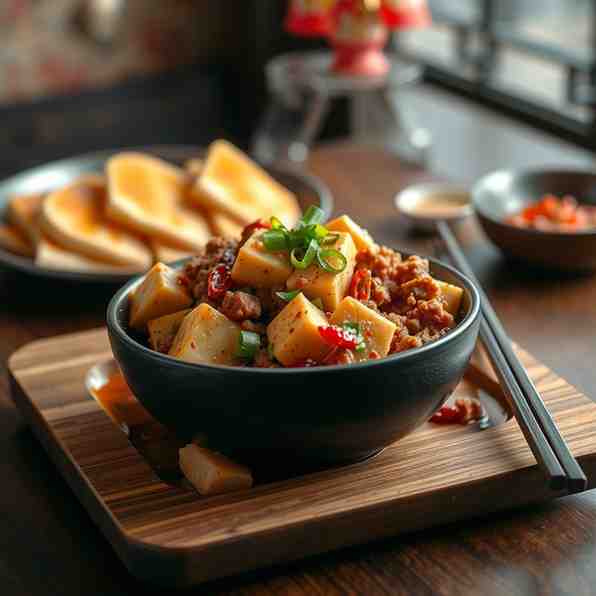
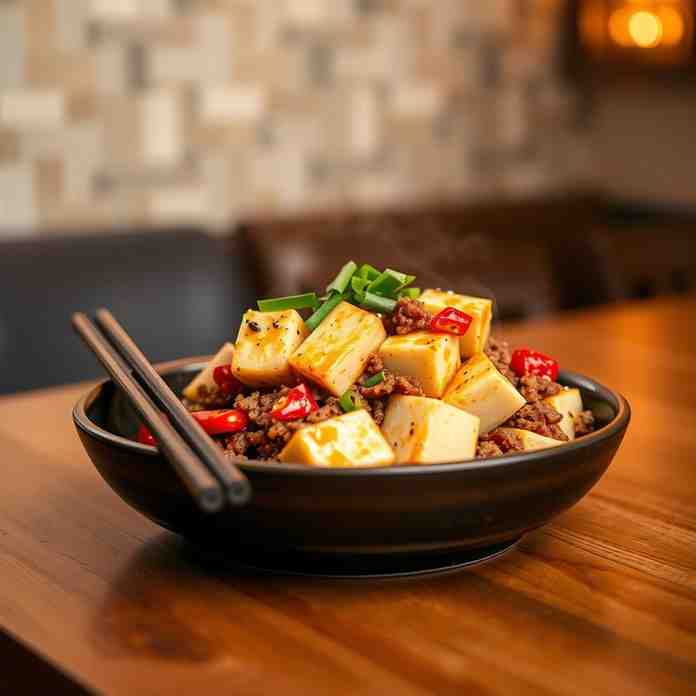
- Serves: 4 People
- Prepare Time: 20 minutes
- Cooking Time: 25 minutes
- Calories: -
- Difficulty: Easy
Ready to dive into one of China's most iconic and mouth-watering dishes? If you’ve ever craved that unique spicy, numbing sensation known as "mala" from Sichuan cuisine, you’re in the right place! This guide is your definitive blueprint for making authentic Sichuan Mapo Tofu right in your own kitchen. Forget bland takeout; we're talking about a rich, savory, and electrifyingly flavorful dish that will transport your taste buds straight to Chengdu.
We know you're looking for the real deal – a classic Chinese home cooking recipe that's both deeply traditional and totally achievable for any home cook. This isn't just another recipe; it’s a journey into understanding the heart of Mapo Tofu, from choosing the best tofu recipes (yes, firm tofu recipes are fantastic here!) to mastering those essential Sichuan flavors. Whether you're a seasoned chef or just starting your asian cooking recipes adventure, we'll walk you through every step. You'll learn how to perfectly balance the heat and numbing spice, discover simple vegetarian and vegan mapo tofu variations, and find out why this dish is a beloved staple in best Chinese dishes. Get ready to transform humble tofu into a culinary masterpiece that’s weeknight-friendly and utterly delicious!
Ingredients
Directions
- Prep the Tofu & Aromatics:
- Drain and Cube Tofu: Gently press the block of firm or medium-firm tofu to remove excess water. Cut it into even 3/4-inch cubes. If you're using silken tofu, cut slightly larger cubes and handle with extreme care.
- Optional Blanching: For beginners or extra delicate tofu, you can quickly blanch the tofu cubes in lightly salted boiling water for 1-2 minutes. This helps firm them up and prevents them from breaking easily, while also allowing them to absorb the sauce better. Gently remove with a slotted spoon and set aside.
- Mince & Slice: Mince your garlic and ginger. Slice the white parts of the scallions for cooking and reserve the green parts for garnish. Measure out your Doubanjiang, douchi (if using), and whole Sichuan peppercorns.
- Toast and Grind Sichuan Peppercorns:
- Dry Toast: Heat a small, dry skillet or wok over medium-low heat. Add the whole Sichuan peppercorns and toast for 1-2 minutes until fragrant and slightly smoky. Be careful not to burn them.
- Grind: Transfer the toasted peppercorns to a mortar and pestle or a spice grinder. Grind them into a coarse powder. Reserve about 1/4 teaspoon for garnish later.
- Build the Chili Oil Base (Optional, for Extra Fragrance):
- If using dried or fresh chilies, gently heat 1 tablespoon of neutral oil in your wok or large skillet over low heat. Add the chilies and cook for 1-2 minutes until fragrant, infusing the oil without burning them. Remove the chilies if you don’t want them in the final dish.
- Brown the Pork and Bloom the Doubanjiang:
- Cook Pork: Increase the heat to medium-high. Add the ground pork (or plant-based mince) to the wok and break it apart. Fry, stirring occasionally, until it's lightly crispy and browned. Drain off any excess fat, leaving just a thin layer.
- Add Aromatics: Push the pork to one side of the wok. Add the minced garlic, ginger, and white parts of the scallions to the cleared space. Cook for about 30 seconds until fragrant.
- Bloom Doubanjiang: Stir in the Doubanjiang and douchi (if using). Cook for 1-2 minutes, stirring constantly, until the oil in the wok turns a deep, vibrant red and the paste smells wonderfully aromatic. This step is crucial for developing the rich flavor.
- Make the Sauce and Simmer the Tofu:
- Deglaze & Simmer: Pour in the chicken or vegetable stock, light soy sauce, and Shaoxing wine. Bring the mixture to a gentle simmer.
- Add Peppercorns: Stir in the majority of your freshly ground Sichuan peppercorns. Taste the sauce and adjust for heat and saltiness if needed (you can add a pinch more Doubanjiang for spice, or a splash more stock if too salty).
- Add Tofu: Carefully slip the tofu cubes into the simmering sauce. Gently nudge them with your spatula to coat them in the sauce, but avoid aggressive stirring that could break them apart. Let it simmer for 3-5 minutes, allowing the tofu to absorb the flavors.
- Thicken, Finish, and Serve:
- Thicken Sauce: Give your cornstarch slurry a quick stir to ensure it's well mixed. Slowly pour it into the simmering sauce, stirring gently, until the sauce thickens to a glossy consistency that clings beautifully to the tofu. You might not need all of it; add gradually until desired thickness.
- Finish Flavors: Remove from heat. Stir in the chili oil for extra aroma and a touch of sugar if the sauce needs balancing. Garnish with the reserved green scallion slices and a final sprinkle of freshly ground Sichuan peppercorns.
- Serve: Serve your authentic Mapo Tofu immediately over steaming hot white rice. Enjoy the incredible "mala" sensation!
Mapo Tofu - Spicy Chinese Home Cooking
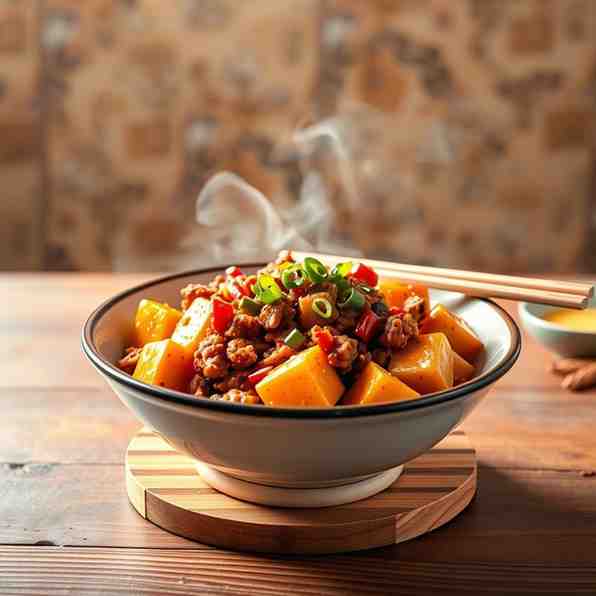
- Serves: 4 People
- Prepare Time: 20 minutes
- Cooking Time: 25 minutes
- Calories: -
- Difficulty: Easy
Ready to dive into one of China's most iconic and mouth-watering dishes? If you’ve ever craved that unique spicy, numbing sensation known as "mala" from Sichuan cuisine, you’re in the right place! This guide is your definitive blueprint for making authentic Sichuan Mapo Tofu right in your own kitchen. Forget bland takeout; we're talking about a rich, savory, and electrifyingly flavorful dish that will transport your taste buds straight to Chengdu.
We know you're looking for the real deal – a classic Chinese home cooking recipe that's both deeply traditional and totally achievable for any home cook. This isn't just another recipe; it’s a journey into understanding the heart of Mapo Tofu, from choosing the best tofu recipes (yes, firm tofu recipes are fantastic here!) to mastering those essential Sichuan flavors. Whether you're a seasoned chef or just starting your asian cooking recipes adventure, we'll walk you through every step. You'll learn how to perfectly balance the heat and numbing spice, discover simple vegetarian and vegan mapo tofu variations, and find out why this dish is a beloved staple in best Chinese dishes. Get ready to transform humble tofu into a culinary masterpiece that’s weeknight-friendly and utterly delicious!
Ingredients
Directions
- Prep the Tofu & Aromatics:
- Drain and Cube Tofu: Gently press the block of firm or medium-firm tofu to remove excess water. Cut it into even 3/4-inch cubes. If you're using silken tofu, cut slightly larger cubes and handle with extreme care.
- Optional Blanching: For beginners or extra delicate tofu, you can quickly blanch the tofu cubes in lightly salted boiling water for 1-2 minutes. This helps firm them up and prevents them from breaking easily, while also allowing them to absorb the sauce better. Gently remove with a slotted spoon and set aside.
- Mince & Slice: Mince your garlic and ginger. Slice the white parts of the scallions for cooking and reserve the green parts for garnish. Measure out your Doubanjiang, douchi (if using), and whole Sichuan peppercorns.
- Toast and Grind Sichuan Peppercorns:
- Dry Toast: Heat a small, dry skillet or wok over medium-low heat. Add the whole Sichuan peppercorns and toast for 1-2 minutes until fragrant and slightly smoky. Be careful not to burn them.
- Grind: Transfer the toasted peppercorns to a mortar and pestle or a spice grinder. Grind them into a coarse powder. Reserve about 1/4 teaspoon for garnish later.
- Build the Chili Oil Base (Optional, for Extra Fragrance):
- If using dried or fresh chilies, gently heat 1 tablespoon of neutral oil in your wok or large skillet over low heat. Add the chilies and cook for 1-2 minutes until fragrant, infusing the oil without burning them. Remove the chilies if you don’t want them in the final dish.
- Brown the Pork and Bloom the Doubanjiang:
- Cook Pork: Increase the heat to medium-high. Add the ground pork (or plant-based mince) to the wok and break it apart. Fry, stirring occasionally, until it's lightly crispy and browned. Drain off any excess fat, leaving just a thin layer.
- Add Aromatics: Push the pork to one side of the wok. Add the minced garlic, ginger, and white parts of the scallions to the cleared space. Cook for about 30 seconds until fragrant.
- Bloom Doubanjiang: Stir in the Doubanjiang and douchi (if using). Cook for 1-2 minutes, stirring constantly, until the oil in the wok turns a deep, vibrant red and the paste smells wonderfully aromatic. This step is crucial for developing the rich flavor.
- Make the Sauce and Simmer the Tofu:
- Deglaze & Simmer: Pour in the chicken or vegetable stock, light soy sauce, and Shaoxing wine. Bring the mixture to a gentle simmer.
- Add Peppercorns: Stir in the majority of your freshly ground Sichuan peppercorns. Taste the sauce and adjust for heat and saltiness if needed (you can add a pinch more Doubanjiang for spice, or a splash more stock if too salty).
- Add Tofu: Carefully slip the tofu cubes into the simmering sauce. Gently nudge them with your spatula to coat them in the sauce, but avoid aggressive stirring that could break them apart. Let it simmer for 3-5 minutes, allowing the tofu to absorb the flavors.
- Thicken, Finish, and Serve:
- Thicken Sauce: Give your cornstarch slurry a quick stir to ensure it's well mixed. Slowly pour it into the simmering sauce, stirring gently, until the sauce thickens to a glossy consistency that clings beautifully to the tofu. You might not need all of it; add gradually until desired thickness.
- Finish Flavors: Remove from heat. Stir in the chili oil for extra aroma and a touch of sugar if the sauce needs balancing. Garnish with the reserved green scallion slices and a final sprinkle of freshly ground Sichuan peppercorns.
- Serve: Serve your authentic Mapo Tofu immediately over steaming hot white rice. Enjoy the incredible "mala" sensation!
You may also like

Hey there! I’m just someone who seriously loves good food and believes that cooking doesn’t have to be complicated to be amazing. Whether it’s a quick weeknight dinner or a cozy weekend meal, I’m all about sharing easy, tasty recipes that actually work.