
Sundubu-jjigae - Easy Recipes Using Soft Tofu
Sundubu-jjigae - Easy Recipes Using Soft Tofu
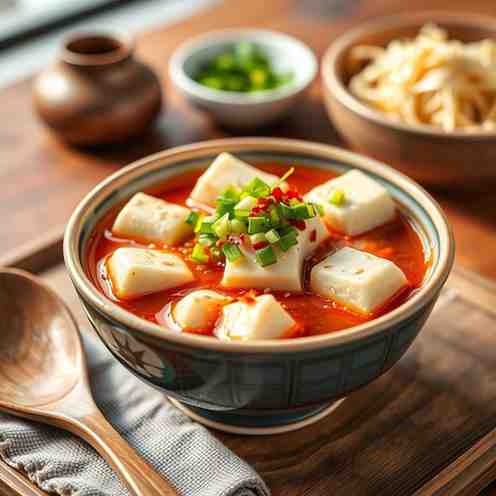
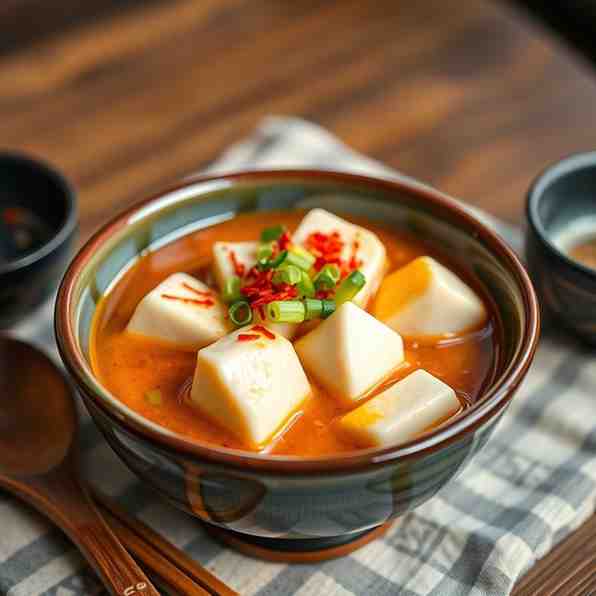
- Serves: 2 People
- Prepare Time: 20 minutes
- Cooking Time: 20 minutes
- Calories: -
- Difficulty: Easy
Craving a bowl of soul-warming, spicy goodness? Look no further than Sundubu-jjigae, the beloved Korean soft tofu stew that’s a staple in homes and restaurants alike. This vibrant dish is celebrated for its rich, savory broth, tender seafood (or meat), and incredibly silky, uncurdled soft tofu that practically melts in your mouth. If you’re searching for recipes using soft tofu that deliver authentic flavor with US-friendly steps, you've found it! Our definitive guide will show you how to recreate this popular Korean meal right in your kitchen, ensuring that signature "served bubbling hot" experience every single time.
What makes it authentic: Traditional anchovy-kelp stock, gochugaru, and the perfect soft tofu texture, finished with an egg.
Ingredients
Directions
- Bloom the Chili Base (Don’t Burn It): In a small saucepan or ttukbaegi (Korean stone bowl) over medium heat, add the neutral oil. Once shimmering, add the gochugaru and minced garlic. Sauté for 30-60 seconds, stirring constantly. The mixture should become fragrant and turn a deeper red, but be careful not to burn the garlic or chili powder, which can make it bitter. It should smell toasted and spicy.
- Build the Broth: Pour in the anchovy-kelp stock. Bring the mixture to a lively simmer, stirring to combine the chili base evenly into the liquid.
- Cook Seafood in the Right Order: Add the cleaned clams to the simmering broth first. Let them cook for 2-3 minutes until they begin to open. Then, add the shrimp. Cook for another 2-3 minutes, or until the shrimp turn pink and opaque. Overcooking will make them rubbery, so keep an eye on them!
- Add Soft Tofu Gently: Carefully open the tube of soft tofu. You can either slide the entire block into the stew and then use a spoon to gently break it into large, rustic chunks, or scoop it in with a ladle. The key is to handle it gently to avoid breaking it up too much – we want those beautiful, silky curds. Add the sliced mushrooms and the chopped white/light green parts of the green onion.
- Season & Finish: Stir in the fish sauce (or soy sauce). Taste the stew and adjust with a pinch of salt and black pepper if needed. The broth should be savory and well-balanced. Drizzle in the sesame oil just before serving for an extra layer of nutty aroma.
- Egg Finish (Optional but Classic): If using, crack the egg directly into the simmering stew. You can stir it gently to create wisps of egg, or leave it undisturbed to poach slightly, allowing the yolk to remain runny for a rich addition when broken. Cook for 1-2 minutes to your preference.
- Serve Immediately: Garnish with the reserved green onion tops. Serve the Sundubu-jjigae immediately, ideally in individual bowls, while it’s still piping hot and bubbling.
- Notes
- Stock Substitution Ladder: While anchovy-kelp stock offers the most authentic depth, you can substitute with good quality vegetable stock for a vegetarian option, or chicken broth in a pinch.
- Gochugaru Heat: If your gochugaru is very hot, start with 1.5 tablespoons and add more to taste.
- Frozen Seafood: If using frozen shrimp or clams, thaw them thoroughly and pat them dry before adding to the stew to prevent excess water from diluting the flavor.
Sundubu-jjigae - Easy Recipes Using Soft Tofu
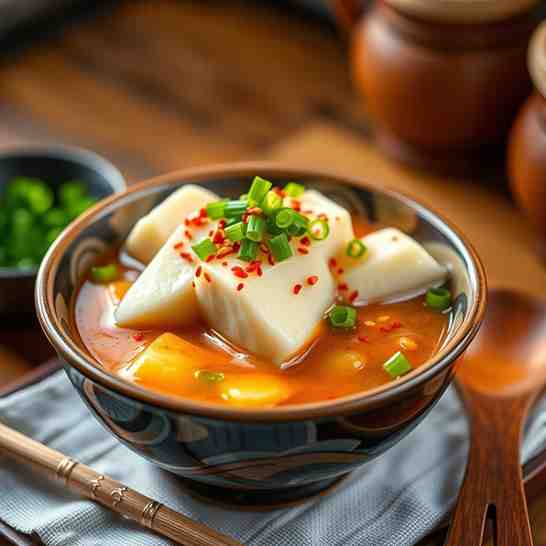
- Serves: 2 People
- Prepare Time: 20 minutes
- Cooking Time: 20 minutes
- Calories: -
- Difficulty: Easy
Craving a bowl of soul-warming, spicy goodness? Look no further than Sundubu-jjigae, the beloved Korean soft tofu stew that’s a staple in homes and restaurants alike. This vibrant dish is celebrated for its rich, savory broth, tender seafood (or meat), and incredibly silky, uncurdled soft tofu that practically melts in your mouth. If you’re searching for recipes using soft tofu that deliver authentic flavor with US-friendly steps, you've found it! Our definitive guide will show you how to recreate this popular Korean meal right in your kitchen, ensuring that signature "served bubbling hot" experience every single time.
What makes it authentic: Traditional anchovy-kelp stock, gochugaru, and the perfect soft tofu texture, finished with an egg.
Ingredients
Directions
- Bloom the Chili Base (Don’t Burn It): In a small saucepan or ttukbaegi (Korean stone bowl) over medium heat, add the neutral oil. Once shimmering, add the gochugaru and minced garlic. Sauté for 30-60 seconds, stirring constantly. The mixture should become fragrant and turn a deeper red, but be careful not to burn the garlic or chili powder, which can make it bitter. It should smell toasted and spicy.
- Build the Broth: Pour in the anchovy-kelp stock. Bring the mixture to a lively simmer, stirring to combine the chili base evenly into the liquid.
- Cook Seafood in the Right Order: Add the cleaned clams to the simmering broth first. Let them cook for 2-3 minutes until they begin to open. Then, add the shrimp. Cook for another 2-3 minutes, or until the shrimp turn pink and opaque. Overcooking will make them rubbery, so keep an eye on them!
- Add Soft Tofu Gently: Carefully open the tube of soft tofu. You can either slide the entire block into the stew and then use a spoon to gently break it into large, rustic chunks, or scoop it in with a ladle. The key is to handle it gently to avoid breaking it up too much – we want those beautiful, silky curds. Add the sliced mushrooms and the chopped white/light green parts of the green onion.
- Season & Finish: Stir in the fish sauce (or soy sauce). Taste the stew and adjust with a pinch of salt and black pepper if needed. The broth should be savory and well-balanced. Drizzle in the sesame oil just before serving for an extra layer of nutty aroma.
- Egg Finish (Optional but Classic): If using, crack the egg directly into the simmering stew. You can stir it gently to create wisps of egg, or leave it undisturbed to poach slightly, allowing the yolk to remain runny for a rich addition when broken. Cook for 1-2 minutes to your preference.
- Serve Immediately: Garnish with the reserved green onion tops. Serve the Sundubu-jjigae immediately, ideally in individual bowls, while it’s still piping hot and bubbling.
- Notes
- Stock Substitution Ladder: While anchovy-kelp stock offers the most authentic depth, you can substitute with good quality vegetable stock for a vegetarian option, or chicken broth in a pinch.
- Gochugaru Heat: If your gochugaru is very hot, start with 1.5 tablespoons and add more to taste.
- Frozen Seafood: If using frozen shrimp or clams, thaw them thoroughly and pat them dry before adding to the stew to prevent excess water from diluting the flavor.
You may also like



Hey there! I’m just someone who seriously loves good food and believes that cooking doesn’t have to be complicated to be amazing. Whether it’s a quick weeknight dinner or a cozy weekend meal, I’m all about sharing easy, tasty recipes that actually work.



