
Baghali Polo - Easy Persian Dill & Fava Bean Rice
Baghali Polo - Easy Persian Dill & Fava Bean Rice
- Serves: 6 People
- Prepare Time: 25 minutes
- Cooking Time: 60 minutes
- Calories: -
- Difficulty: Medium
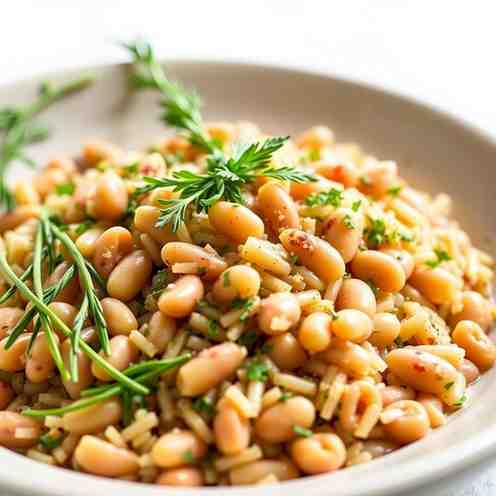
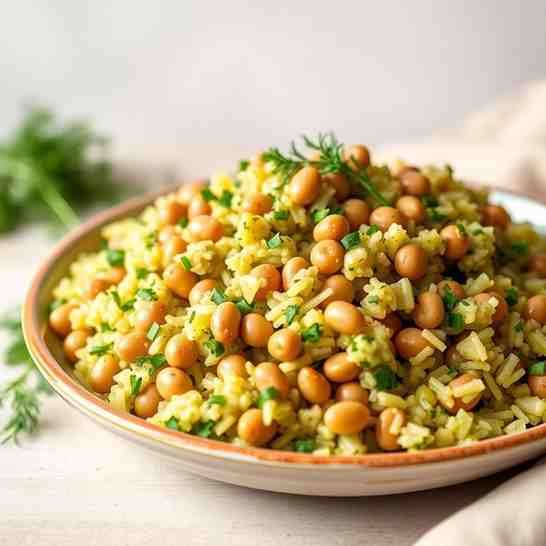
Welcome to the heart of Persian cuisine, where simple ingredients transform into culinary masterpieces! Today, we're diving into Baghali Polo, a truly special `persian food recipe` that’s much more than just rice. Imagine perfectly fluffy, long-grain basmati infused with the vibrant freshness of dill, tender fava beans, and the subtle, golden warmth of saffron, all crowned with a magnificent, crispy tahdig crust. This `persian dish recipe` isn't just a meal; it's an experience, a celebration of flavors and textures that will transport you straight to a bustling Iranian kitchen. Whether you're a seasoned chef looking to expand your `persian cuisine recipes` repertoire or a curious beginner eager to try `persian recipes easy` to follow, our guide will help you create a show-stopping rice dish that's both authentic and achievable right in your own home. Get ready to impress with this fragrant, flavorful, and unforgettable classic!
Ingredients
Directions
- Rinse & Soak the Rice: Place the `basmati rice long` in a fine mesh strainer and rinse under cold running water. Agitate the rice with your fingers until the water runs mostly clear. This removes excess starch, which is key to fluffy, separate grains. Transfer the rinsed rice to a large bowl, cover with at least 4-5 cups of warm water, and add 2 tablespoons of coarse salt. Let it soak for a minimum of 2 hours, or up to 4 hours. This pre-hydrates the grains, preventing them from breaking during cooking.
- Bloom the Saffron: While the rice soaks, gently crush the `saffron` threads in a mortar and pestle or between two spoons. Transfer to a small cup and pour 2 tablespoons of hot (not boiling) water over them. Let it steep for at least 15-20 minutes. This process, called "blooming," releases the saffron's vibrant color and aroma.
- Prep Dill & Fava Beans:
- Dill: If using `fresh dill weed`, trim off any thick stems and finely chop the feathery fronds.
- Fava Beans: If using fresh fava beans, shell them from their pods, then blanch in boiling water for 1-2 minutes, drain, and peel off the tough outer skins. If using `frozen fava beans`, simply thaw them. If using `dried broad beans`, they should be pre-soaked overnight and cooked until tender but firm.
- Parboil to Al Dente: Drain the soaked rice and discard the soaking water. Bring a large pot (at least 6-quart capacity) of unsalted water to a rolling boil. Add 2 tablespoons of coarse salt to the boiling water (this seasons the rice and helps it cook evenly). Carefully add the drained rice and boil vigorously for 5-8 minutes. The exact timing depends on your rice type. You're looking for the rice to be al dente – tender on the outside but still firm with a slight bite in the center. Taste a grain to check.
- Drain Well: Immediately drain the parboiled rice into a fine mesh strainer. Rinse it quickly with a little cool water to stop the cooking process and wash off excess starch. Let it drain thoroughly for at least 5 minutes – good drainage is crucial to prevent mushy rice.
- Build the Pot & Set Up Tahdig: Choose a heavy-bottom pot with a tight-fitting lid (a non-stick pot works best for tahdig). Pour 1/4 cup of `olive oil for cooking` into the bottom of the pot. If your lid isn't tight, you'll need a clean kitchen towel later. Spread a thin, even layer of about 1 cup of parboiled rice over the oil at the bottom of the pot. For an extra special saffron-tinted tahdig, drizzle 1-2 tablespoons of the bloomed saffron mixture over this base layer.
- Layer Rice, Dill & Beans: Gently layer the remaining rice, chopped dill, and fava beans into the pot. Start with a layer of rice, then sprinkle some dill and fava beans, then another layer of rice, and so on. Try to distribute the dill and beans evenly throughout the rice layers, making sure not to pack it down, which would prevent fluffiness. Form the rice into a gentle mound or pyramid shape.
- Steam Setup: Use the handle of a wooden spoon or a chopstick to poke several holes through the rice mound down to the bottom of the pot. These "steam vents" allow steam to circulate, ensuring even cooking. Drizzle the remaining bloomed saffron mixture (if any) and 1/4 cup of water over the rice.
- Steam Until Fluffy & Tahdig Forms: Cover the pot with the lid. If your lid isn't super tight, wrap it in a clean kitchen towel (twist the ends on top to secure it, keeping it away from the flame) to absorb condensation and create a tighter seal. Place the pot over medium-high heat for about 5-7 minutes until steam starts to escape vigorously from under the lid. Reduce the heat to low (the lowest setting possible) and continue to steam for 45-50 minutes. The rice is done when it's light, fluffy, and fragrant, and a golden, crispy tahdig has formed at the bottom.
- Serve: Once cooked, remove the pot from the heat and let it rest, covered, for 10 minutes. This allows the steam to redistribute and the tahdig to firm up. To serve, gently spoon the fluffy `persian dill rice` onto a platter. For the tahdig, carefully invert the pot onto a large serving plate. If it doesn't release immediately, give the bottom of the pot a gentle tap. Serve immediately alongside your favorite Persian stews or grilled meats.
Baghali Polo - Easy Persian Dill & Fava Bean Rice

- Serves: 6 People
- Prepare Time: 25 minutes
- Cooking Time: 60 minutes
- Calories: -
- Difficulty: Medium
Welcome to the heart of Persian cuisine, where simple ingredients transform into culinary masterpieces! Today, we're diving into Baghali Polo, a truly special `persian food recipe` that’s much more than just rice. Imagine perfectly fluffy, long-grain basmati infused with the vibrant freshness of dill, tender fava beans, and the subtle, golden warmth of saffron, all crowned with a magnificent, crispy tahdig crust. This `persian dish recipe` isn't just a meal; it's an experience, a celebration of flavors and textures that will transport you straight to a bustling Iranian kitchen. Whether you're a seasoned chef looking to expand your `persian cuisine recipes` repertoire or a curious beginner eager to try `persian recipes easy` to follow, our guide will help you create a show-stopping rice dish that's both authentic and achievable right in your own home. Get ready to impress with this fragrant, flavorful, and unforgettable classic!
Ingredients
Directions
- Rinse & Soak the Rice: Place the `basmati rice long` in a fine mesh strainer and rinse under cold running water. Agitate the rice with your fingers until the water runs mostly clear. This removes excess starch, which is key to fluffy, separate grains. Transfer the rinsed rice to a large bowl, cover with at least 4-5 cups of warm water, and add 2 tablespoons of coarse salt. Let it soak for a minimum of 2 hours, or up to 4 hours. This pre-hydrates the grains, preventing them from breaking during cooking.
- Bloom the Saffron: While the rice soaks, gently crush the `saffron` threads in a mortar and pestle or between two spoons. Transfer to a small cup and pour 2 tablespoons of hot (not boiling) water over them. Let it steep for at least 15-20 minutes. This process, called "blooming," releases the saffron's vibrant color and aroma.
- Prep Dill & Fava Beans:
- Dill: If using `fresh dill weed`, trim off any thick stems and finely chop the feathery fronds.
- Fava Beans: If using fresh fava beans, shell them from their pods, then blanch in boiling water for 1-2 minutes, drain, and peel off the tough outer skins. If using `frozen fava beans`, simply thaw them. If using `dried broad beans`, they should be pre-soaked overnight and cooked until tender but firm.
- Parboil to Al Dente: Drain the soaked rice and discard the soaking water. Bring a large pot (at least 6-quart capacity) of unsalted water to a rolling boil. Add 2 tablespoons of coarse salt to the boiling water (this seasons the rice and helps it cook evenly). Carefully add the drained rice and boil vigorously for 5-8 minutes. The exact timing depends on your rice type. You're looking for the rice to be al dente – tender on the outside but still firm with a slight bite in the center. Taste a grain to check.
- Drain Well: Immediately drain the parboiled rice into a fine mesh strainer. Rinse it quickly with a little cool water to stop the cooking process and wash off excess starch. Let it drain thoroughly for at least 5 minutes – good drainage is crucial to prevent mushy rice.
- Build the Pot & Set Up Tahdig: Choose a heavy-bottom pot with a tight-fitting lid (a non-stick pot works best for tahdig). Pour 1/4 cup of `olive oil for cooking` into the bottom of the pot. If your lid isn't tight, you'll need a clean kitchen towel later. Spread a thin, even layer of about 1 cup of parboiled rice over the oil at the bottom of the pot. For an extra special saffron-tinted tahdig, drizzle 1-2 tablespoons of the bloomed saffron mixture over this base layer.
- Layer Rice, Dill & Beans: Gently layer the remaining rice, chopped dill, and fava beans into the pot. Start with a layer of rice, then sprinkle some dill and fava beans, then another layer of rice, and so on. Try to distribute the dill and beans evenly throughout the rice layers, making sure not to pack it down, which would prevent fluffiness. Form the rice into a gentle mound or pyramid shape.
- Steam Setup: Use the handle of a wooden spoon or a chopstick to poke several holes through the rice mound down to the bottom of the pot. These "steam vents" allow steam to circulate, ensuring even cooking. Drizzle the remaining bloomed saffron mixture (if any) and 1/4 cup of water over the rice.
- Steam Until Fluffy & Tahdig Forms: Cover the pot with the lid. If your lid isn't super tight, wrap it in a clean kitchen towel (twist the ends on top to secure it, keeping it away from the flame) to absorb condensation and create a tighter seal. Place the pot over medium-high heat for about 5-7 minutes until steam starts to escape vigorously from under the lid. Reduce the heat to low (the lowest setting possible) and continue to steam for 45-50 minutes. The rice is done when it's light, fluffy, and fragrant, and a golden, crispy tahdig has formed at the bottom.
- Serve: Once cooked, remove the pot from the heat and let it rest, covered, for 10 minutes. This allows the steam to redistribute and the tahdig to firm up. To serve, gently spoon the fluffy `persian dill rice` onto a platter. For the tahdig, carefully invert the pot onto a large serving plate. If it doesn't release immediately, give the bottom of the pot a gentle tap. Serve immediately alongside your favorite Persian stews or grilled meats.
You may also like




Hey there! I’m just someone who seriously loves good food and believes that cooking doesn’t have to be complicated to be amazing. Whether it’s a quick weeknight dinner or a cozy weekend meal, I’m all about sharing easy, tasty recipes that actually work.