
Beef Rendang - Chuck Roast
Beef Rendang - Chuck Roast
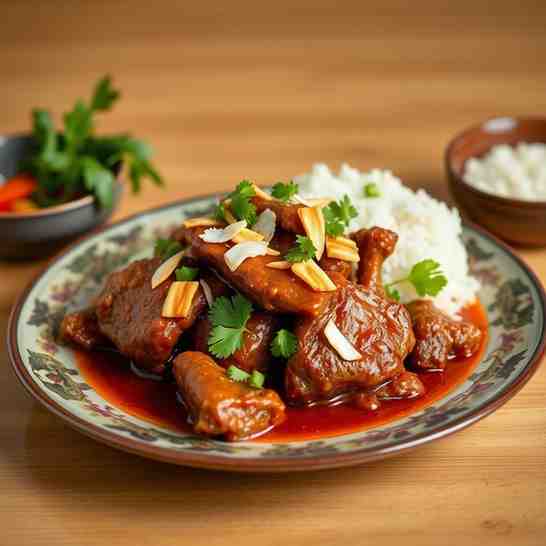

- Serves: 6 People
- Prepare Time: 45 minutes
- Cooking Time: 3-4 hours
- Calories: -
- Difficulty: Medium
Get ready to embark on a culinary adventure that will transform your kitchen into a fragrant Malaysian hawker stall! We're diving deep into the world of Beef Rendang, a truly iconic "dry curry" that's less about a soupy sauce and more about an incredibly rich, concentrated flavor paste clinging to every piece of beef chuck roast. This isn't just another dinner; it's a slow-cooked masterpiece, a labor of love that rewards your patience with fork-tender beef and a depth of flavor that's simply unparalleled. Forget those thin, watery curries – we're talking about a vibrant, aromatic experience where the sauce reduces until it beautifully coats the beef, creating a texture and taste sensation you won't soon forget. While it promises a long cook time, the steps themselves are surprisingly simple, making it achievable for any home cook eager to explore the magic of this traditional dish. So grab your beef chuck roast, gather your spices, and let’s create something truly unforgettable.
Ingredients
Directions
- Best Beef Cuts for Rendang (Shopping Guide):
- Best Overall:Beef chuck roast is your champion! Its beautiful marbling and abundant collagen break down slowly, ensuring incredibly tender, juicy beef.
- Great Alternatives: For other beef for beef stew cuts, consider bone in chuck short ribs (adds richness from the bone), angus beef short ribs, or even beef shin meat. Brisket point can also work.
- Cuts to Avoid: Steer clear of lean stew meat, sirloin, or any cut lacking marbling. They'll dry out and be tough.
- How to Cut It: Aim for uniform 1 ½-inch cubes. This ensures even cooking and tenderness.
- Make the Kerisik (Toasted Coconut Paste):
- In a dry pan over medium-low heat, add the shredded coconut. Stir constantly for 5-10 minutes until it turns deep golden brown and smells nutty. Watch carefully as it can burn quickly!
- Transfer the toasted coconut to a food processor or mortar and pestle. Process/grind until it forms a thick, oily paste. This adds essential thickness and a unique toasted nuttiness to your rendang.
- Make the Spice Paste (Rempah):
- Combine all spice paste ingredients (red onion, shallots, garlic, galangal, sliced lemongrass, turmeric, rehydrated chilies, coriander, cumin, fennel, cloves if using) in a blender or food processor.
- Add 2-3 tablespoons of coconut milk (from the can) to help it blend. Process until you have a relatively smooth paste. A little texture is okay – we're aiming for "smooth enough," not liquid.
- Brown the Beef:
- Heat 1 tablespoon of oil in a large Dutch oven or heavy-bottomed pot over medium-high heat.
- Working in batches, brown the beef chuck roast cubes on all sides until deeply caramelized. This step is crucial for developing rich flavor depth. Don't overcrowd the pot. Remove browned beef and set aside.
- Fry the Paste & Bloom the Spices:
- Add the remaining 1 tablespoon of oil to the pot (if needed). Reduce heat to medium-low.
- Add the spice paste and the bruised lemongrass stalks, kaffir lime leaves, and cinnamon sticks (if using).
- Fry the paste, stirring frequently, for 10-15 minutes. You'll know it's ready when the paste darkens, becomes very fragrant, and the oil starts to separate and "bloom" at the edges. This step deepens the flavor profile.
- Low-and-Slow Simmer:
- Return the browned beef to the pot. Add the coconut milk, coconut cream, tamarind paste, and palm sugar. Stir well to combine.
- Bring the mixture to a gentle simmer. Reduce heat to low, cover the pot partially (allowing some steam to escape), and let it simmer for 2-3 hours.
- Stir every 30-45 minutes to prevent sticking and ensure even cooking. If the sauce seems too thick early on, you can add a splash of water, but resist the urge to add too much.
- Reduce to the Rendang Finish:
- After 2-3 hours, the beef should be tender, and the sauce should have visibly thickened. Remove the lid completely.
- Continue to simmer on low, stirring more frequently (every 10-15 minutes), for another 1-2 hours.
- The goal is for the sauce to reduce significantly, thicken into a rich, paste-like coating for the beef, and for the oil to separate and glisten around the meat. This is the signature "dry curry" finish.
- Keep an eye on the bottom of the pot and stir often to prevent scorching.
- Rest (The Underrated Step):
- Once the rendang has reached its desired consistency, remove it from the heat.
- For the best flavor, let it rest for at least 30 minutes, or even better, refrigerate it overnight. The flavors meld and deepen significantly with time.
Beef Rendang - Chuck Roast
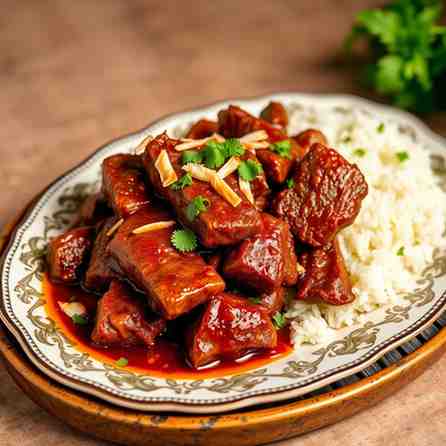
- Serves: 6 People
- Prepare Time: 45 minutes
- Cooking Time: 3-4 hours
- Calories: -
- Difficulty: Medium
Get ready to embark on a culinary adventure that will transform your kitchen into a fragrant Malaysian hawker stall! We're diving deep into the world of Beef Rendang, a truly iconic "dry curry" that's less about a soupy sauce and more about an incredibly rich, concentrated flavor paste clinging to every piece of beef chuck roast. This isn't just another dinner; it's a slow-cooked masterpiece, a labor of love that rewards your patience with fork-tender beef and a depth of flavor that's simply unparalleled. Forget those thin, watery curries – we're talking about a vibrant, aromatic experience where the sauce reduces until it beautifully coats the beef, creating a texture and taste sensation you won't soon forget. While it promises a long cook time, the steps themselves are surprisingly simple, making it achievable for any home cook eager to explore the magic of this traditional dish. So grab your beef chuck roast, gather your spices, and let’s create something truly unforgettable.
Ingredients
Directions
- Best Beef Cuts for Rendang (Shopping Guide):
- Best Overall:Beef chuck roast is your champion! Its beautiful marbling and abundant collagen break down slowly, ensuring incredibly tender, juicy beef.
- Great Alternatives: For other beef for beef stew cuts, consider bone in chuck short ribs (adds richness from the bone), angus beef short ribs, or even beef shin meat. Brisket point can also work.
- Cuts to Avoid: Steer clear of lean stew meat, sirloin, or any cut lacking marbling. They'll dry out and be tough.
- How to Cut It: Aim for uniform 1 ½-inch cubes. This ensures even cooking and tenderness.
- Make the Kerisik (Toasted Coconut Paste):
- In a dry pan over medium-low heat, add the shredded coconut. Stir constantly for 5-10 minutes until it turns deep golden brown and smells nutty. Watch carefully as it can burn quickly!
- Transfer the toasted coconut to a food processor or mortar and pestle. Process/grind until it forms a thick, oily paste. This adds essential thickness and a unique toasted nuttiness to your rendang.
- Make the Spice Paste (Rempah):
- Combine all spice paste ingredients (red onion, shallots, garlic, galangal, sliced lemongrass, turmeric, rehydrated chilies, coriander, cumin, fennel, cloves if using) in a blender or food processor.
- Add 2-3 tablespoons of coconut milk (from the can) to help it blend. Process until you have a relatively smooth paste. A little texture is okay – we're aiming for "smooth enough," not liquid.
- Brown the Beef:
- Heat 1 tablespoon of oil in a large Dutch oven or heavy-bottomed pot over medium-high heat.
- Working in batches, brown the beef chuck roast cubes on all sides until deeply caramelized. This step is crucial for developing rich flavor depth. Don't overcrowd the pot. Remove browned beef and set aside.
- Fry the Paste & Bloom the Spices:
- Add the remaining 1 tablespoon of oil to the pot (if needed). Reduce heat to medium-low.
- Add the spice paste and the bruised lemongrass stalks, kaffir lime leaves, and cinnamon sticks (if using).
- Fry the paste, stirring frequently, for 10-15 minutes. You'll know it's ready when the paste darkens, becomes very fragrant, and the oil starts to separate and "bloom" at the edges. This step deepens the flavor profile.
- Low-and-Slow Simmer:
- Return the browned beef to the pot. Add the coconut milk, coconut cream, tamarind paste, and palm sugar. Stir well to combine.
- Bring the mixture to a gentle simmer. Reduce heat to low, cover the pot partially (allowing some steam to escape), and let it simmer for 2-3 hours.
- Stir every 30-45 minutes to prevent sticking and ensure even cooking. If the sauce seems too thick early on, you can add a splash of water, but resist the urge to add too much.
- Reduce to the Rendang Finish:
- After 2-3 hours, the beef should be tender, and the sauce should have visibly thickened. Remove the lid completely.
- Continue to simmer on low, stirring more frequently (every 10-15 minutes), for another 1-2 hours.
- The goal is for the sauce to reduce significantly, thicken into a rich, paste-like coating for the beef, and for the oil to separate and glisten around the meat. This is the signature "dry curry" finish.
- Keep an eye on the bottom of the pot and stir often to prevent scorching.
- Rest (The Underrated Step):
- Once the rendang has reached its desired consistency, remove it from the heat.
- For the best flavor, let it rest for at least 30 minutes, or even better, refrigerate it overnight. The flavors meld and deepen significantly with time.
You may also like




Hey there! I’m just someone who seriously loves good food and believes that cooking doesn’t have to be complicated to be amazing. Whether it’s a quick weeknight dinner or a cozy weekend meal, I’m all about sharing easy, tasty recipes that actually work.