
Belizean Cochinita Pibil Slow-Cooked Pork Recipe
Belizean Cochinita Pibil Slow-Cooked Pork Recipe
- Serves: 8 People
- Prepare Time: 20 minutes
- Cooking Time: 3 hours 30
- Calories: -
- Difficulty: Medium
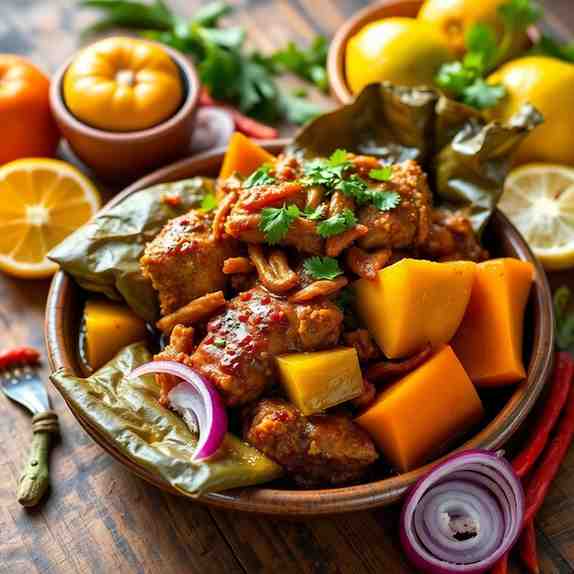
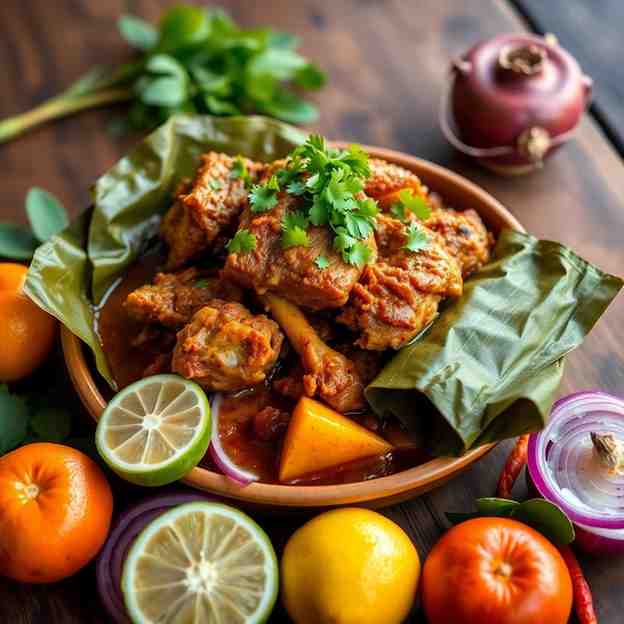
Welcome to the vibrant world of Belizean Cochinita Pibil! If you've ever dreamt of savoring authentic, fall-apart tender slow-cooked pork marinated in a rich, earthy achiote paste and bright citrus, you're in the right place. Often called Pibil Pork in Belize, this Yucatec-Maya dish has gracefully migrated through the Yucatán Peninsula, finding a cherished home in Belizean kitchens. It’s a true culinary gem, traditionally wrapped in banana or plantain leaves and cooked until it’s unbelievably shreddable and bursting with flavor.
While its roots are shared with its Mexican cousin, Belizean Pibil Pork offers its own unique charm, particularly in how it's served—think street-style pibil tacos with hand-made tortillas and a fiery habanero sauce. We’re going to guide you through creating this incredible dish right in your own kitchen, no underground pit required! Get ready to impress your taste buds and your crowd with this easy, yet deeply flavorful, Belizean Cochinita Pibil recipe.
This recipe brings the authentic flavors of Belizean Cochinita Pibil into your home kitchen. It’s a single, unified method designed to give you perfectly tender, flavorful pork, just like they make it in Belize.
Ingredients
Directions
- Make the Belizean Pibil Marinade In a blender or food processor, combine the achiote/recado rojo paste, sour orange juice (or your substitution), garlic cloves, chopped white onion, ground cumin, Mexican oregano, allspice, black pepper, cinnamon, and salt. Blend until the mixture is completely smooth and forms a thick, vibrant orange marinade. Taste a tiny bit—it should be salty, tangy, earthy, and have a slightly bitter-orange note. Adjust salt if needed.
- Marinate the Pork Place your pork shoulder chunks into a large, non-reactive bowl (glass or stainless steel works best). Pour the entire marinade over the pork. Using your hands, toss the pork thoroughly, ensuring every piece is well-coated. Cover the bowl tightly with plastic wrap and refrigerate for at least 6 hours, but ideally overnight (up to 24 hours) for the best flavor penetration.
- Prep Banana Leaves & Pan If using frozen banana leaves, thaw them completely. To make them pliable and release their aroma, quickly pass each leaf over an open flame (like a gas burner) until it softens and changes color slightly, or briefly warm them in a low oven (about 200°F/95°C) for a few minutes. Carefully line a Dutch oven or heavy roasting pan with the banana leaves, overlapping them to cover the bottom and sides. Ensure you leave enough overhang to fold over and fully cover the top of the meat later. If you don't have banana leaves, you'll use parchment paper and heavy-duty foil in Step 4.
- Wrap & Seal Pour the marinated pork chunks, along with all the marinade, into the banana-leaf-lined pan. Fold the overhanging banana leaves tightly over the pork to completely enclose it. Place the lid securely on your Dutch oven or roasting pan. If you're not using banana leaves, tightly seal the pork in the pan with a layer of parchment paper directly on top of the meat, followed by a double layer of heavy-duty aluminum foil. This will trap steam and juices, though the banana leaves add a unique aromatic quality.
- Low-and-Slow Bake Preheat your oven to a moderate-low temperature, between 275–300°F (135–150°C). Place the covered pan in the oven and bake for 3.5 to 5 hours. The exact time will depend on your oven and the thickness of your pork chunks. The pork is done when it is incredibly tender and pulls apart with almost no resistance when tested with a fork or skewer. It should practically melt in your mouth!
- Shred & Moisten Carefully remove the pan from the oven. Discard the banana leaves (if used). Transfer the cooked pork to a large bowl. Using two forks, shred the pork into desired consistency. Skim off any excess fat from the cooking juices in the pan if you prefer, then stir in enough of the strained cooking juices back into the shredded pork to make it glossy, moist, and incredibly juicy, but not soupy.
- Optional Quick Crisp For those who enjoy a few crispy edges on their pulled pork, spread some of the shredded pibil onto a sheet pan with a little extra juice. Broil briefly on high for 2-5 minutes, watching carefully, until the edges just begin to crackle and crisp up. This step is entirely optional and doesn't change the delicious core of the recipe.
Belizean Cochinita Pibil Slow-Cooked Pork Recipe

- Serves: 8 People
- Prepare Time: 20 minutes
- Cooking Time: 3 hours 30
- Calories: -
- Difficulty: Medium
Welcome to the vibrant world of Belizean Cochinita Pibil! If you've ever dreamt of savoring authentic, fall-apart tender slow-cooked pork marinated in a rich, earthy achiote paste and bright citrus, you're in the right place. Often called Pibil Pork in Belize, this Yucatec-Maya dish has gracefully migrated through the Yucatán Peninsula, finding a cherished home in Belizean kitchens. It’s a true culinary gem, traditionally wrapped in banana or plantain leaves and cooked until it’s unbelievably shreddable and bursting with flavor.
While its roots are shared with its Mexican cousin, Belizean Pibil Pork offers its own unique charm, particularly in how it's served—think street-style pibil tacos with hand-made tortillas and a fiery habanero sauce. We’re going to guide you through creating this incredible dish right in your own kitchen, no underground pit required! Get ready to impress your taste buds and your crowd with this easy, yet deeply flavorful, Belizean Cochinita Pibil recipe.
This recipe brings the authentic flavors of Belizean Cochinita Pibil into your home kitchen. It’s a single, unified method designed to give you perfectly tender, flavorful pork, just like they make it in Belize.
Ingredients
Directions
- Make the Belizean Pibil Marinade In a blender or food processor, combine the achiote/recado rojo paste, sour orange juice (or your substitution), garlic cloves, chopped white onion, ground cumin, Mexican oregano, allspice, black pepper, cinnamon, and salt. Blend until the mixture is completely smooth and forms a thick, vibrant orange marinade. Taste a tiny bit—it should be salty, tangy, earthy, and have a slightly bitter-orange note. Adjust salt if needed.
- Marinate the Pork Place your pork shoulder chunks into a large, non-reactive bowl (glass or stainless steel works best). Pour the entire marinade over the pork. Using your hands, toss the pork thoroughly, ensuring every piece is well-coated. Cover the bowl tightly with plastic wrap and refrigerate for at least 6 hours, but ideally overnight (up to 24 hours) for the best flavor penetration.
- Prep Banana Leaves & Pan If using frozen banana leaves, thaw them completely. To make them pliable and release their aroma, quickly pass each leaf over an open flame (like a gas burner) until it softens and changes color slightly, or briefly warm them in a low oven (about 200°F/95°C) for a few minutes. Carefully line a Dutch oven or heavy roasting pan with the banana leaves, overlapping them to cover the bottom and sides. Ensure you leave enough overhang to fold over and fully cover the top of the meat later. If you don't have banana leaves, you'll use parchment paper and heavy-duty foil in Step 4.
- Wrap & Seal Pour the marinated pork chunks, along with all the marinade, into the banana-leaf-lined pan. Fold the overhanging banana leaves tightly over the pork to completely enclose it. Place the lid securely on your Dutch oven or roasting pan. If you're not using banana leaves, tightly seal the pork in the pan with a layer of parchment paper directly on top of the meat, followed by a double layer of heavy-duty aluminum foil. This will trap steam and juices, though the banana leaves add a unique aromatic quality.
- Low-and-Slow Bake Preheat your oven to a moderate-low temperature, between 275–300°F (135–150°C). Place the covered pan in the oven and bake for 3.5 to 5 hours. The exact time will depend on your oven and the thickness of your pork chunks. The pork is done when it is incredibly tender and pulls apart with almost no resistance when tested with a fork or skewer. It should practically melt in your mouth!
- Shred & Moisten Carefully remove the pan from the oven. Discard the banana leaves (if used). Transfer the cooked pork to a large bowl. Using two forks, shred the pork into desired consistency. Skim off any excess fat from the cooking juices in the pan if you prefer, then stir in enough of the strained cooking juices back into the shredded pork to make it glossy, moist, and incredibly juicy, but not soupy.
- Optional Quick Crisp For those who enjoy a few crispy edges on their pulled pork, spread some of the shredded pibil onto a sheet pan with a little extra juice. Broil briefly on high for 2-5 minutes, watching carefully, until the edges just begin to crackle and crisp up. This step is entirely optional and doesn't change the delicious core of the recipe.
The following nutritional values are per serving (one piece of cake) Calories ~350-400 kcal Carbohydrates ~5-8g Protein ~30-35g Fat ~20-25g Sometimes, life gets busy, but that doesn't mean you have to skip out on amazing homemade meals! Here are a few tools and ingredients that can help you whip up this delicious Cochinita Pibil a little faster, without sacrificing that authentic Belizean flavor. Problem: Blending all those marinade ingredients by hand can be a real arm workout, and getting that super smooth consistency is tough. Problem: Sourcing fresh sour oranges or mixing up the perfect citrus blend can be a small hurdle, and sometimes you just want to get straight to cooking. Problem: Waiting for hours for the pork to slow-cook can test your patience, especially on a busy weeknight. Click any ingredient for detailed nutritional information:Recipe Nutritional Values
Additional Information
Recipe Success Tips
Ingredient Substitutions & Variations
Cultural Serving Notes & Belizean Insights
Make-Ahead & Storage Instructions
Frequently Asked Questions
Recommended Kitchen Tools
good blender or food processor
Agitate: Lumpy marinades don't coat the pork evenly, and you might miss out on the full flavor absorption. Plus, who wants to spend extra time chopping and mashing when you could be relaxing?
Solution: A good blender or food processor is your best friend here. Just toss in all your marinade ingredients – the achiote, citrus, garlic, onion, and spices – and let it do the work. You'll get a perfectly smooth, vibrant marinade in seconds, ensuring every piece of pork is bathed in flavor.pre-made achiote/recado rojo paste
Agitate: If your citrus balance is off, the marinade won't have that signature tangy, earthy punch, and the pork won't tenderize as effectively.
Solution: While our recipe provides a great sour orange substitute, having pre-made achiote/recado rojo paste on hand is a huge time-saver. Many Latin American markets carry it, and it already contains some of the key spices, streamlining your marinade process significantly.slow cooker or pressure cooker
Agitate: You might be tempted to rush the cooking, leading to tough, dry pork that doesn't fall apart.
Solution: If you're really pressed for time, a slow cooker or pressure cooker can be your secret weapon. While the traditional oven method is fantastic, these appliances can achieve that melt-in-your-mouth tenderness in less time. Just use the same incredible marinade and pork cut, and follow your appliance's general guidelines for slow-cooked pork. (For a slow cooker, cook on low for 8 hours; for a pressure cooker, refer to your model's instructions for large cuts of pork).Calories per Ingredient
Resources & References
You may also like

Hey there! I’m just someone who seriously loves good food and believes that cooking doesn’t have to be complicated to be amazing. Whether it’s a quick weeknight dinner or a cozy weekend meal, I’m all about sharing easy, tasty recipes that actually work.



