
Best Crispy Tempura Batter - Shrimp & Veggies + Sauce
Best Crispy Tempura Batter - Shrimp & Veggies + Sauce
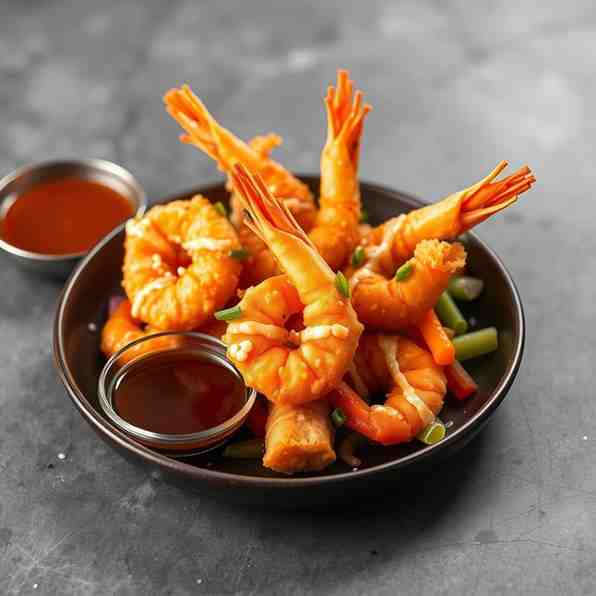
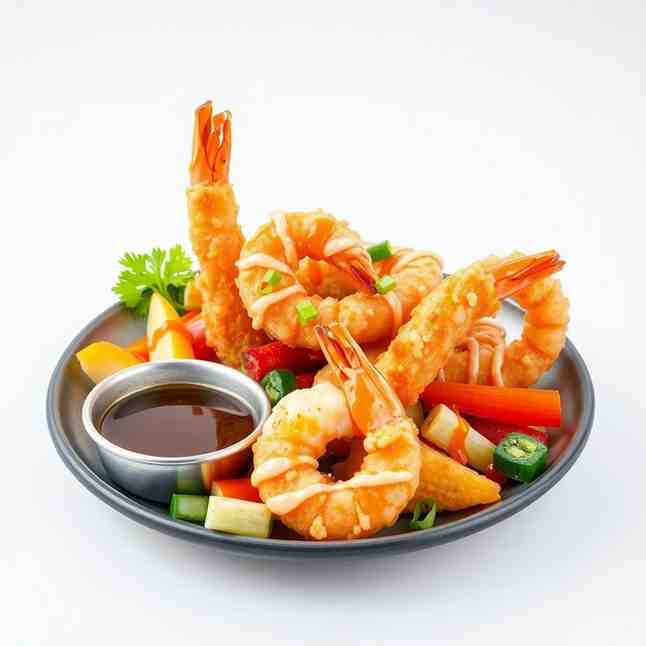
- Serves: 4 People
- Prepare Time: 25 minutes
- Cooking Time: 20 minutes
- Calories: -
- Difficulty: Medium
Craving that crispy Japanese Tempura you get at your favorite restaurant? Imagine creating a light, airy, and impossibly not greasy batter right in your own kitchen! This isn't just another recipe; it's your definitive guide to mastering the best tempura batter for perfectly fried shrimp and fresh vegetables, complete with an authentic Japanese tempura dipping sauce. Get ready to dive into the secrets of traditional Japanese home cooking recipes and transform simple ingredients into a delightful, authentic Japanese recipe that will impress everyone.
Tempura isn't just fried food; it's an art form! Unlike the thick, heavy batters often found in Western frying, traditional Japanese tempura batter is designed to be incredibly light and delicate, creating a thin, crisp shell that barely clings to the ingredients. So, what’s the secret to achieving that signature crispness? It comes down to three key things:
1.Ice-cold batter: Keeping your batter super cold prevents gluten from developing too much.
2.Minimal mixing (low gluten): Overmixing develops gluten, which leads to a chewy, heavy coating. Lumps are your friend here!
3.Steady oil temperature: Maintaining the right oil temperature ensures even cooking and prevents greasiness.
Timing is everything when it comes to crispy tempura. Here’s the ideal sequence to ensure everything stays perfectly crunchy:
1.Prep seafood + veggies: Get all your ingredients ready for frying.
2.Make dipping sauce (holds well): The tentsuyu sauce can be made ahead and even served warm or at room temperature.
3.Heat oil: Get your frying oil to the perfect temperature while you mix the batter.
4.Mix batter (last): Do this just before you start frying to keep it as cold as possible.
5.Fry in small batches + serve immediately: This is crucial for maintaining crispness.
Ingredients
Directions
- Prep the Shrimp and Vegetables:
- Shrimp: To prevent shrimp from curling, make 2-3 shallow slits on the belly side. Gently press down on the back to straighten them. Pat them very dry with paper towels.
- Vegetables: Cut vegetables into thin, even pieces (about 1/4-inch thick for root vegetables like sweet potato, or bite-sized pieces for others). Ensure all vegetables are also very dry.
- Dusting: Lightly dust the prepped shrimp and vegetables with about 1/2 cup of all-purpose flour. This helps the batter stick better.
- Make the Dipping Sauce (Tentsuyu): (See separate recipe below)Prepare for Frying:
- Pour enough neutral oil into a heavy-bottomed pot or deep pan to reach a depth of about 2-3 inches. If using, add the optional splash of sesame oil for a subtle aroma.
- Place a wire rack over a sheet pan near your frying station. This is where you'll drain the fried tempura.
- Heat the oil over medium-high heat until it reaches 340-350°F (170-175°C). Use a thermometer; it's strongly recommended for success!
- Make the Tempura Batter (Do This Last!):
- In a chilled bowl (you can place it in the freezer for 10 minutes beforehand), whisk the ice-cold egg and ice-cold sparkling water together.
- Add the low-protein flour (and optional salt) to the liquid. Gently mix with chopsticks or a fork. Stop early! Lumps are not just okay; they are desirable. Overmixing develops gluten, making the batter heavy and less crispy. The batter should be thin, milky, and slightly lumpy.
- Deep Frying Tempura (The Technique That Matters):
- Batch Strategy: Don't crowd the pot! Fry 3-4 pieces at a time to maintain oil temperature.
- Frying Order: Start with lighter, more delicate items (like green beans or mushrooms) first, then move to shrimp, and finish with starchier vegetables (like sweet potato). This keeps the oil cleaner for longer.
- Dipping & Frying: Dip each floured piece into the cold batter, letting excess drip off. Gently lower it into the hot oil.
- Cooking Time: Fry for 2-3 minutes per side, or until light golden and crisp.
- Oil Recovery & Skimming: Between batches, let the oil temperature recover to 340-350°F (170-175°C). Use a slotted spoon or fine-mesh skimmer to remove any stray batter bits or crumbs from the oil; this prevents them from burning and affecting the flavor.
- Doneness Cues: Tempura should be a light golden color, not deep brown. You'll hear a lively bubbling sound, and when tapped, it should feel firm and crisp.
- How to Serve Tempura So It Stays Crispy:
- As soon as the tempura is cooked, transfer it directly to the wire rack to drain. Do NOT drain on paper towels, as this can trap steam and make it soggy.
- Do NOT cover the tempura, as this will also trap steam.
- Serve immediately with the tentsuyu dipping sauce and optional grated daikon.
- Classic Tentsuyu Dipping Sauce Ingredients
- 1 cup dashi (quick shortcut: 1 cup water + 1/2 tsp dashi powder)
- 1/4 cup soy sauce (e.g., Kikkoman)
- 1/4 cup mirin
- 1 tbsp sugar
- Optional: 1-2 tbsp grated daikon radish (for serving)
- Classic Tentsuyu Dipping Sauce Step-by-Step Instructions
- Combine Ingredients: In a small saucepan, combine the dashi, soy sauce, mirin, and sugar.
- Simmer: Heat over medium-low heat, stirring occasionally, until the sugar completely dissolves. Do not boil vigorously.
- Serve: Remove from heat. The tentsuyu can be served warm or at room temperature. Pour into individual small bowls for dipping.
- Optional Daikon: If using, add a small mound of freshly grated daikon radish to each bowl of tentsuyu just before serving. It adds a refreshing, slightly peppery note.
Best Crispy Tempura Batter - Shrimp & Veggies + Sauce
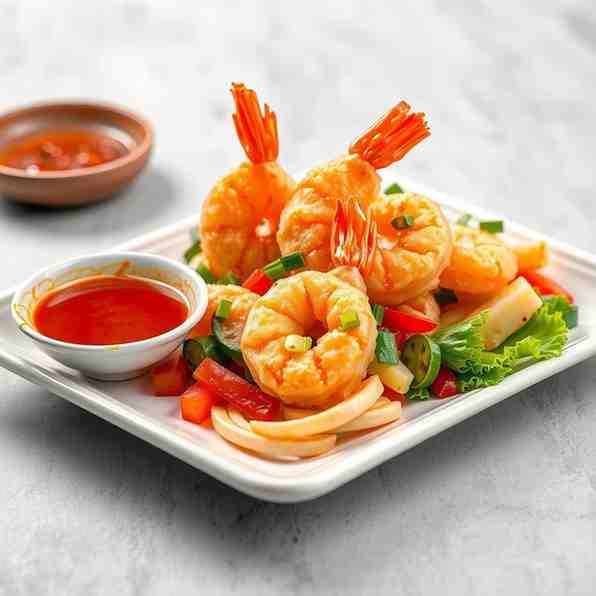
- Serves: 4 People
- Prepare Time: 25 minutes
- Cooking Time: 20 minutes
- Calories: -
- Difficulty: Medium
Craving that crispy Japanese Tempura you get at your favorite restaurant? Imagine creating a light, airy, and impossibly not greasy batter right in your own kitchen! This isn't just another recipe; it's your definitive guide to mastering the best tempura batter for perfectly fried shrimp and fresh vegetables, complete with an authentic Japanese tempura dipping sauce. Get ready to dive into the secrets of traditional Japanese home cooking recipes and transform simple ingredients into a delightful, authentic Japanese recipe that will impress everyone.
Tempura isn't just fried food; it's an art form! Unlike the thick, heavy batters often found in Western frying, traditional Japanese tempura batter is designed to be incredibly light and delicate, creating a thin, crisp shell that barely clings to the ingredients. So, what’s the secret to achieving that signature crispness? It comes down to three key things:
1.Ice-cold batter: Keeping your batter super cold prevents gluten from developing too much.
2.Minimal mixing (low gluten): Overmixing develops gluten, which leads to a chewy, heavy coating. Lumps are your friend here!
3.Steady oil temperature: Maintaining the right oil temperature ensures even cooking and prevents greasiness.
Timing is everything when it comes to crispy tempura. Here’s the ideal sequence to ensure everything stays perfectly crunchy:
1.Prep seafood + veggies: Get all your ingredients ready for frying.
2.Make dipping sauce (holds well): The tentsuyu sauce can be made ahead and even served warm or at room temperature.
3.Heat oil: Get your frying oil to the perfect temperature while you mix the batter.
4.Mix batter (last): Do this just before you start frying to keep it as cold as possible.
5.Fry in small batches + serve immediately: This is crucial for maintaining crispness.
Ingredients
Directions
- Prep the Shrimp and Vegetables:
- Shrimp: To prevent shrimp from curling, make 2-3 shallow slits on the belly side. Gently press down on the back to straighten them. Pat them very dry with paper towels.
- Vegetables: Cut vegetables into thin, even pieces (about 1/4-inch thick for root vegetables like sweet potato, or bite-sized pieces for others). Ensure all vegetables are also very dry.
- Dusting: Lightly dust the prepped shrimp and vegetables with about 1/2 cup of all-purpose flour. This helps the batter stick better.
- Make the Dipping Sauce (Tentsuyu): (See separate recipe below)Prepare for Frying:
- Pour enough neutral oil into a heavy-bottomed pot or deep pan to reach a depth of about 2-3 inches. If using, add the optional splash of sesame oil for a subtle aroma.
- Place a wire rack over a sheet pan near your frying station. This is where you'll drain the fried tempura.
- Heat the oil over medium-high heat until it reaches 340-350°F (170-175°C). Use a thermometer; it's strongly recommended for success!
- Make the Tempura Batter (Do This Last!):
- In a chilled bowl (you can place it in the freezer for 10 minutes beforehand), whisk the ice-cold egg and ice-cold sparkling water together.
- Add the low-protein flour (and optional salt) to the liquid. Gently mix with chopsticks or a fork. Stop early! Lumps are not just okay; they are desirable. Overmixing develops gluten, making the batter heavy and less crispy. The batter should be thin, milky, and slightly lumpy.
- Deep Frying Tempura (The Technique That Matters):
- Batch Strategy: Don't crowd the pot! Fry 3-4 pieces at a time to maintain oil temperature.
- Frying Order: Start with lighter, more delicate items (like green beans or mushrooms) first, then move to shrimp, and finish with starchier vegetables (like sweet potato). This keeps the oil cleaner for longer.
- Dipping & Frying: Dip each floured piece into the cold batter, letting excess drip off. Gently lower it into the hot oil.
- Cooking Time: Fry for 2-3 minutes per side, or until light golden and crisp.
- Oil Recovery & Skimming: Between batches, let the oil temperature recover to 340-350°F (170-175°C). Use a slotted spoon or fine-mesh skimmer to remove any stray batter bits or crumbs from the oil; this prevents them from burning and affecting the flavor.
- Doneness Cues: Tempura should be a light golden color, not deep brown. You'll hear a lively bubbling sound, and when tapped, it should feel firm and crisp.
- How to Serve Tempura So It Stays Crispy:
- As soon as the tempura is cooked, transfer it directly to the wire rack to drain. Do NOT drain on paper towels, as this can trap steam and make it soggy.
- Do NOT cover the tempura, as this will also trap steam.
- Serve immediately with the tentsuyu dipping sauce and optional grated daikon.
- Classic Tentsuyu Dipping Sauce Ingredients
- 1 cup dashi (quick shortcut: 1 cup water + 1/2 tsp dashi powder)
- 1/4 cup soy sauce (e.g., Kikkoman)
- 1/4 cup mirin
- 1 tbsp sugar
- Optional: 1-2 tbsp grated daikon radish (for serving)
- Classic Tentsuyu Dipping Sauce Step-by-Step Instructions
- Combine Ingredients: In a small saucepan, combine the dashi, soy sauce, mirin, and sugar.
- Simmer: Heat over medium-low heat, stirring occasionally, until the sugar completely dissolves. Do not boil vigorously.
- Serve: Remove from heat. The tentsuyu can be served warm or at room temperature. Pour into individual small bowls for dipping.
- Optional Daikon: If using, add a small mound of freshly grated daikon radish to each bowl of tentsuyu just before serving. It adds a refreshing, slightly peppery note.
You may also like




Hey there! I’m just someone who seriously loves good food and believes that cooking doesn’t have to be complicated to be amazing. Whether it’s a quick weeknight dinner or a cozy weekend meal, I’m all about sharing easy, tasty recipes that actually work.