
Best Meat for Sechu - African Beef Stew
Best Meat for Sechu - African Beef Stew
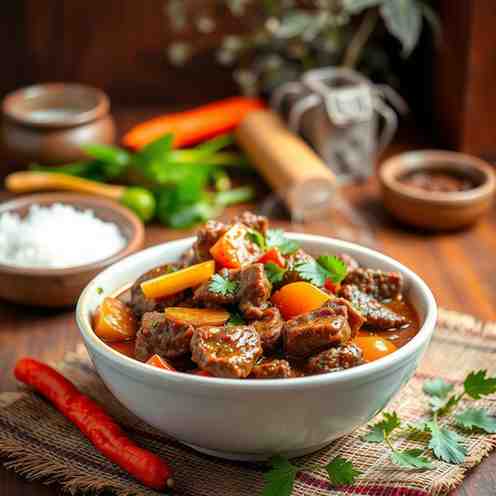
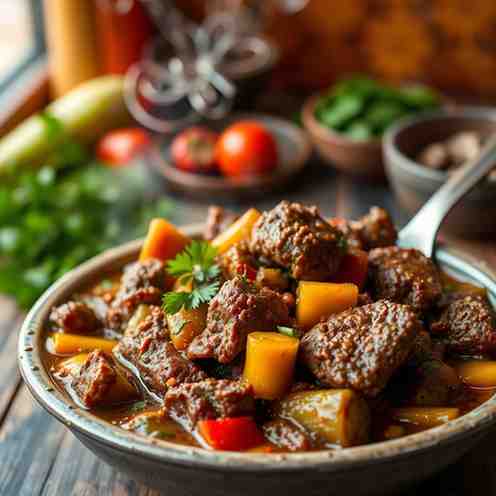
- Serves: 6 People
- Prepare Time: 25 minutes
- Cooking Time: 2 hours 30
- Calories: -
- Difficulty: Medium
Get ready to embark on a culinary journey to Southern Africa right from your kitchen! Sechu, a traditional Basotho-style beef stew, is the epitome of comfort food – hearty, deeply flavorful, and incredibly satisfying. This isn't just any stew; it's a dish designed to warm you from the inside out, perfect for chilly evenings or when you simply crave something truly wholesome. We'll guide you through making an authentic Sechu that’s perfectly adapted for US home kitchens, using ingredients you can easily find at your local grocery store.
We know you're looking for the best meat to use for beef stew, and we've got the secrets to achieving melt-in-your-mouth tenderness every time. Beyond just flavor, we're also focused on making this dish work for your lifestyle. You’ll get fantastic healthy cooking tips to keep things nutritious without sacrificing taste, and discover why Sechu is an absolute champion for meal prep. Imagine having delicious, homemade goodness ready to go for days!
By the end of this guide, you’ll not only have a robust, rich Sechu stew brimming with tender beef and aromatic spices, but you'll also have a versatile recipe that fits seamlessly into your routine. Whether you're a beginner cook or a seasoned pro, prepare to discover your new favorite comfort meal.
Best for: Cold nights, meal prep, family dinner
Sechu, pronounced "seh-CHOO," is a beloved, hearty beef stew originating from the Basotho people of Southern Africa, particularly Lesotho and parts of South Africa. At its core, it's a simple, rustic dish featuring tender chunks of beef simmered slowly with vegetables and a warm spice blend until it forms a rich, comforting gravy. Unlike some more complex stews, Sechu focuses on simple, robust flavors that truly highlight the quality of the meat and the long, slow cooking process. It’s the kind of meal that feels like a warm hug in a bowl, often served with starchy sides like pap (a maize porridge), rice, or even dumplings to soak up every last drop of its delicious sauce.
Choosing the right cut of beef is paramount for a truly exceptional Sechu. The goal is tender, fall-apart meat that can withstand a long simmer and develop deep flavor.
Recommended Cut (for THIS recipe): Beef Chuck Roast. This is our top pick for a reason! Beef chuck roast (often sold as "pot roast" or "chuck eye roast") is well-marbled with connective tissue that breaks down during slow cooking, transforming into gelatin. This not only makes the meat incredibly tender but also enriches the stew's gravy, giving it a luxurious, silky texture and a rich, beefy flavor that other cuts simply can't match. It’s forgiving, flavorful, and consistently delivers outstanding results.
Other Good Options (brief notes only):
Beef Brisket: Similar to chuck, brisket is a tougher cut that benefits from low-and-slow cooking. It will yield tender, shreddable beef.
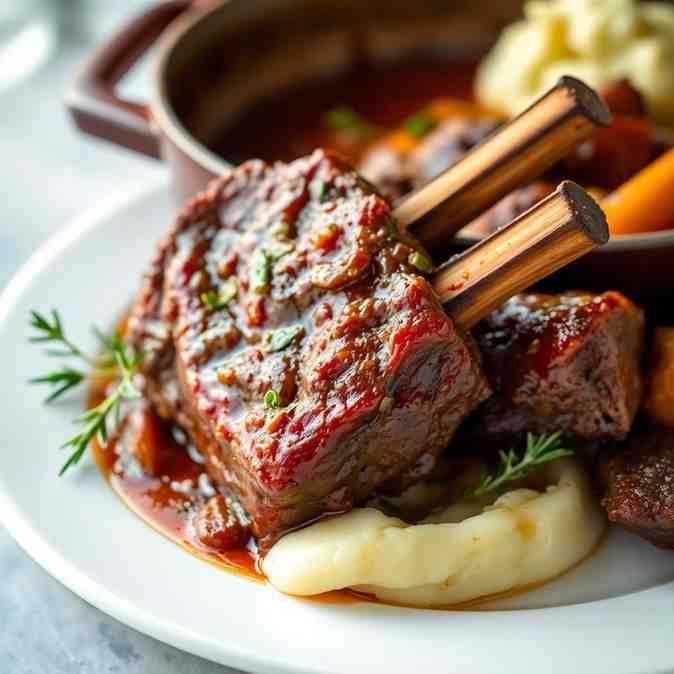
Bone-In Short Ribs: These offer an incredible depth of flavor from the bones and rich marbling. The meat becomes meltingly tender, though you'll need to remove the bones before serving.
Stew Meat: Pre-cut stew meat can be convenient, but often it's a mix of different cuts. If using, try to ensure it’s primarily chuck for the best results.
What to Avoid: Steer clear of very lean cuts like sirloin, round, or flank steak. While great for quick searing, these cuts will dry out and become tough and chewy during the long simmering required for a proper Sechu. Save them for quick stir-fries or grilling!
Dutch Oven or Heavy Pot (with a lid): Absolutely essential for slow, even cooking and retaining moisture. A 5-7 quart capacity is ideal.
Sharp Chef’s Knife: For safely and efficiently cutting your beef and vegetables.
Cutting Board: A sturdy surface for all your prep work.
Optional: Tongs or Slotted Spoon: For browning meat and stirring.
Making Sechu a little healthier doesn't mean sacrificing flavor or comfort. Here are a few simple tweaks:
Trim Fat + Sear Smart: Before browning your beef chuck, take a moment to trim off any large, excess pieces of fat. You want some marbling for flavor, but not too much. When searing, use just enough oil to coat the bottom of the pot and get a good crust, rather than deep-frying the meat.
Lower-Sodium Stock + Salt at the End: Opt for a low-sodium beef broth or stock. This gives you more control over the final saltiness of your stew. You can always add more salt at the very end, but you can't take it away!
Veg-Forward Option: While Sechu traditionally has some vegetables, you can easily boost the nutritional content by adding extra non-starchy vegetables. Think bell peppers, zucchini, green beans, or even spinach stirred in during the last 30 minutes of simmering. This adds fiber and vitamins without significantly altering the stew's core character.
Ingredients
Directions
- 1) Prep the beef (and why size matters) Cut your trimmed beef chuck roast into roughly 1 ½ to 2-inch cubes. Uniform size is important here; it ensures the meat cooks evenly and becomes tender at the same rate. Pat the beef dry with paper towels – this is crucial for getting a good sear later. Season the beef generously all over with salt and freshly ground black pepper. Don't be shy; this is your first layer of flavor!
- 2) Brown for flavor Heat the olive oil in your Dutch oven or heavy pot over medium-high heat until shimmering. Add the beef in batches, making sure not to overcrowd the pot. Overcrowding will steam the meat instead of browning it, and we want a beautiful, deep brown crust on all sides. Sear each batch for 3-5 minutes per side until well-browned. This browning step creates a rich, complex flavor (the Maillard reaction) that is foundational to your stew. Remove the browned beef to a plate and set aside.
- 3) Build the base Reduce the heat to medium. Add the chopped onion to the pot, scraping up any browned bits from the bottom (this is called deglazing and adds tons of flavor!). Sauté the onion for 5-7 minutes until softened and translucent. Add the minced garlic, smoked paprika, ground coriander, ground cumin, and cayenne pepper (if using). Cook for another 1-2 minutes, stirring constantly, until the spices are fragrant. This step, called "blooming" the spices, enhances their flavor dramatically. Pour in the diced tomatoes (with their juice) and the beef broth, stirring well to combine.
- 4) Simmer until tender Return the browned beef to the pot, along with any accumulated juices from the plate. Add the bay leaf. If using, stir in the carrots and potatoes now. Bring the stew to a gentle simmer, then reduce the heat to low, cover the pot tightly, and let it cook. What does a simmer look like? It's a very gentle bubbling, not a rolling boil. Simmer for at least 2 hours, or up to 3 hours, or until the beef is incredibly tender and easily pierced with a fork. The longer and slower it cooks, the more tender and flavorful your stew will be.
- 5) Thicken and finish Once the beef is tender, remove the bay leaf. At this point, the stew should have thickened naturally from the breakdown of the beef's connective tissue and the starches from the optional potatoes. If you prefer a thicker stew, you can uncover the pot and simmer for an additional 15-30 minutes, stirring occasionally, until it reaches your desired consistency. Alternatively, you can mix 1 tablespoon of cornstarch with 2 tablespoons of cold water to form a slurry, then stir it into the simmering stew and cook for a few minutes until thickened. Taste the stew and adjust the seasoning with salt and pepper as needed. Stir in the red wine vinegar or lemon juice – this "flavor finisher" brightens all the rich flavors and adds a touch of acidity that makes the stew truly sing. Garnish with fresh chopped parsley or cilantro before serving.
Best Meat for Sechu - African Beef Stew
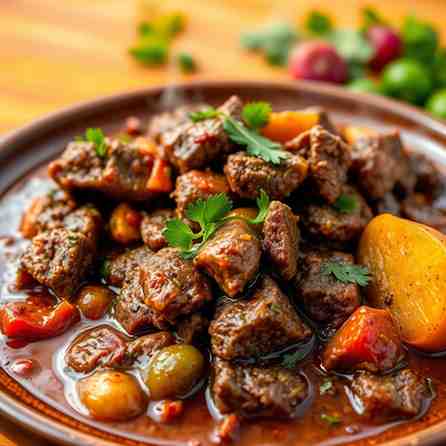
- Serves: 6 People
- Prepare Time: 25 minutes
- Cooking Time: 2 hours 30
- Calories: -
- Difficulty: Medium
Get ready to embark on a culinary journey to Southern Africa right from your kitchen! Sechu, a traditional Basotho-style beef stew, is the epitome of comfort food – hearty, deeply flavorful, and incredibly satisfying. This isn't just any stew; it's a dish designed to warm you from the inside out, perfect for chilly evenings or when you simply crave something truly wholesome. We'll guide you through making an authentic Sechu that’s perfectly adapted for US home kitchens, using ingredients you can easily find at your local grocery store.
We know you're looking for the best meat to use for beef stew, and we've got the secrets to achieving melt-in-your-mouth tenderness every time. Beyond just flavor, we're also focused on making this dish work for your lifestyle. You’ll get fantastic healthy cooking tips to keep things nutritious without sacrificing taste, and discover why Sechu is an absolute champion for meal prep. Imagine having delicious, homemade goodness ready to go for days!
By the end of this guide, you’ll not only have a robust, rich Sechu stew brimming with tender beef and aromatic spices, but you'll also have a versatile recipe that fits seamlessly into your routine. Whether you're a beginner cook or a seasoned pro, prepare to discover your new favorite comfort meal.
Best for: Cold nights, meal prep, family dinner
Sechu, pronounced "seh-CHOO," is a beloved, hearty beef stew originating from the Basotho people of Southern Africa, particularly Lesotho and parts of South Africa. At its core, it's a simple, rustic dish featuring tender chunks of beef simmered slowly with vegetables and a warm spice blend until it forms a rich, comforting gravy. Unlike some more complex stews, Sechu focuses on simple, robust flavors that truly highlight the quality of the meat and the long, slow cooking process. It’s the kind of meal that feels like a warm hug in a bowl, often served with starchy sides like pap (a maize porridge), rice, or even dumplings to soak up every last drop of its delicious sauce.
Choosing the right cut of beef is paramount for a truly exceptional Sechu. The goal is tender, fall-apart meat that can withstand a long simmer and develop deep flavor.
Recommended Cut (for THIS recipe): Beef Chuck Roast. This is our top pick for a reason! Beef chuck roast (often sold as "pot roast" or "chuck eye roast") is well-marbled with connective tissue that breaks down during slow cooking, transforming into gelatin. This not only makes the meat incredibly tender but also enriches the stew's gravy, giving it a luxurious, silky texture and a rich, beefy flavor that other cuts simply can't match. It’s forgiving, flavorful, and consistently delivers outstanding results.
Other Good Options (brief notes only):
Beef Brisket: Similar to chuck, brisket is a tougher cut that benefits from low-and-slow cooking. It will yield tender, shreddable beef.
Bone-In Short Ribs: These offer an incredible depth of flavor from the bones and rich marbling. The meat becomes meltingly tender, though you'll need to remove the bones before serving.
Stew Meat: Pre-cut stew meat can be convenient, but often it's a mix of different cuts. If using, try to ensure it’s primarily chuck for the best results.
What to Avoid: Steer clear of very lean cuts like sirloin, round, or flank steak. While great for quick searing, these cuts will dry out and become tough and chewy during the long simmering required for a proper Sechu. Save them for quick stir-fries or grilling!
Dutch Oven or Heavy Pot (with a lid): Absolutely essential for slow, even cooking and retaining moisture. A 5-7 quart capacity is ideal.
Sharp Chef’s Knife: For safely and efficiently cutting your beef and vegetables.
Cutting Board: A sturdy surface for all your prep work.
Optional: Tongs or Slotted Spoon: For browning meat and stirring.
Making Sechu a little healthier doesn't mean sacrificing flavor or comfort. Here are a few simple tweaks:
Trim Fat + Sear Smart: Before browning your beef chuck, take a moment to trim off any large, excess pieces of fat. You want some marbling for flavor, but not too much. When searing, use just enough oil to coat the bottom of the pot and get a good crust, rather than deep-frying the meat.
Lower-Sodium Stock + Salt at the End: Opt for a low-sodium beef broth or stock. This gives you more control over the final saltiness of your stew. You can always add more salt at the very end, but you can't take it away!
Veg-Forward Option: While Sechu traditionally has some vegetables, you can easily boost the nutritional content by adding extra non-starchy vegetables. Think bell peppers, zucchini, green beans, or even spinach stirred in during the last 30 minutes of simmering. This adds fiber and vitamins without significantly altering the stew's core character.
Ingredients
Directions
- 1) Prep the beef (and why size matters) Cut your trimmed beef chuck roast into roughly 1 ½ to 2-inch cubes. Uniform size is important here; it ensures the meat cooks evenly and becomes tender at the same rate. Pat the beef dry with paper towels – this is crucial for getting a good sear later. Season the beef generously all over with salt and freshly ground black pepper. Don't be shy; this is your first layer of flavor!
- 2) Brown for flavor Heat the olive oil in your Dutch oven or heavy pot over medium-high heat until shimmering. Add the beef in batches, making sure not to overcrowd the pot. Overcrowding will steam the meat instead of browning it, and we want a beautiful, deep brown crust on all sides. Sear each batch for 3-5 minutes per side until well-browned. This browning step creates a rich, complex flavor (the Maillard reaction) that is foundational to your stew. Remove the browned beef to a plate and set aside.
- 3) Build the base Reduce the heat to medium. Add the chopped onion to the pot, scraping up any browned bits from the bottom (this is called deglazing and adds tons of flavor!). Sauté the onion for 5-7 minutes until softened and translucent. Add the minced garlic, smoked paprika, ground coriander, ground cumin, and cayenne pepper (if using). Cook for another 1-2 minutes, stirring constantly, until the spices are fragrant. This step, called "blooming" the spices, enhances their flavor dramatically. Pour in the diced tomatoes (with their juice) and the beef broth, stirring well to combine.
- 4) Simmer until tender Return the browned beef to the pot, along with any accumulated juices from the plate. Add the bay leaf. If using, stir in the carrots and potatoes now. Bring the stew to a gentle simmer, then reduce the heat to low, cover the pot tightly, and let it cook. What does a simmer look like? It's a very gentle bubbling, not a rolling boil. Simmer for at least 2 hours, or up to 3 hours, or until the beef is incredibly tender and easily pierced with a fork. The longer and slower it cooks, the more tender and flavorful your stew will be.
- 5) Thicken and finish Once the beef is tender, remove the bay leaf. At this point, the stew should have thickened naturally from the breakdown of the beef's connective tissue and the starches from the optional potatoes. If you prefer a thicker stew, you can uncover the pot and simmer for an additional 15-30 minutes, stirring occasionally, until it reaches your desired consistency. Alternatively, you can mix 1 tablespoon of cornstarch with 2 tablespoons of cold water to form a slurry, then stir it into the simmering stew and cook for a few minutes until thickened. Taste the stew and adjust the seasoning with salt and pepper as needed. Stir in the red wine vinegar or lemon juice – this "flavor finisher" brightens all the rich flavors and adds a touch of acidity that makes the stew truly sing. Garnish with fresh chopped parsley or cilantro before serving.
You may also like

Hey there! I’m just someone who seriously loves good food and believes that cooking doesn’t have to be complicated to be amazing. Whether it’s a quick weeknight dinner or a cozy weekend meal, I’m all about sharing easy, tasty recipes that actually work.



