The Best Way to Cook Picanha - Grill a Cape Verdean Steak
The Best Way to Cook Picanha - Grill a Cape Verdean Steak
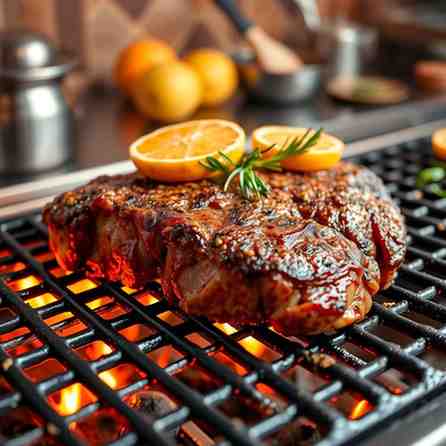
- Serves: 4 People
- Prepare Time: 45 minutes
- Cooking Time: 40 minutes
- Calories: -
- Difficulty: Medium
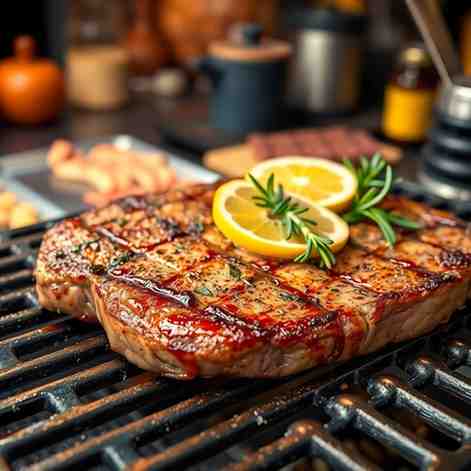
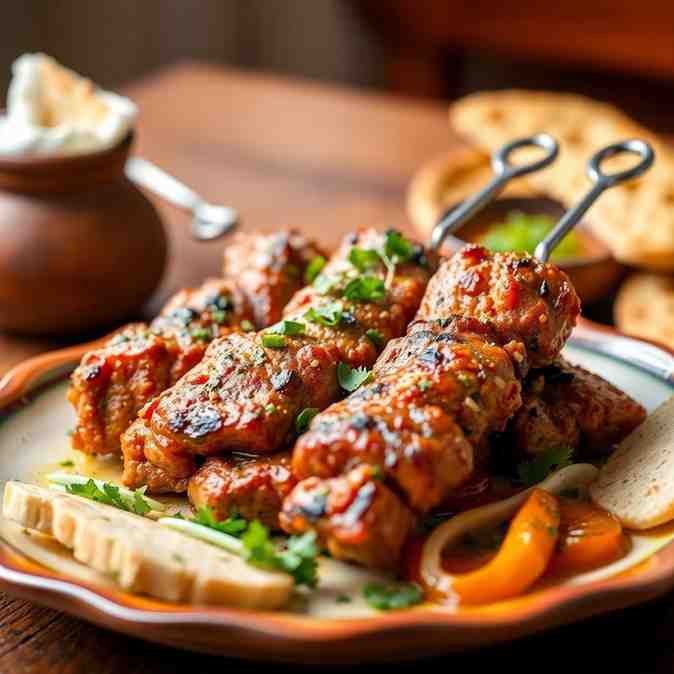
Ready to master the best way to cook picanha? If you've been searching for that perfect, melt-in-your-mouth grilled steak with a unique flavor, you've come to the right place. This isn't just another grilled steak recipe; we're diving into an authentic Cape Verdean-style approach that combines the incredible flavor of picanha sirloin cap with a vibrant, piri-piri–inspired marinade.
In this guide, you'll learn everything you need to know: what picanha cut of meat is and why its glorious fat cap is your secret weapon, how to grill it perfectly on your backyard charcoal or gas grill without a hitch, and how our special Cape Verdean piri-piri marinade infuses it with a spicy, garlicky kick that’ll make your taste buds sing. Get ready to elevate your bbq steak recipes game and impress everyone with this fantastic beef picanha steak!
Doneness Target: Medium-rare, about 130°F in the center.
Ingredients
Directions
- Prep the Picanha: Take your picanha out of the fridge at least 45 minutes to 1 hour before grilling to bring it closer to room temperature. Pat the entire roast dry with paper towels. Using a sharp knife, score the fat cap in a shallow cross-hatch pattern, being careful not to cut into the meat itself. Trim off any excessively hard, silver-skin-like fat, but leave the thick fat cap mostly intact. Lightly salt the meat all over, especially the fat cap.
- Make the Piri-Piri Marinade/Sauce: In a medium bowl, combine the olive oil, minced garlic, finely chopped chiles, minced red bell pepper, vinegar, lemon juice, lemon zest, and chopped parsley. Stir well to combine. Taste and add salt as needed – you want it vibrant and tangy. Set aside about ¼ cup of this marinade in a separate, clean bowl to use as a finishing sauce later (this prevents cross-contamination with raw meat).
- Season the Meat: Take the larger portion of the piri-piri marinade and brush it evenly over the scored fat cap and the lean sides of the picanha. Aim for a thin, even coating – you want flavor, not dripping excess. Let the meat rest with the marinade on it while you prepare your grill.
- Set Up Your Grill for Two Zones:
- Charcoal Grill: Light your charcoal and let it get hot. Bank about two-thirds of the coals to one side of the grill, creating a direct (hot) zone and an indirect (cooler) zone. Aim for an indirect temperature of around 300–325°F.
- Gas Grill: Turn on burners on one side of your grill to medium-high heat, leaving the other burners off. Close the lid and let it preheat until the indirect side is around 300–325°F.
- Start Over Indirect Heat (Fat-Cap Render): Once your grill is ready, place the picanha fat-cap up on the indirect side of the grill. Close the lid and let it cook. This slow rendering of the fat is crucial. Cook until the thickest part of the meat reaches an internal temperature of about 100–110°F, which usually takes 20-30 minutes, depending on your grill and the size of the roast. You can flip it once halfway through if you notice uneven cooking.
- Finish with a Hot Sear: Carefully move the picanha to the hot, direct side of the grill. Place it fat-cap down first to get a beautiful, crispy crust and render more fat. Sear for 2-4 minutes, watching carefully for flare-ups; move the meat as needed to avoid burning. Flip and sear the lean side for another 2-3 minutes. During this searing stage, you can lightly brush the picanha with a bit more of the marinade you used for brushing (not the clean finishing sauce), but avoid doing this directly over open flames to prevent charring.
- Hit the Perfect Internal Temperature: Insert an instant-read thermometer into the thickest part of the lean meat, away from the fat cap or bone.
- For medium-rare (recommended), pull the picanha off the grill when it reaches 125–130°F.
- For rare, pull at 120°F.
- For medium, pull at 135°F.
- Rest & Slice: Transfer the grilled picanha to a clean cutting board. Loosely tent it with foil and let it rest for 10-15 minutes. This allows the juices to redistribute, ensuring a tender, flavorful steak. After resting, slice the picanha against the grain into thin slices, making sure each piece includes a bit of that delicious rendered fat cap.
- Finish & Serve: Arrange the sliced picanha on a platter. Spoon the fresh (unused) piri-piri finishing sauce over the slices, or serve it on the side for guests to add themselves. Garnish with fresh citrus wedges and serve immediately with simple sides like white rice and a green salad, mirroring traditional Cape Verdean meal patterns.
The Best Way to Cook Picanha - Grill a Cape Verdean Steak
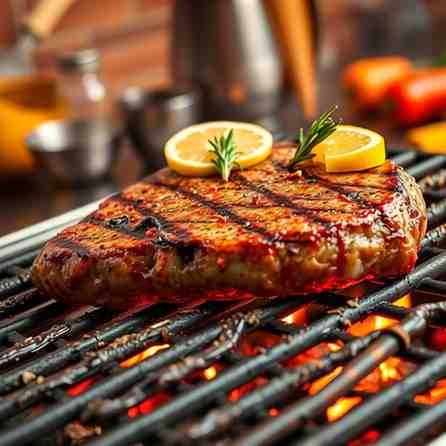
- Serves: 4 People
- Prepare Time: 45 minutes
- Cooking Time: 40 minutes
- Calories: -
- Difficulty: Medium
Ready to master the best way to cook picanha? If you've been searching for that perfect, melt-in-your-mouth grilled steak with a unique flavor, you've come to the right place. This isn't just another grilled steak recipe; we're diving into an authentic Cape Verdean-style approach that combines the incredible flavor of picanha sirloin cap with a vibrant, piri-piri–inspired marinade.
In this guide, you'll learn everything you need to know: what picanha cut of meat is and why its glorious fat cap is your secret weapon, how to grill it perfectly on your backyard charcoal or gas grill without a hitch, and how our special Cape Verdean piri-piri marinade infuses it with a spicy, garlicky kick that’ll make your taste buds sing. Get ready to elevate your bbq steak recipes game and impress everyone with this fantastic beef picanha steak!
Doneness Target: Medium-rare, about 130°F in the center.
Ingredients
Directions
- Prep the Picanha: Take your picanha out of the fridge at least 45 minutes to 1 hour before grilling to bring it closer to room temperature. Pat the entire roast dry with paper towels. Using a sharp knife, score the fat cap in a shallow cross-hatch pattern, being careful not to cut into the meat itself. Trim off any excessively hard, silver-skin-like fat, but leave the thick fat cap mostly intact. Lightly salt the meat all over, especially the fat cap.
- Make the Piri-Piri Marinade/Sauce: In a medium bowl, combine the olive oil, minced garlic, finely chopped chiles, minced red bell pepper, vinegar, lemon juice, lemon zest, and chopped parsley. Stir well to combine. Taste and add salt as needed – you want it vibrant and tangy. Set aside about ¼ cup of this marinade in a separate, clean bowl to use as a finishing sauce later (this prevents cross-contamination with raw meat).
- Season the Meat: Take the larger portion of the piri-piri marinade and brush it evenly over the scored fat cap and the lean sides of the picanha. Aim for a thin, even coating – you want flavor, not dripping excess. Let the meat rest with the marinade on it while you prepare your grill.
- Set Up Your Grill for Two Zones:
- Charcoal Grill: Light your charcoal and let it get hot. Bank about two-thirds of the coals to one side of the grill, creating a direct (hot) zone and an indirect (cooler) zone. Aim for an indirect temperature of around 300–325°F.
- Gas Grill: Turn on burners on one side of your grill to medium-high heat, leaving the other burners off. Close the lid and let it preheat until the indirect side is around 300–325°F.
- Start Over Indirect Heat (Fat-Cap Render): Once your grill is ready, place the picanha fat-cap up on the indirect side of the grill. Close the lid and let it cook. This slow rendering of the fat is crucial. Cook until the thickest part of the meat reaches an internal temperature of about 100–110°F, which usually takes 20-30 minutes, depending on your grill and the size of the roast. You can flip it once halfway through if you notice uneven cooking.
- Finish with a Hot Sear: Carefully move the picanha to the hot, direct side of the grill. Place it fat-cap down first to get a beautiful, crispy crust and render more fat. Sear for 2-4 minutes, watching carefully for flare-ups; move the meat as needed to avoid burning. Flip and sear the lean side for another 2-3 minutes. During this searing stage, you can lightly brush the picanha with a bit more of the marinade you used for brushing (not the clean finishing sauce), but avoid doing this directly over open flames to prevent charring.
- Hit the Perfect Internal Temperature: Insert an instant-read thermometer into the thickest part of the lean meat, away from the fat cap or bone.
- For medium-rare (recommended), pull the picanha off the grill when it reaches 125–130°F.
- For rare, pull at 120°F.
- For medium, pull at 135°F.
- Rest & Slice: Transfer the grilled picanha to a clean cutting board. Loosely tent it with foil and let it rest for 10-15 minutes. This allows the juices to redistribute, ensuring a tender, flavorful steak. After resting, slice the picanha against the grain into thin slices, making sure each piece includes a bit of that delicious rendered fat cap.
- Finish & Serve: Arrange the sliced picanha on a platter. Spoon the fresh (unused) piri-piri finishing sauce over the slices, or serve it on the side for guests to add themselves. Garnish with fresh citrus wedges and serve immediately with simple sides like white rice and a green salad, mirroring traditional Cape Verdean meal patterns.
You may also like

Hey there! I’m just someone who seriously loves good food and believes that cooking doesn’t have to be complicated to be amazing. Whether it’s a quick weeknight dinner or a cozy weekend meal, I’m all about sharing easy, tasty recipes that actually work.