
Pounded Yam - The Best Way to Make Yams
Pounded Yam - The Best Way to Make Yams
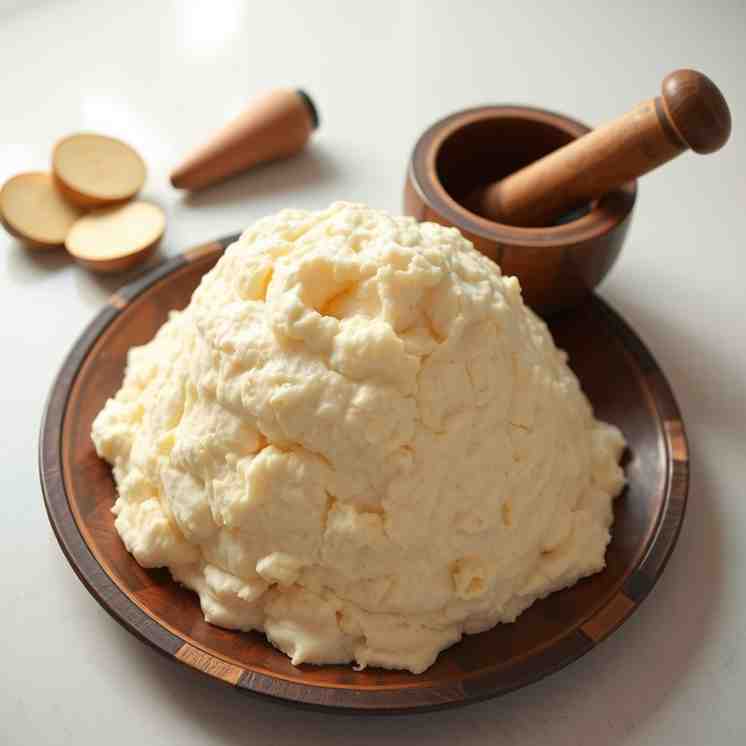
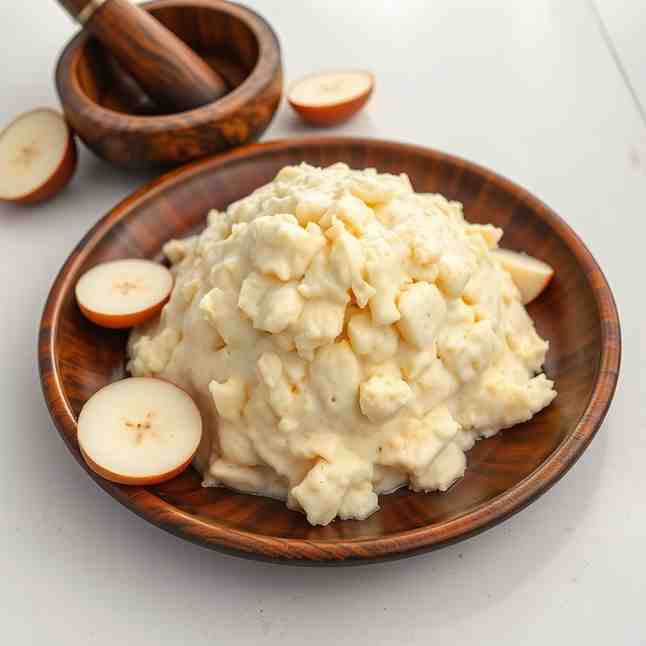
- Serves: 4 People
- Prepare Time: 15 minutes
- Cooking Time: 30 minutes
- Calories: -
- Difficulty: Medium
Welcome to the ultimate guide on how to make perfect pounded yam! If you're searching for the best way to make yams, you've landed in the right place. Pounded yam, or "iyan" as it's known in many parts of Nigeria, isn't just a dish; it's a culinary cornerstone and a symbol of hospitality across West African cuisine. This incredibly smooth, stretchy, and satisfying staple is often the heart of many African food recipes, accompanying rich, flavorful stews and soups. Forget everything you thought you knew about cooking yams – this recipe is designed to be your definitive, error-proof method, ensuring you achieve that coveted, lump-free texture every single time. Whether you're a beginner exploring African dish recipes or an experienced cook looking to perfect your technique, get ready to master this essential cuisine of Africa and bring a piece of West African tradition into your kitchen.
Ingredients
Directions
- Peel the Yam: Carefully peel the tough outer skin of the yam using a sturdy vegetable peeler or a sharp knife. Be cautious as yam skin can be slippery.
- Chop and Rinse: Cut the peeled yam into small, uniform chunks, about 1-inch thick. This ensures even cooking. Rinse the yam pieces thoroughly under cold water to remove any excess starch.
- Boil the Yam: Place the yam chunks in a large pot. Add enough water to just cover the yam pieces. Add a pinch of salt if desired. Bring the water to a rolling boil over high heat, then reduce the heat to medium-high and cook until the yam is very tender when pierced with a fork (about 20-25 minutes). It should be soft, but not falling apart.
- Drain Thoroughly: Once cooked, carefully drain all the hot water from the pot. This is crucial for achieving the right consistency.
- The Pounding Process (Traditional Method):
- Immediately transfer the hot, drained yam into a sturdy mortar (traditional wooden mortar and pestle are ideal).
- Begin pounding with the pestle, using a rhythmic, firm motion. Initially, the yam will break into pieces.
- As you pound, gather the yam from the sides of the mortar using a wooden spoon or spatula, pressing it back into the center.
- Continue pounding and turning until the yam transforms into a smooth, elastic, and lump-free dough. This process requires continuous effort and can take 10-15 minutes. The key is to pound while the yam is hot.
- The Pounding Process (Modern/Blender Method - Troubleshooting for Beginners):
- If you don't have a mortar and pestle, you can use a heavy-duty stand mixer with a dough hook attachment or a very powerful food processor.
- Transfer the hot, drained yam to the mixer bowl or food processor.
- Start on a low speed, gradually increasing to medium. Mix until the yam comes together into a smooth, elastic ball. You might need to scrape down the sides occasionally.
- Troubleshooting Lumps: If you find lumps, continue pounding or blending. Sometimes adding a tablespoon or two of the reserved hot yam water (from boiling) can help smooth it out, but be very sparing to avoid a watery consistency.
- Troubleshooting Sticky Texture: If it feels too sticky, it might be slightly overcooked or still have too much moisture. Continue pounding to evaporate some moisture.
- Achieving Perfect Texture & Consistency: The goal is a uniform, smooth, and stretchy dough that holds its shape. It should be firm enough to cut but pliable when pulled.
- Serve Immediately: Pounded yam is best served hot.
Pounded Yam - The Best Way to Make Yams
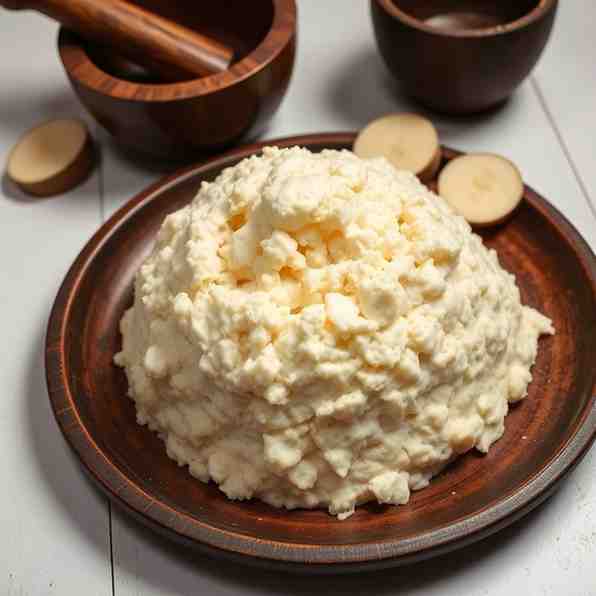
- Serves: 4 People
- Prepare Time: 15 minutes
- Cooking Time: 30 minutes
- Calories: -
- Difficulty: Medium
Welcome to the ultimate guide on how to make perfect pounded yam! If you're searching for the best way to make yams, you've landed in the right place. Pounded yam, or "iyan" as it's known in many parts of Nigeria, isn't just a dish; it's a culinary cornerstone and a symbol of hospitality across West African cuisine. This incredibly smooth, stretchy, and satisfying staple is often the heart of many African food recipes, accompanying rich, flavorful stews and soups. Forget everything you thought you knew about cooking yams – this recipe is designed to be your definitive, error-proof method, ensuring you achieve that coveted, lump-free texture every single time. Whether you're a beginner exploring African dish recipes or an experienced cook looking to perfect your technique, get ready to master this essential cuisine of Africa and bring a piece of West African tradition into your kitchen.
Ingredients
Directions
- Peel the Yam: Carefully peel the tough outer skin of the yam using a sturdy vegetable peeler or a sharp knife. Be cautious as yam skin can be slippery.
- Chop and Rinse: Cut the peeled yam into small, uniform chunks, about 1-inch thick. This ensures even cooking. Rinse the yam pieces thoroughly under cold water to remove any excess starch.
- Boil the Yam: Place the yam chunks in a large pot. Add enough water to just cover the yam pieces. Add a pinch of salt if desired. Bring the water to a rolling boil over high heat, then reduce the heat to medium-high and cook until the yam is very tender when pierced with a fork (about 20-25 minutes). It should be soft, but not falling apart.
- Drain Thoroughly: Once cooked, carefully drain all the hot water from the pot. This is crucial for achieving the right consistency.
- The Pounding Process (Traditional Method):
- Immediately transfer the hot, drained yam into a sturdy mortar (traditional wooden mortar and pestle are ideal).
- Begin pounding with the pestle, using a rhythmic, firm motion. Initially, the yam will break into pieces.
- As you pound, gather the yam from the sides of the mortar using a wooden spoon or spatula, pressing it back into the center.
- Continue pounding and turning until the yam transforms into a smooth, elastic, and lump-free dough. This process requires continuous effort and can take 10-15 minutes. The key is to pound while the yam is hot.
- The Pounding Process (Modern/Blender Method - Troubleshooting for Beginners):
- If you don't have a mortar and pestle, you can use a heavy-duty stand mixer with a dough hook attachment or a very powerful food processor.
- Transfer the hot, drained yam to the mixer bowl or food processor.
- Start on a low speed, gradually increasing to medium. Mix until the yam comes together into a smooth, elastic ball. You might need to scrape down the sides occasionally.
- Troubleshooting Lumps: If you find lumps, continue pounding or blending. Sometimes adding a tablespoon or two of the reserved hot yam water (from boiling) can help smooth it out, but be very sparing to avoid a watery consistency.
- Troubleshooting Sticky Texture: If it feels too sticky, it might be slightly overcooked or still have too much moisture. Continue pounding to evaporate some moisture.
- Achieving Perfect Texture & Consistency: The goal is a uniform, smooth, and stretchy dough that holds its shape. It should be firm enough to cut but pliable when pulled.
- Serve Immediately: Pounded yam is best served hot.
You may also like




Hey there! I’m just someone who seriously loves good food and believes that cooking doesn’t have to be complicated to be amazing. Whether it’s a quick weeknight dinner or a cozy weekend meal, I’m all about sharing easy, tasty recipes that actually work.