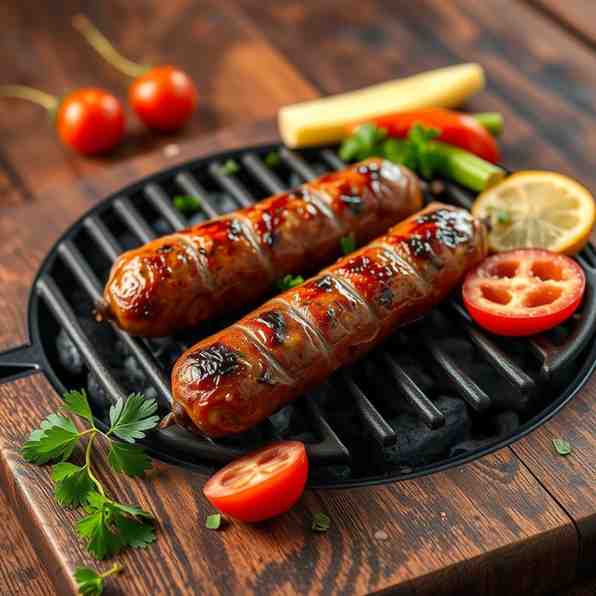
Bolivian Salteñas - Beef Empanada Filling
Bolivian Salteñas - Beef Empanada Filling
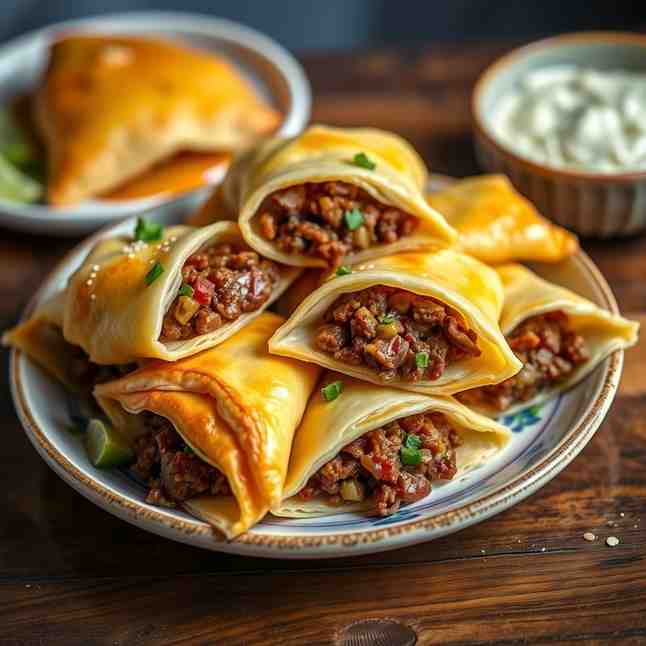

- Serves: 12 People
- Prepare Time: 2 hours (pl
- Cooking Time: 25 minutes
- Calories: -
- Difficulty: Medium
Ever dreamt of biting into a warm, savory pastry that's bursting with a rich, soupy filling? Welcome to the wonderful world of Bolivian Salteñas! Often called the "soup dumplings" of South America, these incredible baked `empanadas and more` are a beloved `mid morning snack` in Bolivia, and for good reason. What sets a salteña apart isn't just its vibrant, slightly sweet dough, but its truly unique, gelatin-set beef empanada filling that transforms into a luscious, juicy stew as it bakes.
Making Salteñas at home can feel a little intimidating at first, but don't worry! This guide is designed to help you learn to bake these delicious foods to make at home with confidence. We'll walk you through every step, from preparing the rich, flavorful `beef empanada filling` (which you can totally prep ahead!) to crafting the perfect dough and sealing your pastries so they don't leak a single drop of that precious broth. Get ready to impress your taste buds and your friends with this authentic home made recipe – it's an easy baked goods recipe once you get the hang of it, and oh-so-rewarding! Let's bake at home and bring a taste of Bolivia right into your kitchen.
Ingredients
Directions
- Activate Yeast: In a small bowl, combine the warm milk, sugar, and active dry yeast. Stir gently and let it sit for 5-10 minutes until foamy. This shows the yeast is active and ready to make your dough light and airy.
- Combine Dry Ingredients: In a large mixing bowl, whisk together the flour and salt. If using ground annatto, mix it into the flour now for even coloring.
- Add Wet Ingredients: Create a well in the center of the flour mixture. Add the softened butter, egg, and the activated yeast mixture.
- Mix and Knead: Gradually incorporate the dry ingredients into the wet, mixing until a shaggy dough forms. Turn the dough out onto a lightly floured surface and knead for about 8-10 minutes. The goal is a smooth, elastic dough that springs back when poked. This kneading develops the gluten, which is crucial for a pliable dough that can stretch without tearing when filled.
- First Rise: Lightly grease a clean bowl. Place the dough in the bowl, turning once to coat. Cover with plastic wrap or a damp kitchen towel and let it rise in a warm place for 1-1.5 hours, or until doubled in size.
- Chill: Punch down the dough gently, then divide it into 12-15 equal portions (about 60-70g each). Shape each portion into a ball. Place the dough balls on a baking sheet lined with parchment paper, cover tightly with plastic wrap, and refrigerate for at least 2 hours, or preferably overnight. Chilling the dough makes it much easier to handle and roll out thinly, preventing sticking and tearing.
- Savory Beef Salteña Filling Step-by-Step Instructions
- Sauté Aromatics: Heat the vegetable oil in a large pan or Dutch oven over medium heat. Add the chopped onion and cook until softened and translucent, about 5-7 minutes. Add the minced garlic and cook for another minute until fragrant.
- Brown Beef: Add the `ground beef` to the pan. Break it up with a spoon and cook until browned, about 8-10 minutes. Drain any excess fat.
- Simmer Filling Base: Pour in the beef broth and red wine (if using). Add the diced potato, `ground chili pepper`, cumin, `white black pepper`, and oregano. Stir well. Bring to a simmer, then reduce heat, cover, and cook for 10-15 minutes, or until the potatoes are tender.
- Add Remaining Ingredients: Stir in the frozen peas and raisins (if using). Cook for 2-3 minutes until peas are tender. Remove the pan from the heat.
- Bloom Gelatin: In a small bowl, sprinkle the unflavored gelatin powder over the cold water. Let it sit for 5 minutes to "bloom" or soften.
- Incorporate Gelatin: Add the bloomed gelatin to the warm beef mixture and stir vigorously until the gelatin is completely dissolved. The gelatin is the secret to the salteña's signature juicy interior! It will solidify when chilled, holding the broth in place, then melt during baking to create that amazing "soup dumpling" effect.
- Fold in Fresh Ingredients: Gently fold in the chopped hard-boiled eggs, fresh parsley, and green olives. Taste and adjust salt as needed.
- Chill Filling: Transfer the filling to a shallow dish. Cover tightly with plastic wrap, pressing the plastic directly onto the surface of the filling to prevent a skin from forming. Refrigerate for at least 4 hours, or preferably overnight, until completely firm and gelatinized. This chilling step is crucial! Do NOT skip it, as it prevents your salteñas from leaking during assembly and baking.
- Assembling and Baking Your Salteñas Instructions
- Prepare Workstation: Lightly flour your work surface. Take out a few dough balls and the chilled `beef empanada filling` from the fridge. Keep the rest chilled until ready to use.
- Roll Dough: Take one chilled dough ball and roll it out into a thin (about 1/8-inch thick), round disc, roughly 5-6 inches (12-15 cm) in diameter. The dough should be thin enough to be translucent but strong enough not to tear easily. The chilling helps achieve this.
- Fill Pastries: Place a generous spoonful (about 2-3 tablespoons) of the firm, chilled filling in the center of each dough disc. Do not overfill.
- Seal Salteñas: Moisten the edges of the dough with a little water. Fold one side of the dough over the filling to meet the other side, forming a half-moon. Press the edges firmly to seal.
- Crimp (Repulgue): Starting from one end, crimp the edges to create a decorative, tight seal (the "repulgue"). You can fold a small edge over itself, press, and repeat, or use a fork. A good crimp is essential to prevent leaks and keep all that delicious juicy filling inside!
- Chill Again: Place the assembled salteñas on a baking sheet lined with parchment paper. Cover loosely with plastic wrap and chill in the refrigerator for at least 30 minutes. This final chill helps the dough firm up again, reducing the chance of leaks during baking.
- Preheat Oven: Preheat your `oven to bake` at 375°F (190°C).
- Bake: Arrange the chilled salteñas on the prepared baking sheet, leaving some space between them. Bake for 20-25 minutes, or until golden brown and slightly puffed.
- Serve: Let them cool for a few minutes before serving. Be careful when taking the first bite – the filling will be hot and soupy! Enjoy your homemade `snack you can make at home`!
Bolivian Salteñas - Beef Empanada Filling
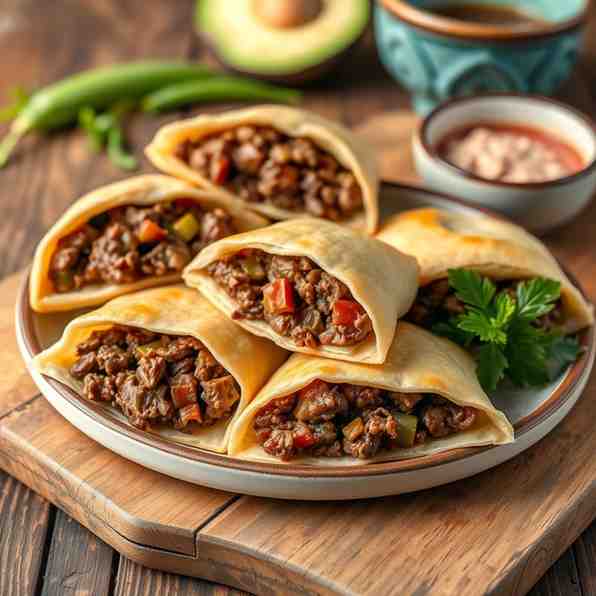
- Serves: 12 People
- Prepare Time: 2 hours (pl
- Cooking Time: 25 minutes
- Calories: -
- Difficulty: Medium
Ever dreamt of biting into a warm, savory pastry that's bursting with a rich, soupy filling? Welcome to the wonderful world of Bolivian Salteñas! Often called the "soup dumplings" of South America, these incredible baked `empanadas and more` are a beloved `mid morning snack` in Bolivia, and for good reason. What sets a salteña apart isn't just its vibrant, slightly sweet dough, but its truly unique, gelatin-set beef empanada filling that transforms into a luscious, juicy stew as it bakes.
Making Salteñas at home can feel a little intimidating at first, but don't worry! This guide is designed to help you learn to bake these delicious foods to make at home with confidence. We'll walk you through every step, from preparing the rich, flavorful `beef empanada filling` (which you can totally prep ahead!) to crafting the perfect dough and sealing your pastries so they don't leak a single drop of that precious broth. Get ready to impress your taste buds and your friends with this authentic home made recipe – it's an easy baked goods recipe once you get the hang of it, and oh-so-rewarding! Let's bake at home and bring a taste of Bolivia right into your kitchen.
Ingredients
Directions
- Activate Yeast: In a small bowl, combine the warm milk, sugar, and active dry yeast. Stir gently and let it sit for 5-10 minutes until foamy. This shows the yeast is active and ready to make your dough light and airy.
- Combine Dry Ingredients: In a large mixing bowl, whisk together the flour and salt. If using ground annatto, mix it into the flour now for even coloring.
- Add Wet Ingredients: Create a well in the center of the flour mixture. Add the softened butter, egg, and the activated yeast mixture.
- Mix and Knead: Gradually incorporate the dry ingredients into the wet, mixing until a shaggy dough forms. Turn the dough out onto a lightly floured surface and knead for about 8-10 minutes. The goal is a smooth, elastic dough that springs back when poked. This kneading develops the gluten, which is crucial for a pliable dough that can stretch without tearing when filled.
- First Rise: Lightly grease a clean bowl. Place the dough in the bowl, turning once to coat. Cover with plastic wrap or a damp kitchen towel and let it rise in a warm place for 1-1.5 hours, or until doubled in size.
- Chill: Punch down the dough gently, then divide it into 12-15 equal portions (about 60-70g each). Shape each portion into a ball. Place the dough balls on a baking sheet lined with parchment paper, cover tightly with plastic wrap, and refrigerate for at least 2 hours, or preferably overnight. Chilling the dough makes it much easier to handle and roll out thinly, preventing sticking and tearing.
- Savory Beef Salteña Filling Step-by-Step Instructions
- Sauté Aromatics: Heat the vegetable oil in a large pan or Dutch oven over medium heat. Add the chopped onion and cook until softened and translucent, about 5-7 minutes. Add the minced garlic and cook for another minute until fragrant.
- Brown Beef: Add the `ground beef` to the pan. Break it up with a spoon and cook until browned, about 8-10 minutes. Drain any excess fat.
- Simmer Filling Base: Pour in the beef broth and red wine (if using). Add the diced potato, `ground chili pepper`, cumin, `white black pepper`, and oregano. Stir well. Bring to a simmer, then reduce heat, cover, and cook for 10-15 minutes, or until the potatoes are tender.
- Add Remaining Ingredients: Stir in the frozen peas and raisins (if using). Cook for 2-3 minutes until peas are tender. Remove the pan from the heat.
- Bloom Gelatin: In a small bowl, sprinkle the unflavored gelatin powder over the cold water. Let it sit for 5 minutes to "bloom" or soften.
- Incorporate Gelatin: Add the bloomed gelatin to the warm beef mixture and stir vigorously until the gelatin is completely dissolved. The gelatin is the secret to the salteña's signature juicy interior! It will solidify when chilled, holding the broth in place, then melt during baking to create that amazing "soup dumpling" effect.
- Fold in Fresh Ingredients: Gently fold in the chopped hard-boiled eggs, fresh parsley, and green olives. Taste and adjust salt as needed.
- Chill Filling: Transfer the filling to a shallow dish. Cover tightly with plastic wrap, pressing the plastic directly onto the surface of the filling to prevent a skin from forming. Refrigerate for at least 4 hours, or preferably overnight, until completely firm and gelatinized. This chilling step is crucial! Do NOT skip it, as it prevents your salteñas from leaking during assembly and baking.
- Assembling and Baking Your Salteñas Instructions
- Prepare Workstation: Lightly flour your work surface. Take out a few dough balls and the chilled `beef empanada filling` from the fridge. Keep the rest chilled until ready to use.
- Roll Dough: Take one chilled dough ball and roll it out into a thin (about 1/8-inch thick), round disc, roughly 5-6 inches (12-15 cm) in diameter. The dough should be thin enough to be translucent but strong enough not to tear easily. The chilling helps achieve this.
- Fill Pastries: Place a generous spoonful (about 2-3 tablespoons) of the firm, chilled filling in the center of each dough disc. Do not overfill.
- Seal Salteñas: Moisten the edges of the dough with a little water. Fold one side of the dough over the filling to meet the other side, forming a half-moon. Press the edges firmly to seal.
- Crimp (Repulgue): Starting from one end, crimp the edges to create a decorative, tight seal (the "repulgue"). You can fold a small edge over itself, press, and repeat, or use a fork. A good crimp is essential to prevent leaks and keep all that delicious juicy filling inside!
- Chill Again: Place the assembled salteñas on a baking sheet lined with parchment paper. Cover loosely with plastic wrap and chill in the refrigerator for at least 30 minutes. This final chill helps the dough firm up again, reducing the chance of leaks during baking.
- Preheat Oven: Preheat your `oven to bake` at 375°F (190°C).
- Bake: Arrange the chilled salteñas on the prepared baking sheet, leaving some space between them. Bake for 20-25 minutes, or until golden brown and slightly puffed.
- Serve: Let them cool for a few minutes before serving. Be careful when taking the first bite – the filling will be hot and soupy! Enjoy your homemade `snack you can make at home`!
The following nutritional values are per serving (one piece of cake) Calories ~300-350 kcal Carbohydrates ~35-40g Protein ~15-20g Fat ~10-15g Tools and ingredients that can help you cook more easily and consistently. Problem: Kneading dough by hand can be a workout and time-consuming, especially when you're aiming for that perfect, elastic texture. Problem: Chopping all those vegetables for the filling – onions, potatoes, herbs – takes a significant amount of prep time and can be tedious. Problem: Sealing the Salteñas by hand can be tricky to get right, often leading to leaks during baking if not done perfectly. Click any ingredient for detailed nutritional information:Recipe Nutritional Values
Additional Information
Recipe Success Tips
Ingredient Substitutions & Variations
Cultural Variations
Make-Ahead & Storage Instructions
Frequently Asked Questions
Recommended Kitchen Tools
Time-Saving Tools & Ingredients
Agitate: An under-kneaded dough can result in tough, crumbly Salteñas that don't hold their shape or delicious filling properly. Who wants a leaky pastry?
Solution: A stand mixer with a dough hook attachment can do all the hard work for you. It consistently kneads the dough to perfection, ensuring a smooth, pliable texture with minimal effort on your part, saving your arms and your precious time.Time-Saving Tools & Ingredients
Agitate: Unevenly chopped ingredients can cook inconsistently, leading to some bits being undercooked and others overcooked, affecting the overall texture and flavor of your filling.
Solution: A food processor with a chopping blade can quickly and uniformly chop your vegetables in seconds. This not only dramatically cuts down on prep time but also ensures even cooking for a perfectly textured filling every time.Time-Saving Tools & Ingredients
Agitate: A leaky Salteña means lost delicious broth, a messy baking sheet, and a less enjoyable eating experience. It’s frustrating when your hard work literally melts away!
Solution: A dumpling or empanada press can provide a consistent, tight seal for your Salteñas. It’s quick, easy to use, and ensures that your precious, savory filling stays exactly where it should be – inside the pastry!Calories per Ingredient
Resources & References
You may also like




Hey there! I’m just someone who seriously loves good food and believes that cooking doesn’t have to be complicated to be amazing. Whether it’s a quick weeknight dinner or a cozy weekend meal, I’m all about sharing easy, tasty recipes that actually work.